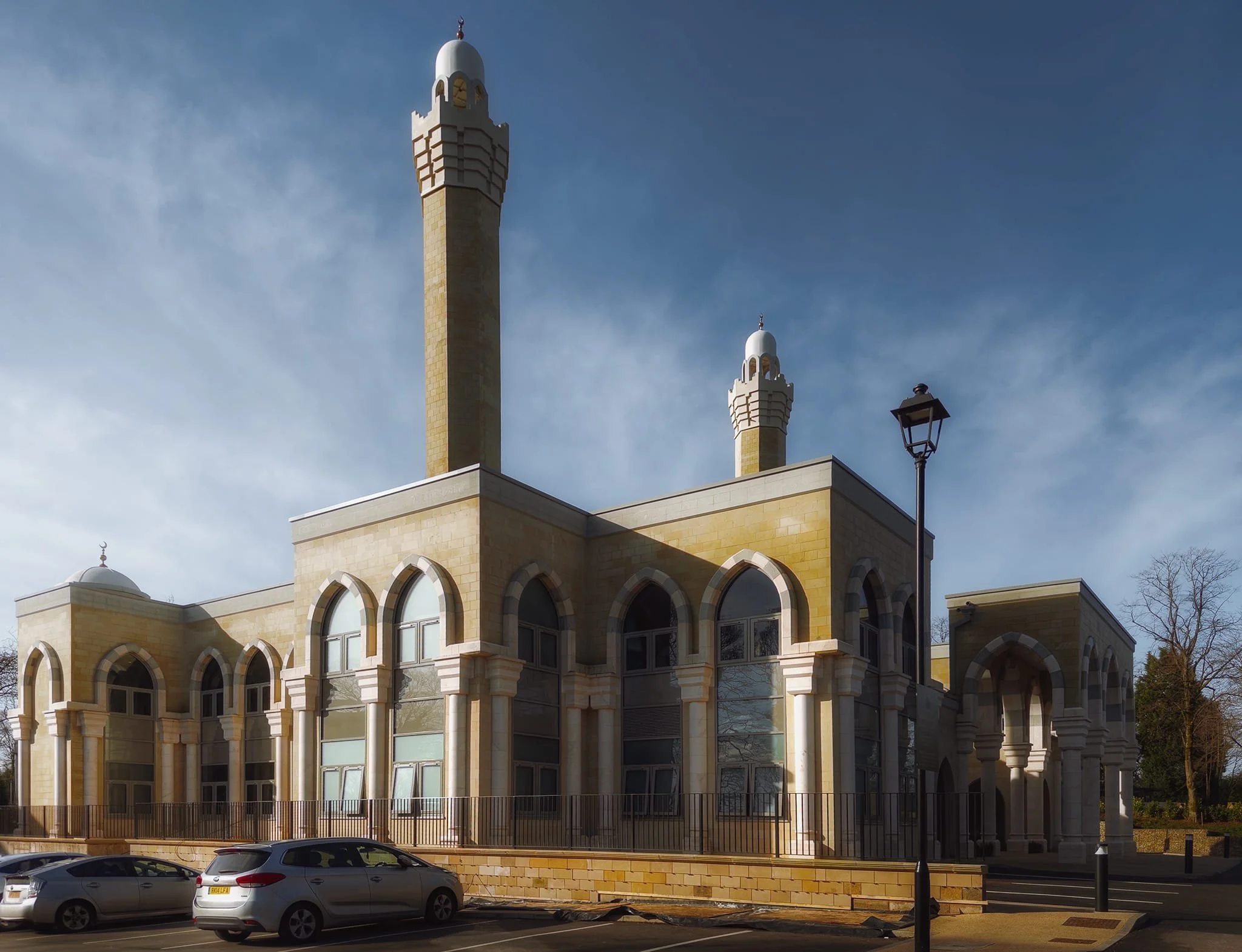
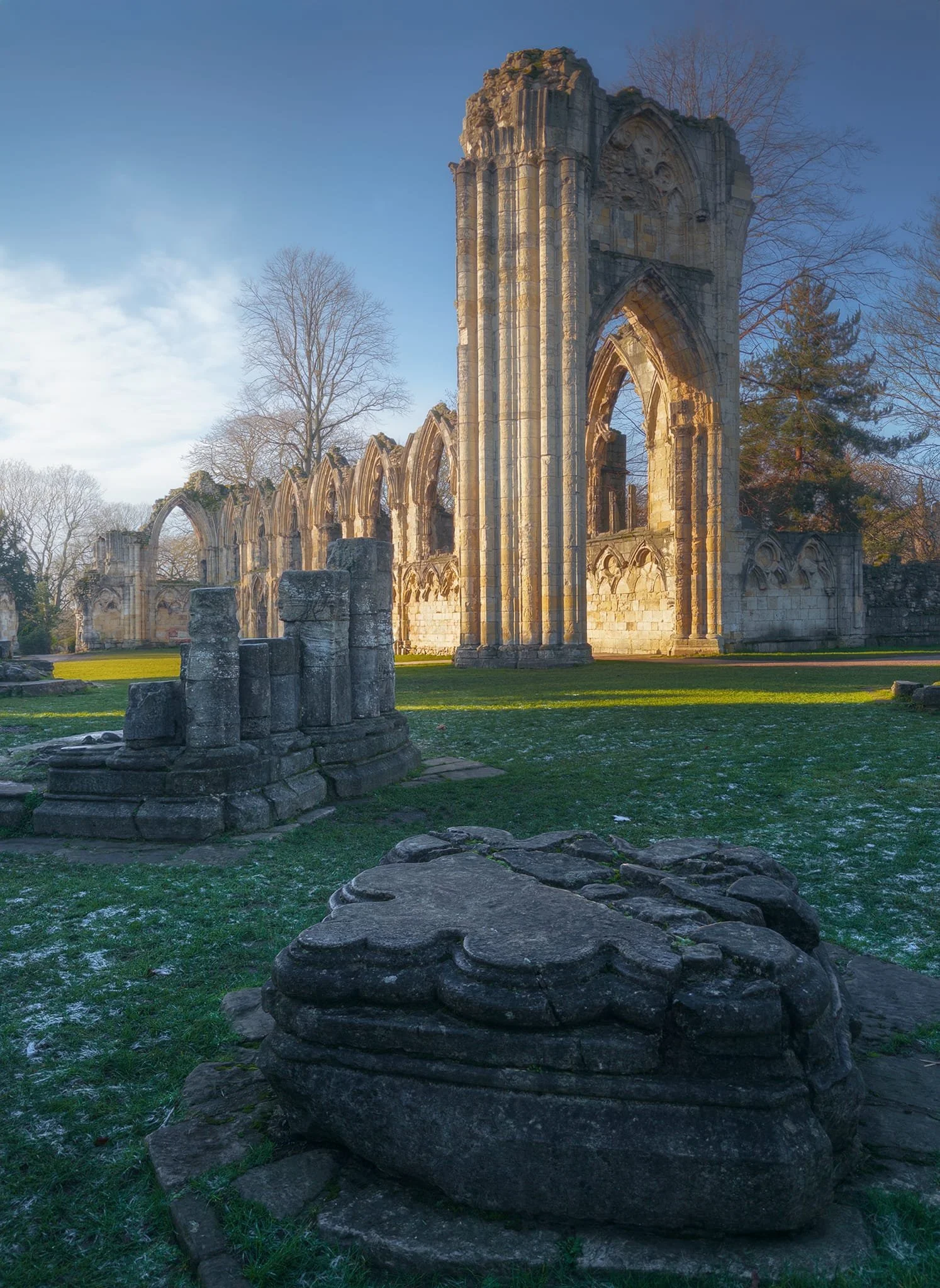
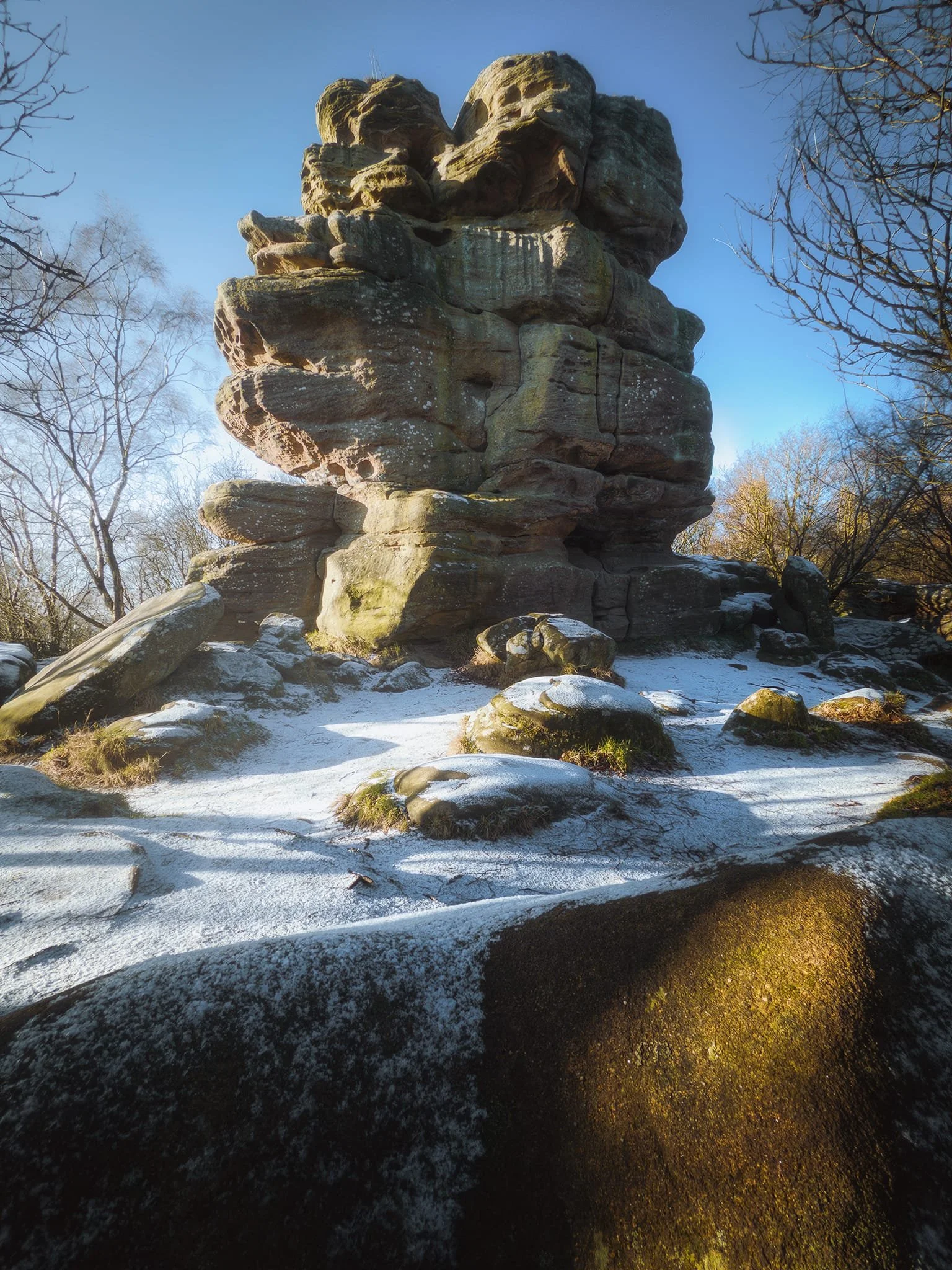
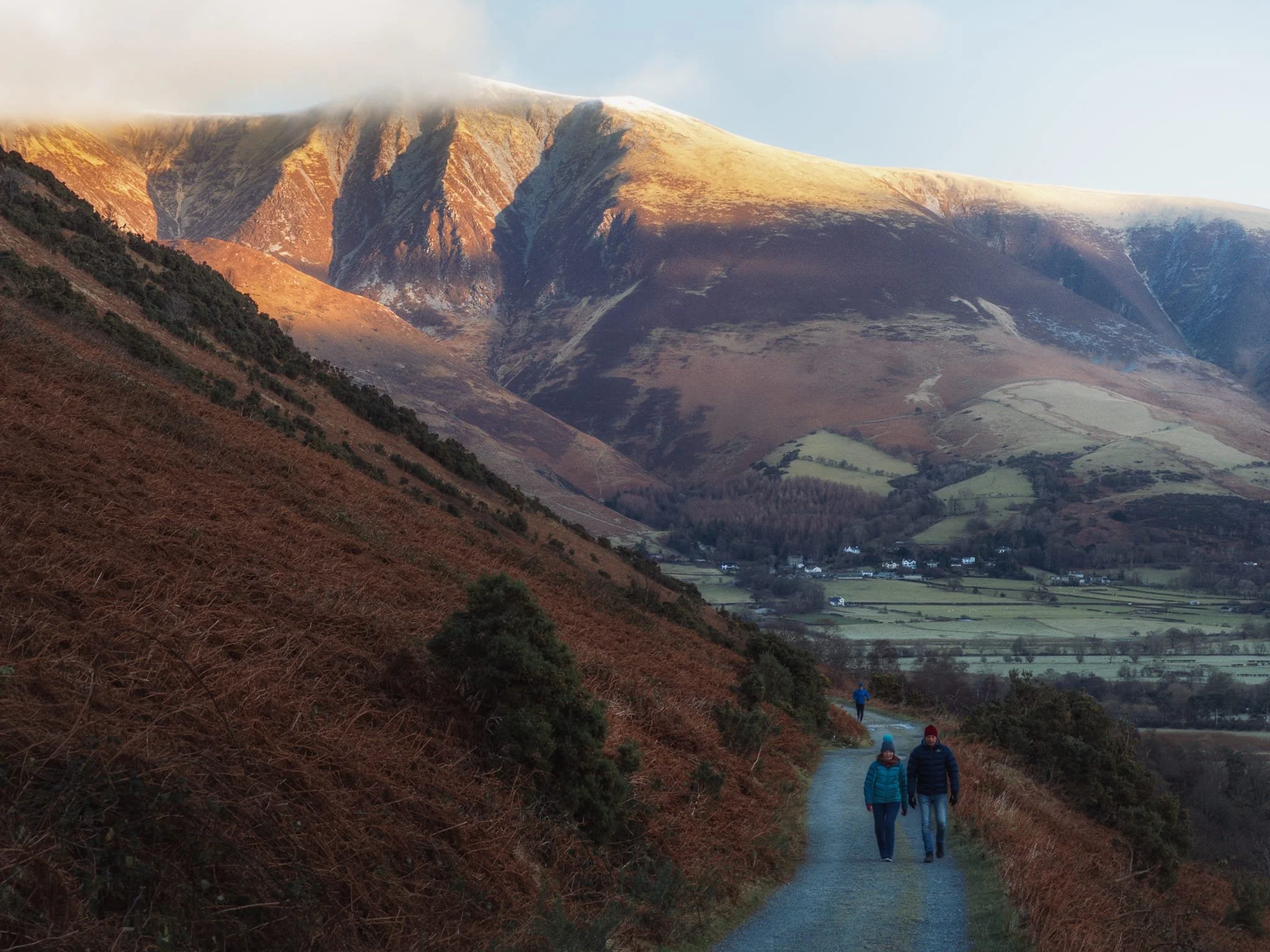
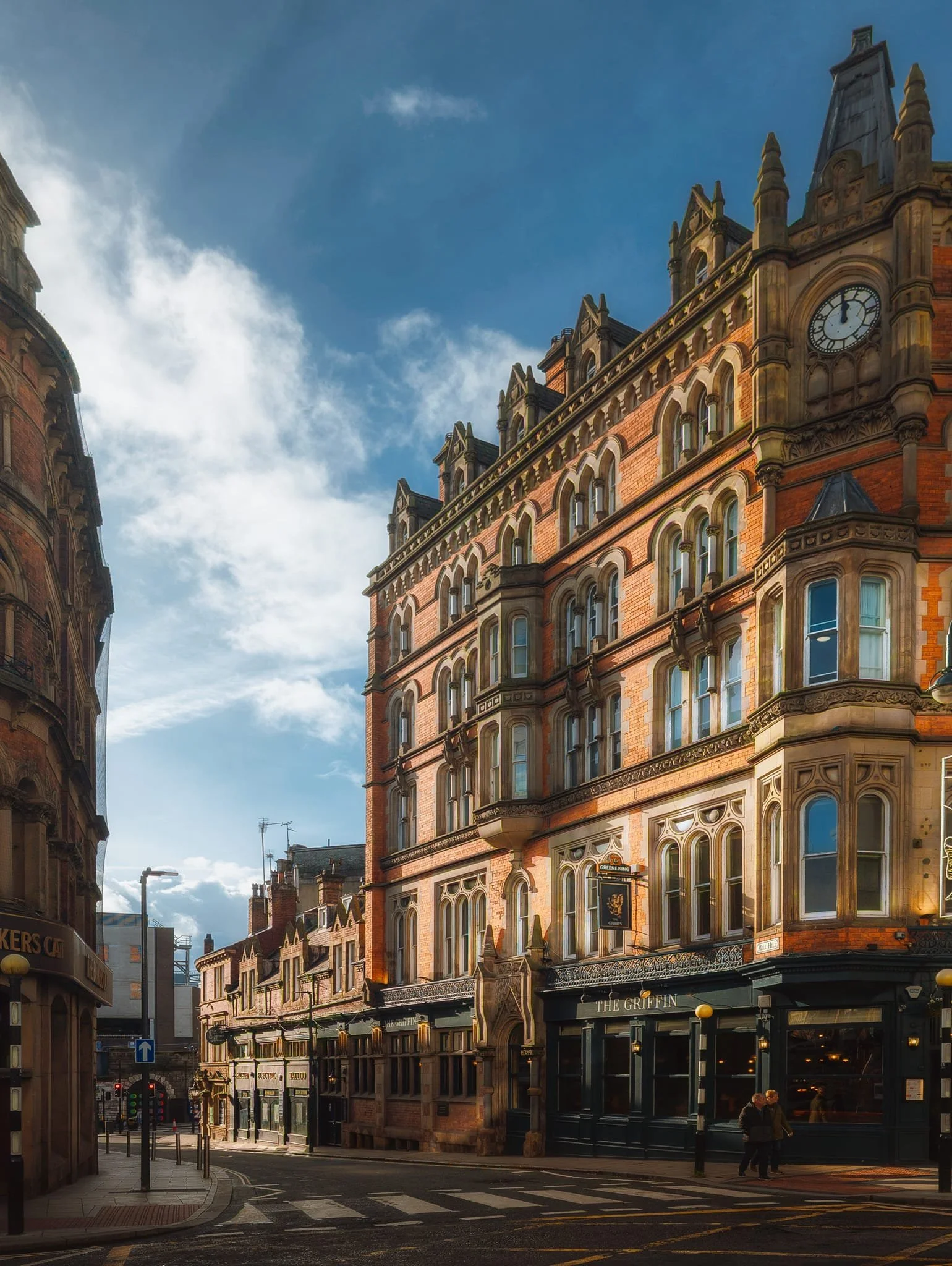
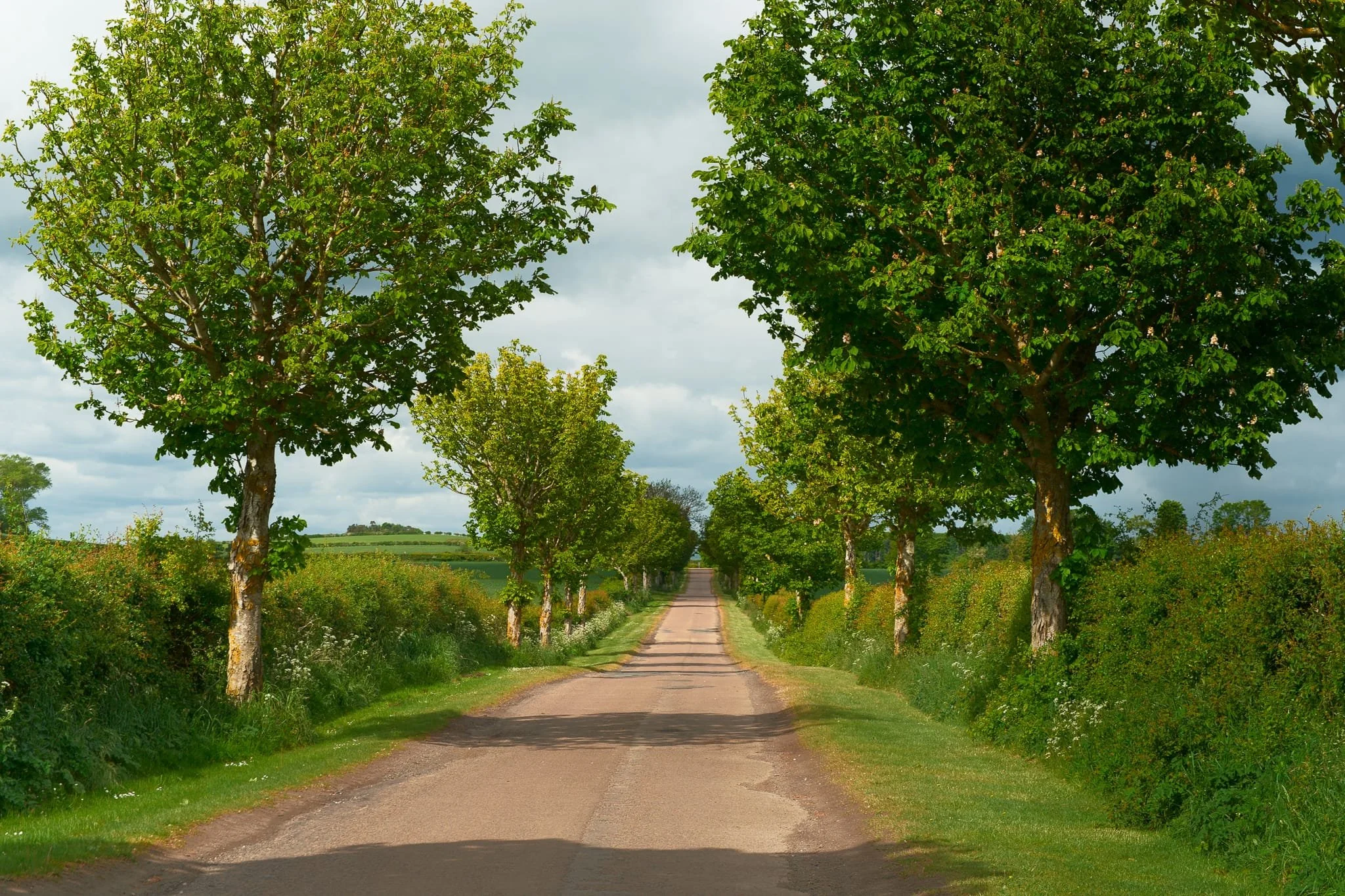
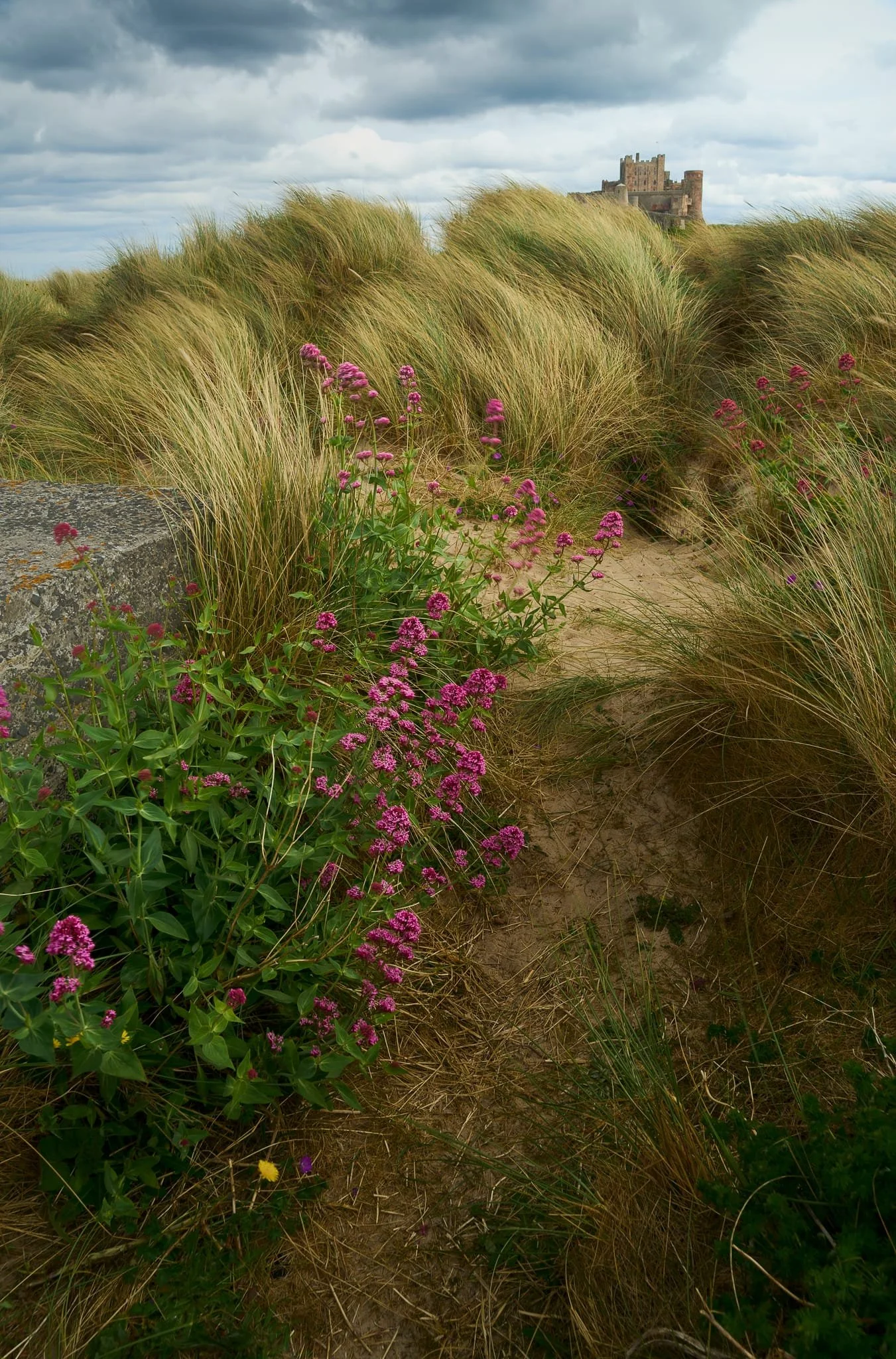
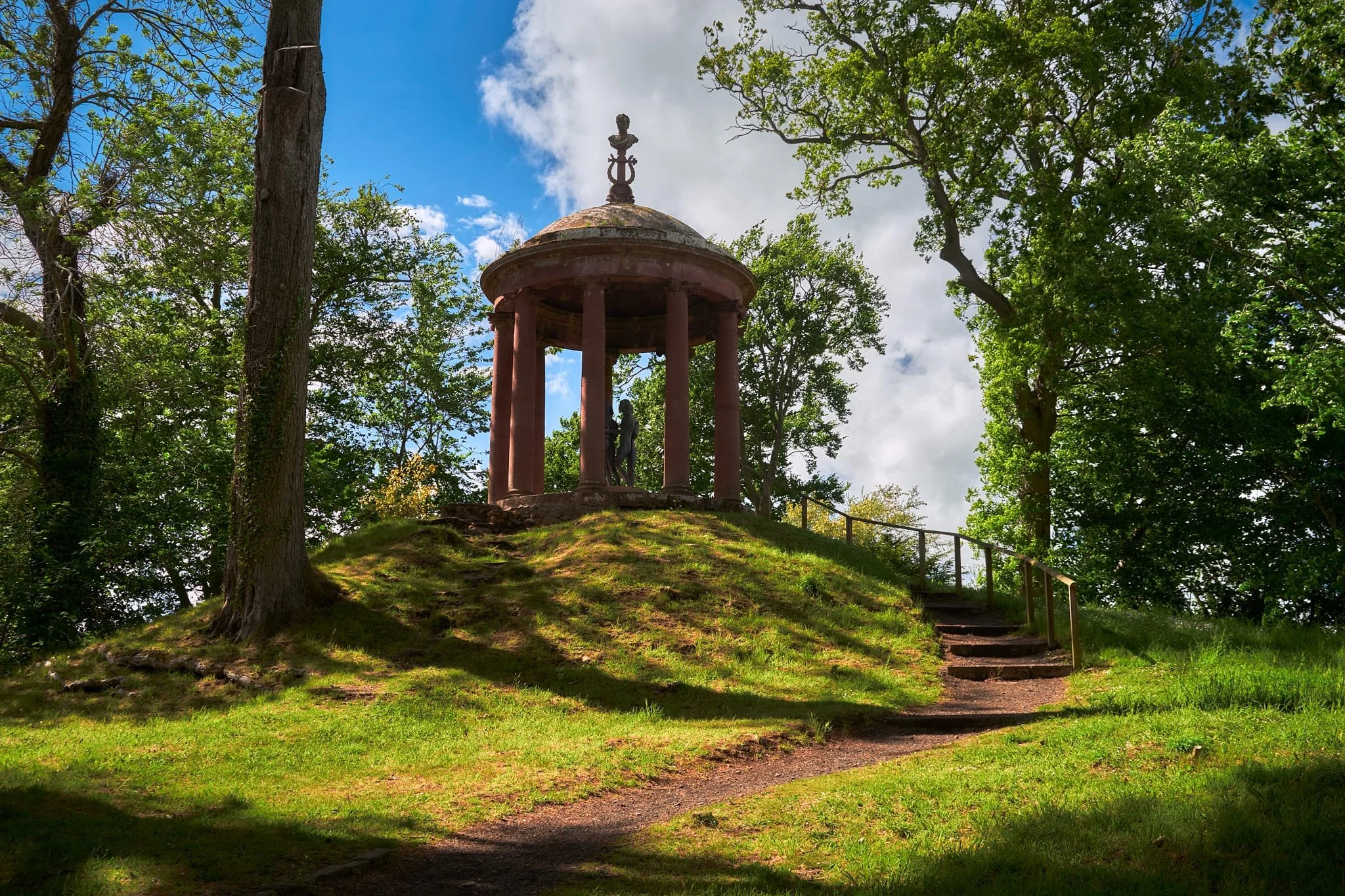
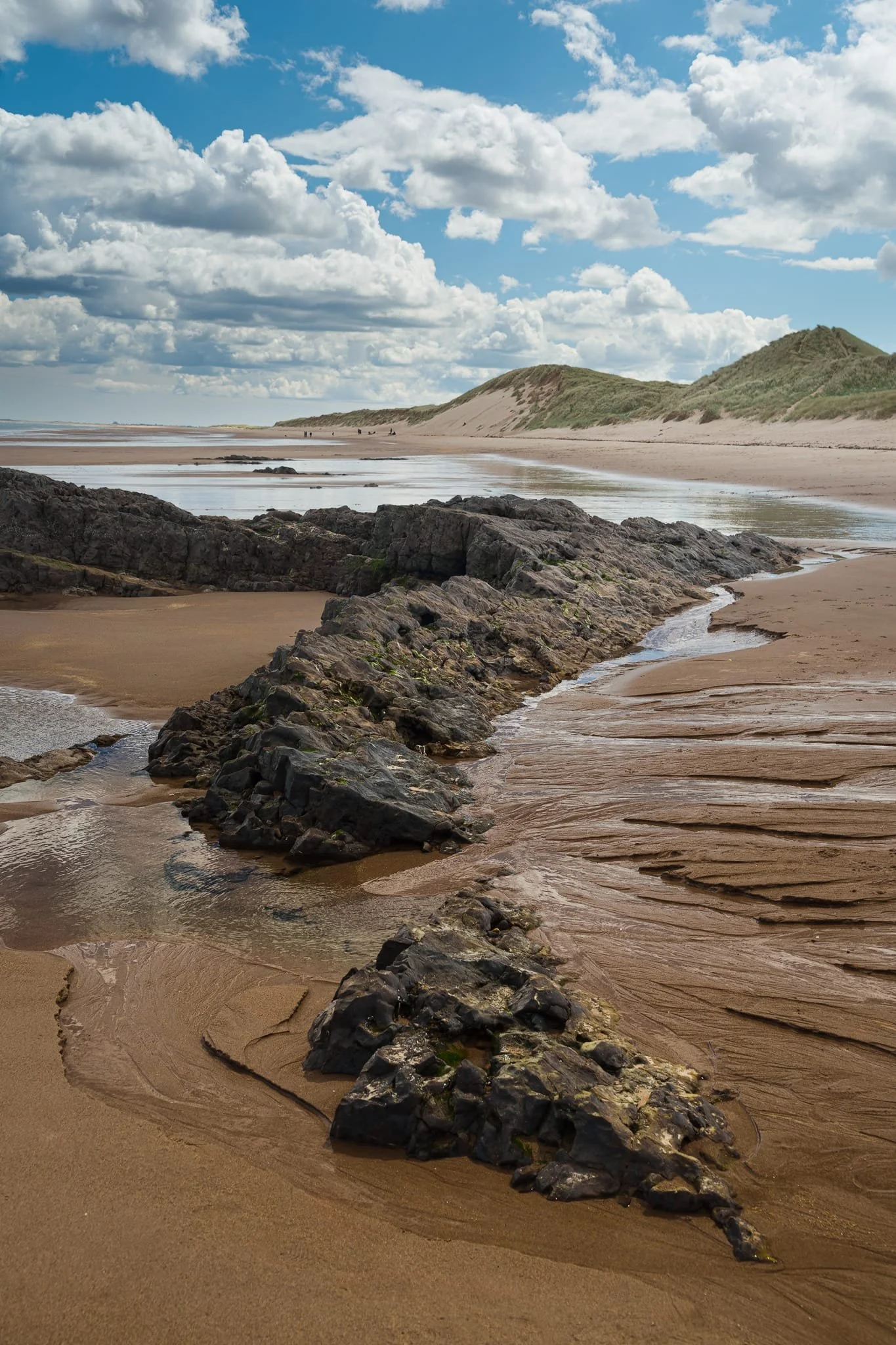
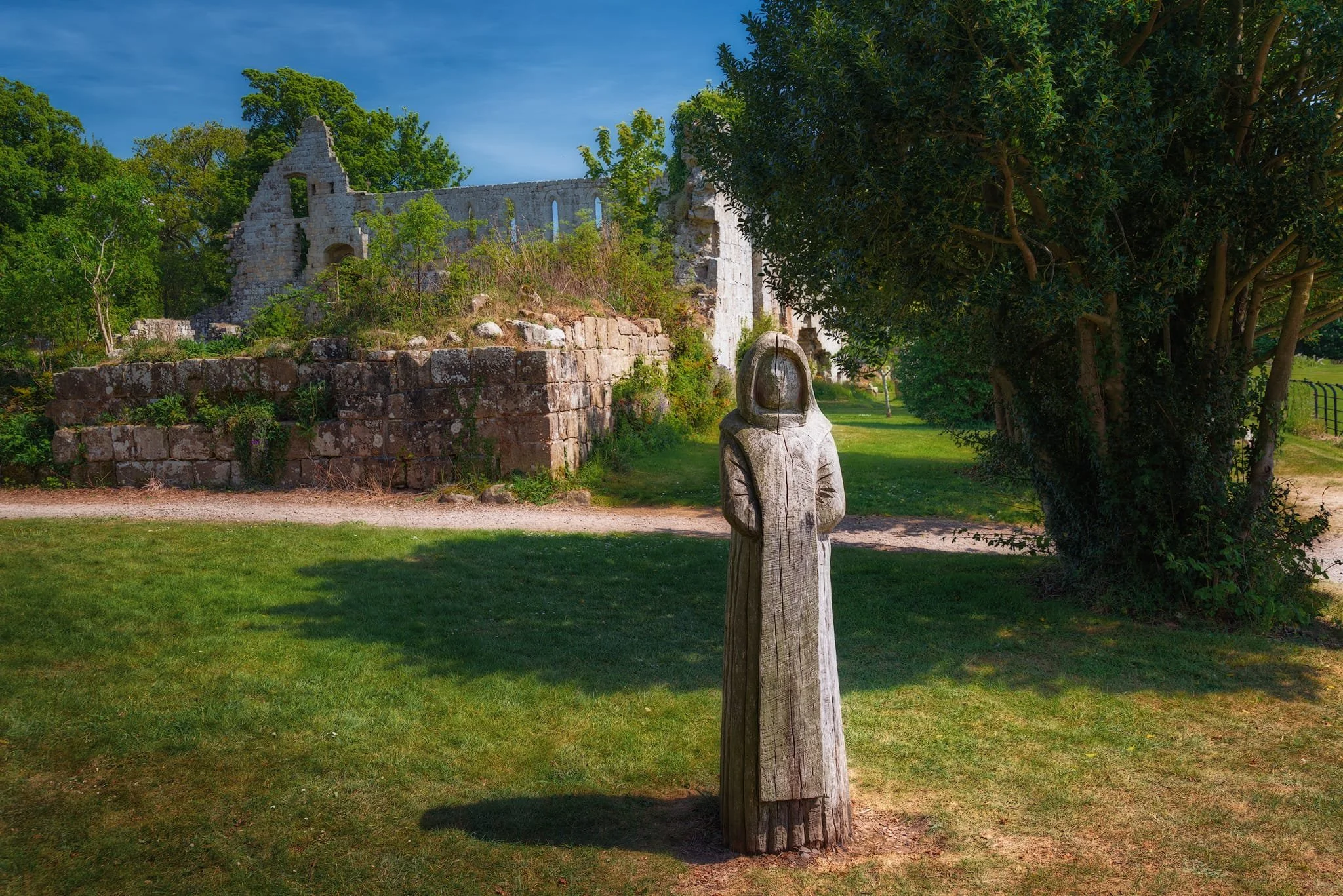
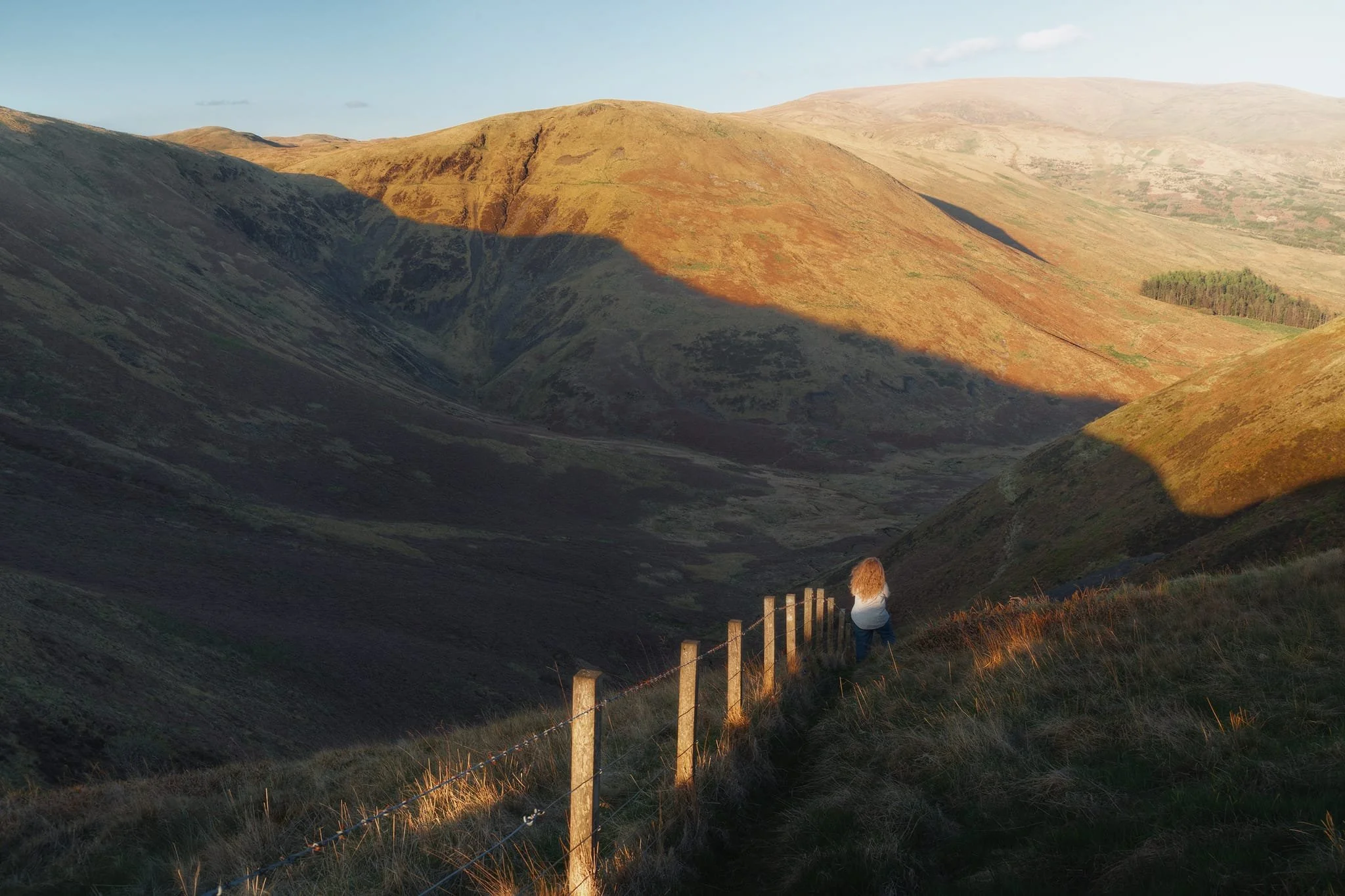
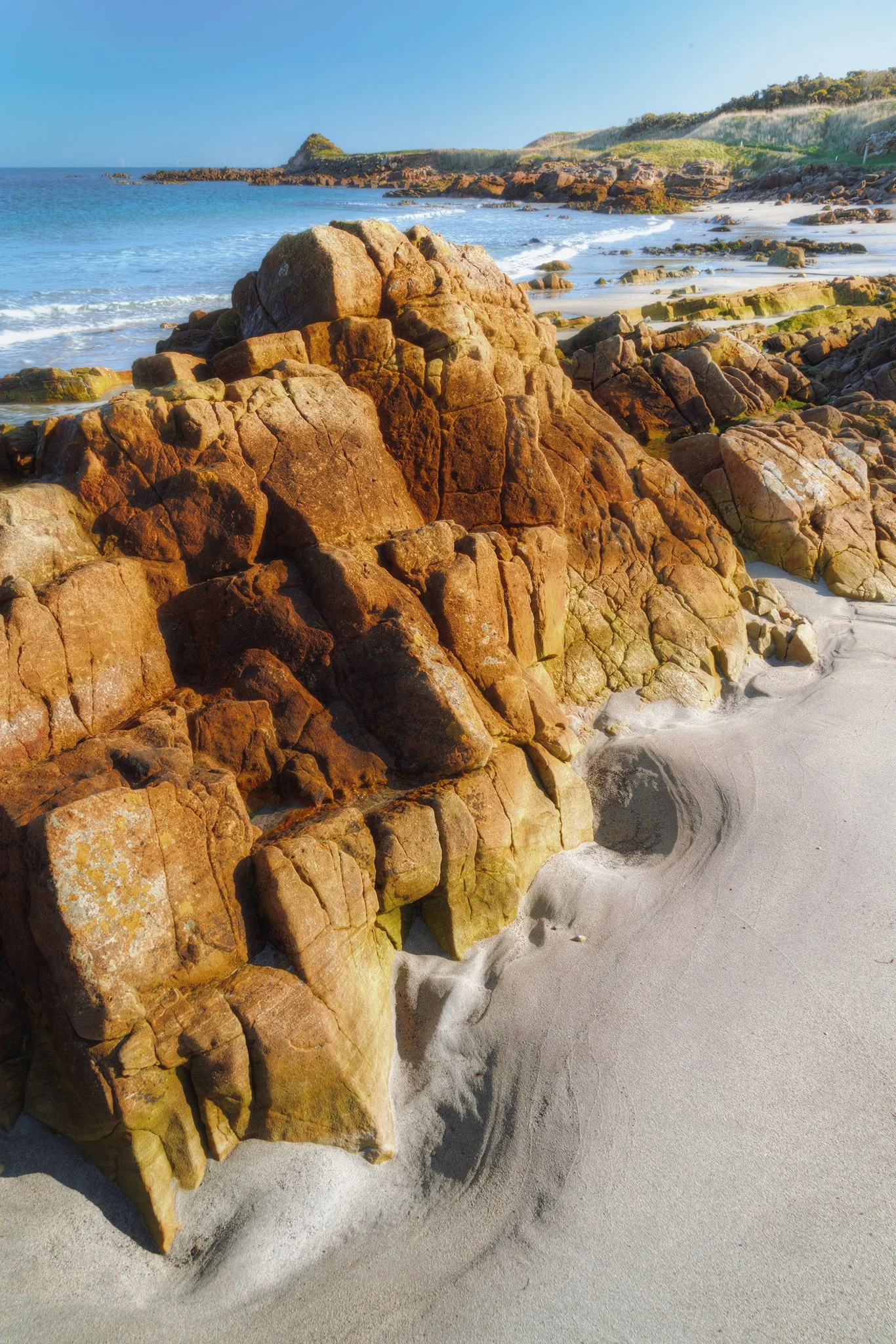
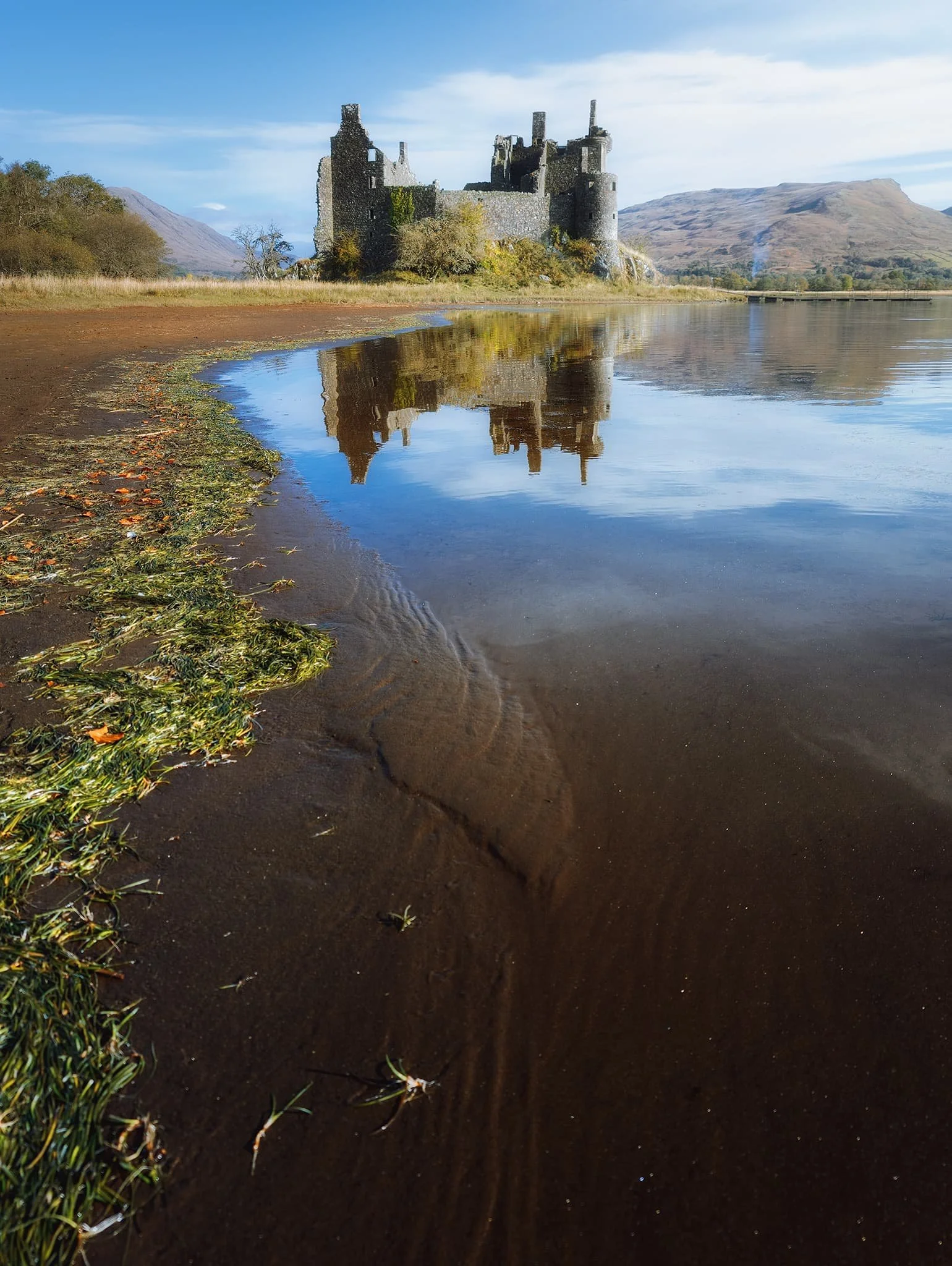
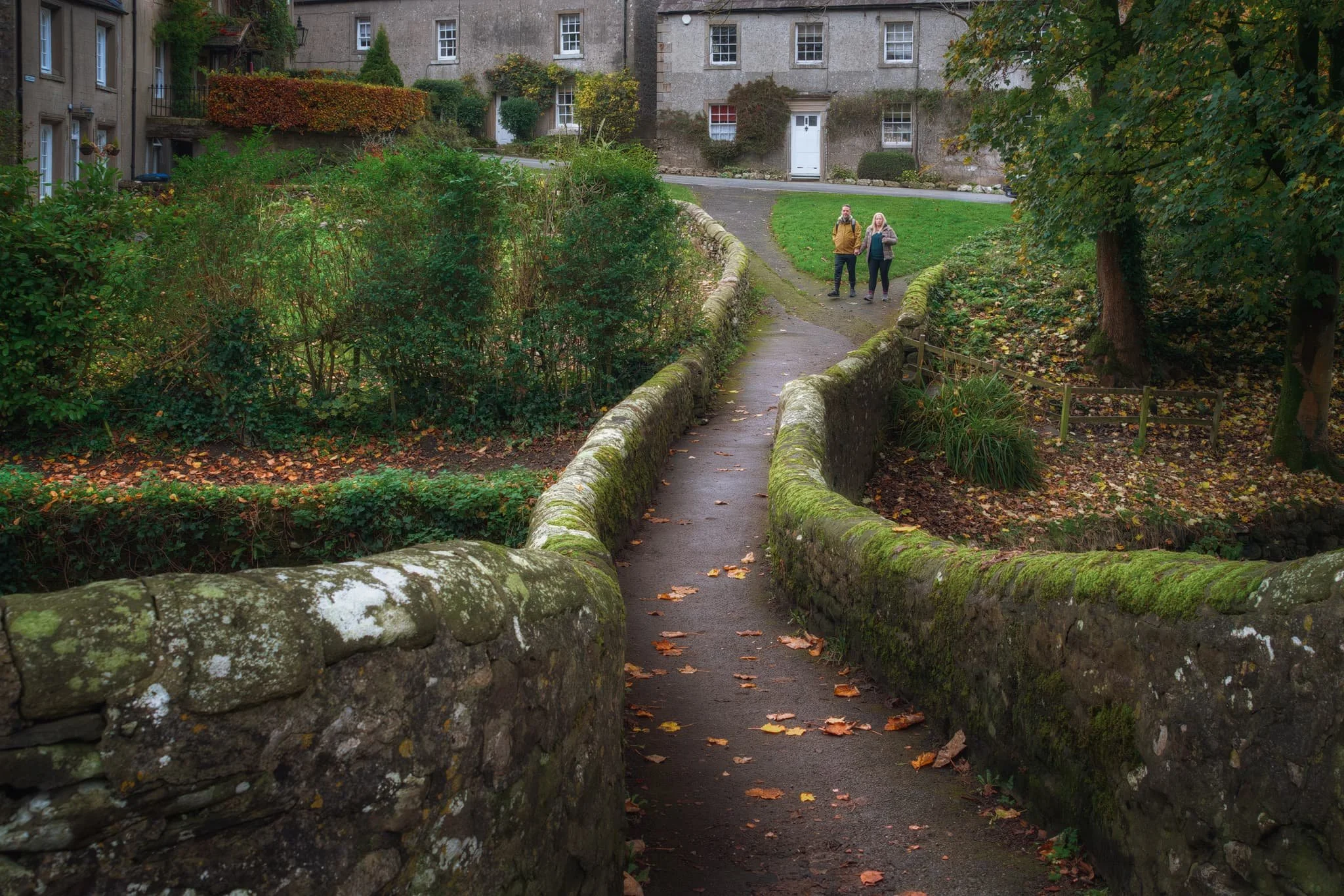
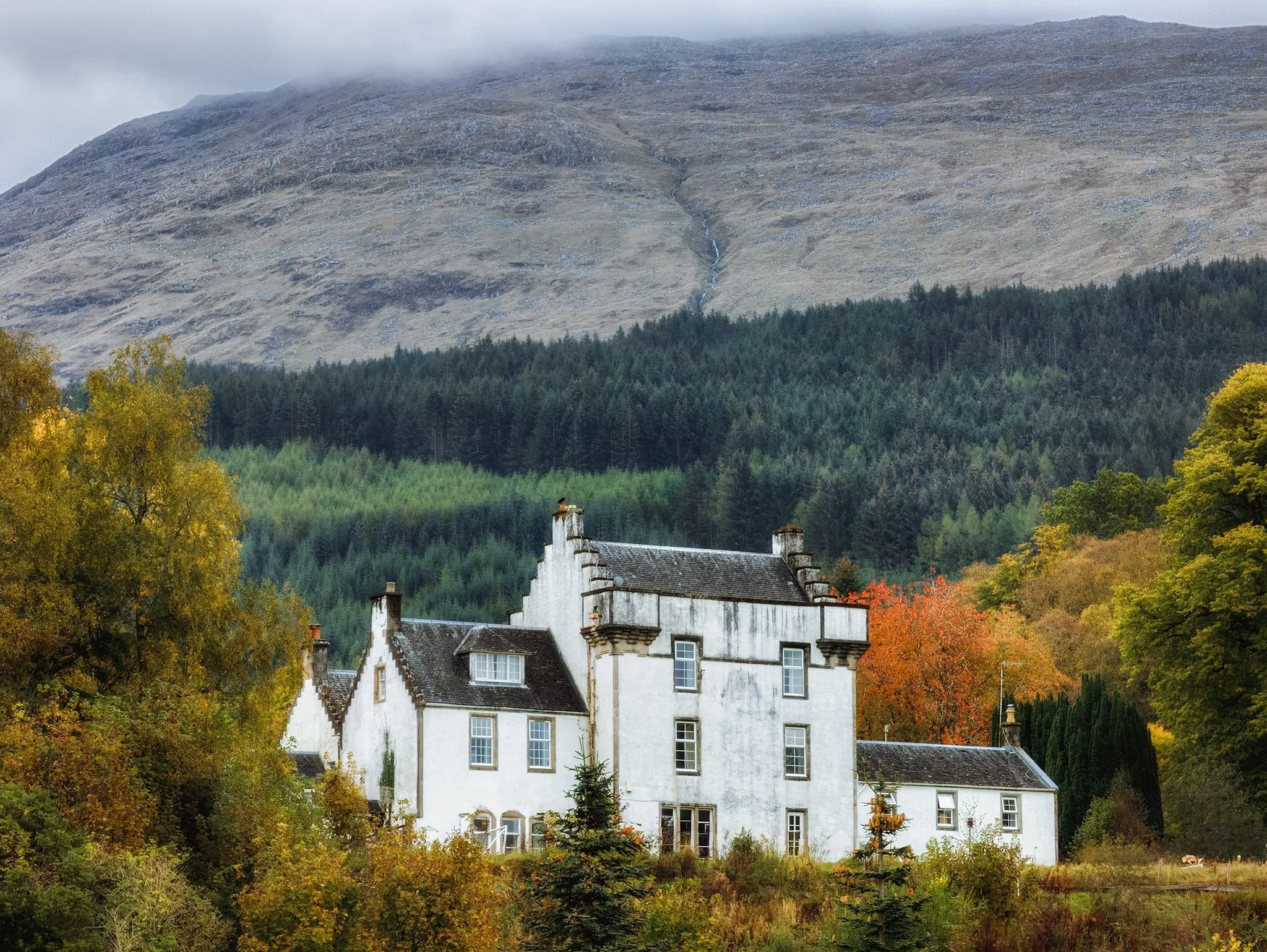
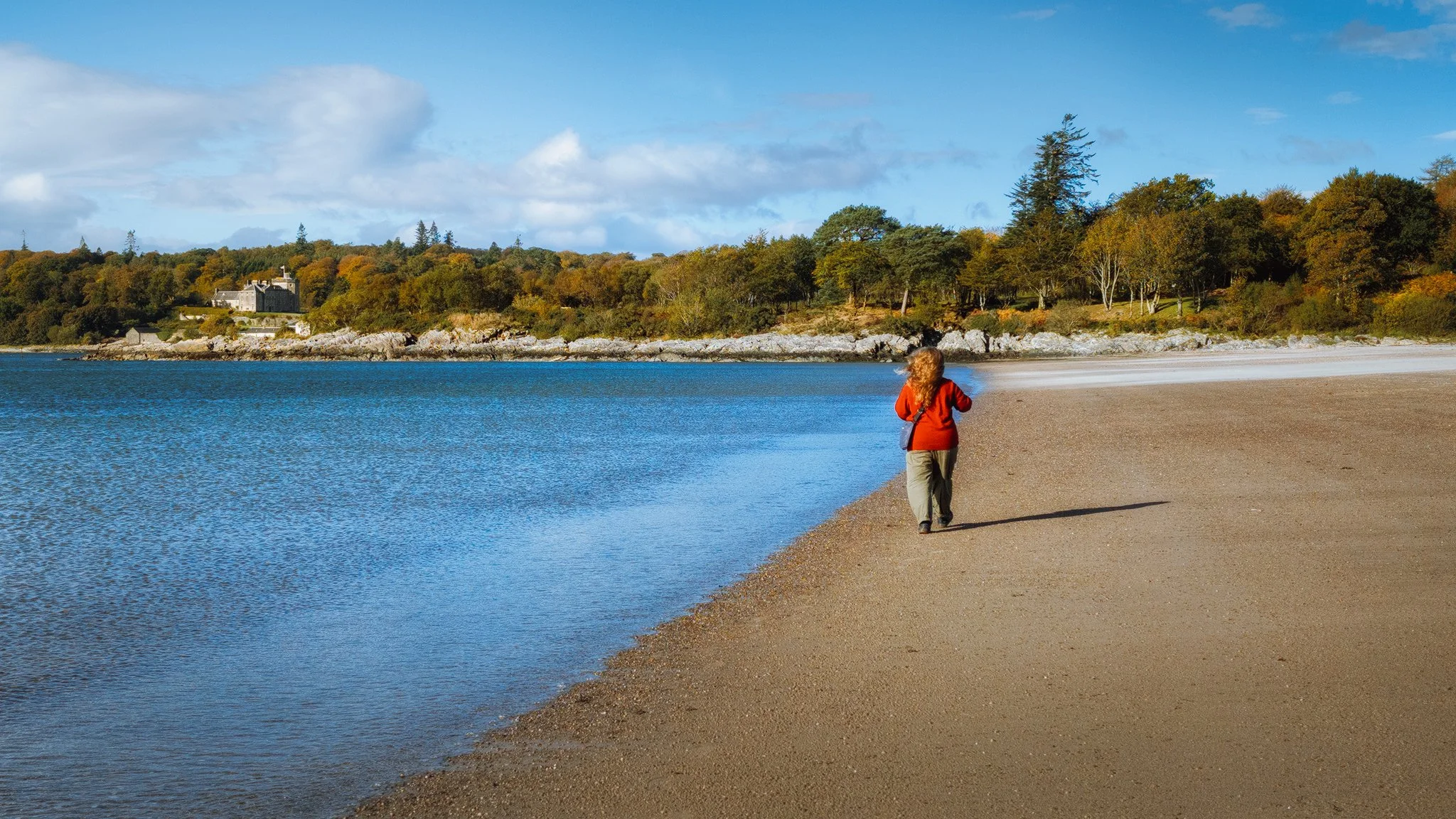
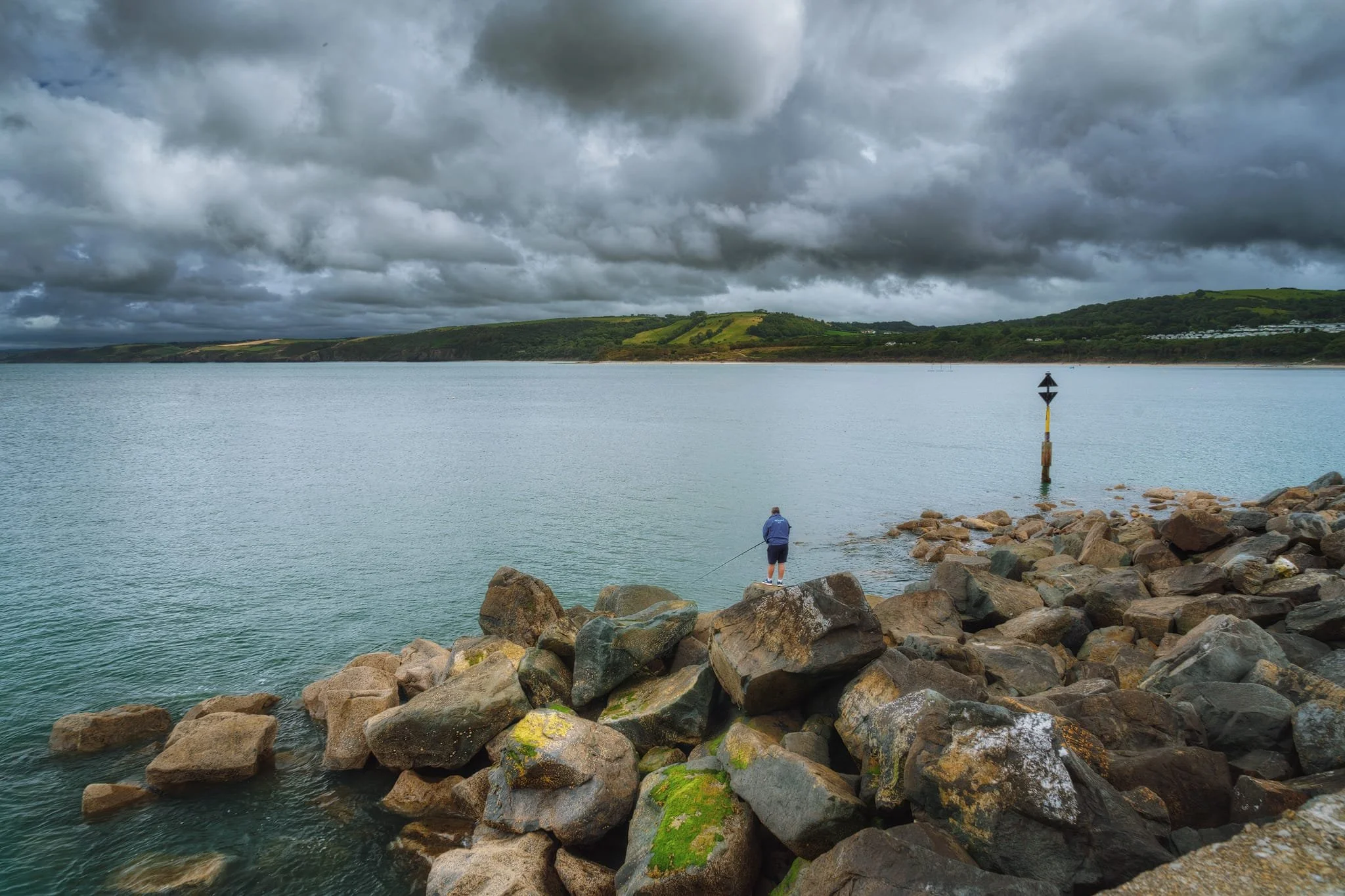
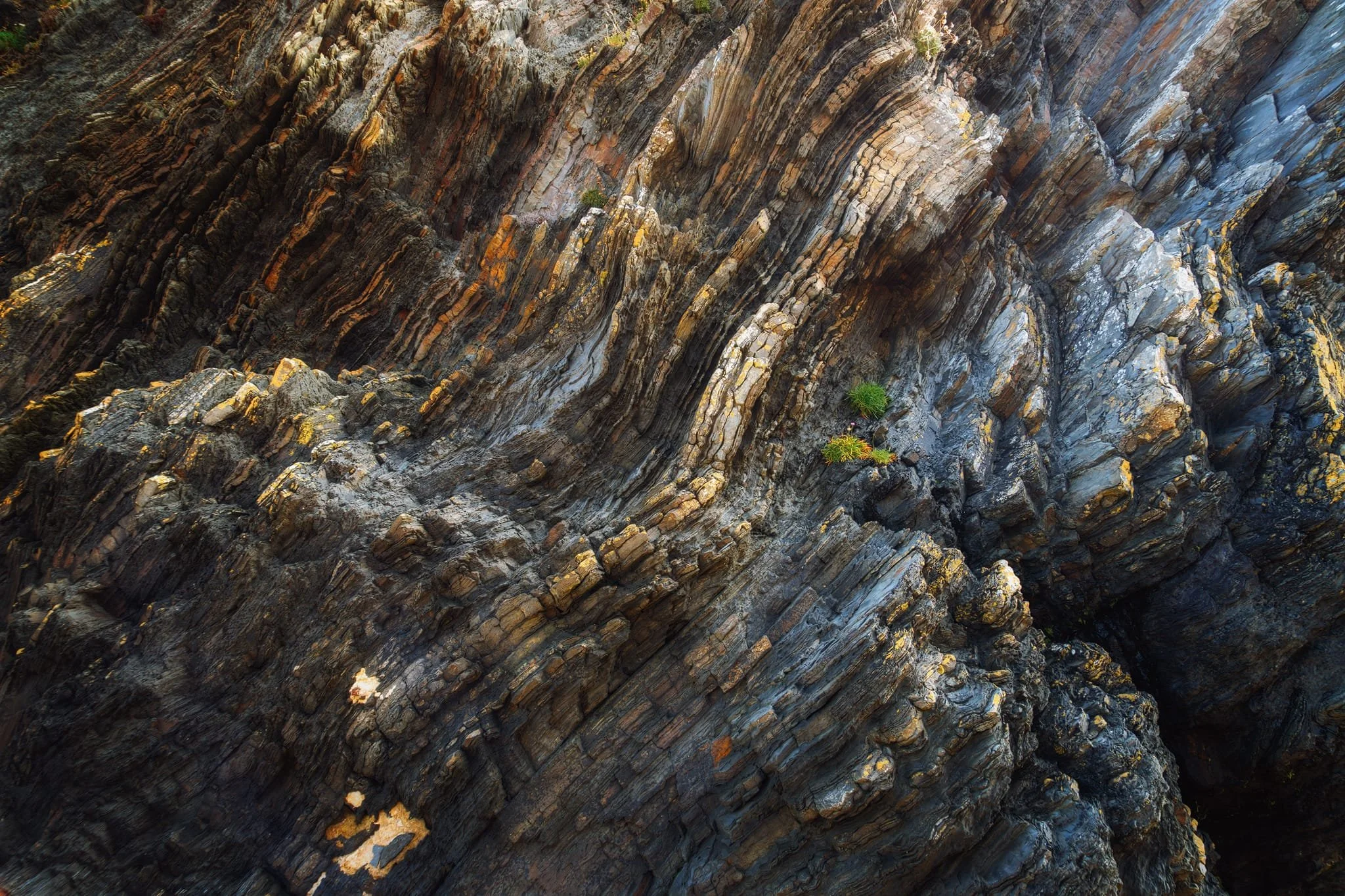
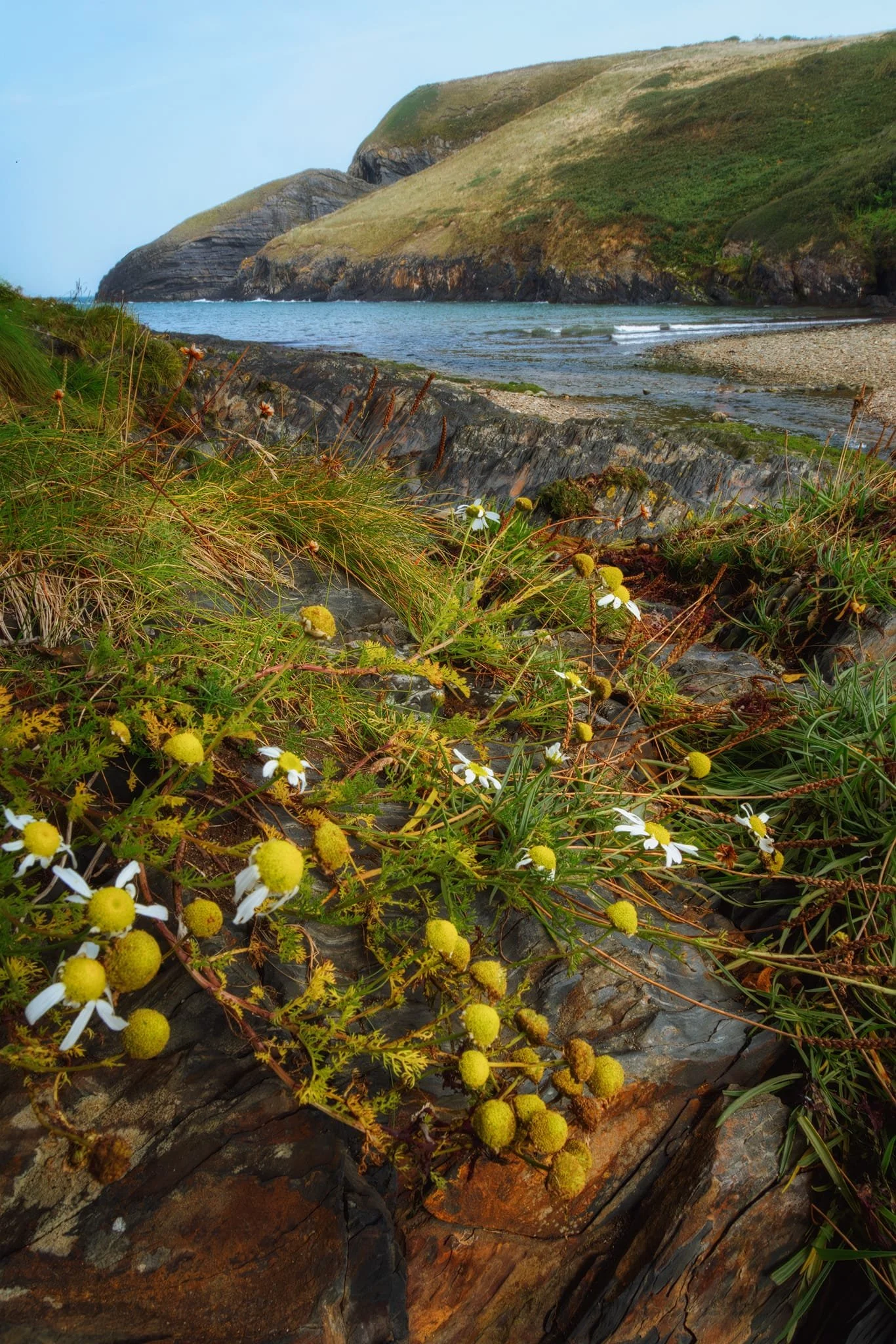
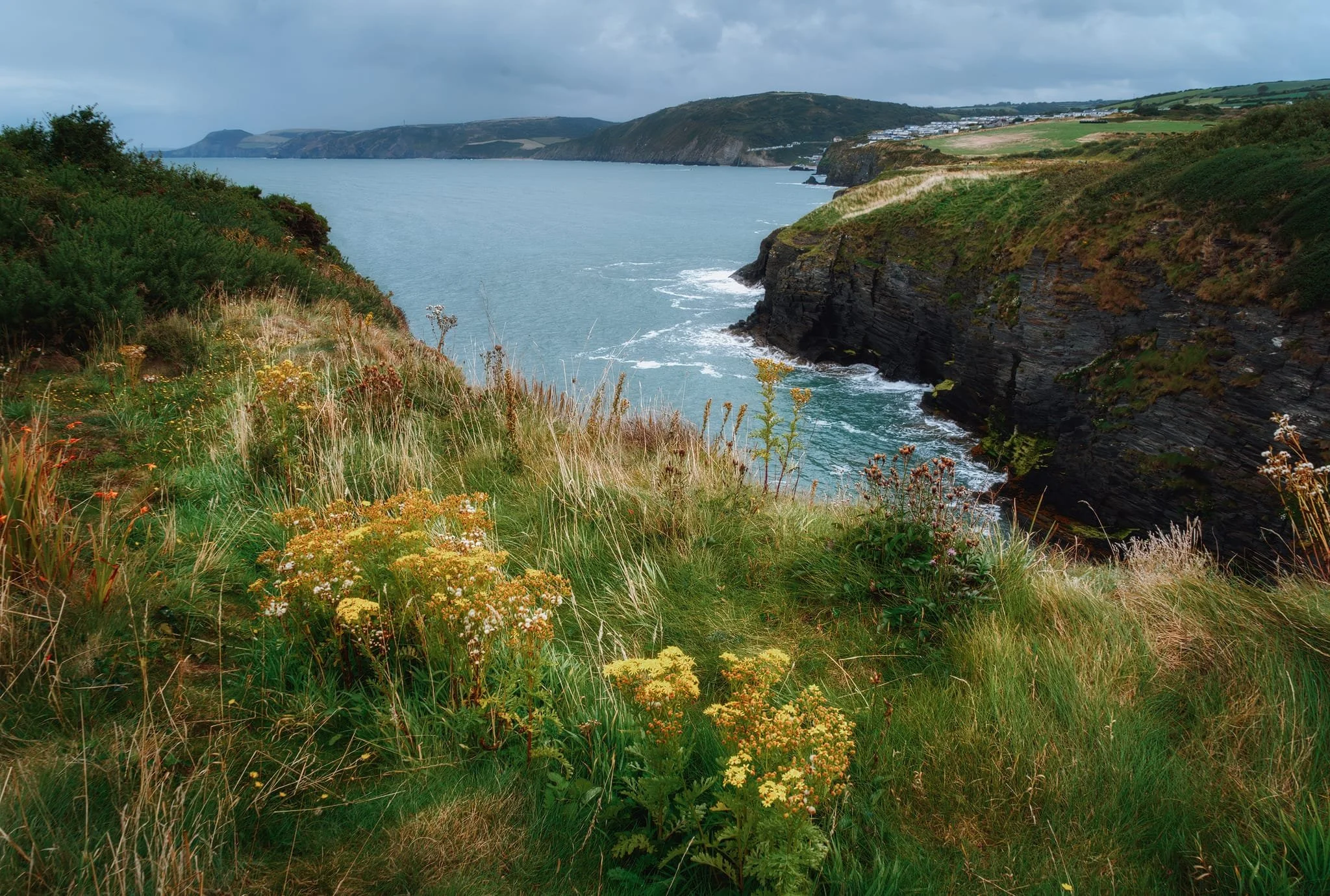
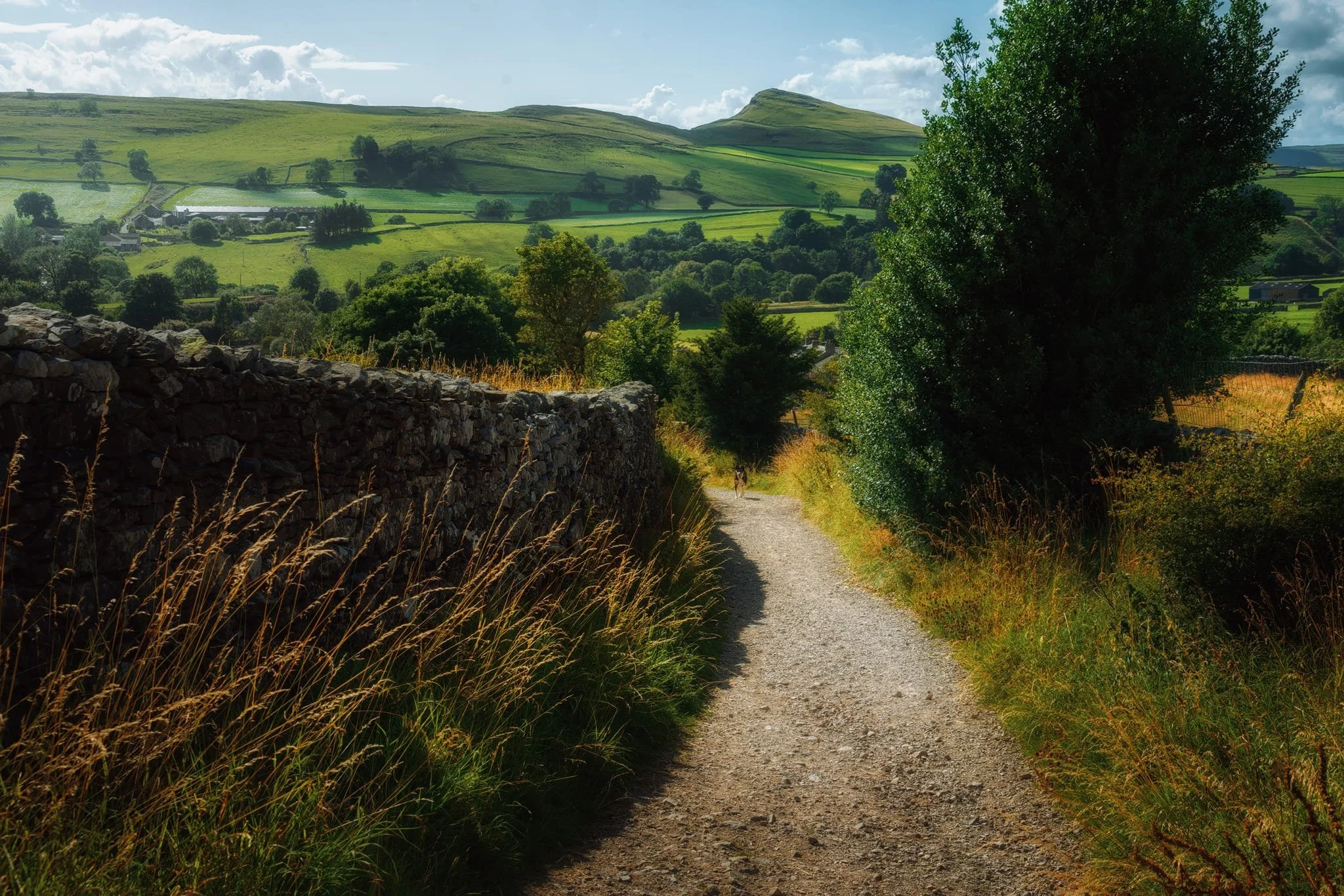
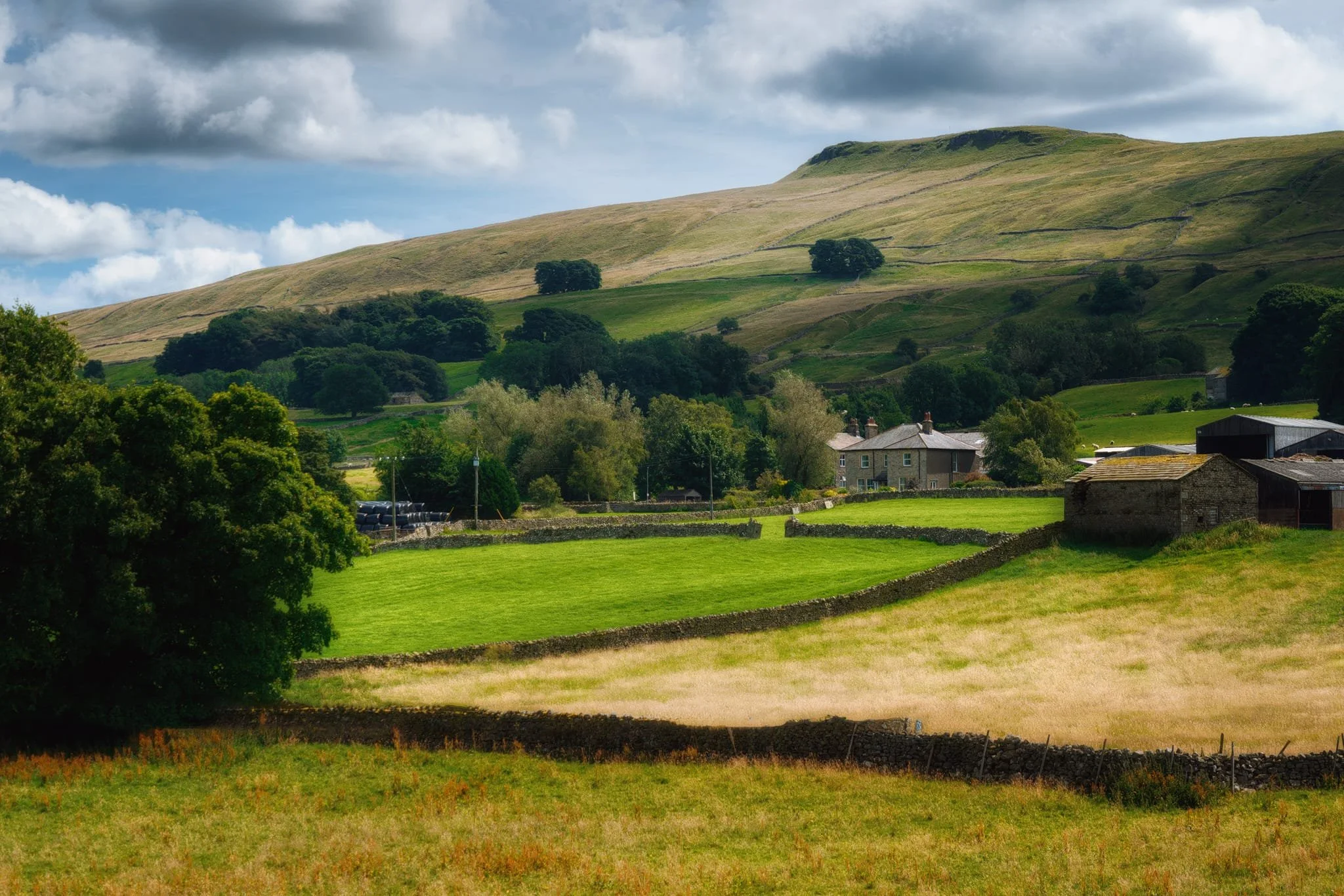
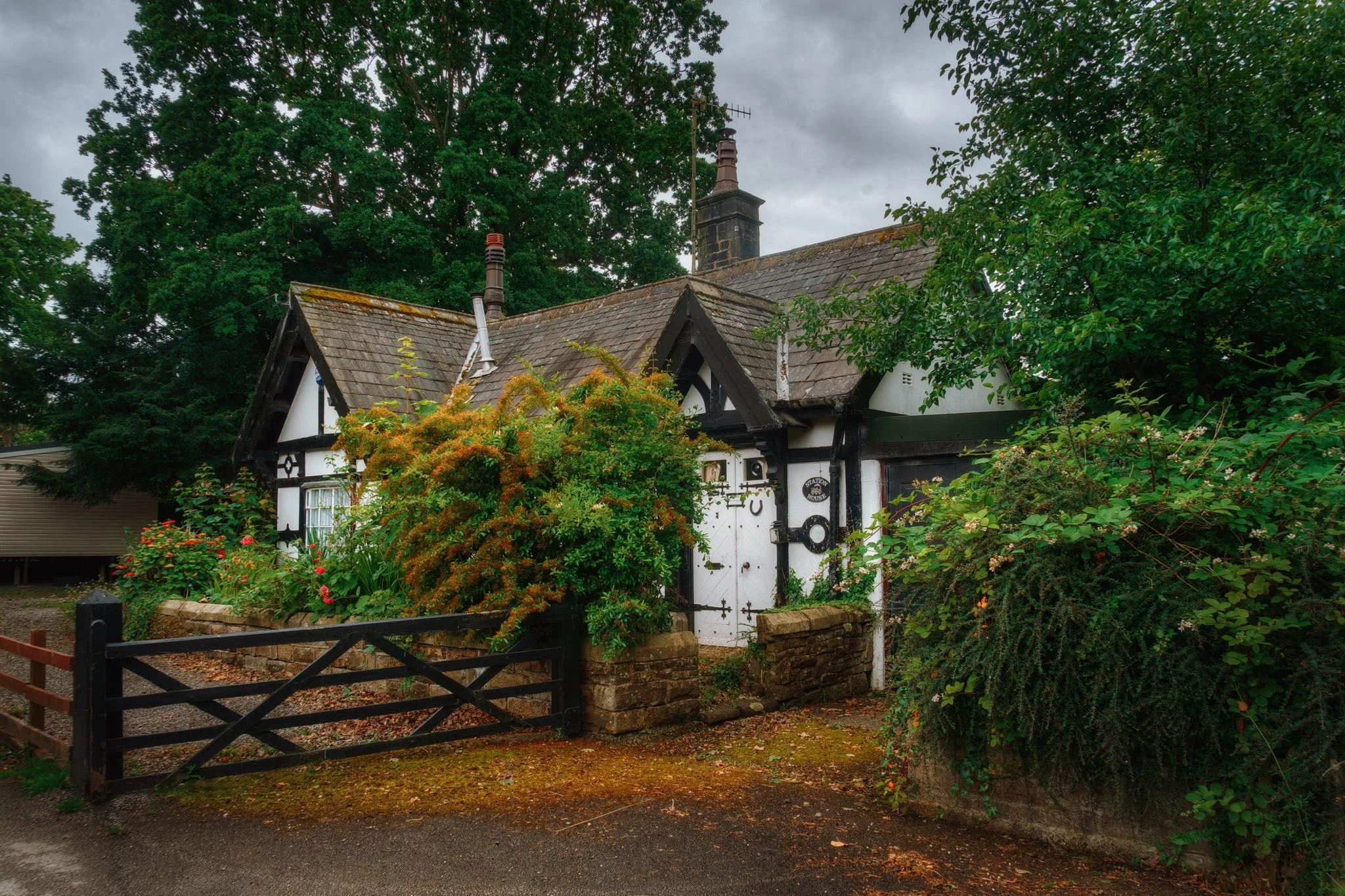
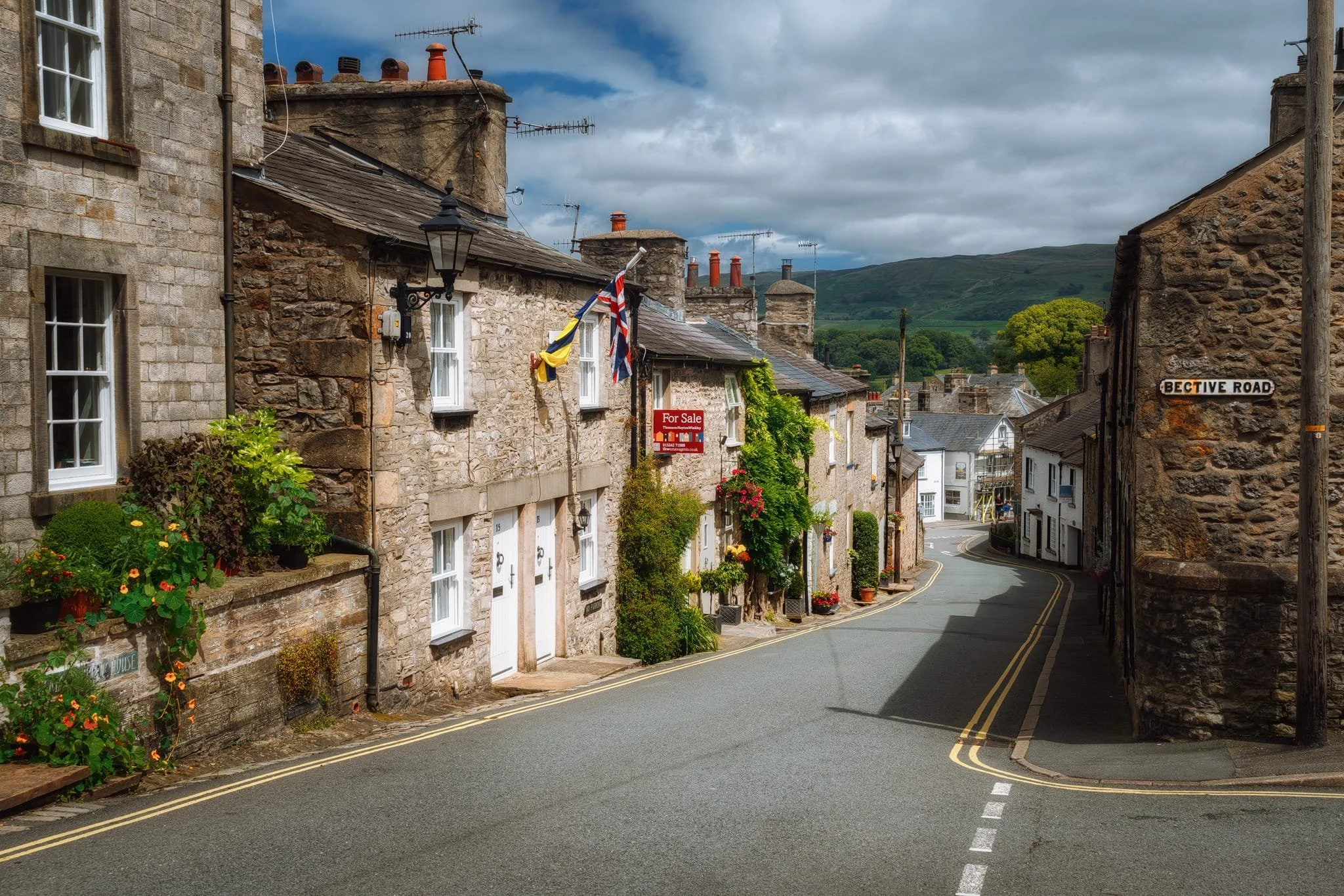
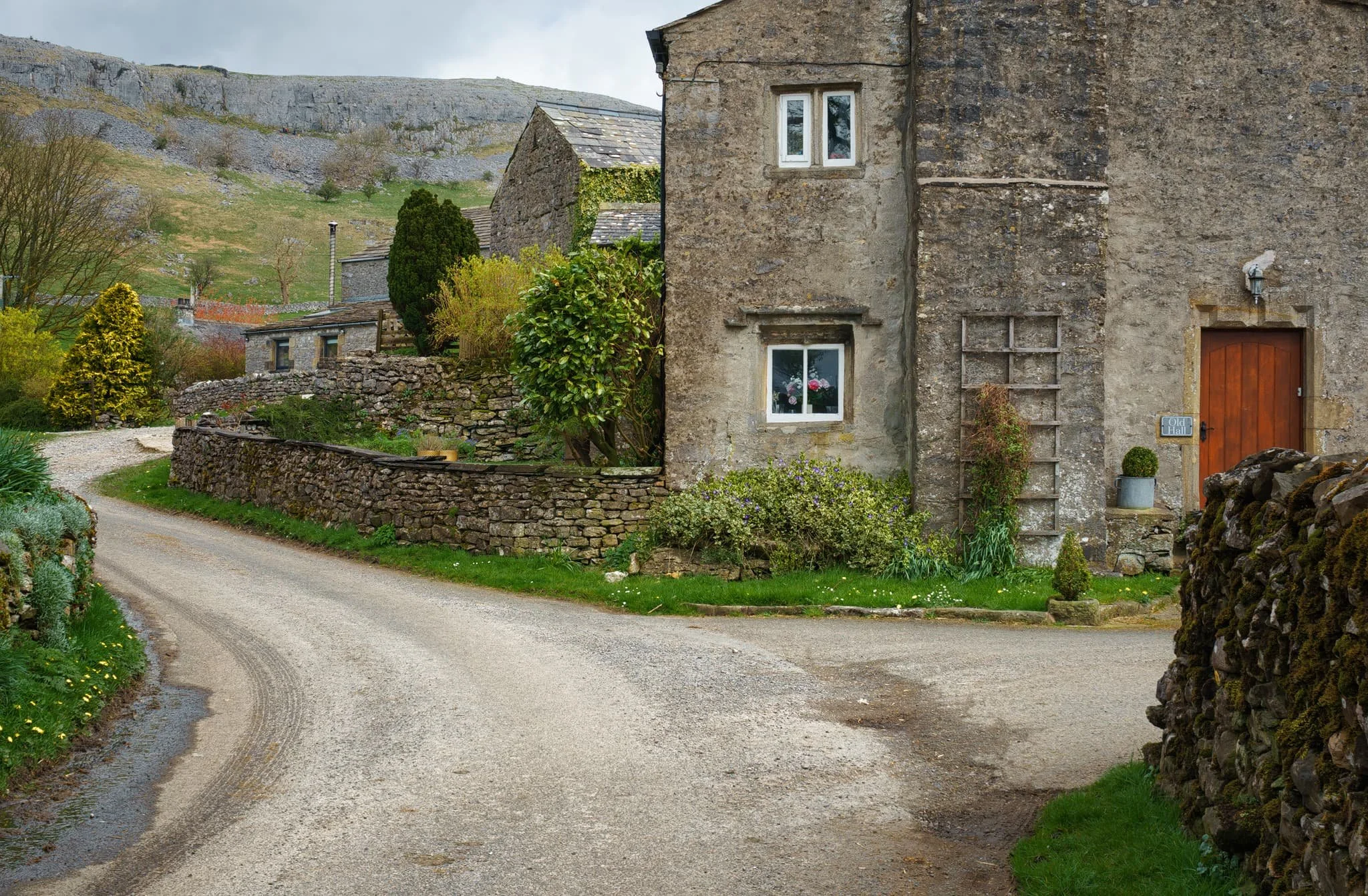
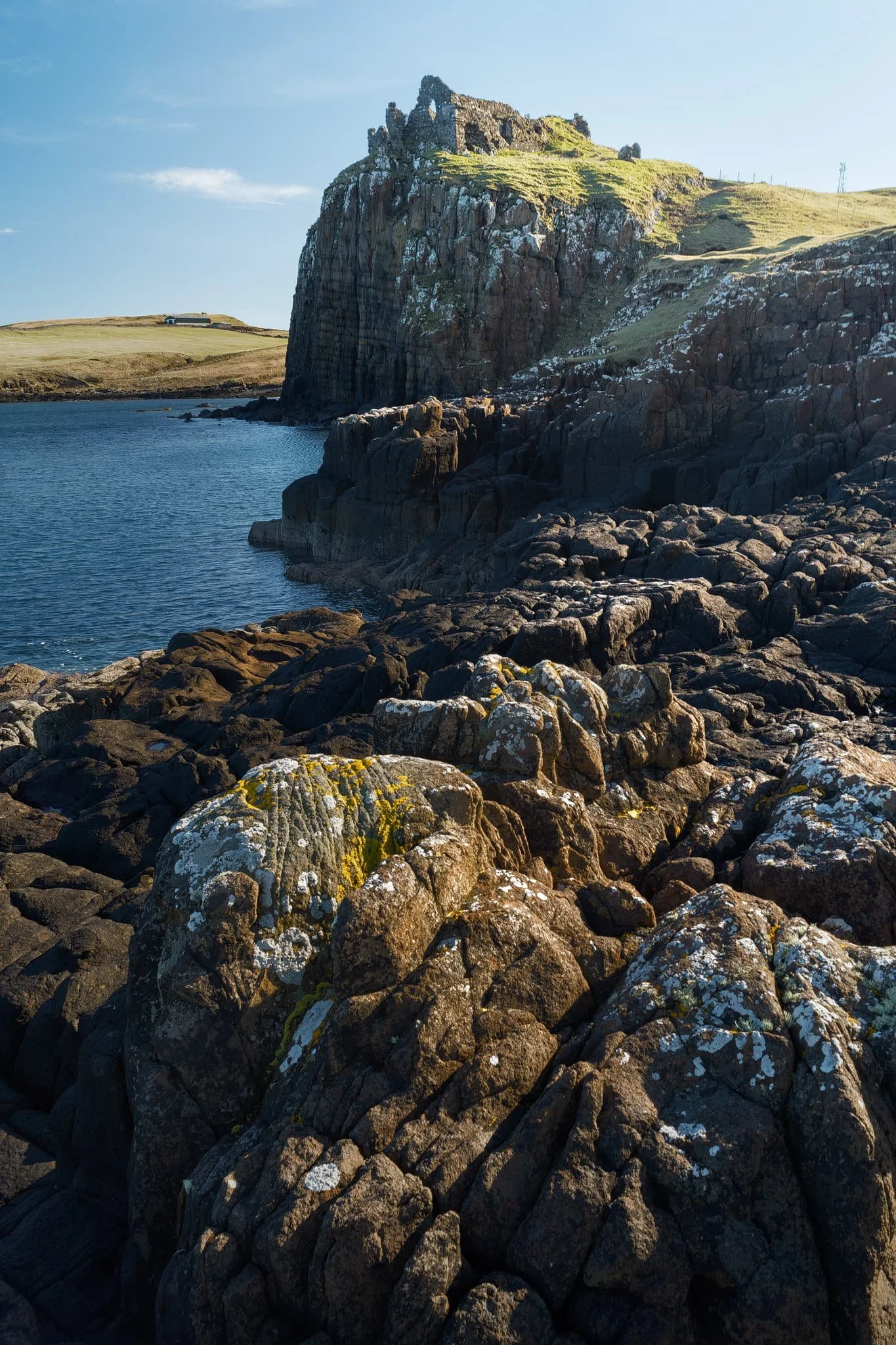
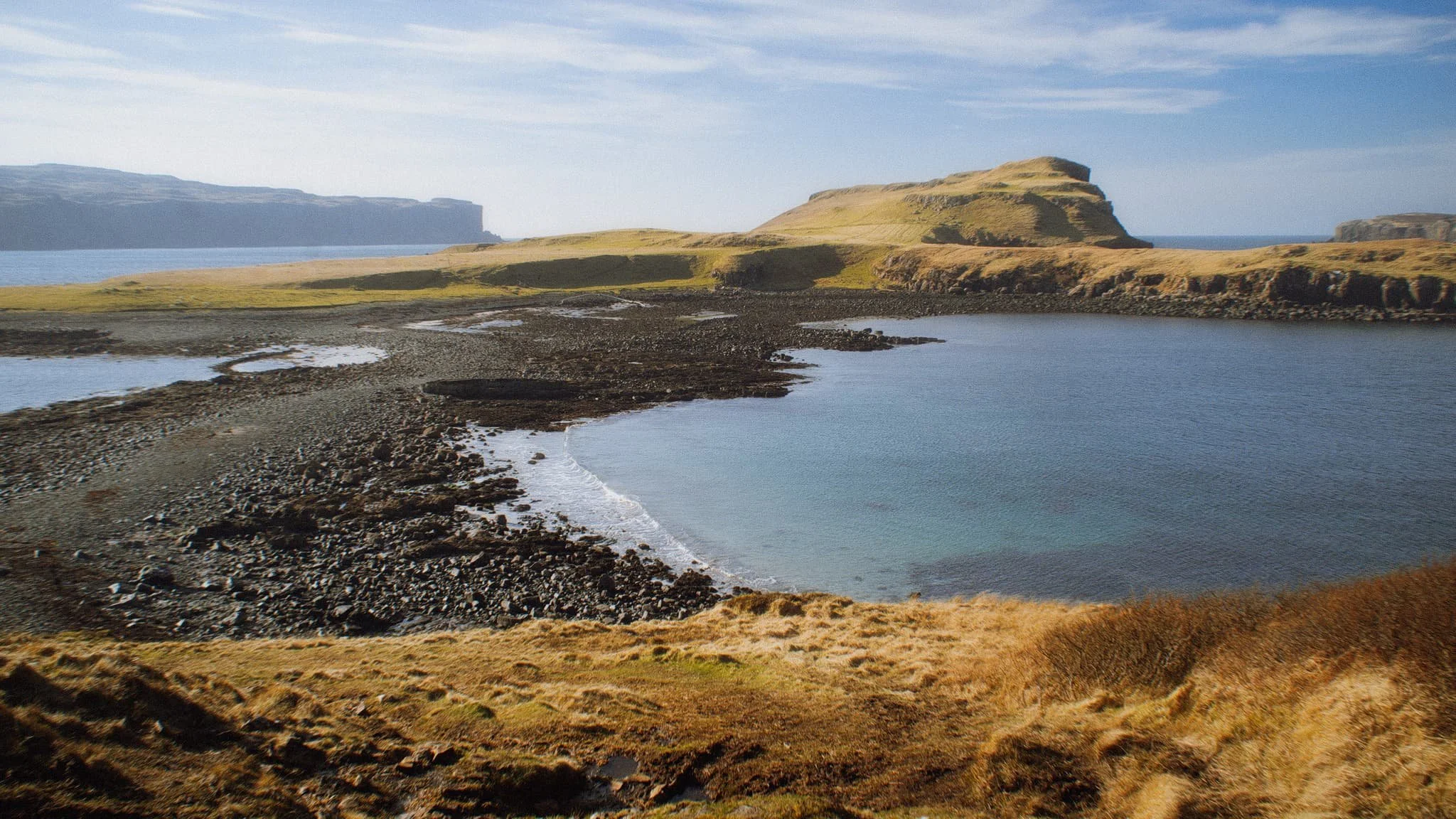
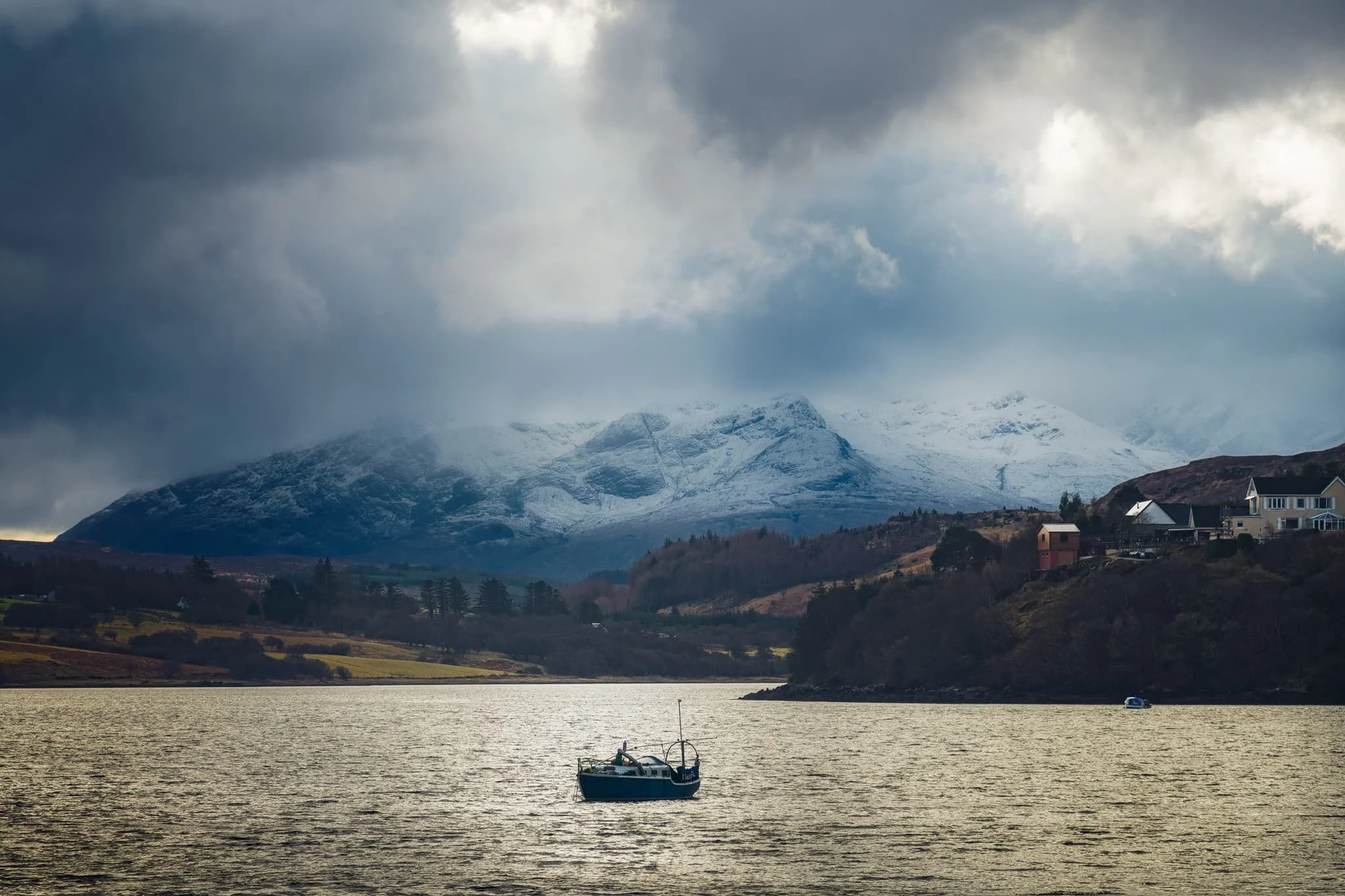
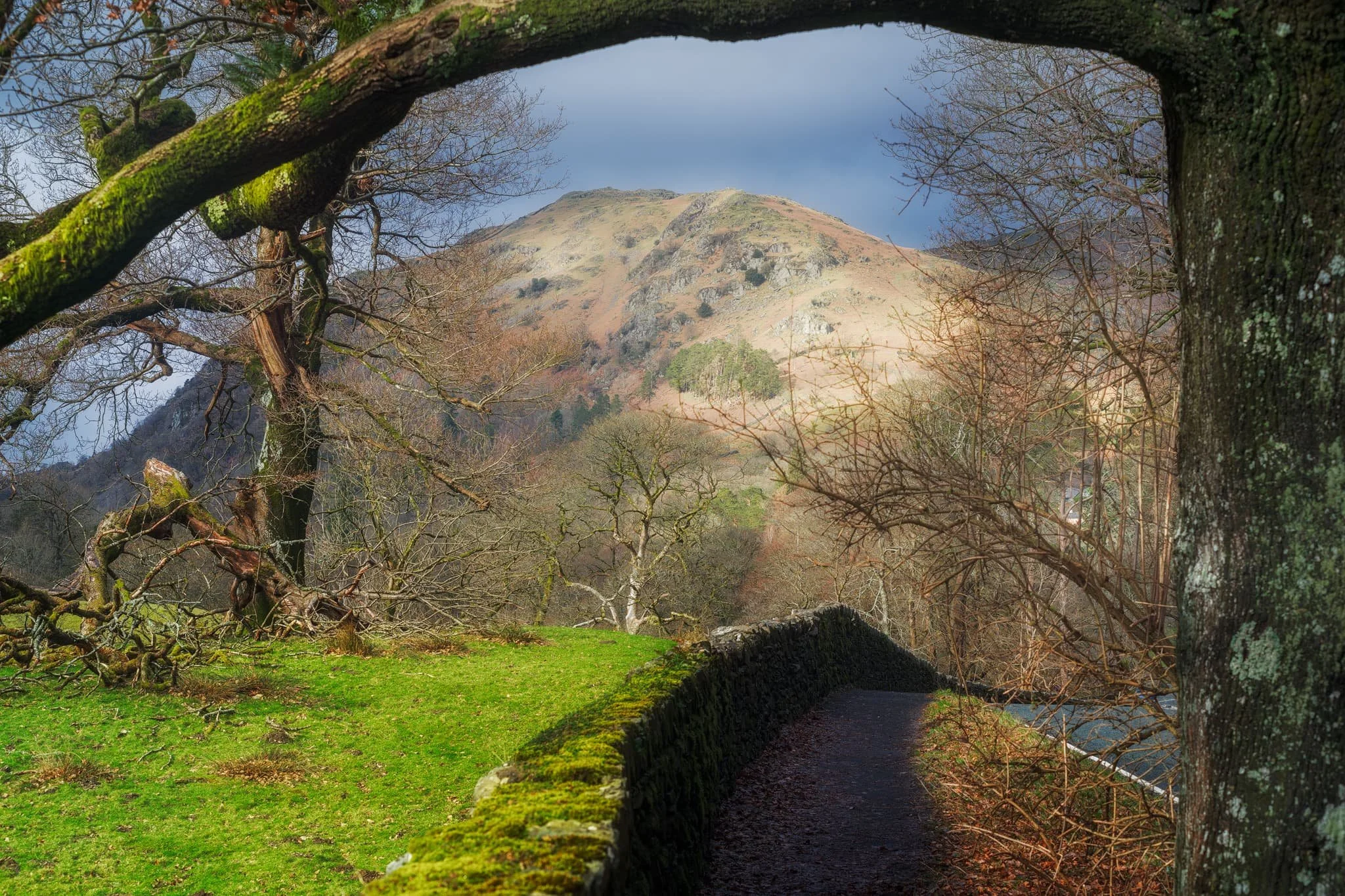
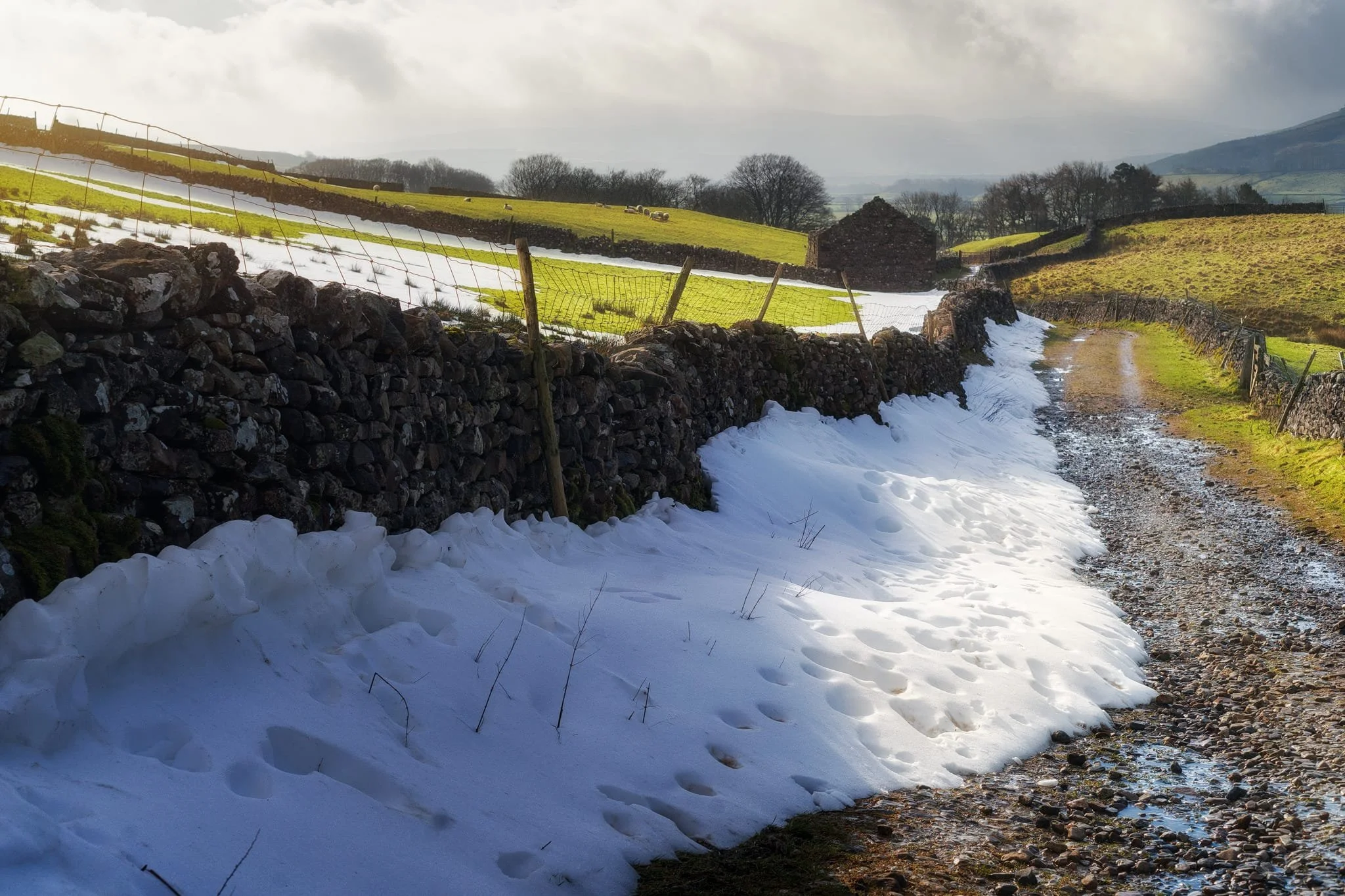
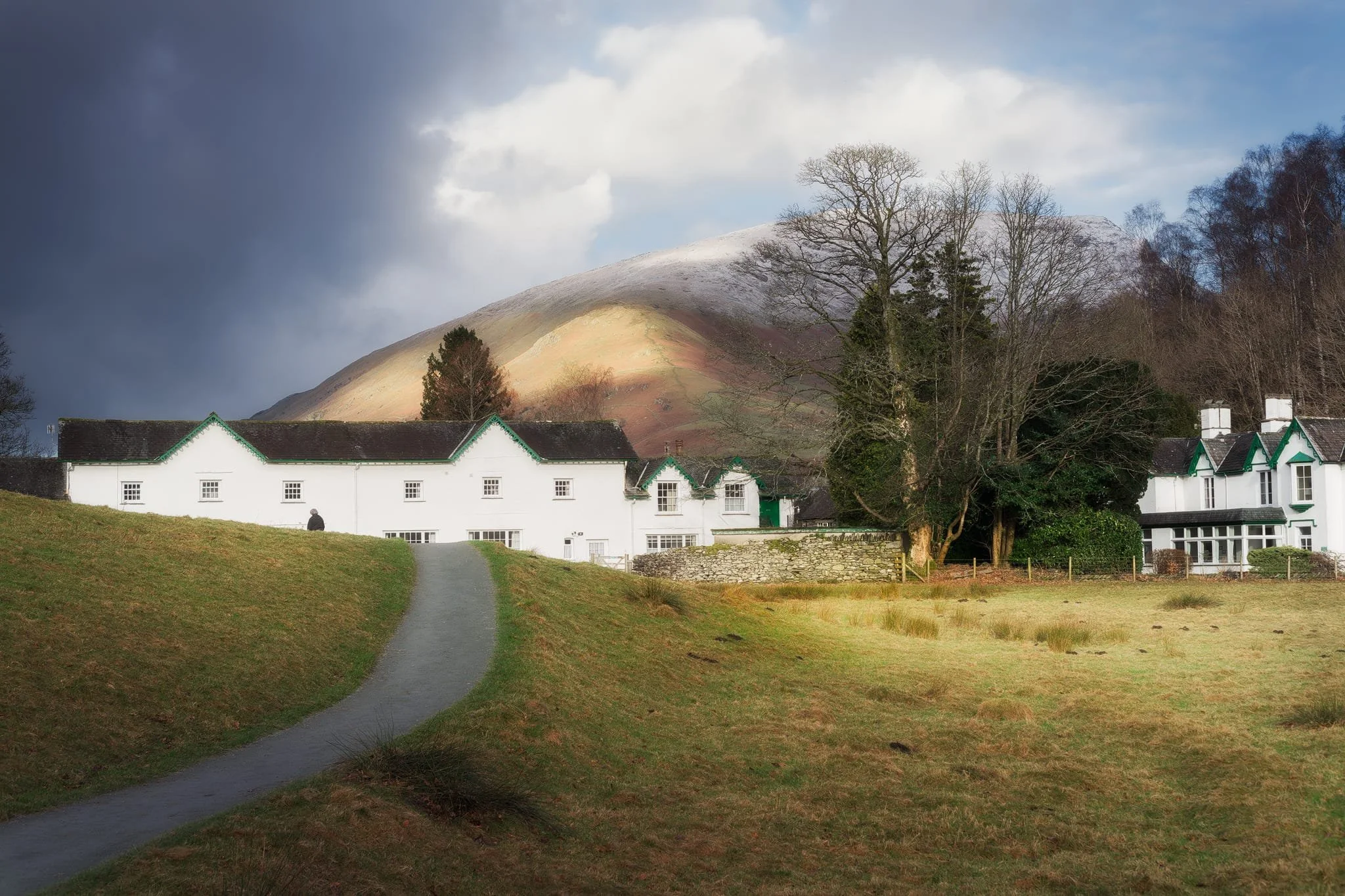
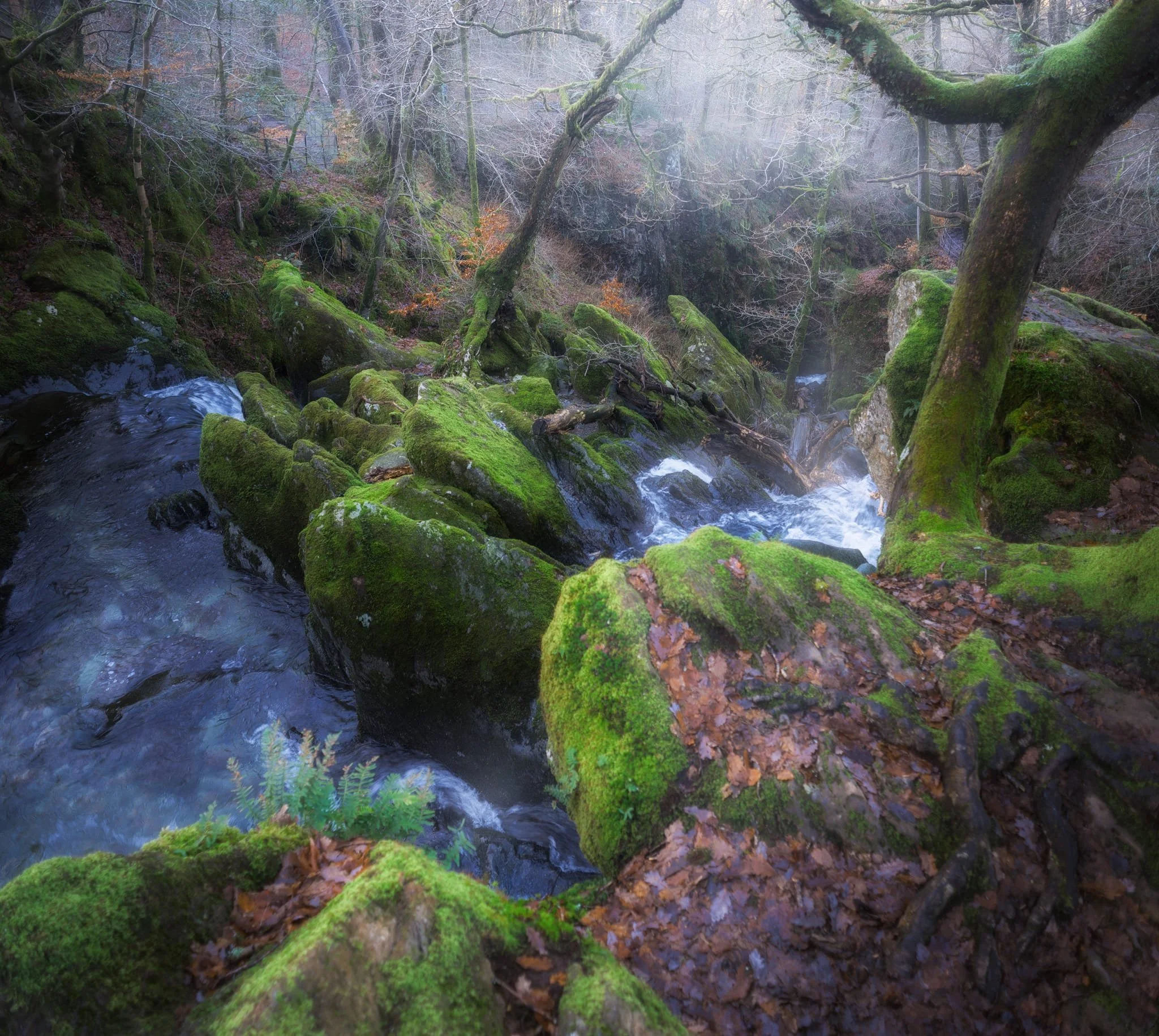
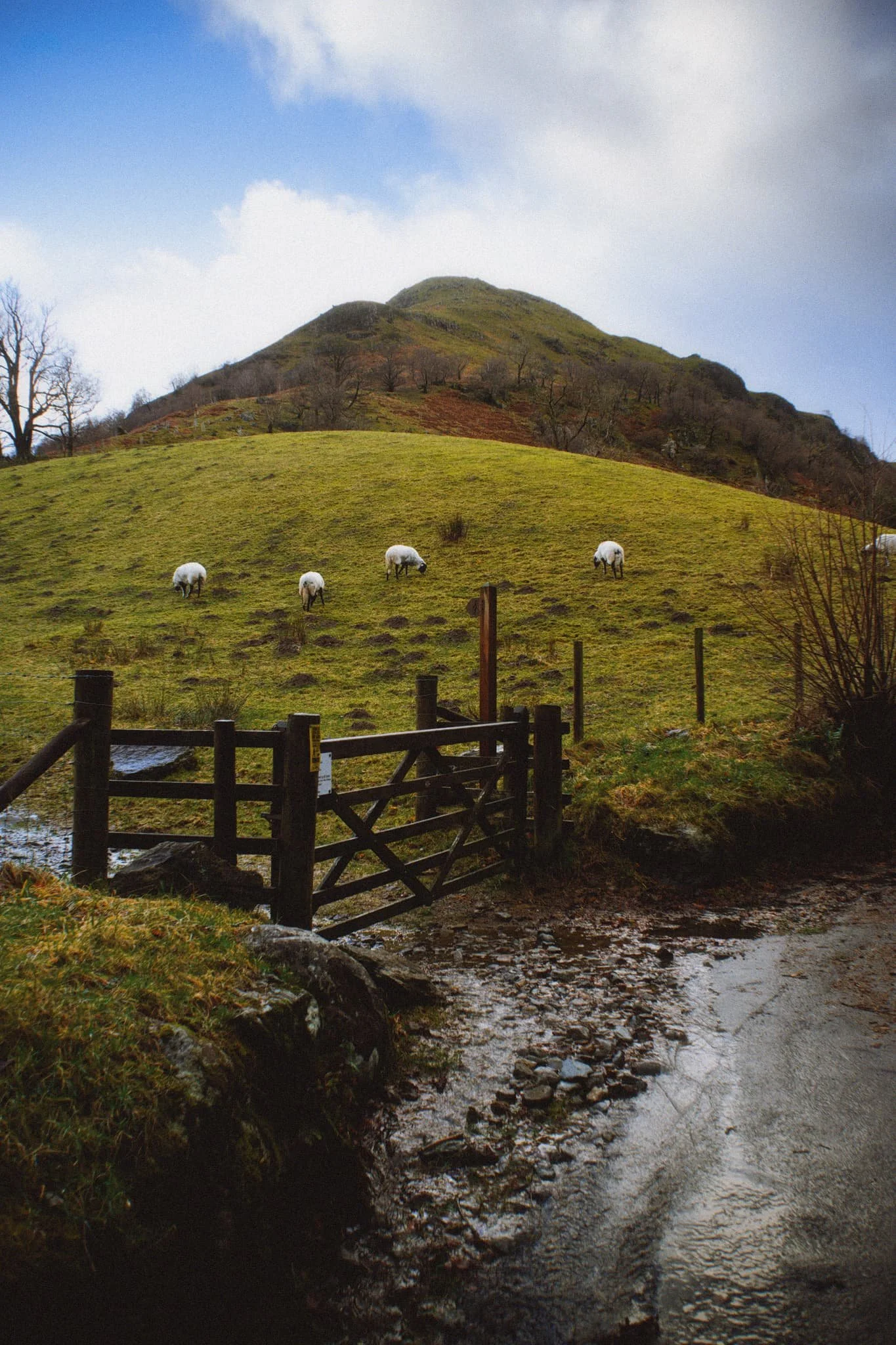
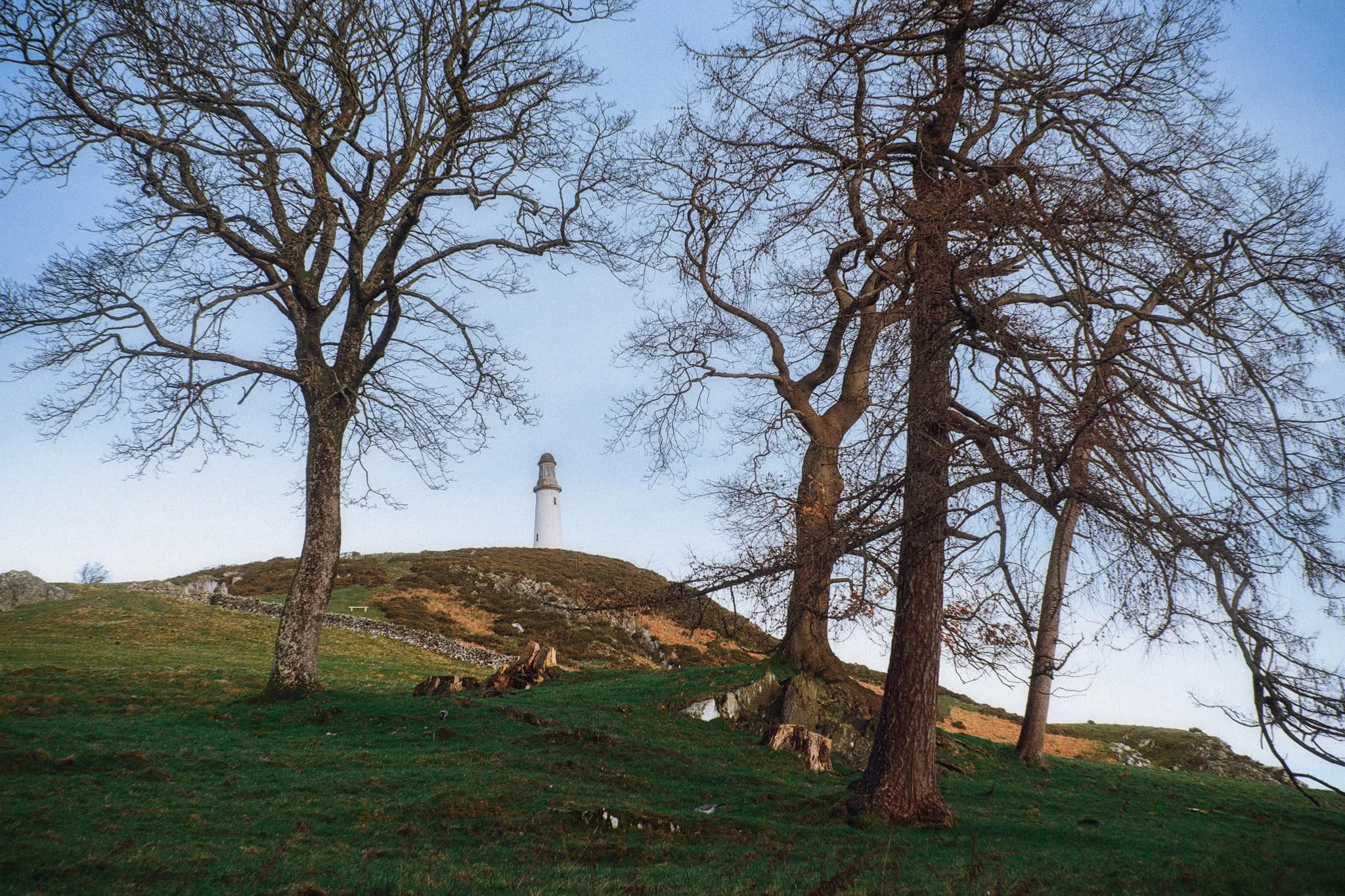
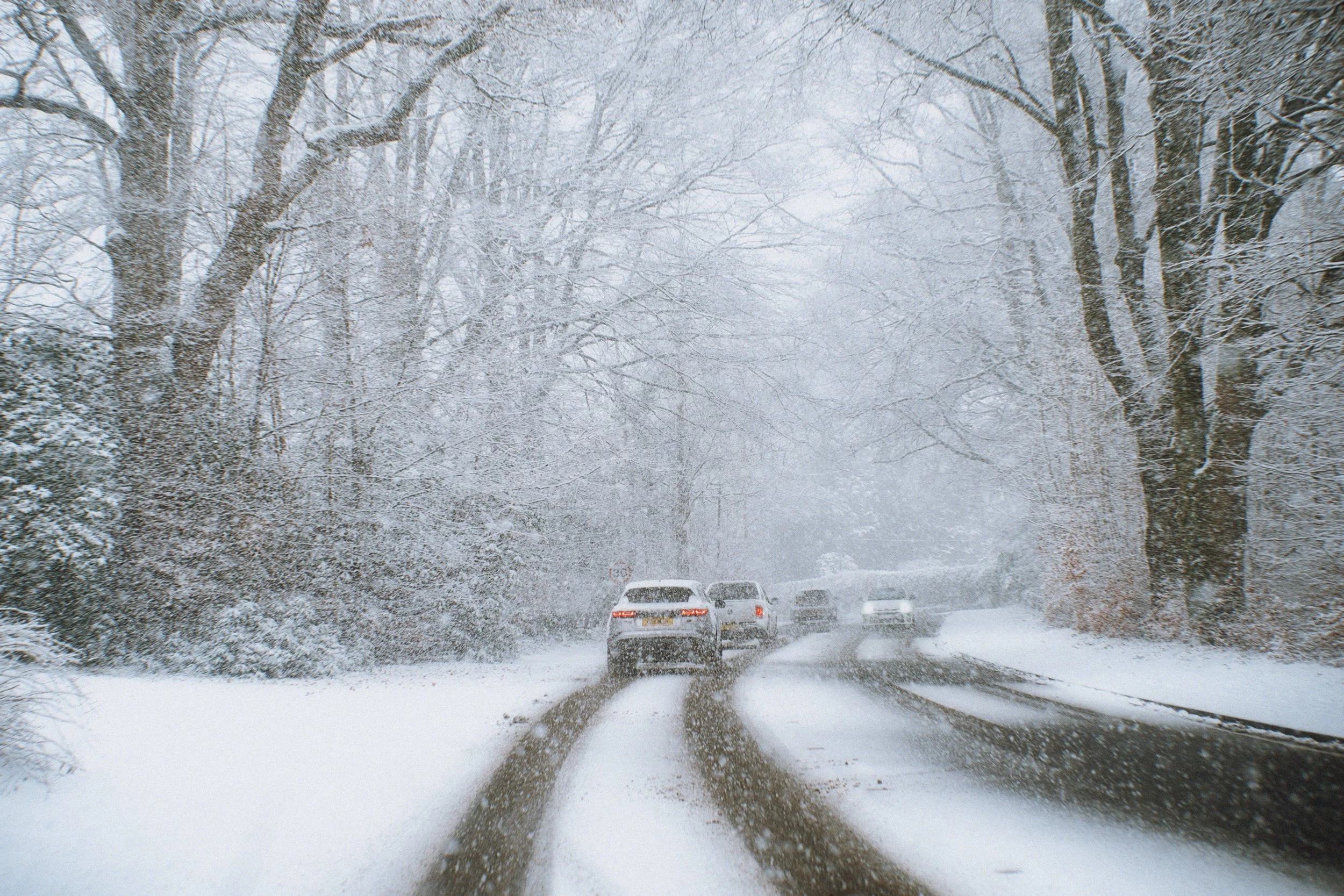
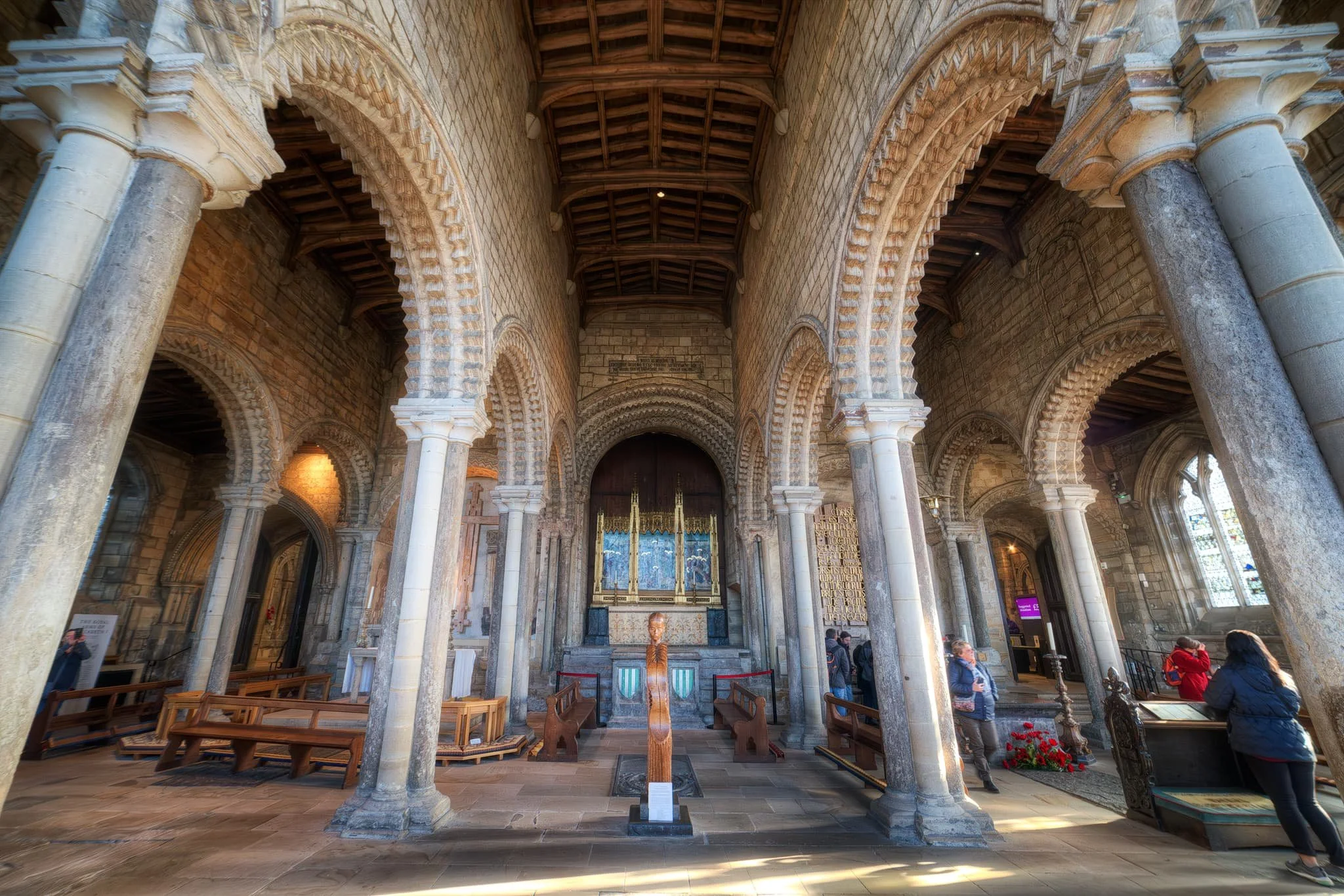
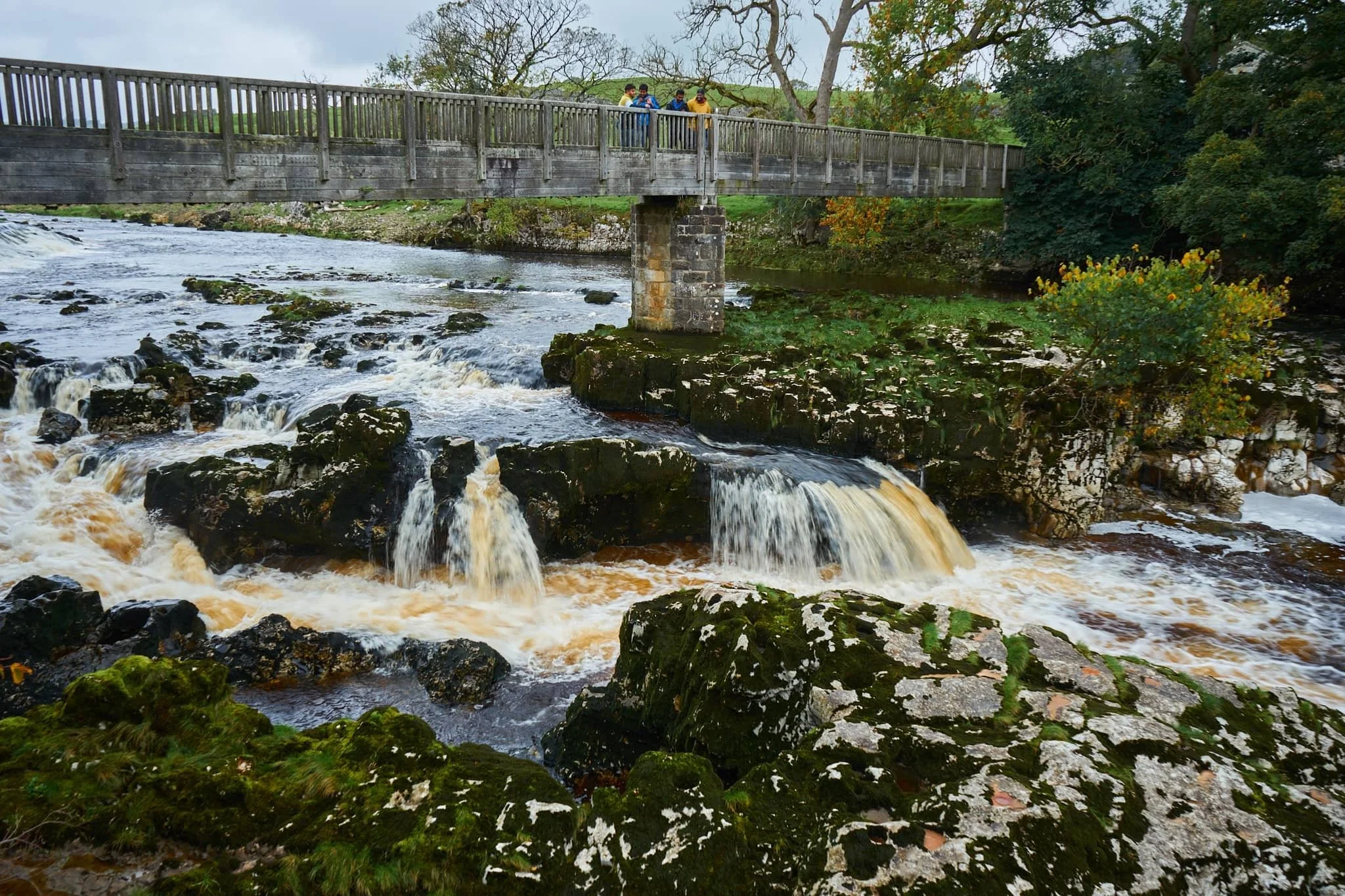
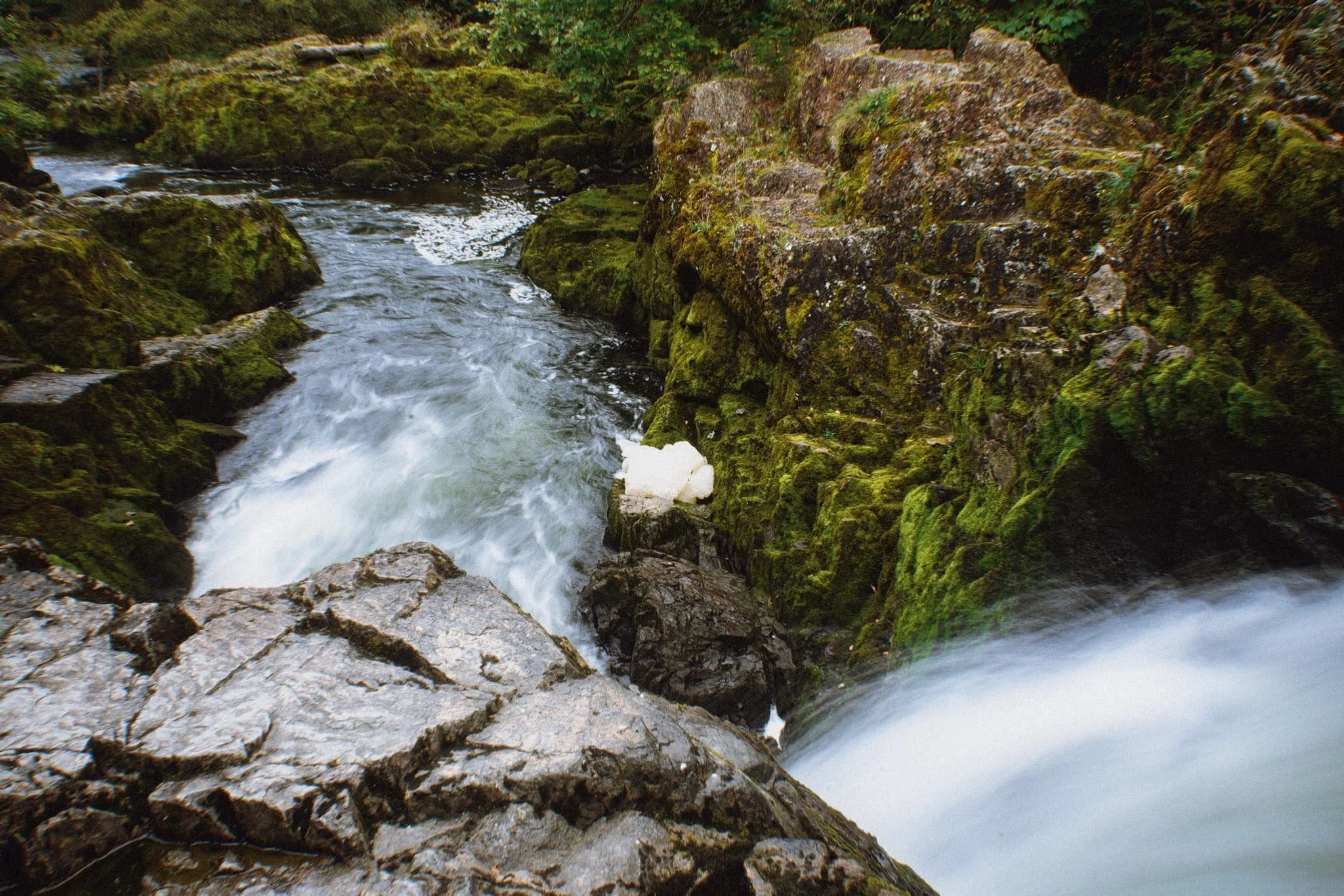
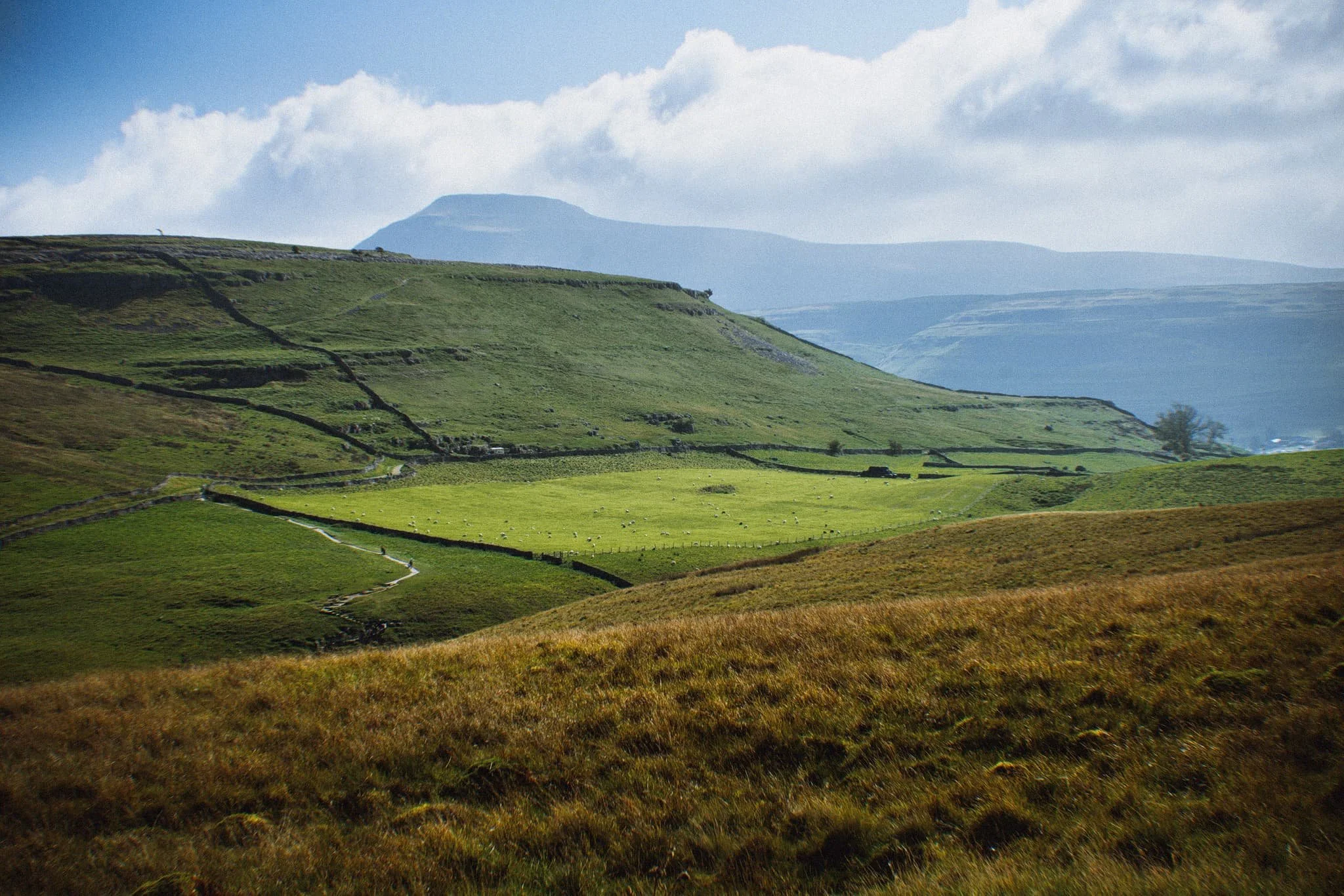
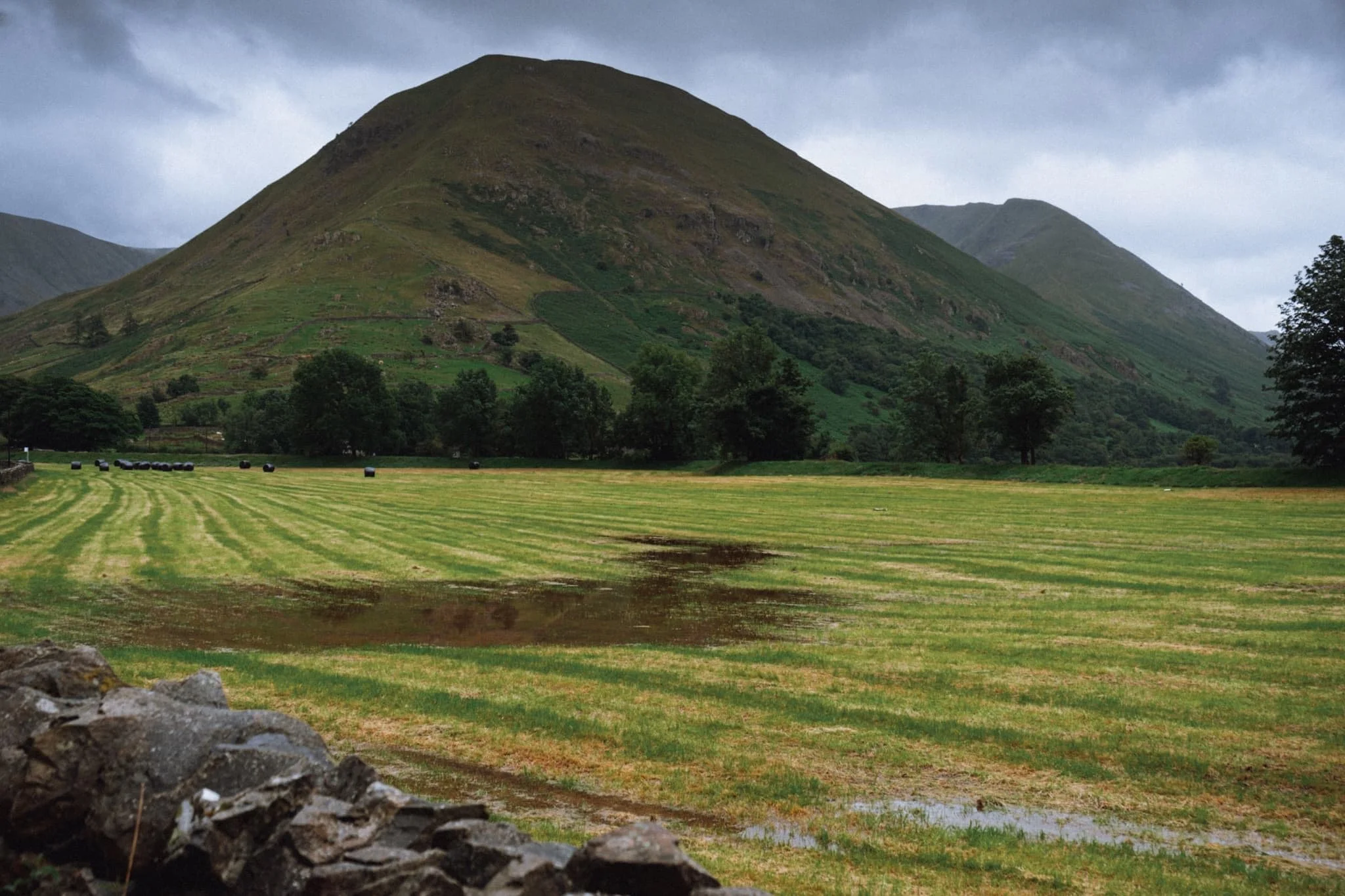
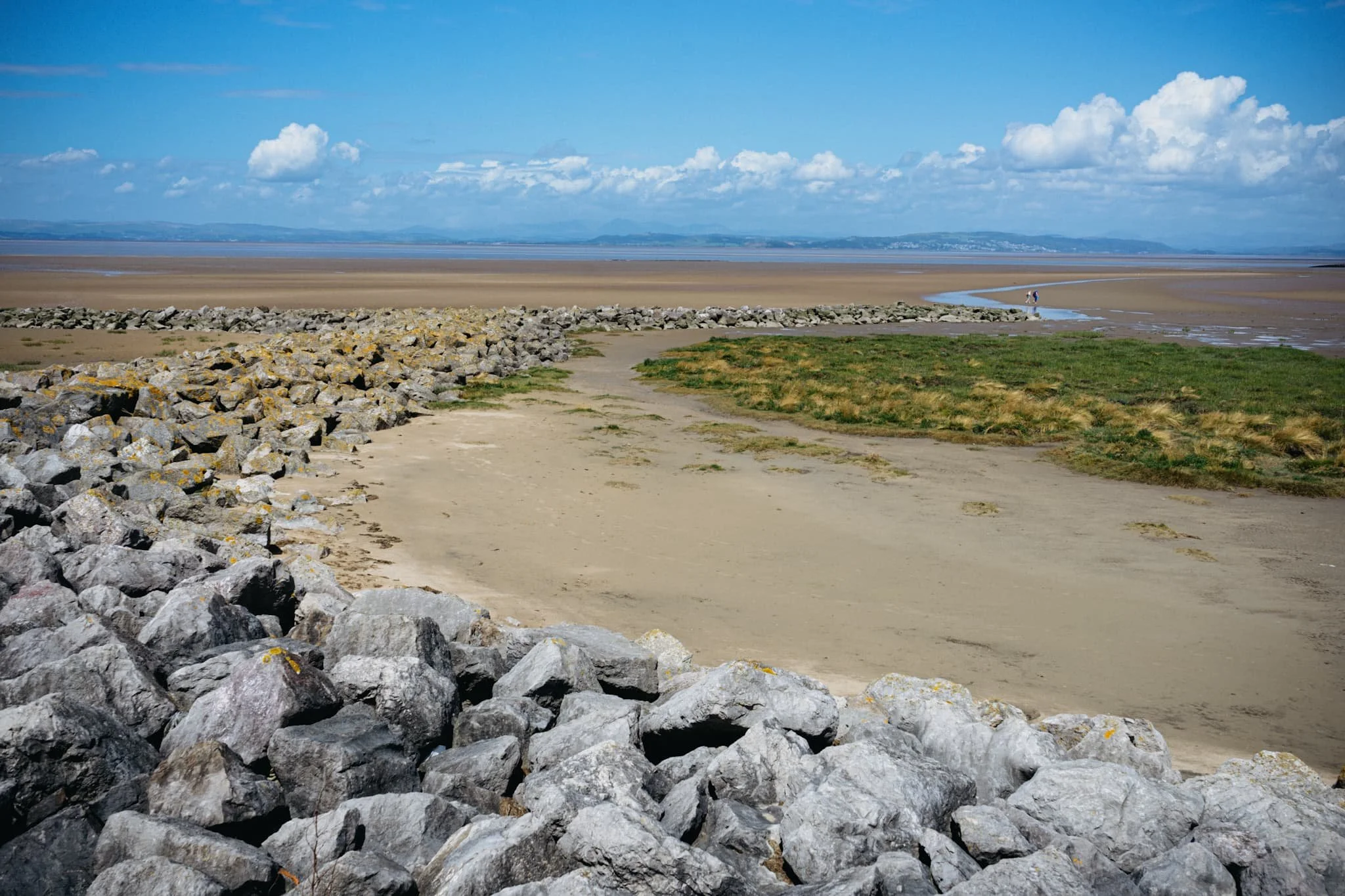
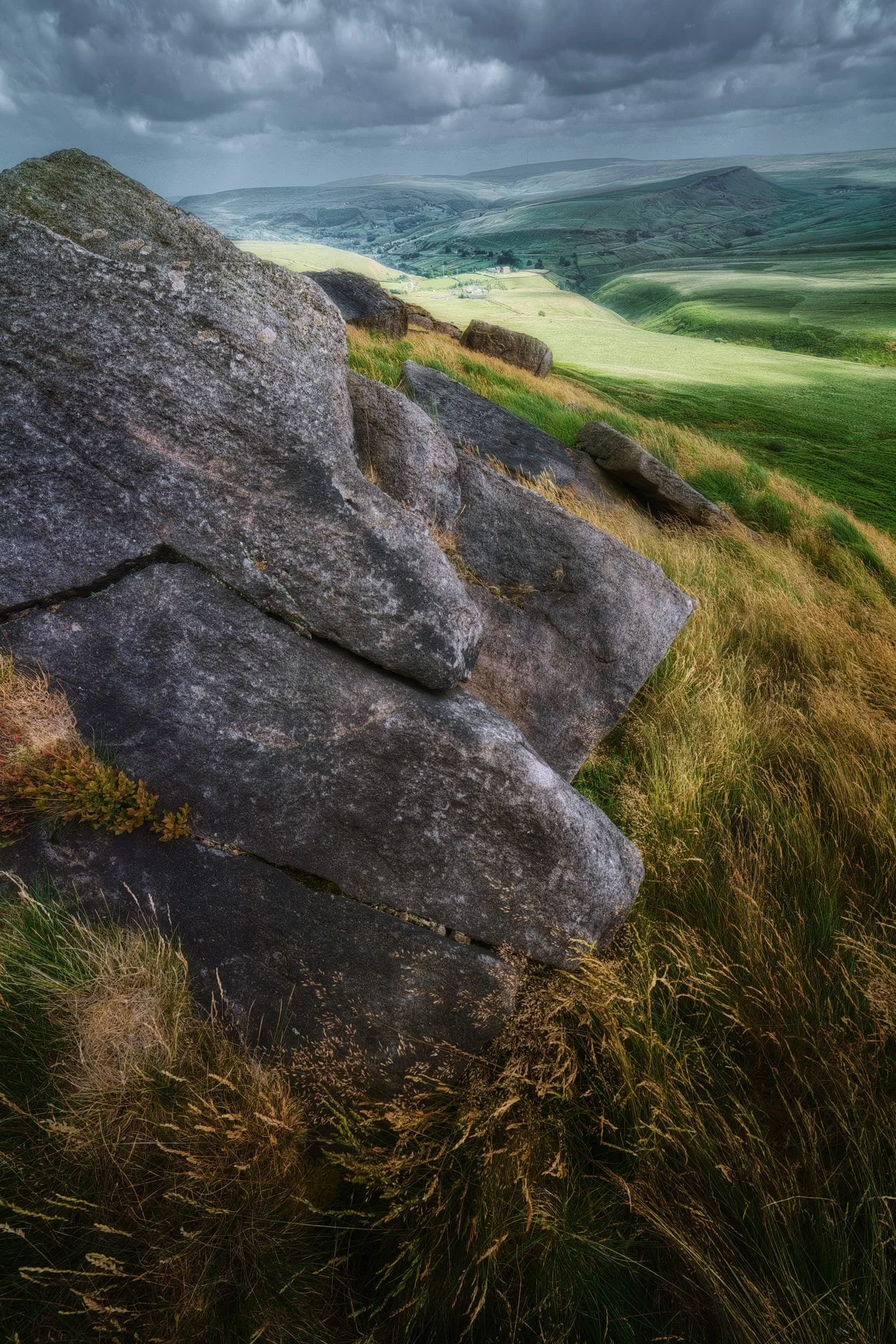
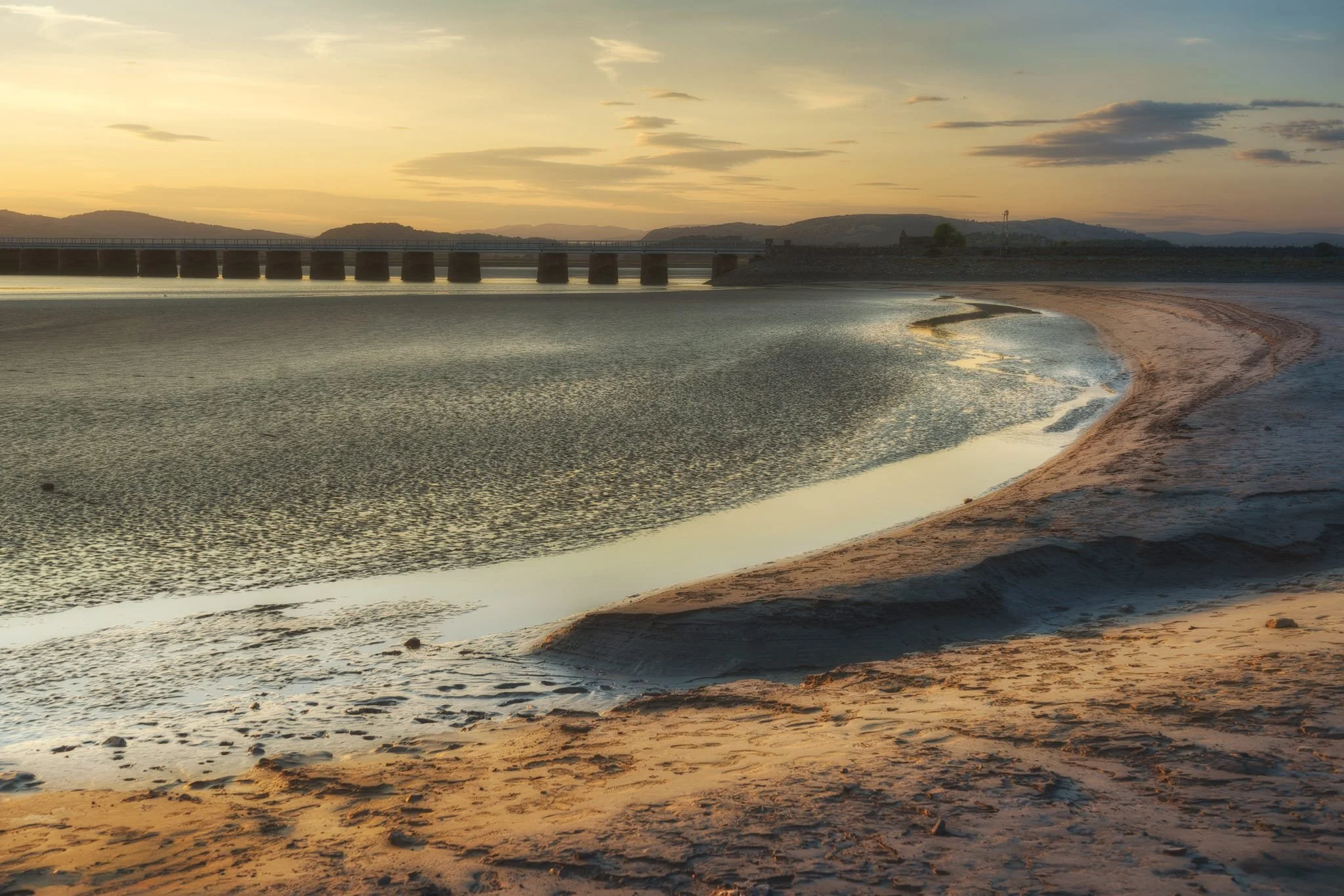
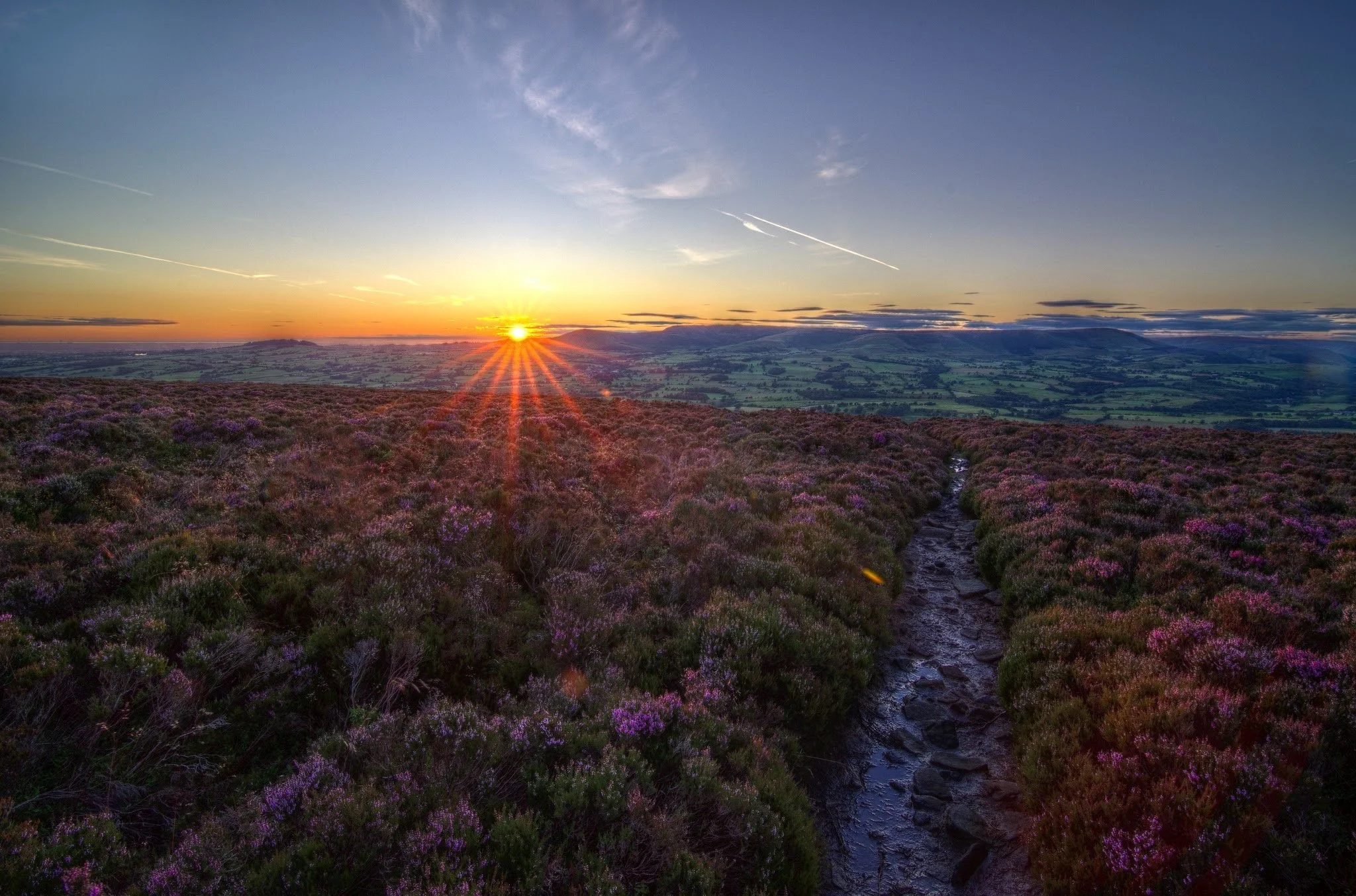
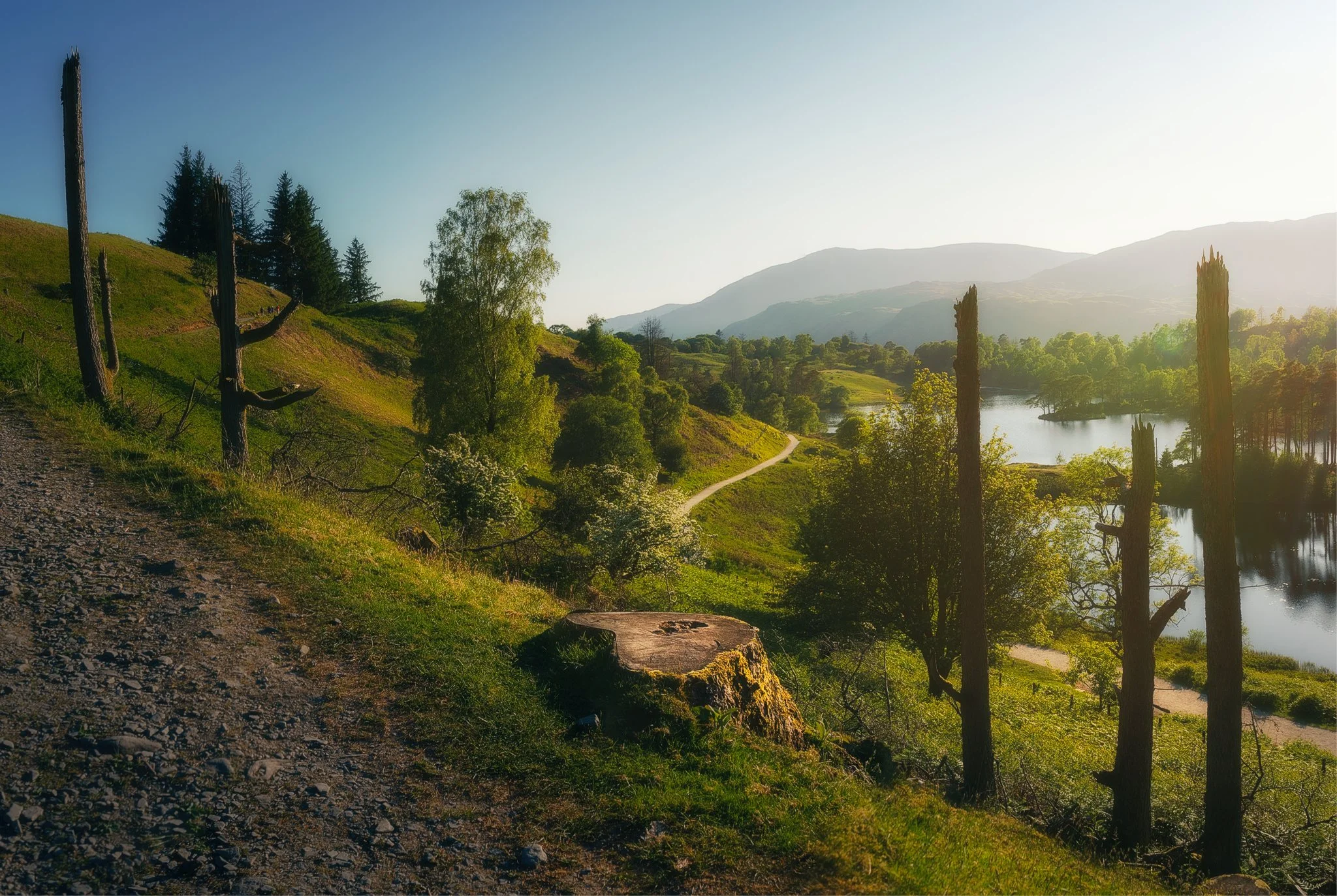
Finally, blue sky!
January and February have been wet. Murk, drizzle, mist, frost have been a defining feature of this winter. But with Valentine’s Day opening up clear skies and cold temperatures, it was time to get out.
It’s been about 12 years since I last went to York.
That’s way too long.
A few days after our snowy hike around Brimham Rocks, Lisabet + extended family and I head east on a crisp clear day to one of England’s oldest cities: York.
A week off after working Christmas and New Year was needed.
With Lisabet’s Aussie family in the UK for a few weeks, we all took a joint week long holiday together. Our “base” was near Summerbridge, between Harrogate and Pateley Bridge, within the Nidderdale National Landscape. This gave us good access to a wide variety of places to explore.
Time for proper winter scenery.
Happy 2026 everyone! May you have the clarity to focus on what you can control and the composure to let go of what you cannot.
December has been very wet.
To quote the UK government website, “In the first 16 days of December, England has already received 80% of the long term average (LTA) rainfall for December.”
It’s beginning to look a lot like winter.
Recently we’ve been bombarded with a mix of arctic blasts and torrential downpours. After a Saturday of downpours, Sunday was looking nice and clear.
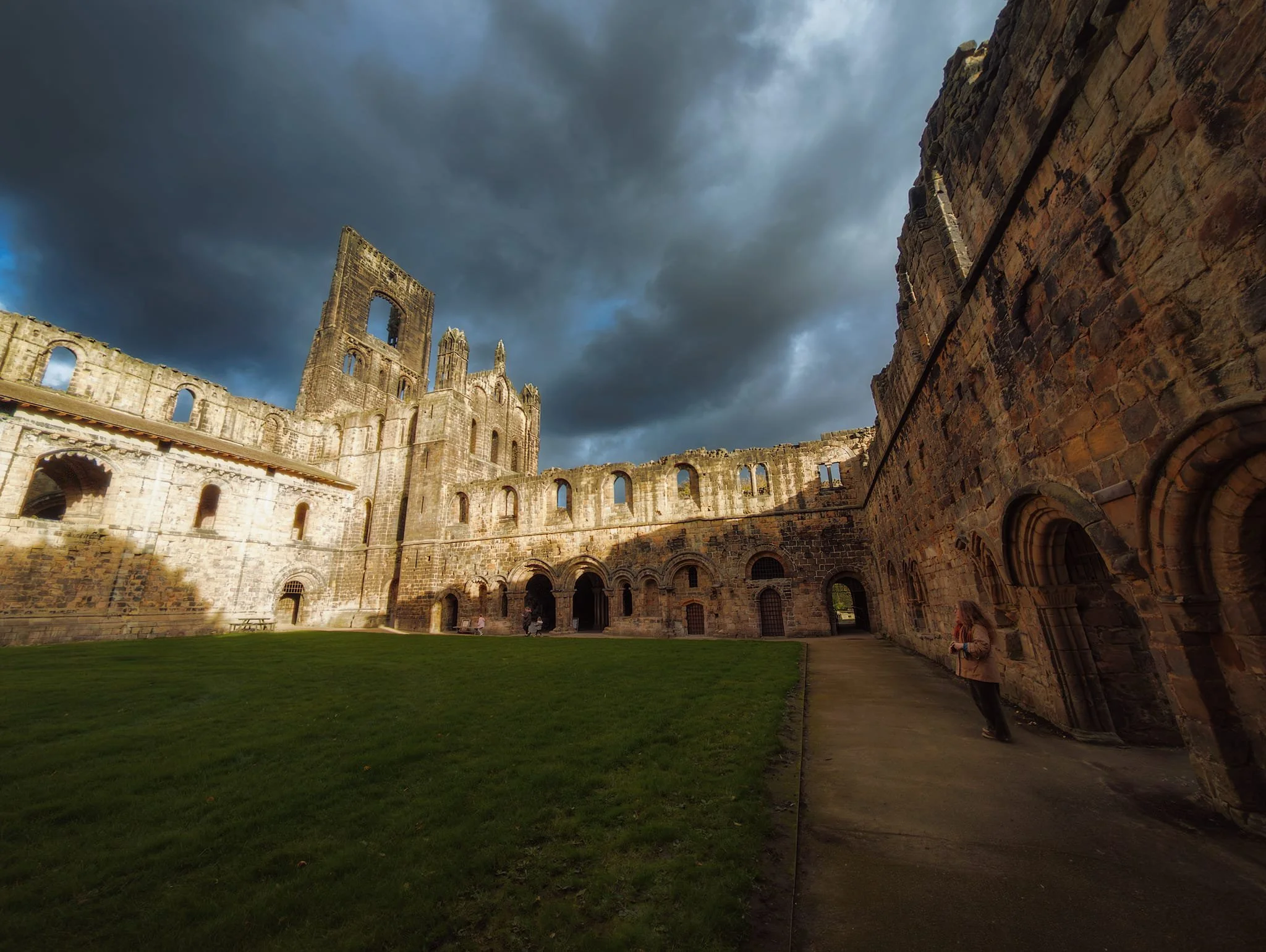
It’s not often you find the ruins of an abbey near a city centre.
Upon our visit in and around the Leeds area we also became aware of a ruined abbey right next to the main A65 road that runs from Leeds to Kendal.
The remaining bits and bobs from our time in Shropshire.
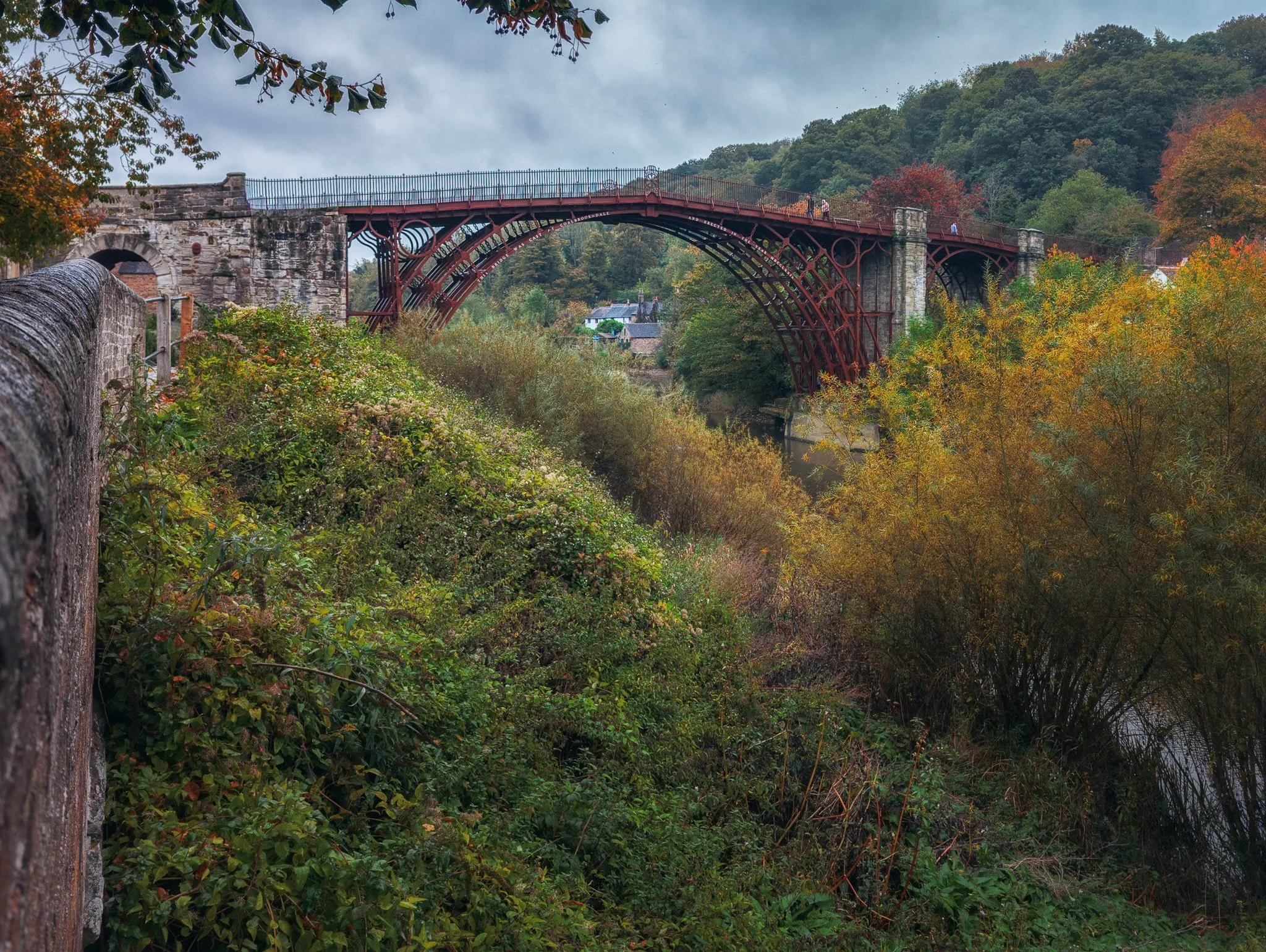
One of the first places we checked out upon arriving in Shropshire was Ironbridge, famous for its namesake bridge and for being the “the birthplace of the Industrial Revolution”.
It’s not often we visit cities.
After our week in and around Shropshire we then booked a couple of nights away in Horsforth, in the northwestern suburbs of Leeds.
Lisabet has family history in Leeds, which fuelled part of our reason for staying, but it’s also genuinely a lovely city. And also, apparently, undergoing massive investments, improvements, and upgrades. Skyscrapers growing, streets are clean, arcades and food halls full… Leeds seems to be thriving.
The pinnacle of historical conservation.
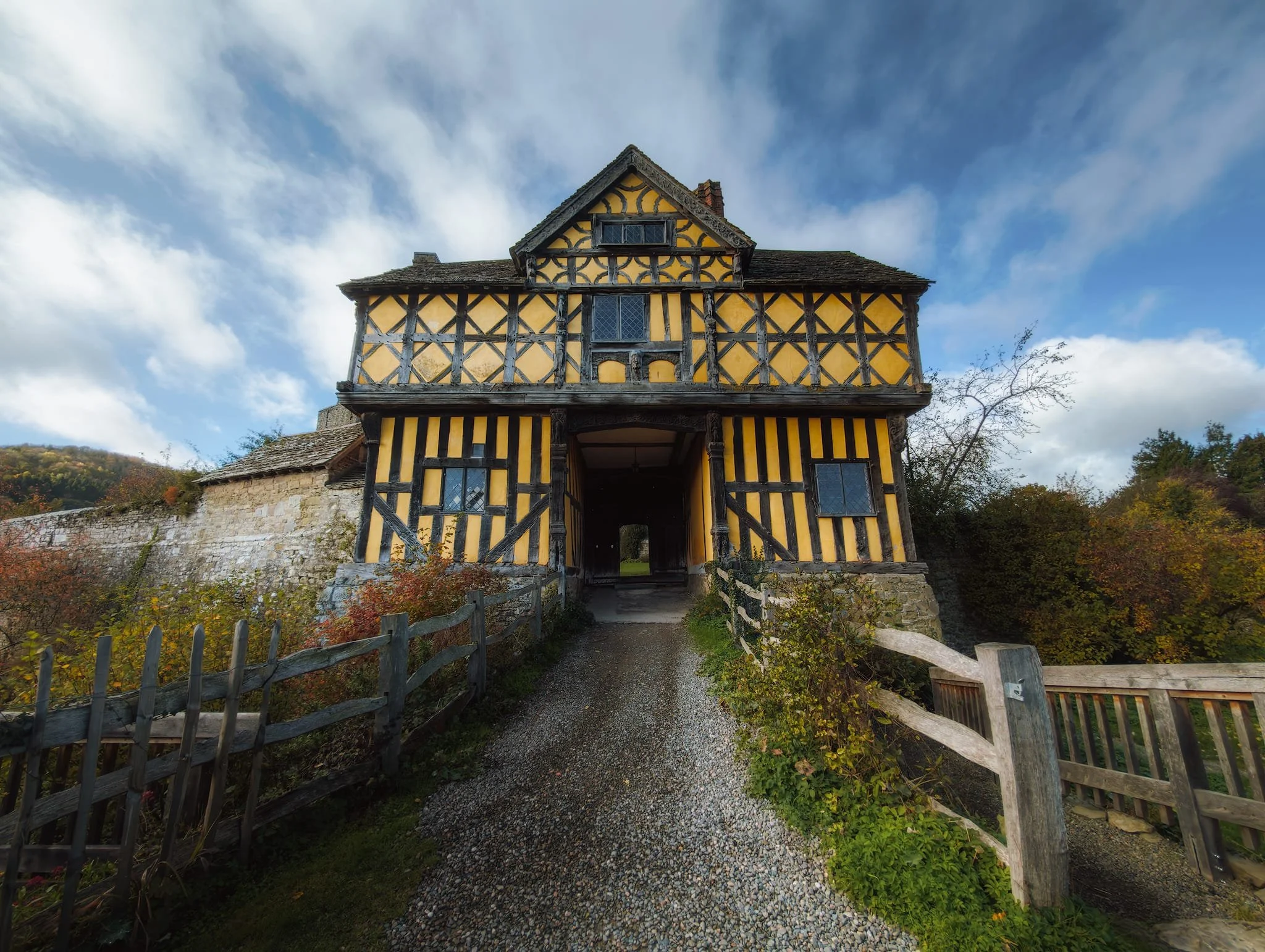
To quote Wikipedia, “Stokesay Castle is one of the finest surviving fortified manor houses in England, situated at Stokesay in Shropshire.”
Stokesay Castle was built in the 1280s by wealthy wool merchant Laurence of Ludlow. It’s a ridiculously well-preserved medieval complex featuring a great hall with an exceptional timber roof, two stone towers, and sits within a moated enclosure. In the 1640s, the Craven family added an ornate timber-framed gatehouse and created fashionable ornamental gardens, complete with ponds and water features. The castle surrendered peacefully to Parliamentary forces in 1645 and, after periods of decay and restoration, has been in English Heritage’s care since 1986.
Another gem of preserved history.
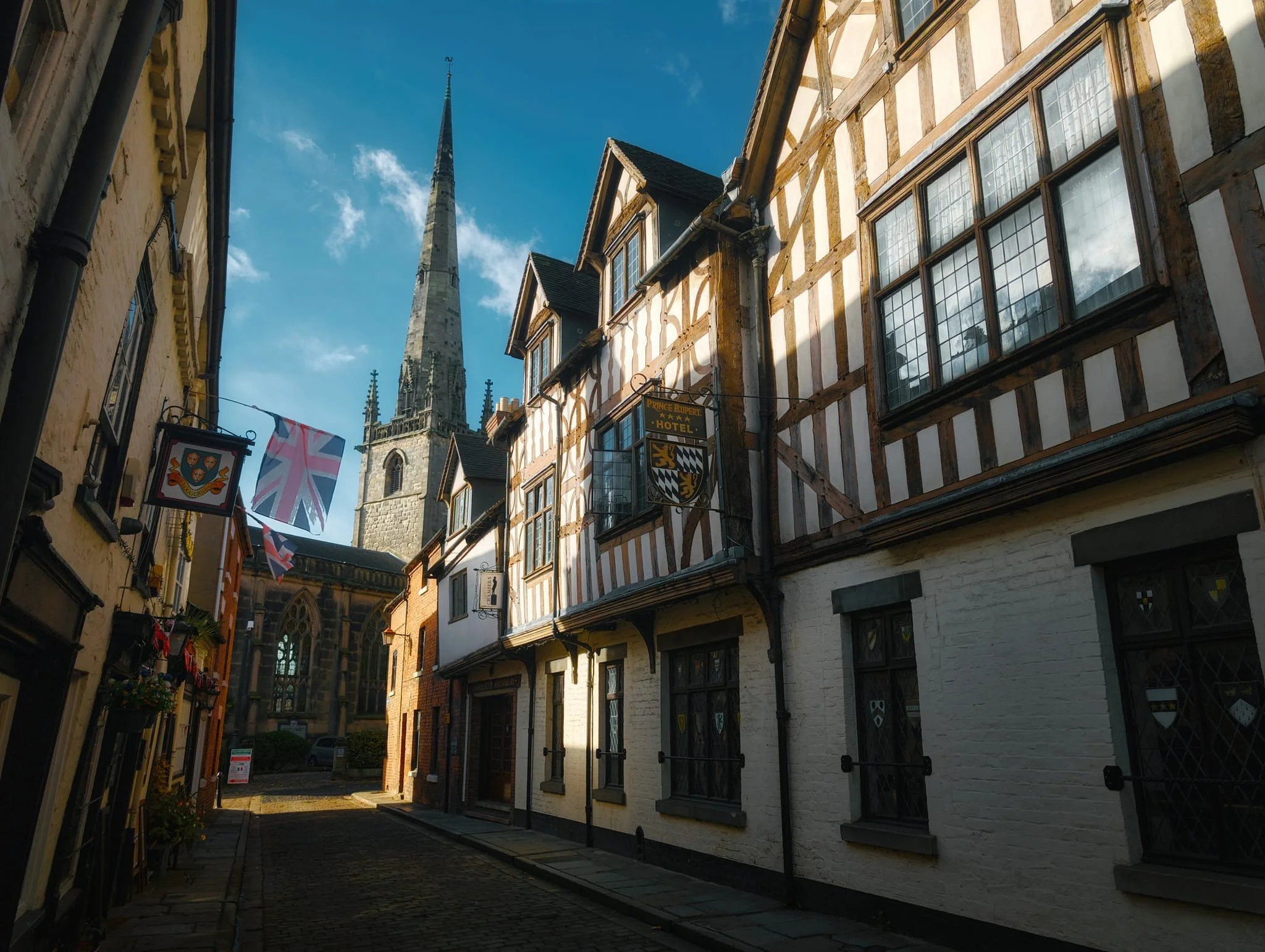
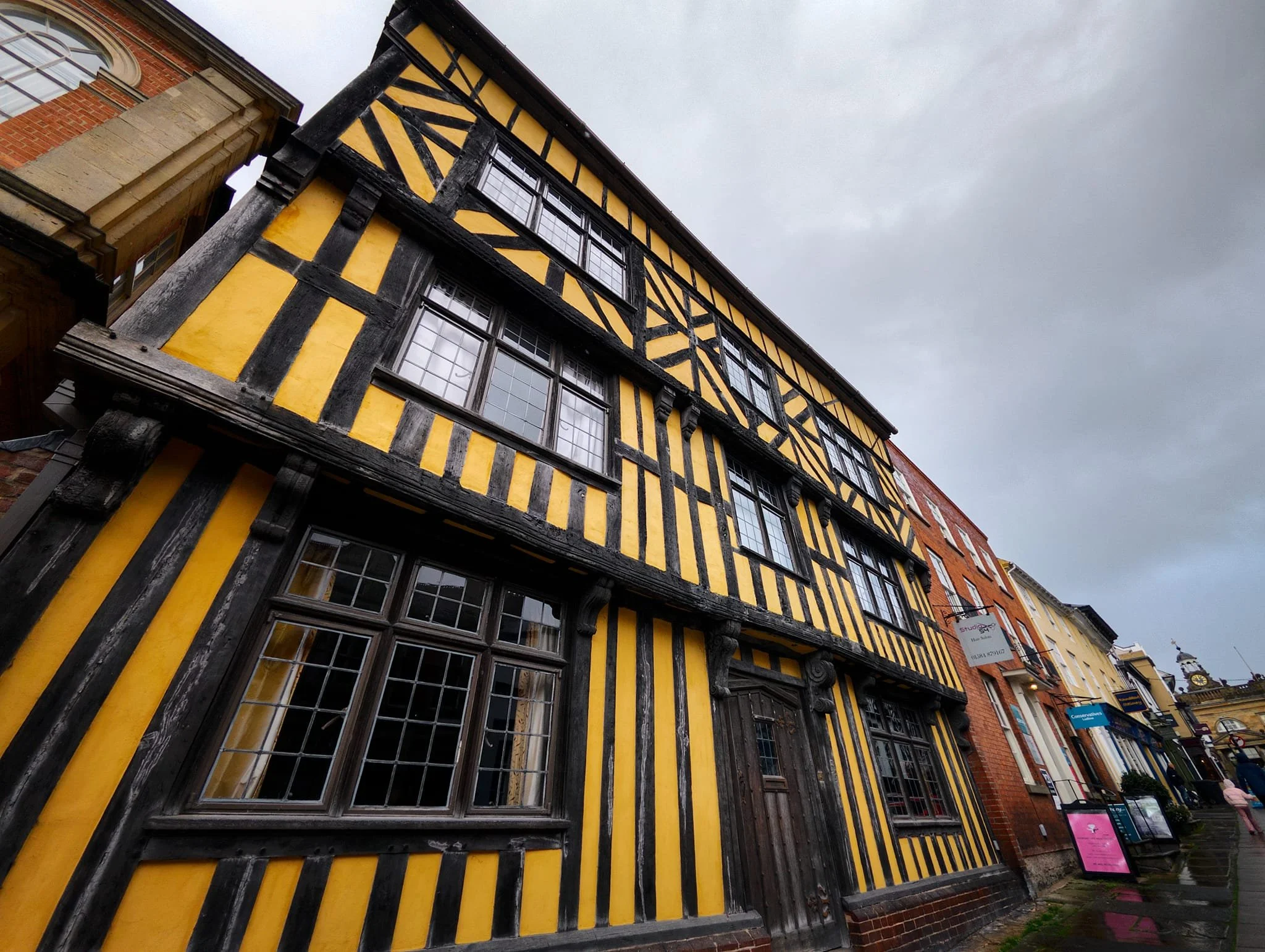
We thought Ludlow was impressive with its 500 Listed Buildings. Then we went to Shrewsbury. According to its Wikipedia, “The centre has a largely undisturbed medieval street plan and over 660 listed buildings, including several examples of timber framing from the 15th and 16th centuries.”
A lot on offer in such a small space.
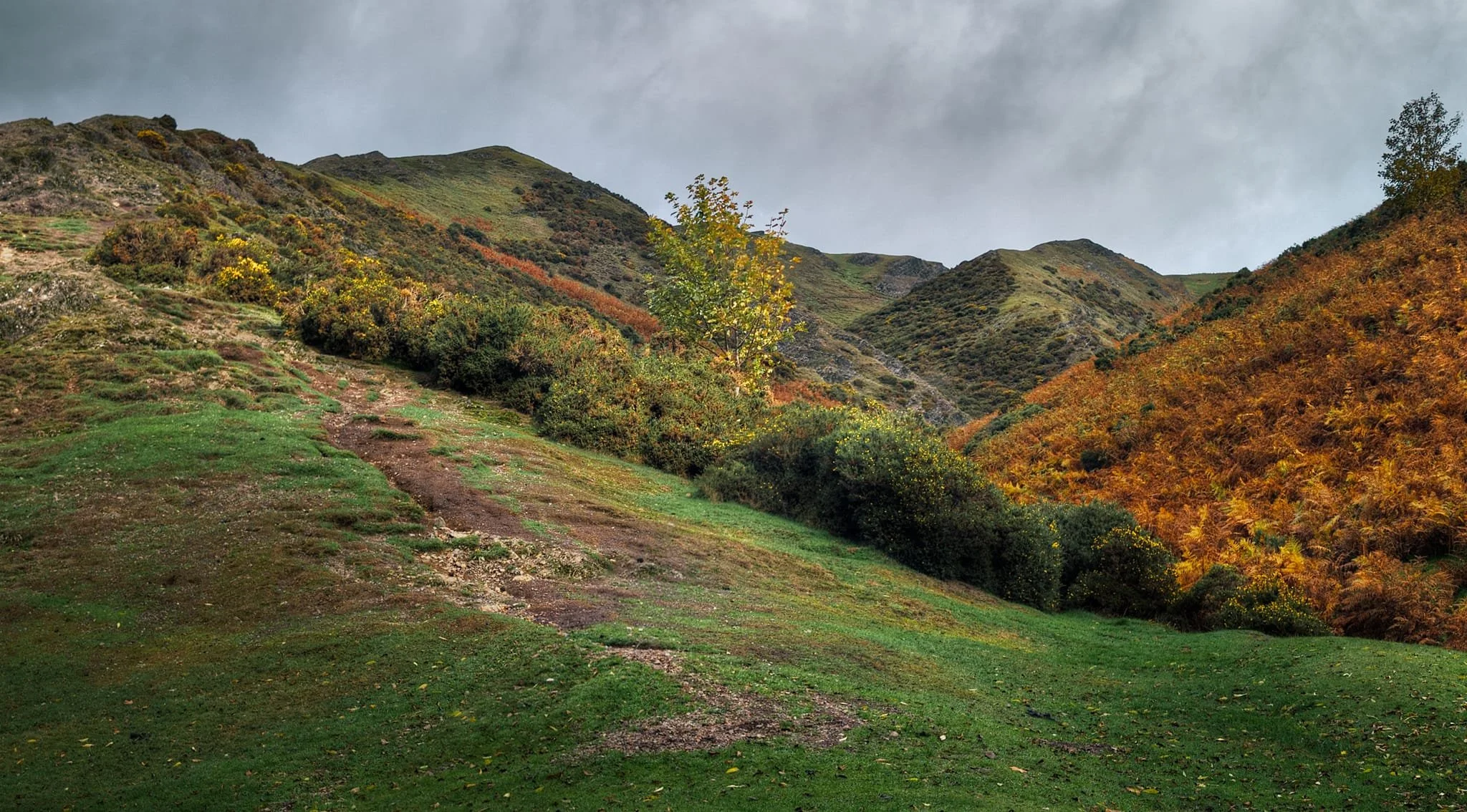
For a full nature-based day we started out at the Carding Mill Valley, probably the most well-known part of the Shropshire Hills. It is from here that you can choose any one of a myriad of hiking trails and see the sights.
A week around somewhere completely new to us.
Regular readers of this humble blog may know that, around October time, Lisabet and I like to take a couple of weeks off to enjoy the gorgeous autumn colours somewhere beautiful.
Some places are just overdue a visit.
I’ve lived in Cumbria for twelve or so years now, and in all that time have never once visited the beautiful Holker Hall & Gardens.
Time for a wee break.
It’s been a busy, and sometimes eventful, summer and we needed a break.
Lisabet donned her sleuth attire and found us a few deals, one of which was here: Chollerford in Northumberland.
Finally, time for a proper hike.
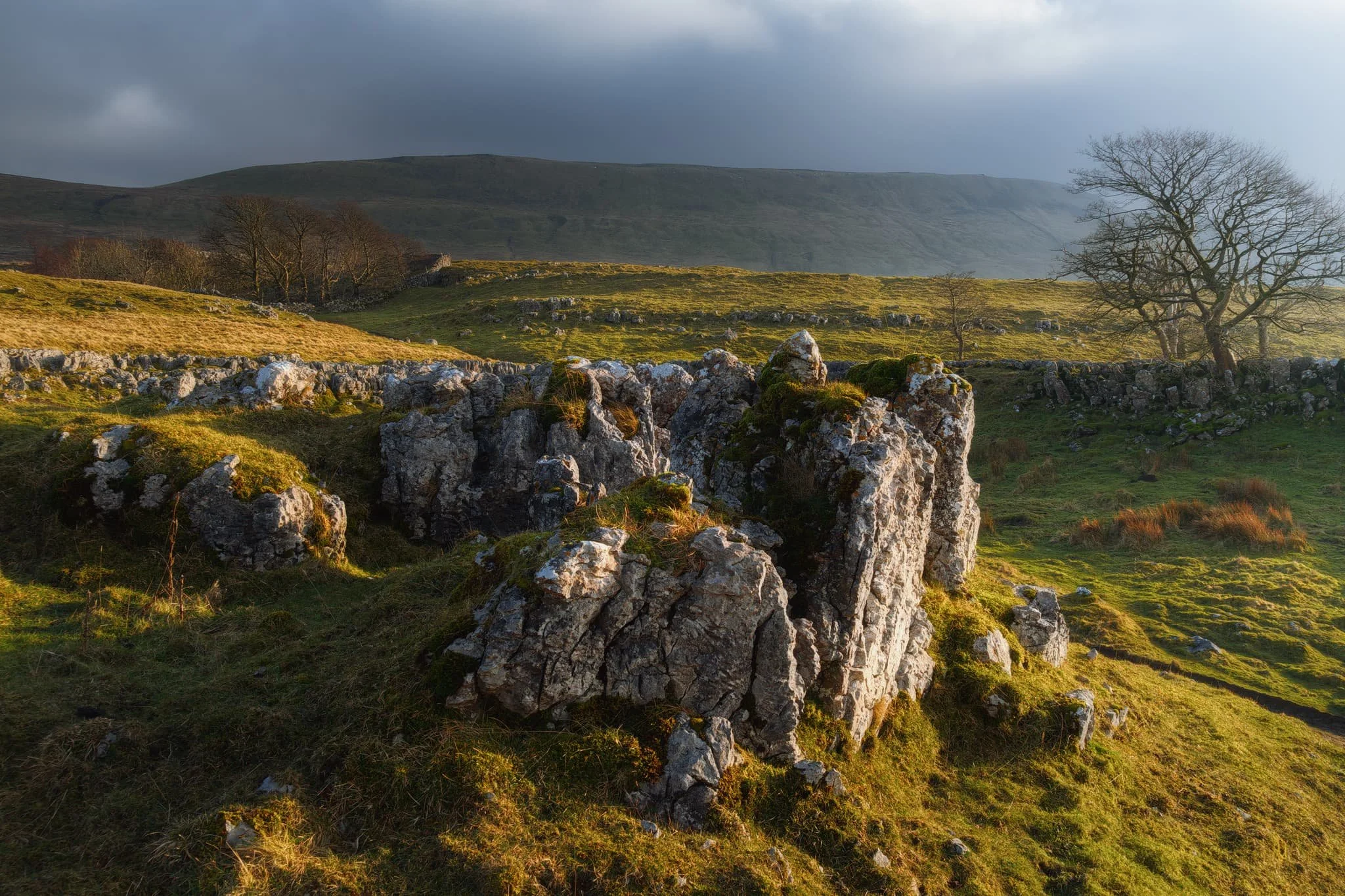
With a cooperative Saturday in the pipeline, we decided to head into the [Yorkshire Dales](/blog/tag/yorkshire dales) for a new—to us—location: the oft-overlooked valley of Crummackdale.
The Five Stones of Duddo.
First, I must apologise for the lack of updates from myself here. June and July have proven to be tumultuous months that required a lot of my time and energy.
A trip to Northumberland is incomplete without visiting Bamburgh.
It’s easy to see why Bamburgh’s popularity has exploded in the last decade. It’s historical and beautiful. There’s not many places in the UK where a huge castle stands tall and proud over a vast beautiful beach.
There are a lot of ruined abbeys in the Scottish Borders.
I’ve been to Melrose Abbey before but this time, during our stay in Northumberland for Lisabet’s birthday, we nipped over the border again to St. Boswells, in the Scottish Borders.
This was probably the find of the week.
There’s plenty of the Northumberland coast we’ve explored before in various conditions, but one area we hadn’t been to was a relatively overlooked section of the coast near Howick.
We’ve just come back from a beautiful week in Northumberland.
My wonderful Lisabet turned 50 and what better way to celebrate than by holidaying around the gorgeous coast and countryside of Northumberland?
I’ve been meaning to visit here for years.
Right on the eastern fringes of the Yorkshire Dales, just peeking over into the Nidderdale National Landscape, you can find the ruins of Jervaulx Abbey.
Happy birthday to me.
On Friday 25th I celebrated 42 years on this planet, subsequently becoming the answer to Life, the Universe, and Everything.
How to celebrate reaching an age I’d never thought I’d make? Well, off to Scotland of course!
The last lot of photos from our week around the East Neuk of Fife.
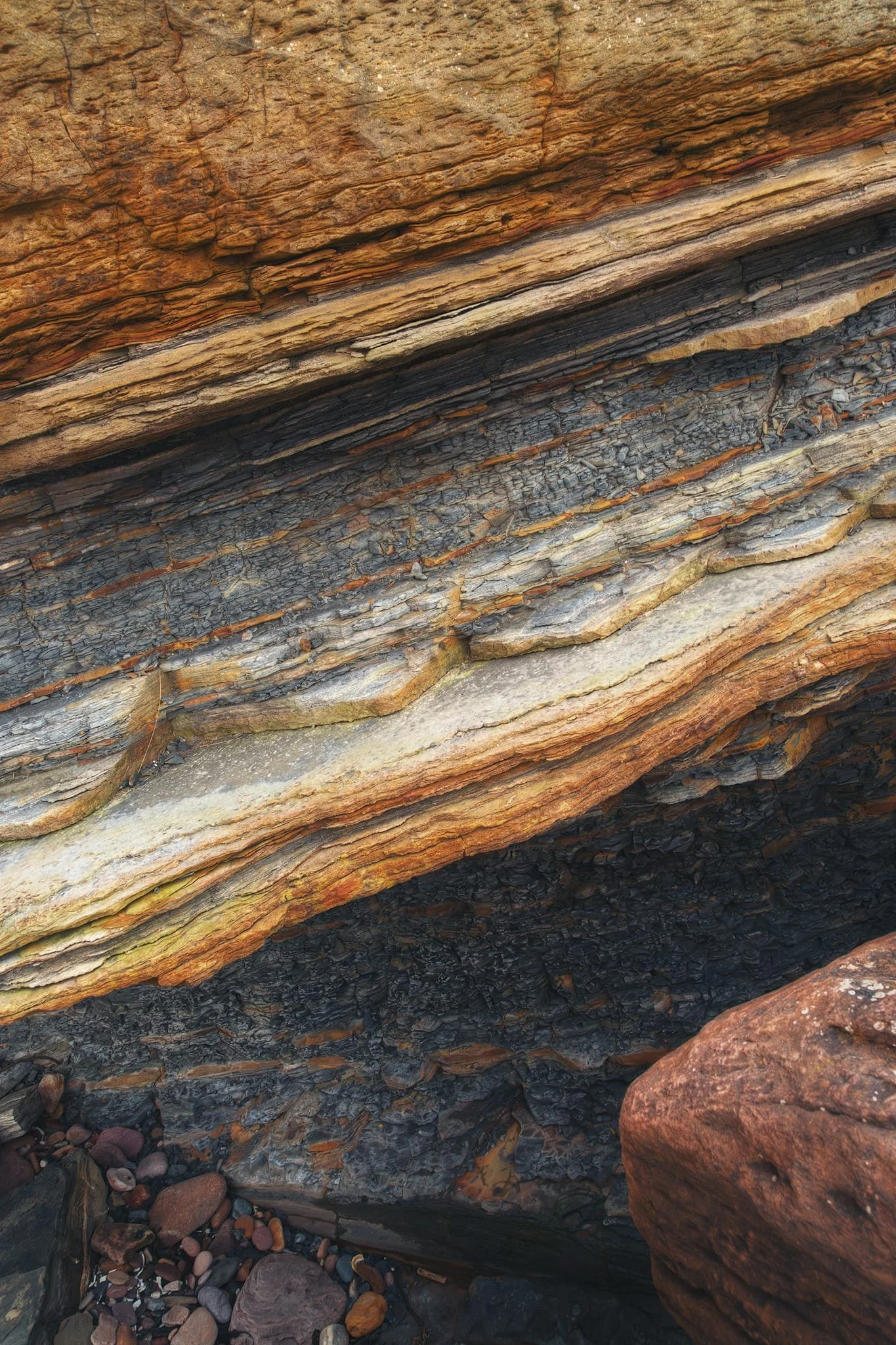
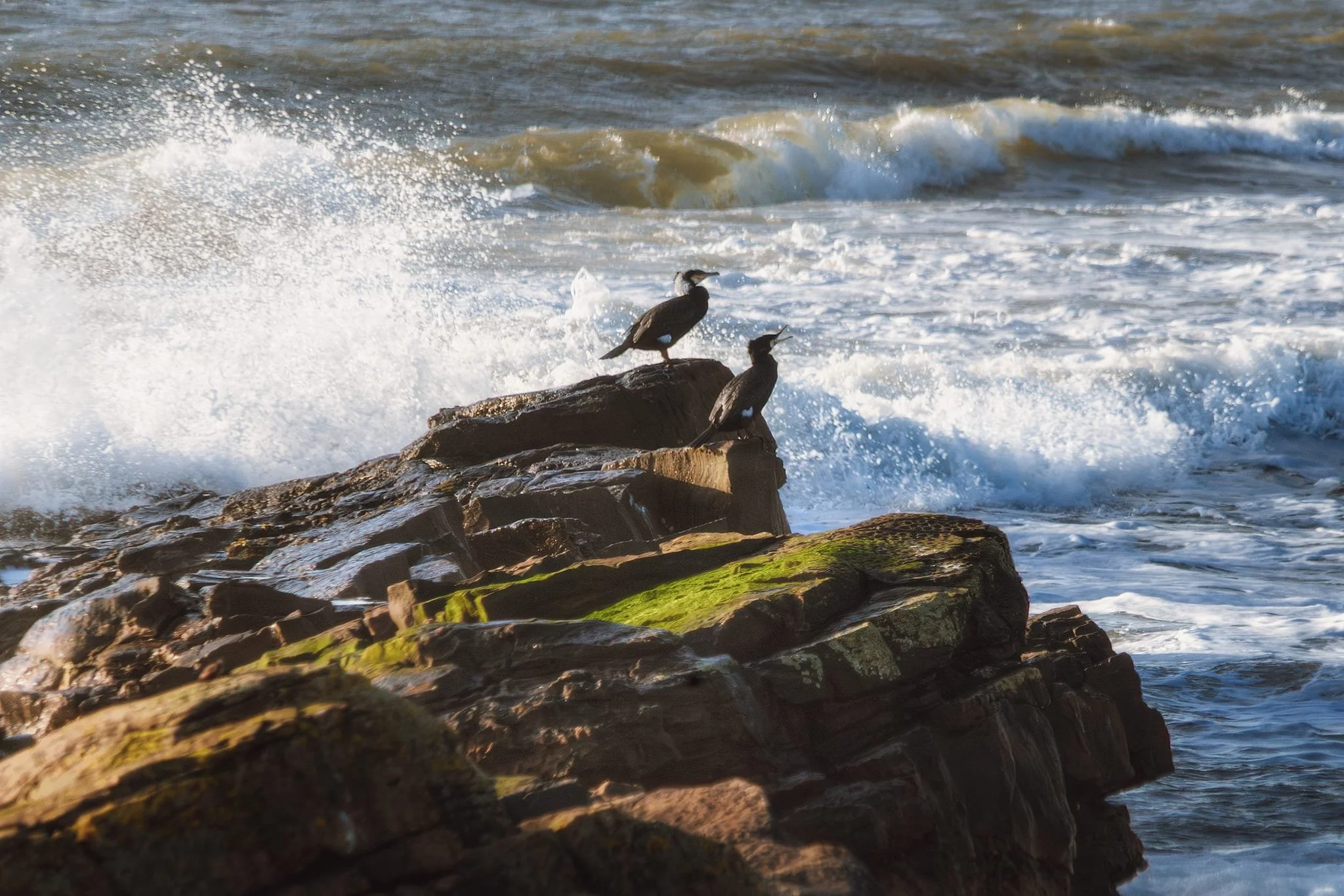
And for this hike we decided on the easternmost point of East Neuk, Fife Ness. One the main reasons to explore this area was to check out Constantine’s Cave. It’s a natural sea cave found in the north face of a rocky cliff face at Fife Ness. The cave was first excavated in the early 1900s and found to contain evidence of a long occupation, from the pre-historic period into the 1800s.
It wasn’t entirely perfect weather during our week off.
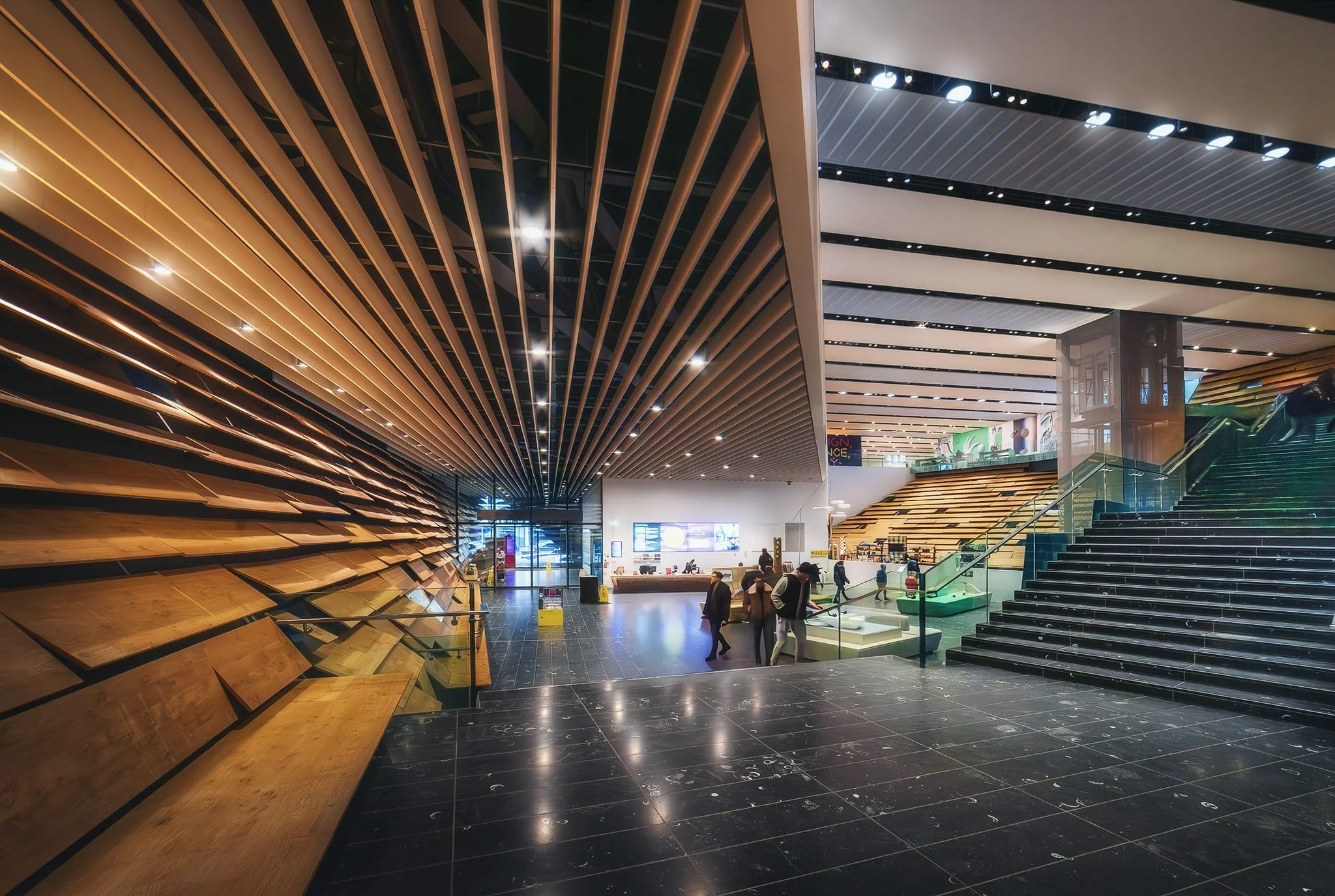
On the rainier, blustery days we crossed East Neuk north over the Firth of Tay to Scotland’s 4th biggest city, Dundee.
There’s a lot of history in Fife.
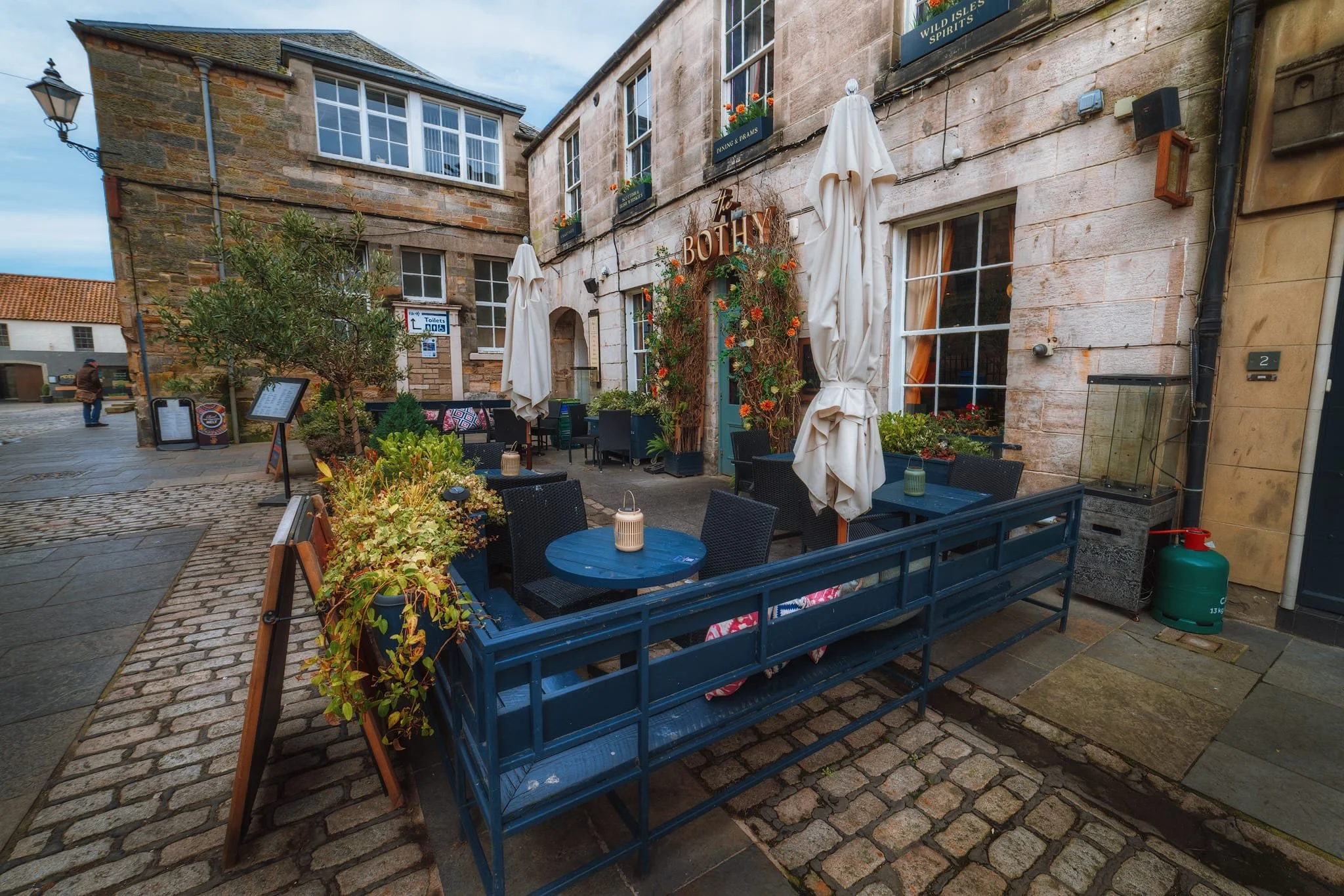
Aside from the glorious coastline available along the Fife Coastal Path, there’s an awful lot of history in the area too. In particular Fife is home to the town of St Andrews, home to the third oldest university in the English-speaking world (founded in 1413 CE) and also the “home of golf”.
From Anstruther, this time we went southwest.
After a brilliant day taking the Fife Coastal Path northeast to Crail, this time we ventured the opposite direction southwest to Pittenweem then St. Monans.
I’ve just come back from a glorious week around the East Neuk of Fife.
East Neuk is a little peninsula on the east coast of Scotland, north of the Firth or Forth and south of the Firth of Tay. There’s lots of arable farming here and the coastline is dotted with beautiful old fishing villages.
Time for something a little different.
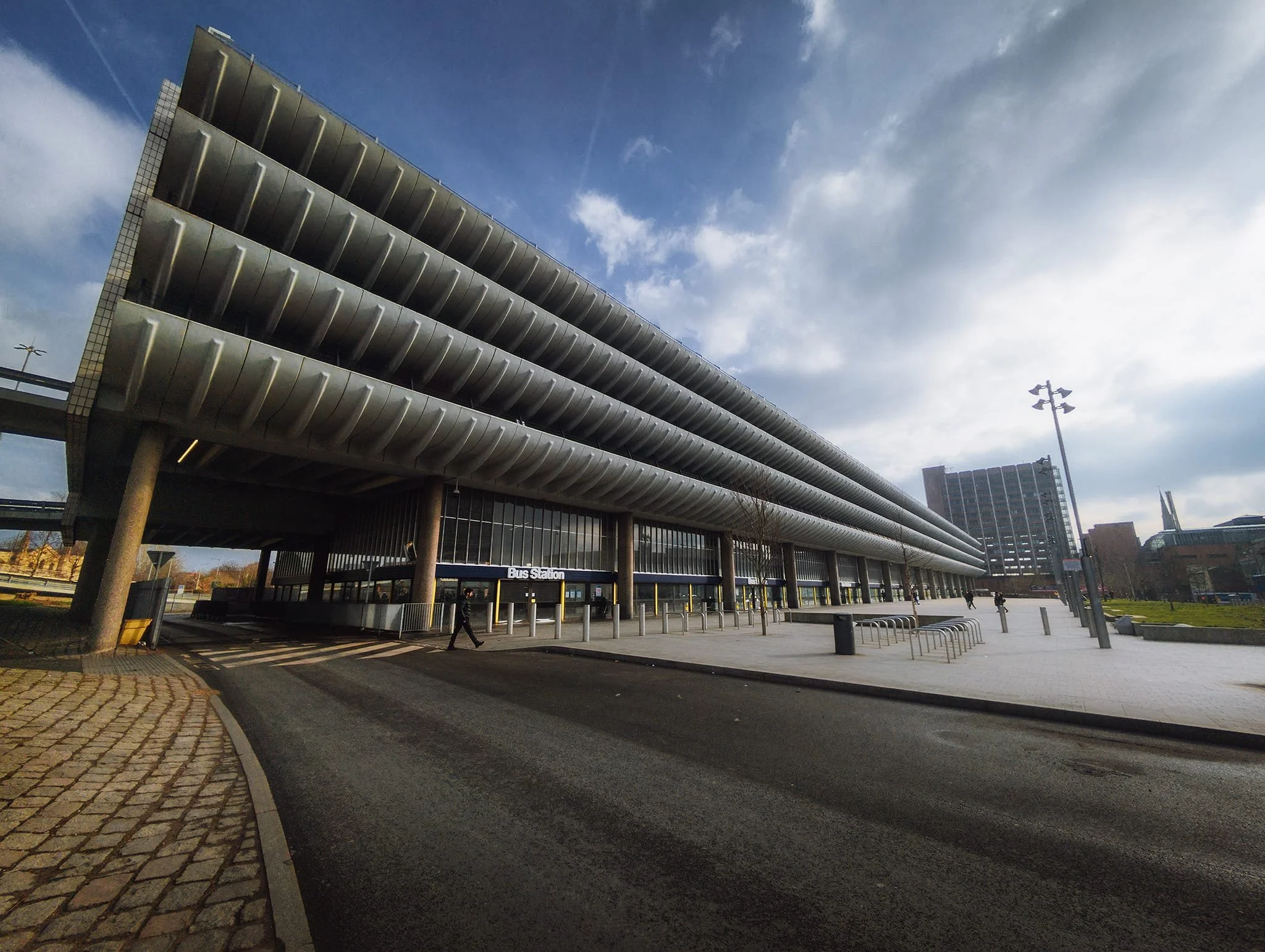
For those relatively new to this blog, before moving to Cumbria I lived in Preston for many happy years. It offers excellent transport links, easy access to local countryside, a vibrant city centre, a world-class university and more.
January has been freezing and storm-ridden.
It’s a month not many are fans of, as it seems to drag on endlessly. But, hark!, February has arrived, and a bright Saturday revealed itself to us. Where to go?
Finally, some proper snow.
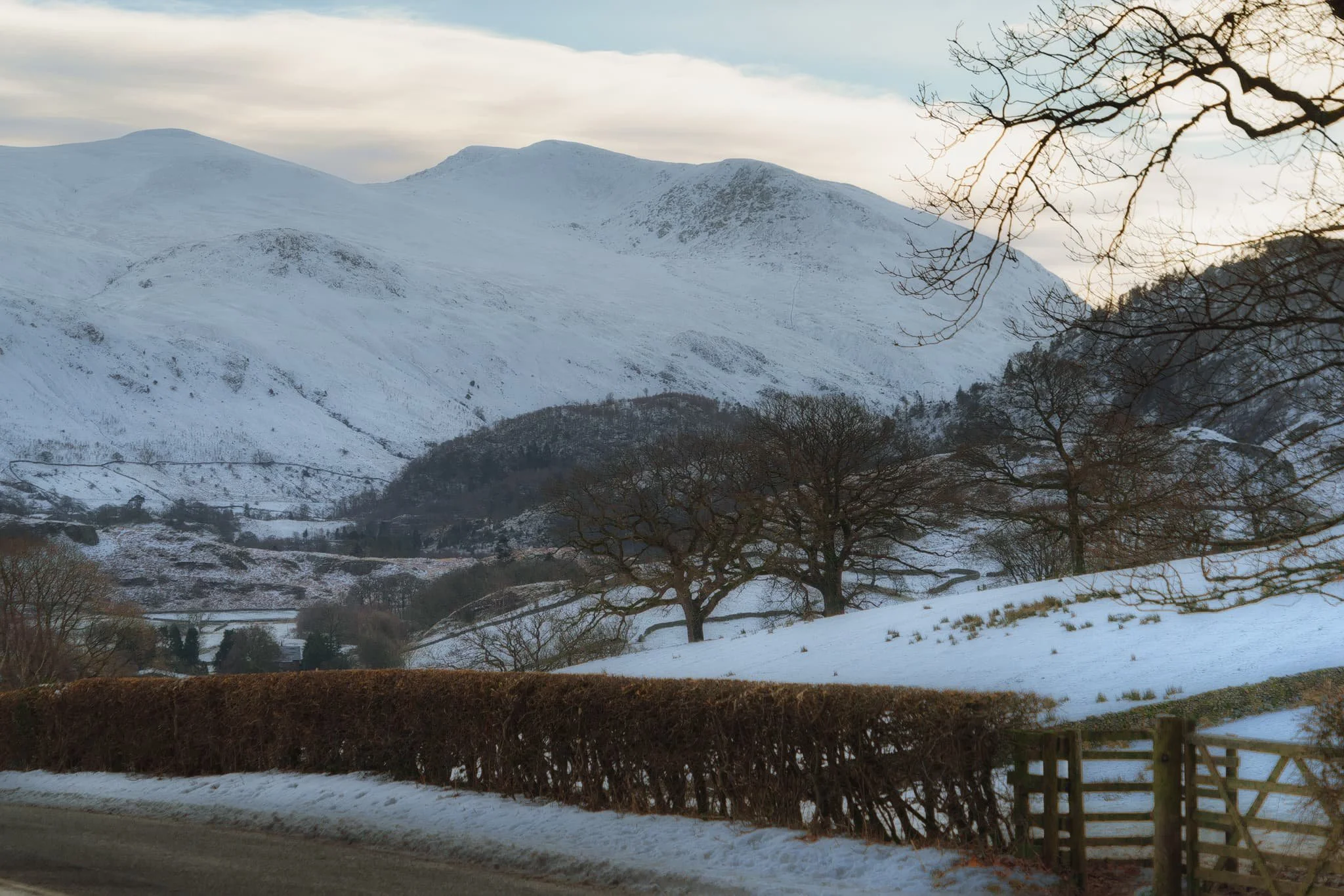
After taking on an icy hike around the Tilberthwaite/Little Langdale area, temperatures in England continued to plummet and snow arrived. As usual, it didn’t take long for stories to arrive, such as people hiking snowy fells up to their waist and getting lost, and people ignoring road closure signs and getting stuck driving on mountain passes.
A belated Merry Christmas and Happy New Year to you all.
I haven’t made a post on here since the 8th November, 2024. I can only apologise. Not long after we returned from Scotland, the weather in the Northwest of England became abysmal. Near-constant murk and drizzle, punctuated by the occasional storm, have left little opportunity for a nice outing, never mind having decent light to shoot.
Getting to know the local area better.
On this particular day we had prepared a contrasting variety of places to visit: Castle ruins, the inside of a mountain, and the village we were staying in.
The last of this year’s autumn in the Dales.
Time for a little break from my recent Scottish photography escapades.
Although the Met Office were reporting a high pressure system moving over the British Isles, what that resulted in was windless, murky, and overcast conditions. As a result, I knew the light would be super soft, and there wouldn’t be any views from fell tops.
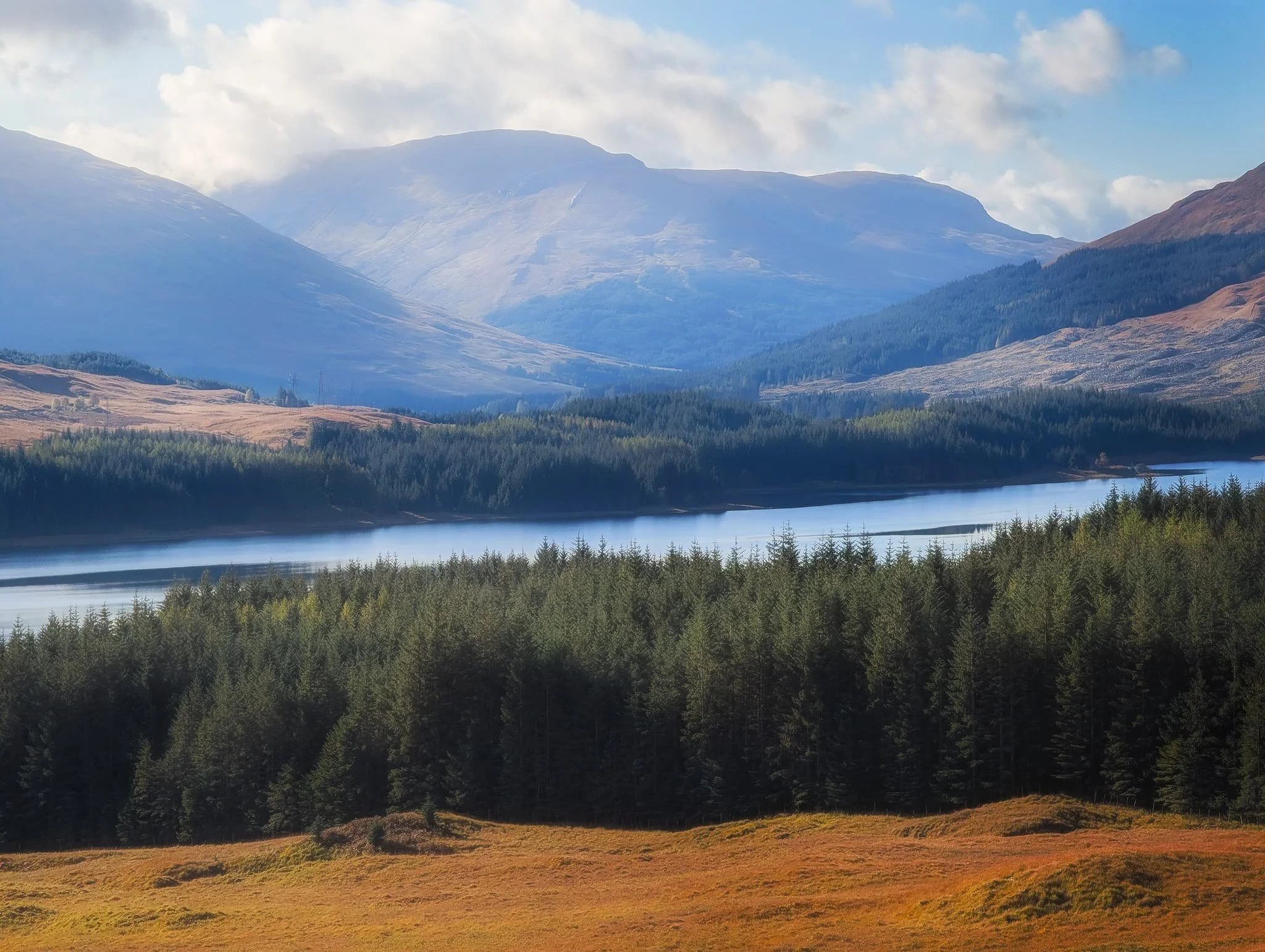
Turns out there’s a link between Cumbria and this part of the Highlands.
A good walk from our stay in Taynuilt, one can find the grounds and buildings of the Bonawe Iron Furnace. It was built in 1753 with goal of producing “pig iron”, that is, crude iron, often used to help make steel. The company that built the iron furnace here on the southern shore of Loch Etive were from Cumbria, and chose this location as there plenty of wood around to produce charcoal, which was how the blast furnace would be fuelled.
Time for some new places to explore.
It’s easy to get overwhelmed with options for hiking and exploration when you’re in the Highlands, especially if you’re near Glencoe. But we did resolve to try and check out some new, to us, places.
The pull of Glencoe is impossible to resist.
Even though we were staying much further southwest of Glencoe, the allure of its epic mountains is too much.
But this time, we wanted to try things a little different. Most folk head to Glencoe from the south, and pass through the vast boggy expanse of Rannoch Moor. There is, however, much to commend of Rannoch Moor; in particular two loch systems: Lochan na h-Achlaise, and Loch Bà. Both are tricky to explore and navigate, due to the boggy conditions underfoot, but we nevertheless made an attempt of it, having more success with Loch Bà than Lochan na h-Achlaise.
We’re back from a week in the best place on earth: the Scottish Highlands.
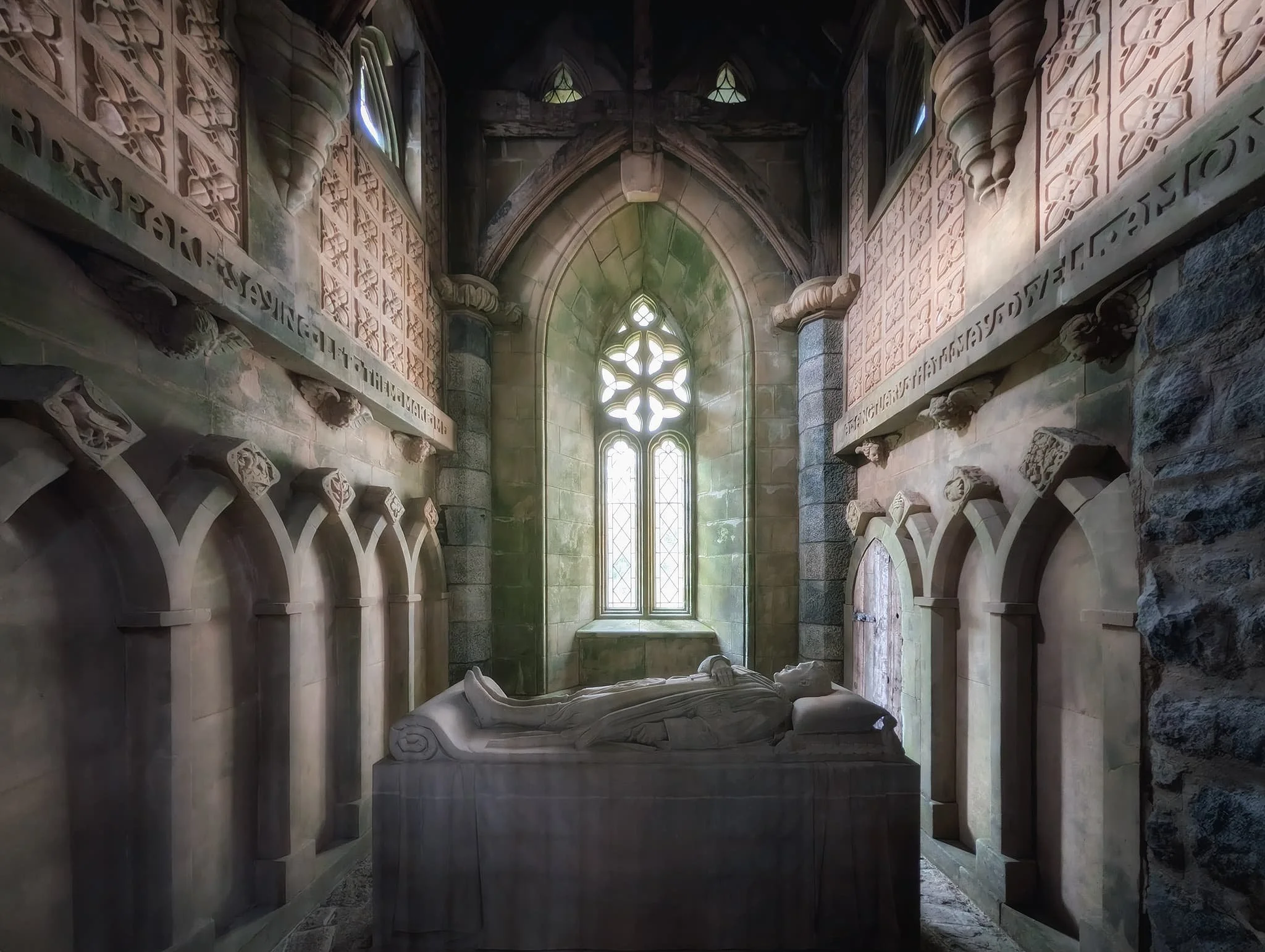
It is all too easy, once in the Highlands, to begin your break by heading straight into the mountains. However, on this occasion, we started our break by checking out a historical and architectural curiosity: St. Conan’s Kirk.
Time to explore what we missed out on last time.
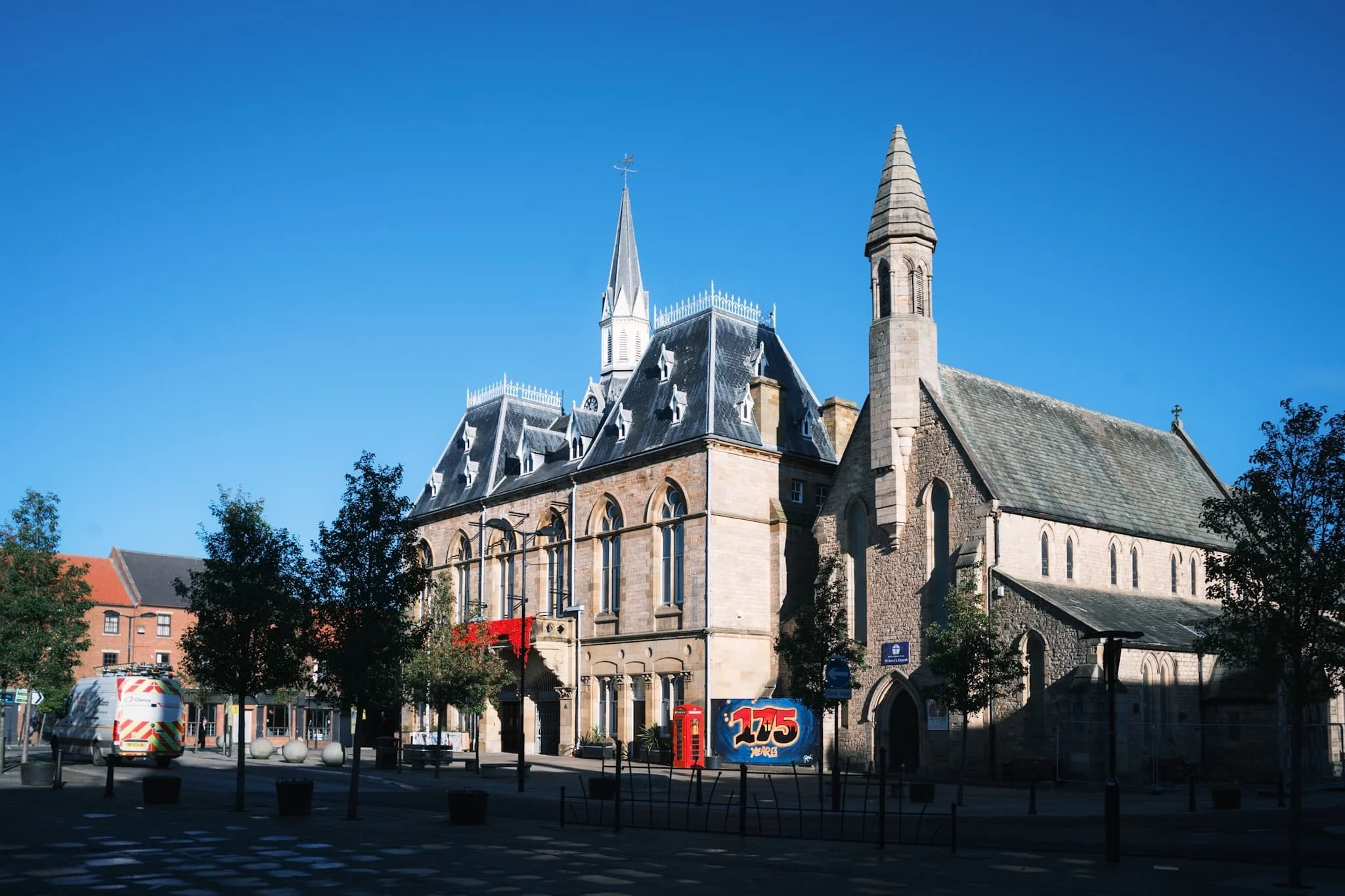
Just under a year ago we visited historical Bishop Auckland and had a lovely time checking out the amazing Faith Museum and Auckland Tower.
Something a little different to finish this break.
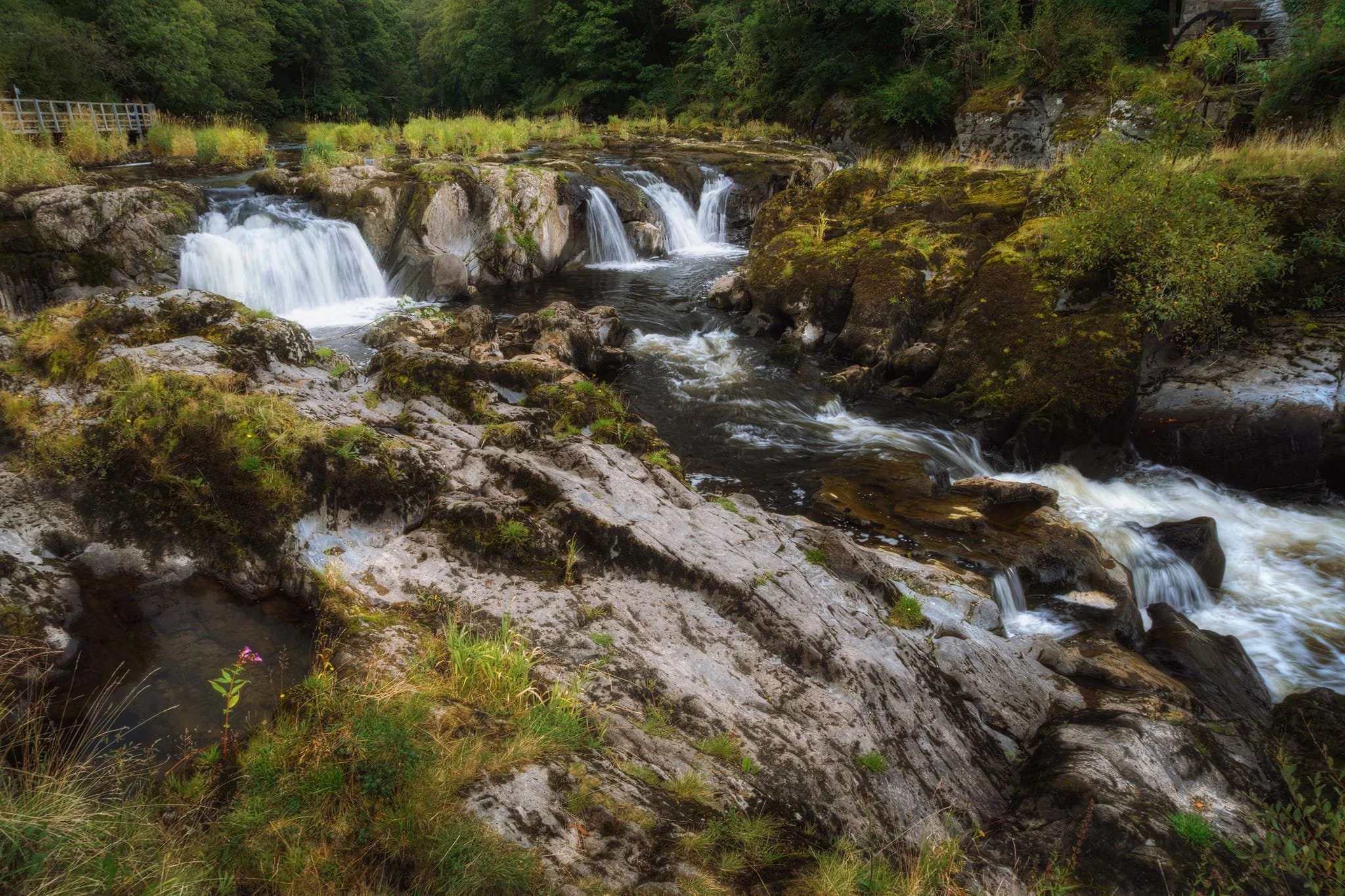
Moving away from cliffs and beaches, this final post—though small—features a small trail around Cenarth Falls, which defines the border between Ceredigion and Carmarthenshire.
Sometimes you just have to be a bit of a tourist.
On a particularly lush day, we moved away from clifftop trekking and head to the beautiful little town of New Quay, Welsh name Cei Newydd.
The coast that time forgot.
Towards the end of our week around the Cardigan Bay coastline, we plotted a final clifftop trail. Starting at beautiful Llangrannog, up the coast from Aberporth and Tresaith, we would fuel up then follow the Ceredigion Coast Path northeast up onto the cliff tops and around the perilous shoulder of Pendinaslochdyn. Then we could drop back down to explore the peninsula of Ynys Lochtyn.
Heading for the Witches Cauldron.
Following the more moodier day around Aberporth and Tresaith, our planned hike to Ceibwr Bay and Pwll y Wrach beyond looked promising.
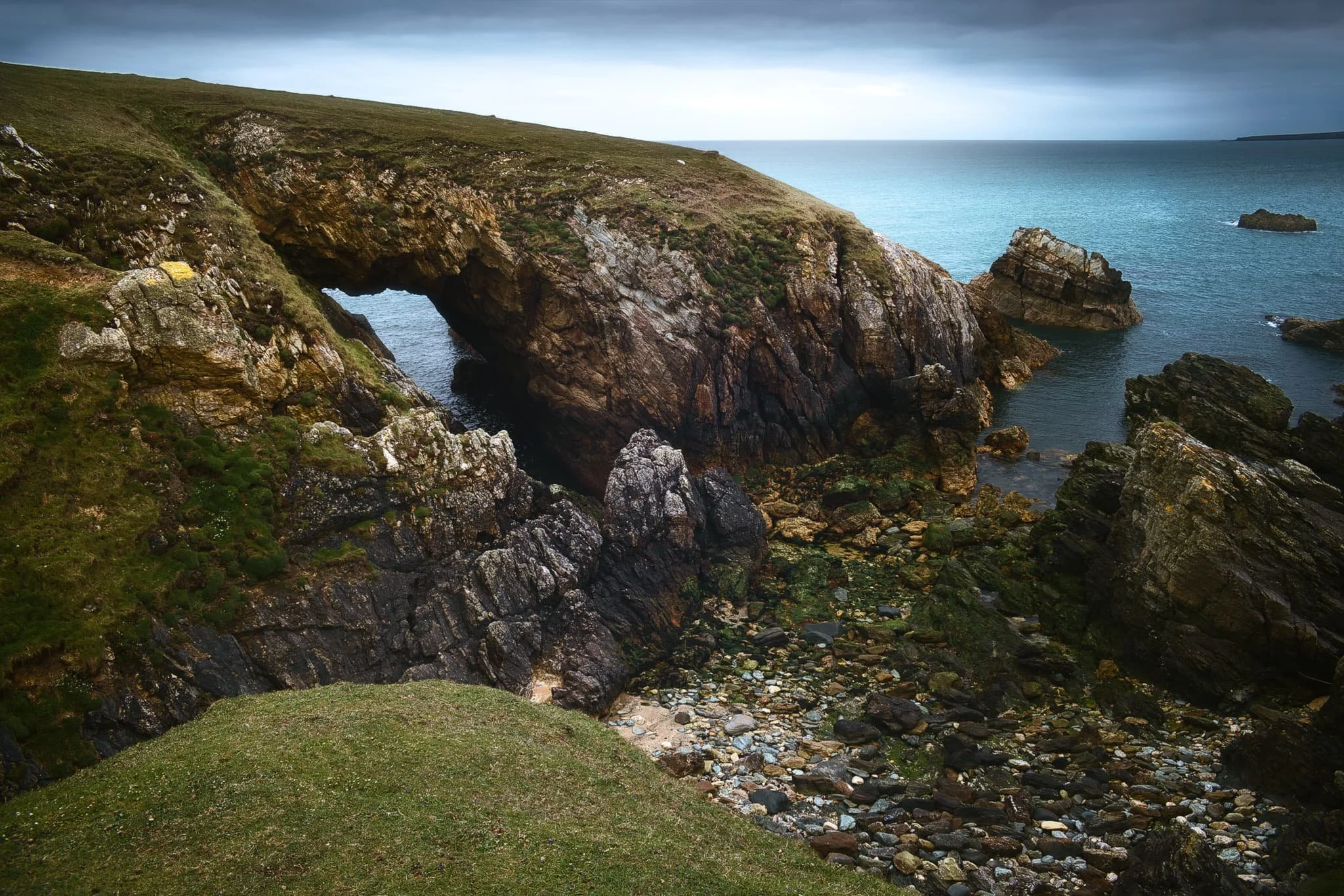
Ceibwr Bay (pronounced KYE-boorr) forms part of the Pembrokeshire Coast National Park. It’s known for its amazing cliff folds, a result of glaciation during the last Ice Age as well as the Ceibwr Bay Fault. We started our hike from further up the valley at Moylgrove, navigating the wooded valley down to the open bay. After gawping at the bay and snapping probably too many photos, we followed the trail up the cliffs along the western side of the bay. Our goal, ultimately, was to visit Pwll y Wrach, known as the “Witches Cauldron”, a collapsed cave.
Where better to enjoy the last of summer than on the Welsh coast?
We’ve been to a fair bit of Wales, including Snowdonia, Bannau Brycheiniog, Anglesey, and Pembrokeshire. However, there’s a good chunk of “Mid Wales” that we haven’t touched, especially the coastline around the Cardigan Bay. This was the destination of our recent one week stay.
It finally feels a bit more like summer.
After one of the wettest summers I can remember, a bright weekend was looking up. Both feeling the need to soak up some VitD and get some miles in, we made our way once again into the Yorkshire Dales. It’d been a while since we visited the beautiful Ribblesdale area around Stainforth so we plotted a good 10km circular, taking in Catrigg Force, the Winskill Stones Nature Reserve, and Langcliffe.
It finally got me.
Four years since the COVID-19 Pandemic, I got the disease.
Thankfully—in a way—as a Type-2 Diabetic, I’ve had more COVID vaccines and boosters than your average person. As a result, my symptoms were minor and I came out the other side unscathed. My other half, unfortunately, had a worse time with it.
Lancashire has little treasures of its own.
Thinking away from the Yorkshire Dales and the Lake District, we decided instead to explore more quiet parts that the Lancashire countryside has to offer. Situated on the north-western edge of the Forest of Bowland, within the Lune Valley—and not too far from Lancaster—one can find the Crook o’ Lune area.
In most seasons, Kirkby Lonsdale is lovely.
But during summer, it’s impossibly pretty.
The last couple of weeks my focus has primarily been helping the Better Half recuperate after double Carpal Tunnel Relief surgery, hence the lack of content on this website. But, with the removal of stitches on the horizon, a gorgeous weekend was looking promising, so we made our way to beautiful Kirkby Lonsdale for a gentle walk around the town and its environs.
Time for somewhere new.
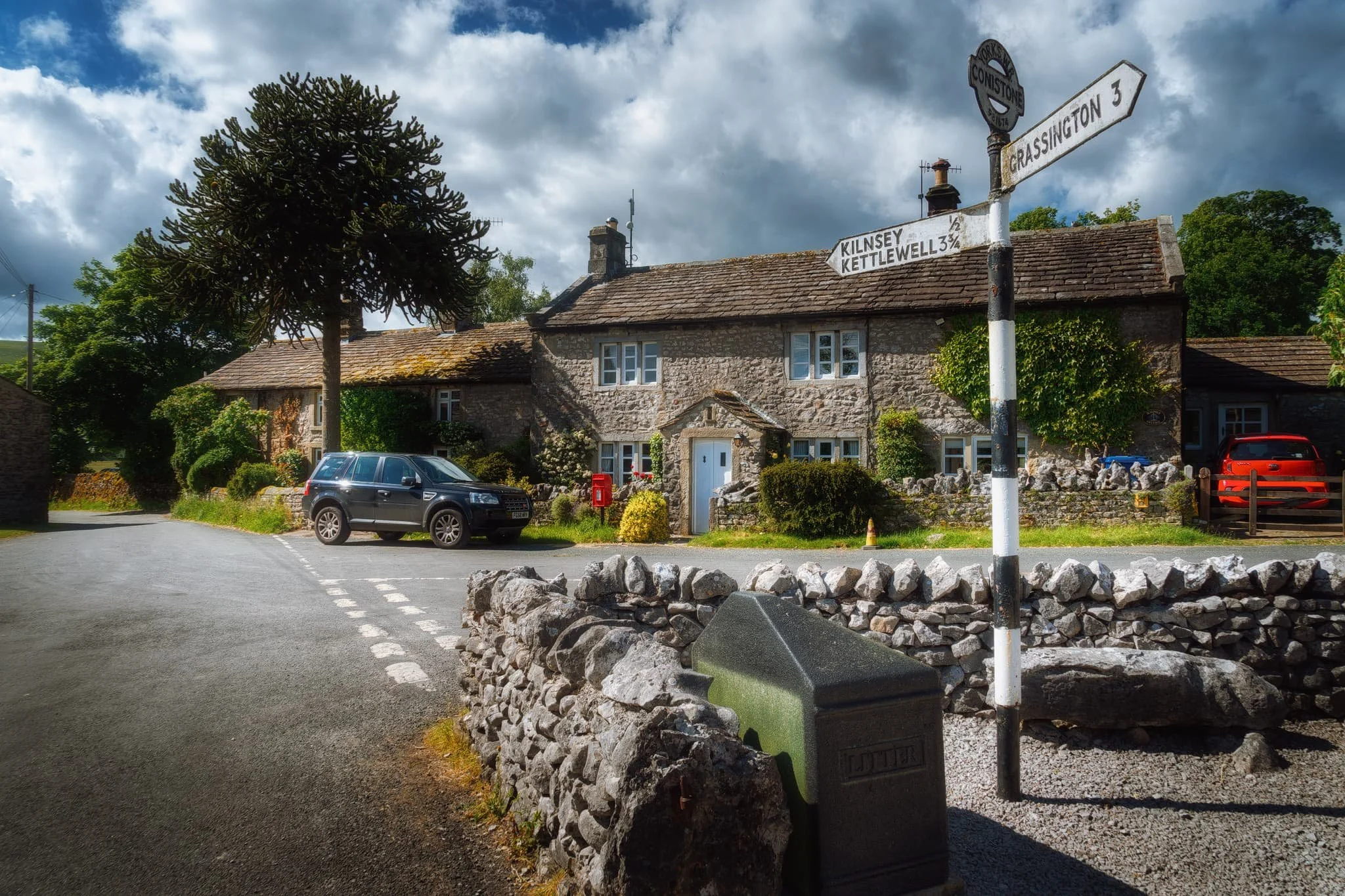
The weekend was looking massively busy in Cumbria, what with the Appleby Horse Fair, Dave Day, and the Great North Swim, amongst other things. So with a cool and windy Saturday in stall, we head east once again into the Yorkshire Dales to explore somewhere new, to us: Conistone.
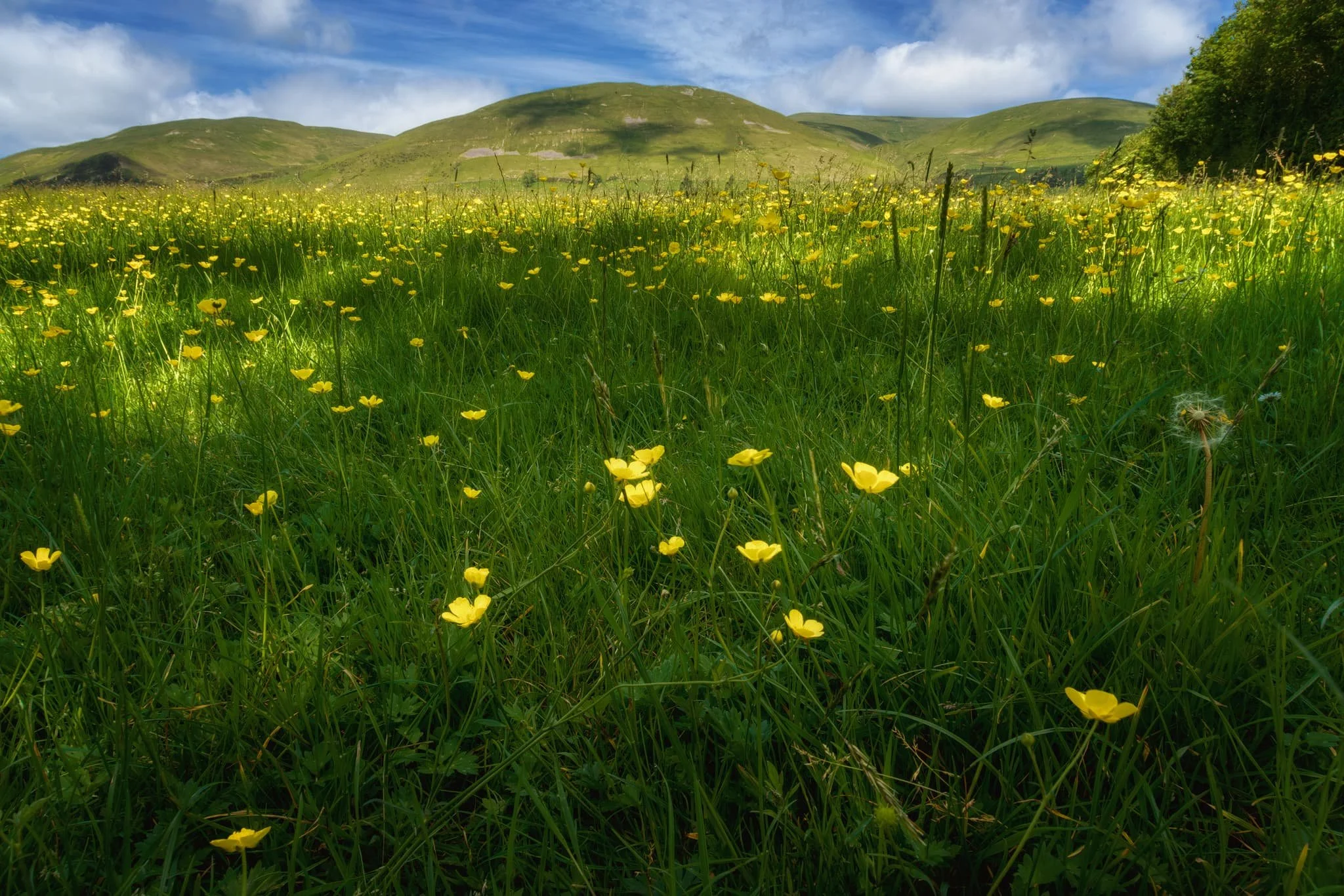
It’s summer! Y’know what that means? Wild flower meadows.
We’re rather fortunate to live where we do, sandwiched between abundant nature. You can take your pick of beautiful places to see wildflower summer meadows. A particular favourite is Swaledale in the Yorkshire Dales.
A wet Bank Holiday weekend finally gave way to a glorious evening.
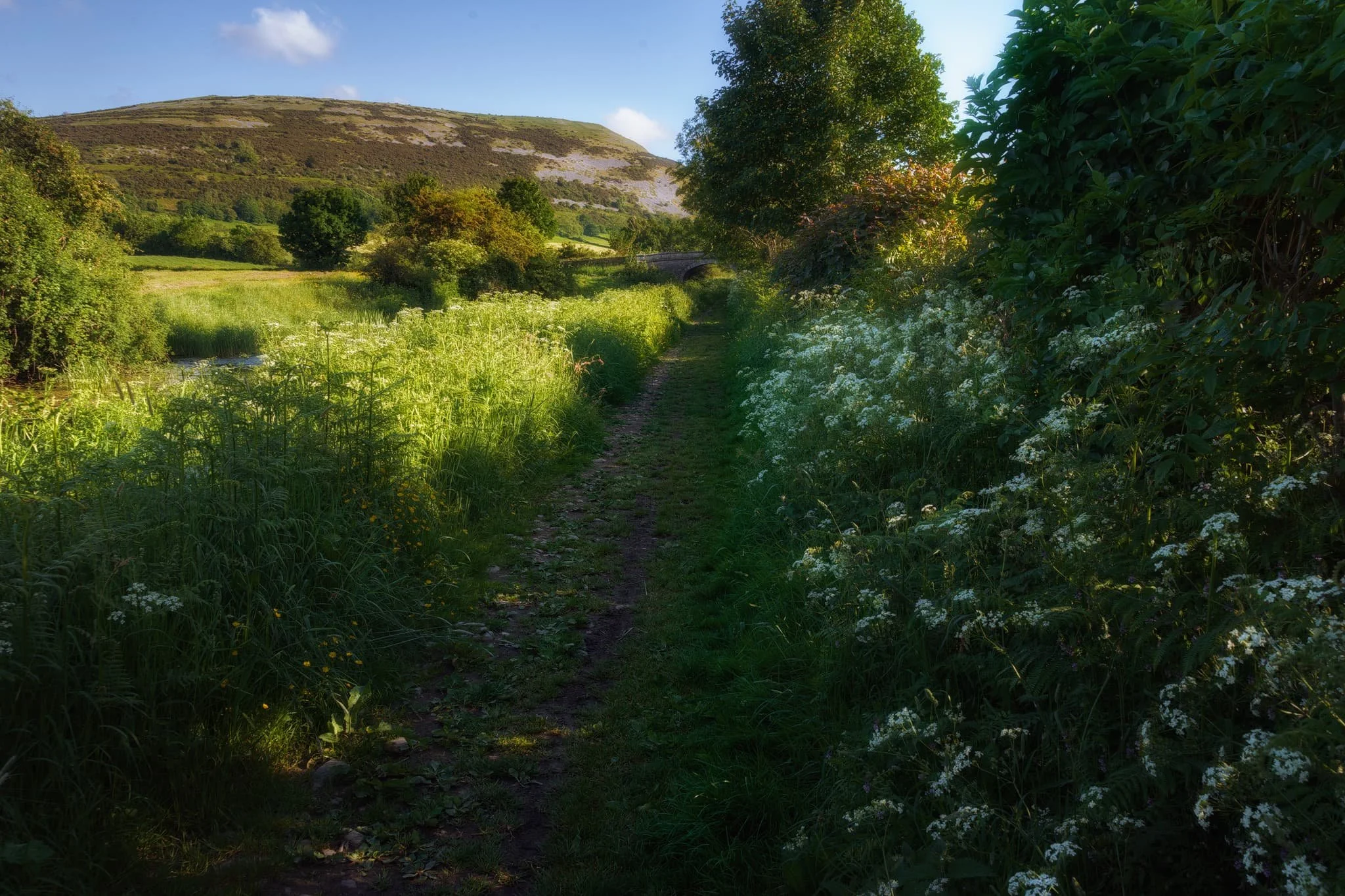
With little time off left, we decided on familiar jaunt that nevertheless is always a pleasure to do: Lancaster Canal’s Northern Reaches.
It’s been nearly a month since my last post.
I must apologise for that. Times, they are a’ changin'.
To start, we moved house! That in itself has consumed most of my time and energy, as house moves usually do. Thankfully we’re now all settled in and getting down to the important things in life, like looking at curtain textiles and measuring all the things.
I don’t explore the Yorkshire Dales enough.
After finally getting over my post-Skye mourning and depression period, it seemed like spring finally arrived in Northern England.
Aware of how busy the [Lake District](/blog/tag/lake district) would be, we instead ventured east to the [Yorkshire Dales](/blog/tag/yorkshire dales). We quickly realised that we hadn’t explored the Feizor area of the Dales in a long time, like maybe 7-years or so. Time to fix that.
The last series of photos from our Skye spring 2024 trip.
There’s a part of me that doesn’t want to post these, because it concludes in a way that we’re no longer on Skye.
We’ve only been to the tiny isle of Oronsay once before.
This was back in autumn 2020, before the 2nd pandemic lockdown happened.
Conditions on that occasion were cloudy, flat, and grey. But still, the scenery and views were stunning and we vowed to return again.
For our 1st full day in Skye, we gradually eased ourselves in.
Driving 7–8 hours can take it out of you.
So, with pleasing light conditions, we aimed straight for arguably the island’s main settlement, Portree. There’s a fairly well-known hike one can do from Portree, known as the Scorrybreac circuit. You head northeast out of town, take the coastal path below the cliffs of Ben Chracaig, navigate around the corner at Sgeir Mhòe, and follow the coastline towards Toravaig, with magnificent views down the Sound of Raasay and the cliffs of Sìthean a’ Bhealaich Chumhaing. Then it’s a question of hiking up the sharp ascent to Ben Chracaig and onto the path and road back down to Portree.
The sheer variety along Skye’s coastline is ridiculous.
Basalt columnar cliffs? Billion-year old boulders? White sand? Knife-edge sea stacks? Waterfalls? Sea caves? Skye’s got it all.
And—at An Corran, Staffin—there is the “Jurassic coast”.
It’s so hard to ignore the Quiraing when you’re on Skye.
Comprising the northernmost aspect of the Trotternish peninsula landslip, the Quiraing is a true marvel. It features sheer cliffs 150 m tall, emotive and otherworldly geological formations such as the Prison, the Needle, and Table, as well as individual peaks formed from ancient landslips such as Cleat and Bioda Buidhe.
Skye’s Sleat peninsula often gets overlooked.
It’s understandable why. When the island contains wonders such as the Cuillins, the Quiraing, the Storr, the Fairy Pools and more, why would you go to the extreme south/south-west of the island?
I have returned from my fifth visit to Skye.
God damn I love that island so much.
What definitely helps, apart from the fantastic scenery, is that for entire week of our stay the weather and light conditions were fantastic.
A brief respite amongst all the rain.
Despite the weather, this week has been as busy as ever. A large part of that is simply that it’s half-term for schools. Still, we figured people would be starting to head back home, so the Lake District wouldn’t be as busy.
A month since my last post.
I do apologise.
The weather in January has been, well, shocking to say the least. We endured three named storms: Henk, Isha, and Jocelyn. Isha, in particular, was one of the most powerful storms the British Isles have seen since 2000.
The winter lurgy has struck.
Following a lovely hike around Ambleside, Lisabet came down with a rather nasty cold and I followed suit soon after.
We’re both at the tail end of this bug now, but with depleted energy levels as can be expected. A crisp, clear, and super cold Sunday greeted us, so we set off towards the impossibly bonny village of Grasmere for a wee waltz around the area.
Temperatures have plunged.
The nigh persistent rain of November and December has given way to a sub-zero climate and clearer conditions. Much better.
With a bright Saturday forecast, Lisabet and I ventured into the heart of the Lake District and major tourist hotspot, Ambleside. We wanted to do two walks: one, a small circular of Stock Ghyll Force, the other bigger hike up to High Sweden Bridge.
Happy New Year, everyone! Here’s to a more peaceful and gentle 2024.
Though I’ve enjoyed time off work between Christmas and New Year, it’s not exactly been pleasant. Storm Gerrit washed across the UK, rendering most days miserably wet. There were even tornado warnings, largely unheard of in the UK.
It’s been a while since my last post.
Apologies.
I hope every one has had a nice and/or peaceful Christmas.
Following the arctic blast at the beginning of December, the UK has been wet. Two storms washed over the British Isles—Elin and Fergus—bringing with them intense winds and lots of rain.
Winter has arrived rather abruptly.
After a week of near- and sub-zero temperatures, the weekend arrived and the snow fell. In Kendal, conditions didn’t seem too bad so we decided to hop int’ car and head into the Lake District proper for some lovely snowy mountain photography.
My first time in Durham.
On the day of our anniversary proper, we woke up nice and early for a full day exploring the historical city of Durham.
I’d never visited the city before. Durham didn’t let me down. The day was bright and clear, bouncing golden light off Durham’s architecture, both modern and ancient.
Towards the end of Peak District foray, we decided it was time for something more historical.
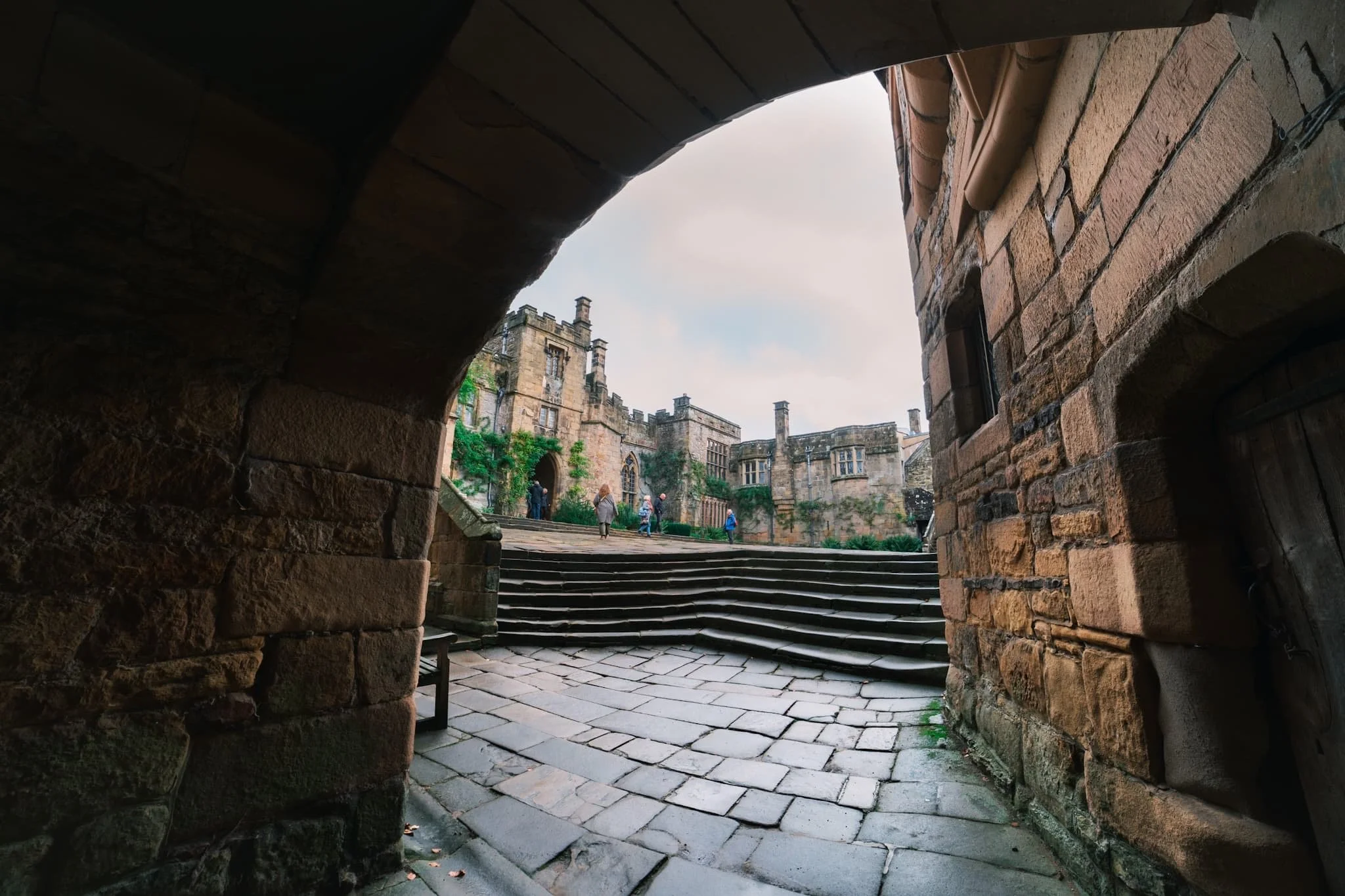
Lisabet had zeroed in on a grand building near Bakewell known as Haddon Hall. It has been described as “the most complete and most interesting house of its period”. The origins of the hall are from the 11th century, with additions at various stages between the 13th and the 17th centuries, latterly in the Tudor style. Due to the building becoming uninhabited for two centuries until the 1900s, a lot of its tudor and medieval heritage has survived the modernisation of the Georgian and Victorian periods.
Buxton. Spas. Spring water.
A certainty on our itinerary when holidaying in the Peak District was to explore the historical spa town of Buxton.
Though almost slap-bang in the middle of the Peak District, Buxton isn’t actually in the National Park. Look…
I don’t visit cities enough.
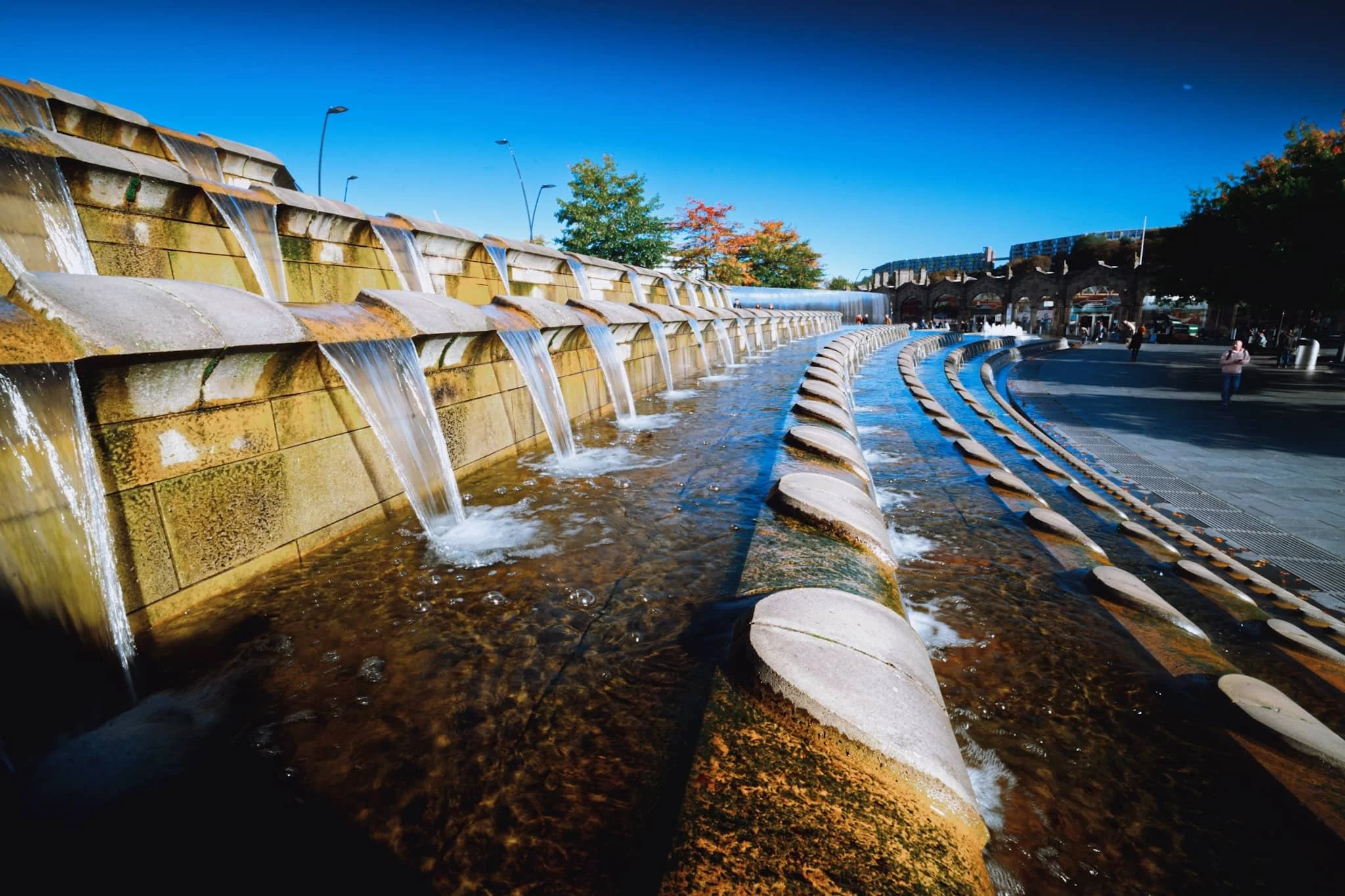
And with staying in the Peak District, we found an opportunity to get on the (extremely busy) train for a day out in Sheffield.
I’d never been to Sheffield before.
Perhaps the Peak District’s most famous edge.
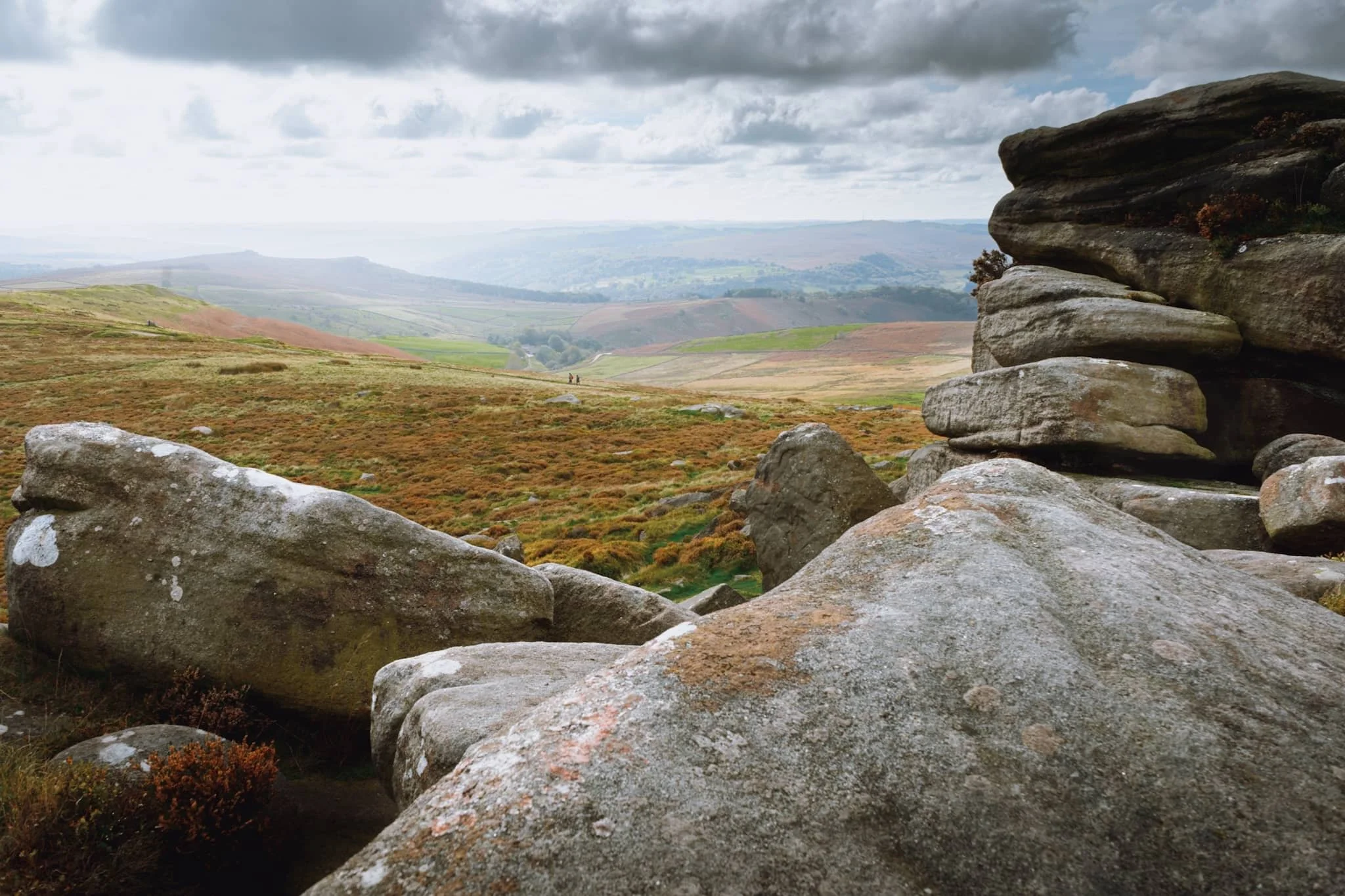
Froggatt Edge and Curbar Edge were epic enough. But further north, above the bonny village of Hathersage, one can find the massive 3.5-mile long Stanage Edge, which peaks at High Neb 458 m (1,503 ft).
From the Dark Peak to the White.
In my last post, I talked about how the Peak District can be broadly split into two areas: the Dark Peak and White Peak. They reflect the predominant underlying geology: gritstone for the Dark Peak, and limestone for the White Peak.
If there’s one thing that the Peak District has a lot of, it’s Edges.
The Peak District can roughly be divided into two areas: the White Peak, and the Dark Peak. The naming is based on the underlying geology: the White Park is limestone, and the Dark Peak is gritstone.
Time to revisit more familiar areas.
Last time we attempted to explore Winnats Pass and Mam Tor was way back in May 2015. Back then I was considerably heavier and unfit. Since then I’ve lost a lot of weight and gained fitness. It would be interesting to see how I would fare tackling these locations compared to last time.
We’re in the Peak District for a fortnight!
The last time we explored the Peak District was way back in May 2015. Even then, it was only for a long weekend.
Autumn is coming.
Knowing that yet more rain was on its way in the afternoon, and that our best chances were further east, we elected to head into the Yorkshire Dales. Here we embarked on a nice 10 km hike, taking in the epic Linton Falls, timeless Grassington, and Grass Wood Nature Reserve.
Here’s something a little different.
Every September volunteers for Heritage Open Days organise events and open up usually private buildings to celebrate the culture and heritage of England. Best of all, all of these events and visit are free.
The last of the summer holidays.
After a lovely Friday evening in Dentdale, and a glorious Saturday in Kingsdale, we returned to the Lake District on Sunday for a hike to Colwith Force and back.
Flexibility can lead to great things.
We started a promising Saturday morning with a plan to hike up the highest peak in the Yorkshire Dales: Whernside (736 m/2,415 ft).
It would definitely be the highest peak we’ve ever ascended but we were planning to “cheat” a little bit. Below Whernside’s western flank is a valley called Kingsdale. There’s a road that runs from the south, near Ingleton, through and over Kingsdale before dropping back down into Dentdale. This road enjoys a few large passing places, one of which is near the summit of the road at 468 m a.s.l. In theory, we could park at the passing place and hike the minor trail up Whernside’s western flank to reach the summit, with only 300 m of actual ascent needed.
Time to revisit an old friend.
With fairer conditions promised, we head out as soon as I finished work on Friday evening. We’d managed to book a table at the Meadowside Cafe in Dent, but beforehand we wanted to get reacquainted with this magical valley.
A Bank Holiday Monday meant a day out with me Dad.
After heading down to Kendal to meet me we decided to let his new car “stretch its legs”, so head east into the Yorkshire Dales. A wander around Hawes and the beautiful Upper Wensleydale was in order.
The last few weeks have been… tough.
Not long after our hike to and around Stockghyll Force, I managed to acquire some form of vertigo for a few days, which was decidedly unpleasant. The following week, my lovely Lisabet came down with a rather nasty summer cold, and I managed to fall down the stairs, spraining my wrist and severely bruising my butt. Then the week after, I caught Lisabet’s cold.
Loads of rain means one thing: waterfalls.
Though certainly not as numerous or epic as in the Yorkshire Dales, the Lake District is still home to some lovely waterfalls.
Certainly one of the more accessible, yet grand, waterfalls is Stockghyll Force in Ambleside. We last hiked around here in June 2020, just as the UK’s COVID-19 lockdown was starting to ease off. Ambleside, usually one of the busiest honeypots in all the Lake District, was eerily quiet on that visit.
Here’s one we’ve not been to in quite some time.
After June’s dry conditions and soaring temperatures, July has been unseasonably cool, stormy, and wet.
A succession of wet weekends exhausted our patience, so Lisabet and I braved the Sunday and head into the Lake District.
After a thunderstorm, you need to get those vast and expansive views.
On the Saturday, the Met Office issued a Yellow Warning of thunderstorms and torrential downpours. This was very much needed as temperatures were starting to creep up to the mid 20’s again with 90%+ humidity.
Time for somewhere a little different.
We’re as guilty as anyone of succumbing to the familiar. Conscious of this, Lisabet and I booked a long weekend somewhere we’d never explored before: the moors of West Yorkshire.
I hope everyone had a lovely Summer Solstice.
When it comes to nature and the Summer Solstice, Lisabet and I are fortunate to have a variety of options on our doorstep. With a clear and cloudless evening ahead we decided on the expansive views offered at Arnside.
Being in nature with your best bud is one of life’s greatest treasures.
I recently had the privilege of heading Down South (and by Down South, I mean, Preston) to spend a weekend with my best mate, Fie. With the prospect of a gloriously sunny British summer’s day ahead, we decided on a wee little excursion up Longridge Fell, east of Preston.
Summer is upon us.
It’s been a month without any rain, and the temperatures are now consistently in the late teens/early 20s. Rivers and lakes are starting to dry up.
It was time to capture the last of this year’s bluebells.
We’re fortunate in Cumbria to have quite a few options when it comes to photographing glorious bluebell displays. On this occasion we decided to revisit a local favourite that also—coincidentally—tends to be quiet: Barkbooth Lot.
After returning from North Wales, but before returning to work, Lisabet and I decided on a wee spring jaunt up to Crina Bottom.
Crina Bottom is a 400-year old farmstead situated above Ingleton and below the peak of Ingleborough. The route to summit Ingleborough from Ingleton via Crina Bottom is one of the most popular trails to top this famous peak. As such, it’s nicely paved all the way, allowing for easy hiking as the views become increasingly gorgeous.
After getting some delicious mountain action, it was time to head back to the coast.
Anglesey is the largest island in Wales, and the 7th largest in Britain, separated from the North Wales by the narrow Menai Strait.
The morning of my 40th birthday.
We got up before the sun, devoured breakfast, and head straight into the heart of Yr Eryri for one of my favourite areas in the whole of North Wales: the Ogwen Valley.
Newborough beach and Ynys Llanddwyn is a magical place.
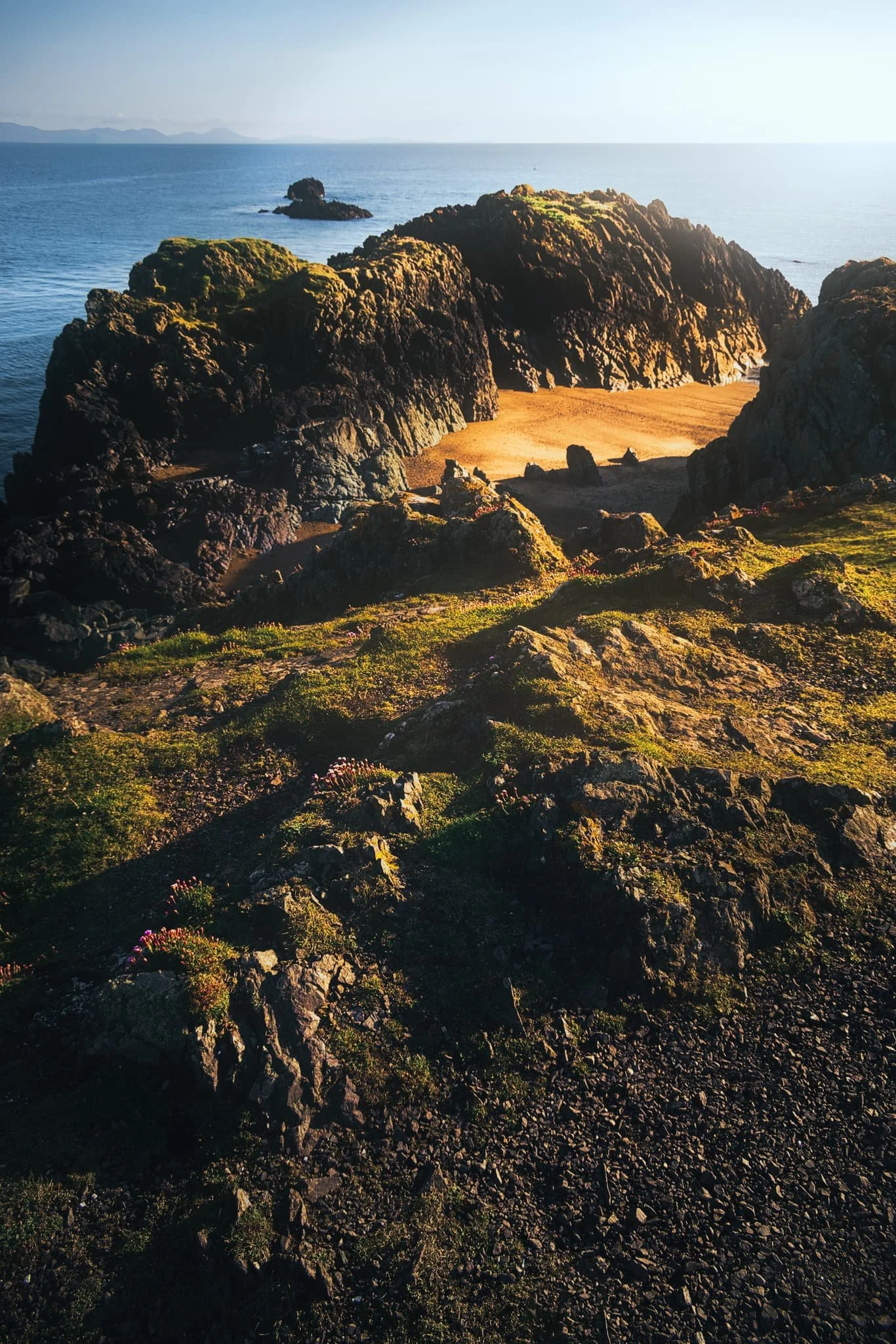
Located at the southern corner of Anglesey island (Ynys Môn), Newborough comprises of 2,000 acres of Corsican pine woodland, planted between 1947 and 1965 to stabilise the shifting sand dunes of Newborough Warren. Emerging from the forest, you enter the expansive sands of Newborough beach with crystal clear views across the Menai Strait to the Snowdonia/Yr Eryri mountains.
Much like South Wales, North Wales and Snowdonia has its fair share of waterfalls.
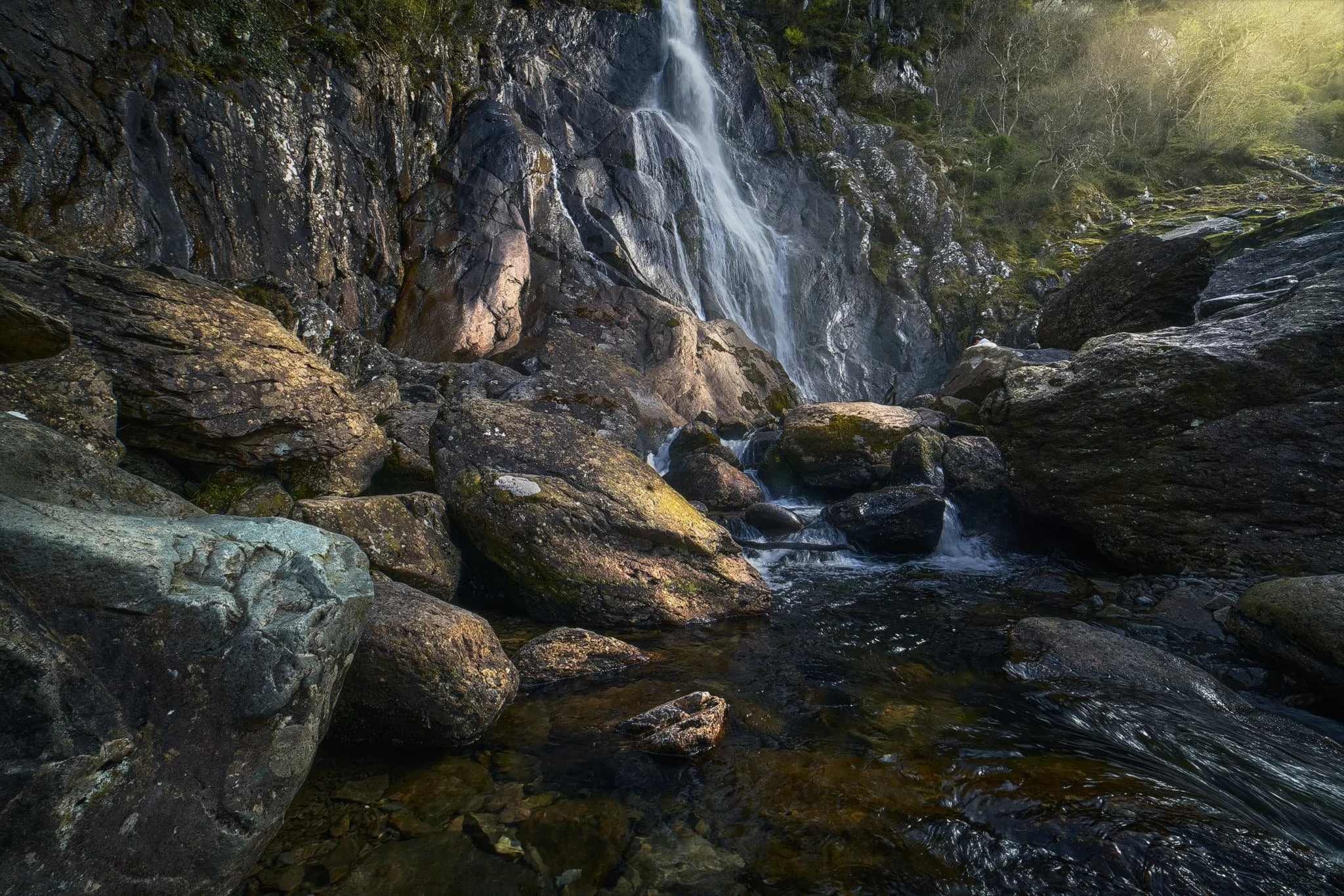
One such waterfall we’ve never visited before, and was relatively close to where we’re staying for the week, is Aber Falls, just south of the village of Abergwyngregyn.
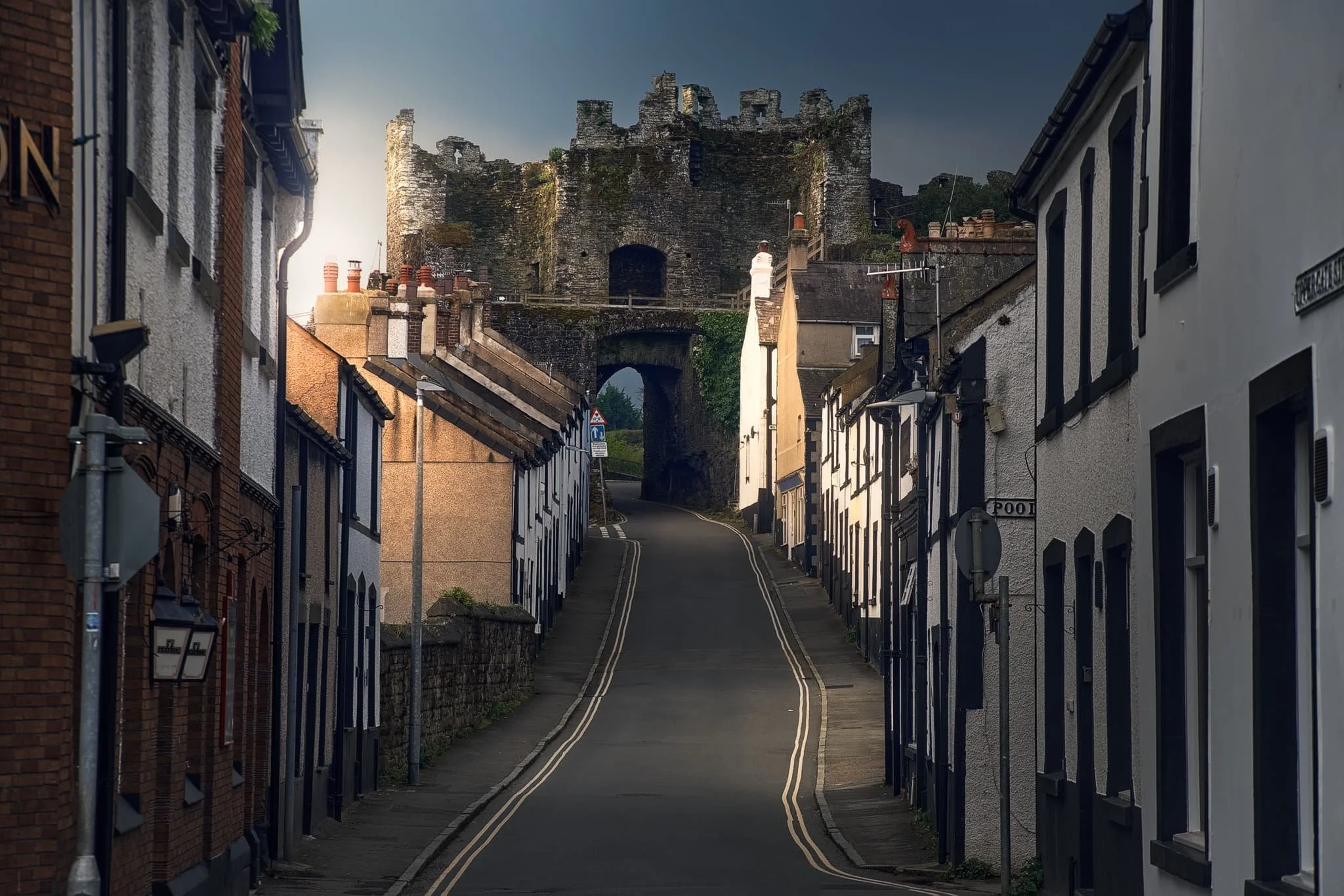
Conwy is a historical treasure trove.
Situated above the river of the same name, Conwy is a walled town with most of those structures surviving to the present day. The town is perhaps best known for its castle, which was built along with the walls in the late 13th century.
My first set of images made with my new Sony a7II.
A wee bit of backstory is needed.
My 40th birthday is fast approaching (if you’re at all curious, it’s on the 25th April). That’s right, the Big Four Oh.
The Lake District is known for many things.
Its lakes, of course. The fells. All the valleys. But also William Wordsworth, who was born in Cockermouth and called the Lake District home for much of his life. It was in the Lake District, wandering along the shores of Ullswater, that Wordsworth took inspiration from the plethora of daffodils along the lake’s shoreline, which ultimately resulted in his most famous poem, “I Wandered Lonely as a Cloud”.
Apologies for the delay since my last post.
Things have been on the change again, personally. Also, this last week I’ve endured a rather nasty stomach bug. The less said about that the better.