Time for somewhere a little different.
For a little while now we’ve had our peripheral vision on a little-known nature reserve in southwest Cumbria: Hodbarrow Nature Reserve.
Today was the day to visit and explore it.
The nature reserve occupies the site of a former iron ore mine, which was in operation until the 1960s. The RSPB purchased the nature reserve in 1986, and are managing the area to sustain numbers of terns, wintering red-breasted mergansers, as well as wintering teals, coots, little grebes, redshanks and dunlins, and breeding great crested grebes. They are also looking to re-establish the nationally rare natterjack toad.
While parts of eastern Cumbria and North Yorkshire were looking cloudy and rainy, the southwest Cumbrian coast at Millom was thankfully sunny and clear, with gorgeous painterly high-altitude clouds aiding our photos.
Photos taken on my Fujifilm X-T2 using my Vivitar “Series 1” 28–105mm f2.8–3.8 zoom and Laowa 9mm f2.8 prime lenses. Images are 90% made in-camera using Shark & Palm’s “Kodak Ektar 100” film recipe. Finalised using Affinity Photo 2 for iPad.
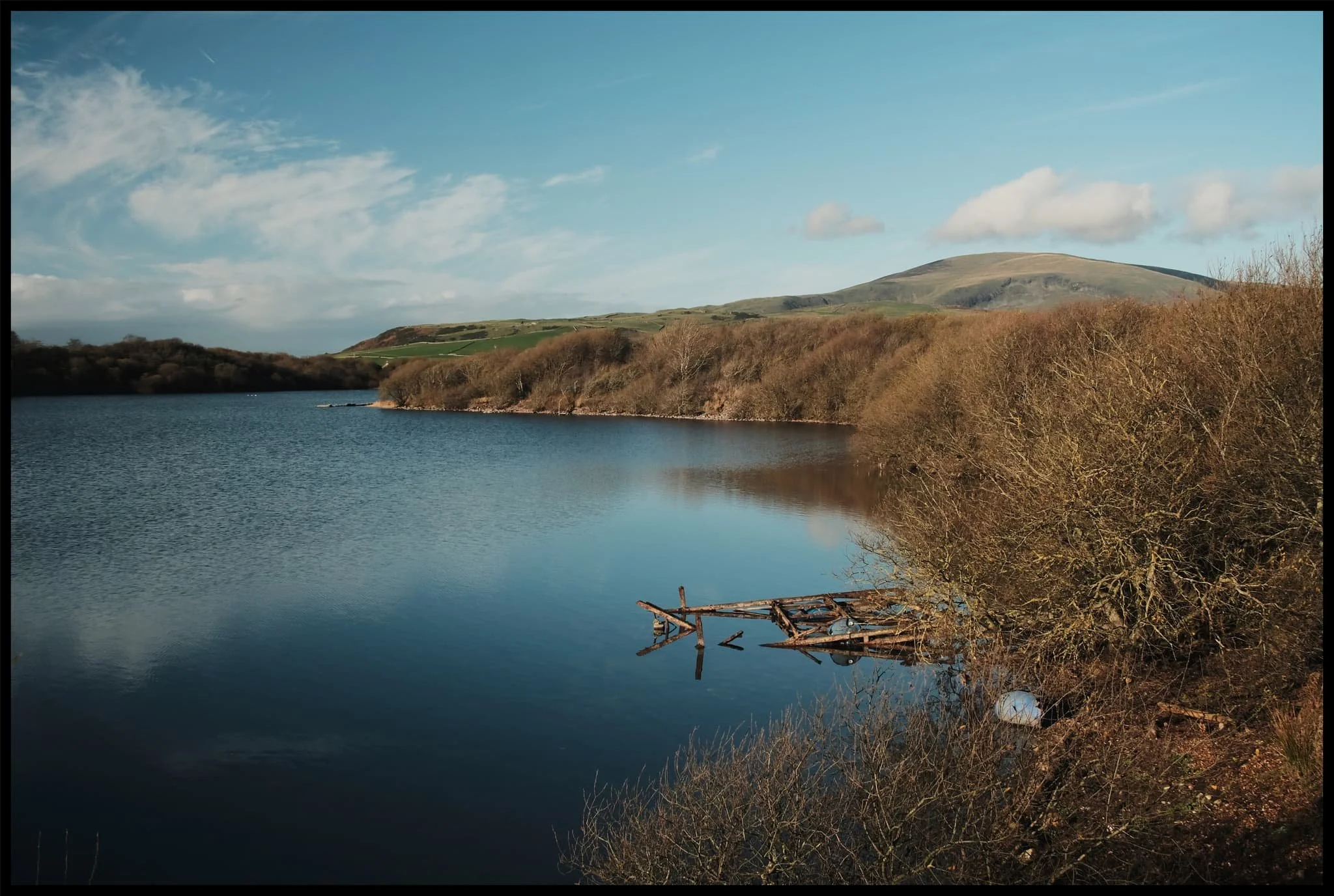
What became immediately obvious to me and Lisabet upon our arrival was how quiet the nature reserve was. Absolutely delightful.
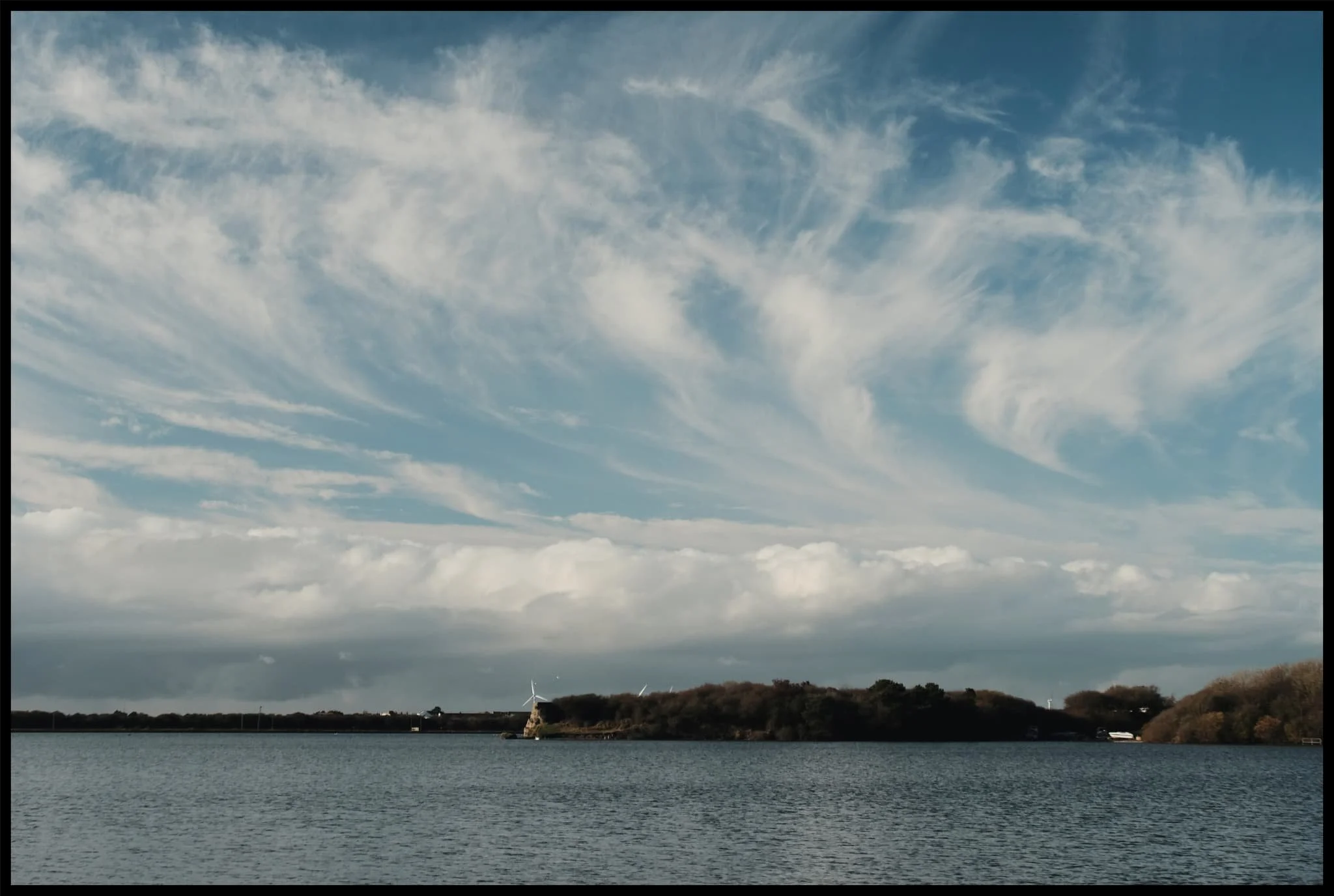
Beautiful “brush stroke” clouds decorated the skies above the flooded “lagoon” of the nature reserve.
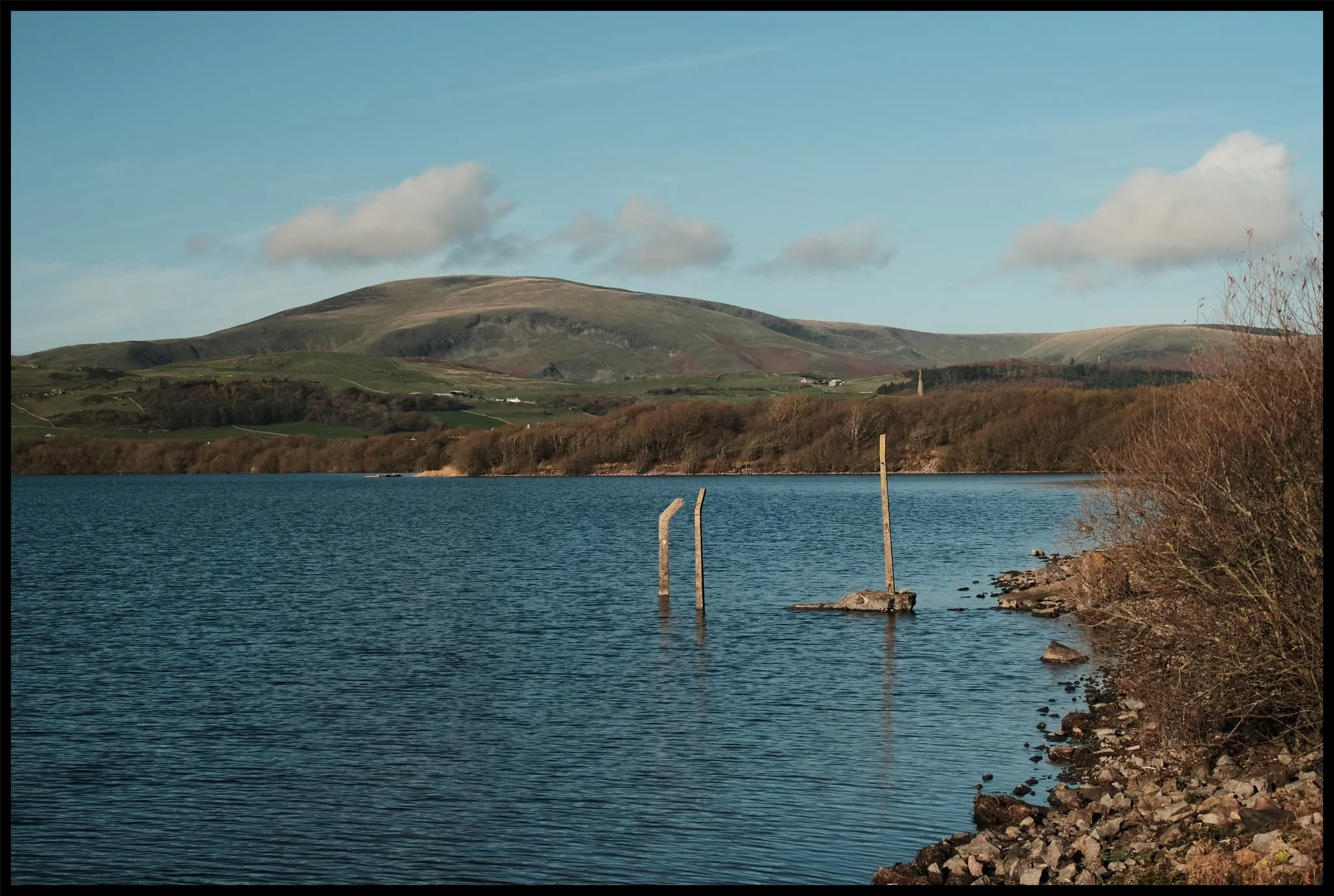
The fell that commands your attention all around the nature reserve is Black Combe, an isolated Lake District fell of 600m high.
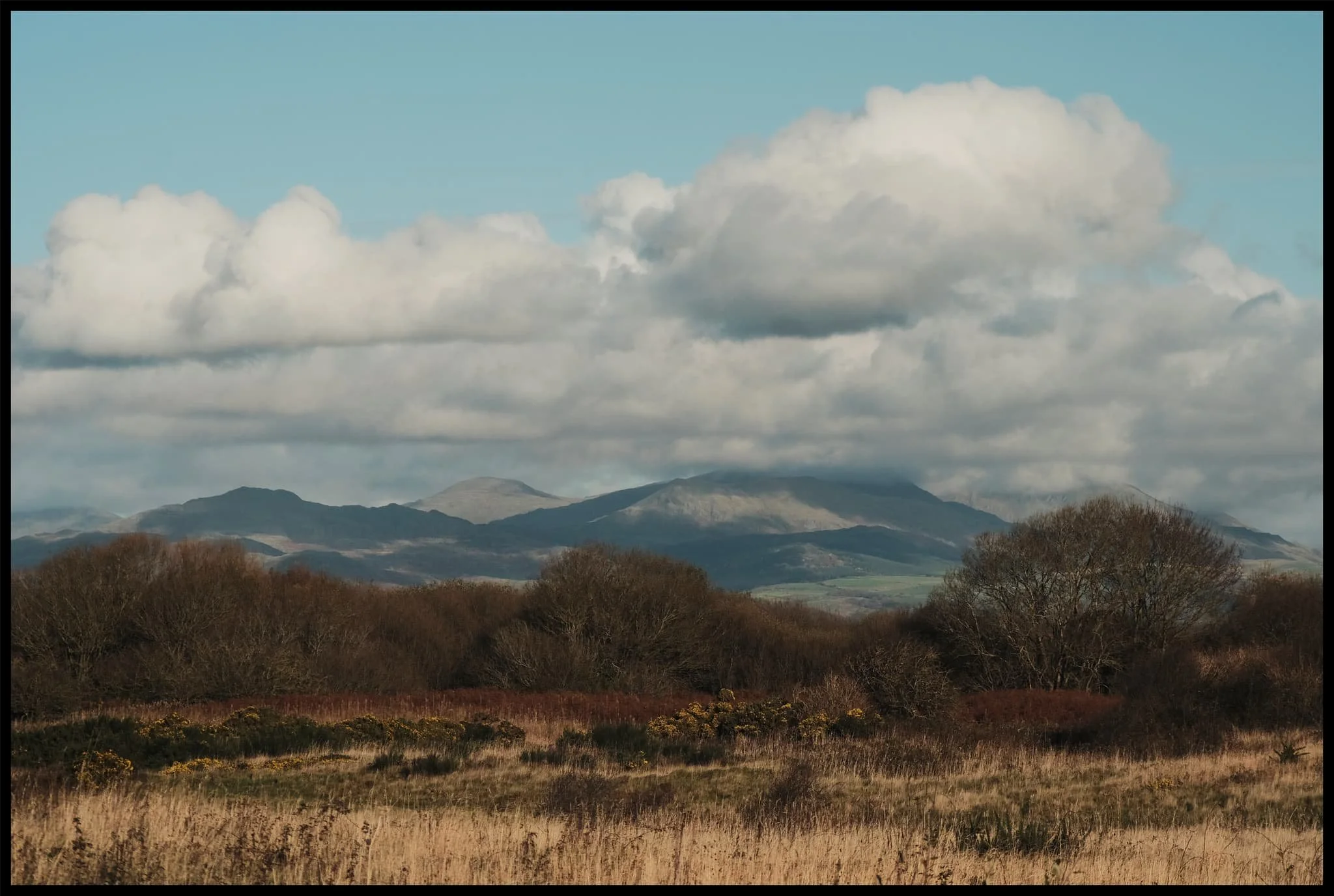
However, further into the distance are the Coniston fells, looking sublime as the clouds cast painterly shadows across the slopes of the fells.
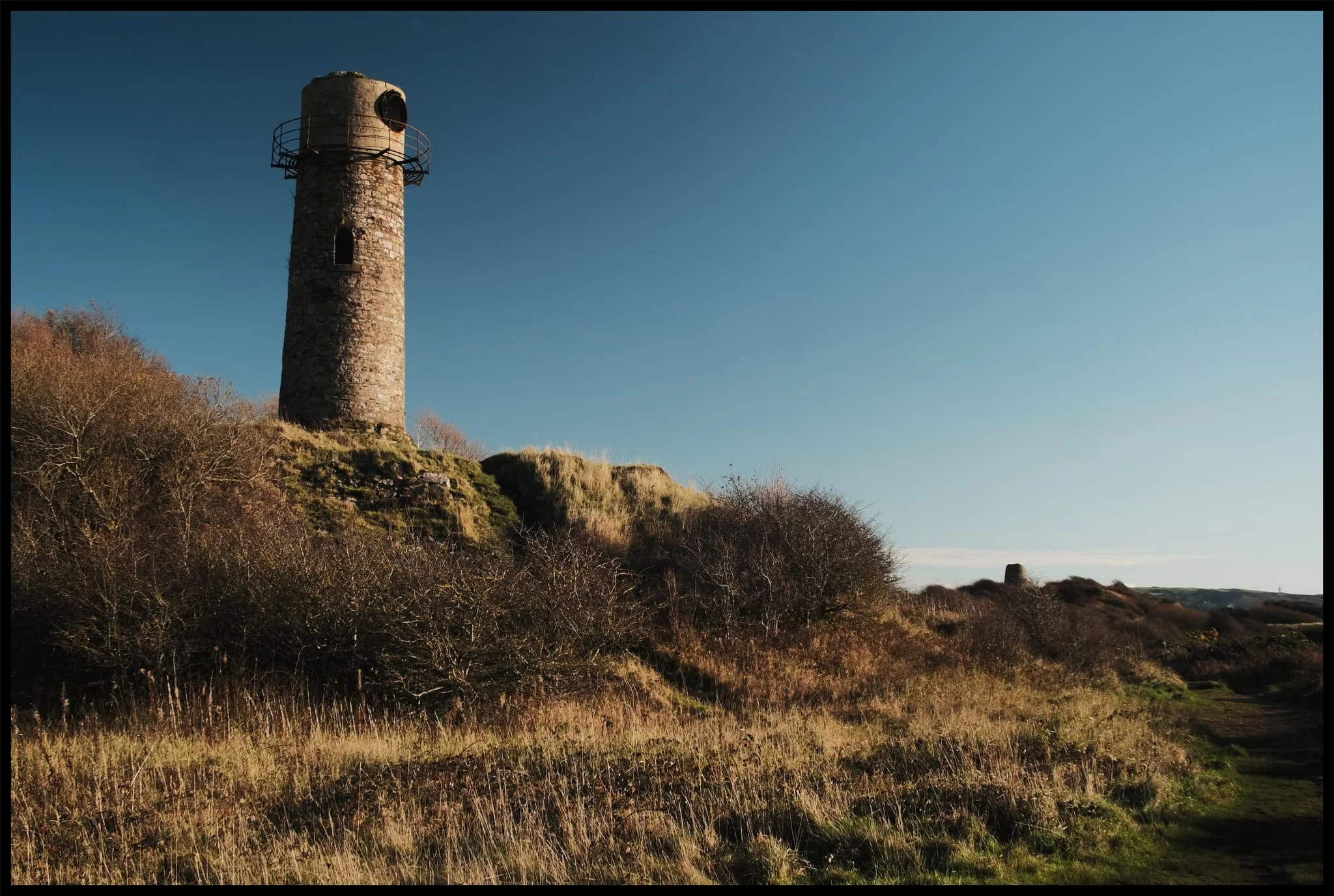
An old abandoned lighthouse, possibly abandoned in favour of the newer one further southeast of the nature reserve. The little stub of a building in the distance to the right is the ruins of a windmill. The old windmill was used by Hodbarrow Iron Ore Mine to store gunpowder, used for blasting, between 1855 and 1880, when a purpose-built facility was built.
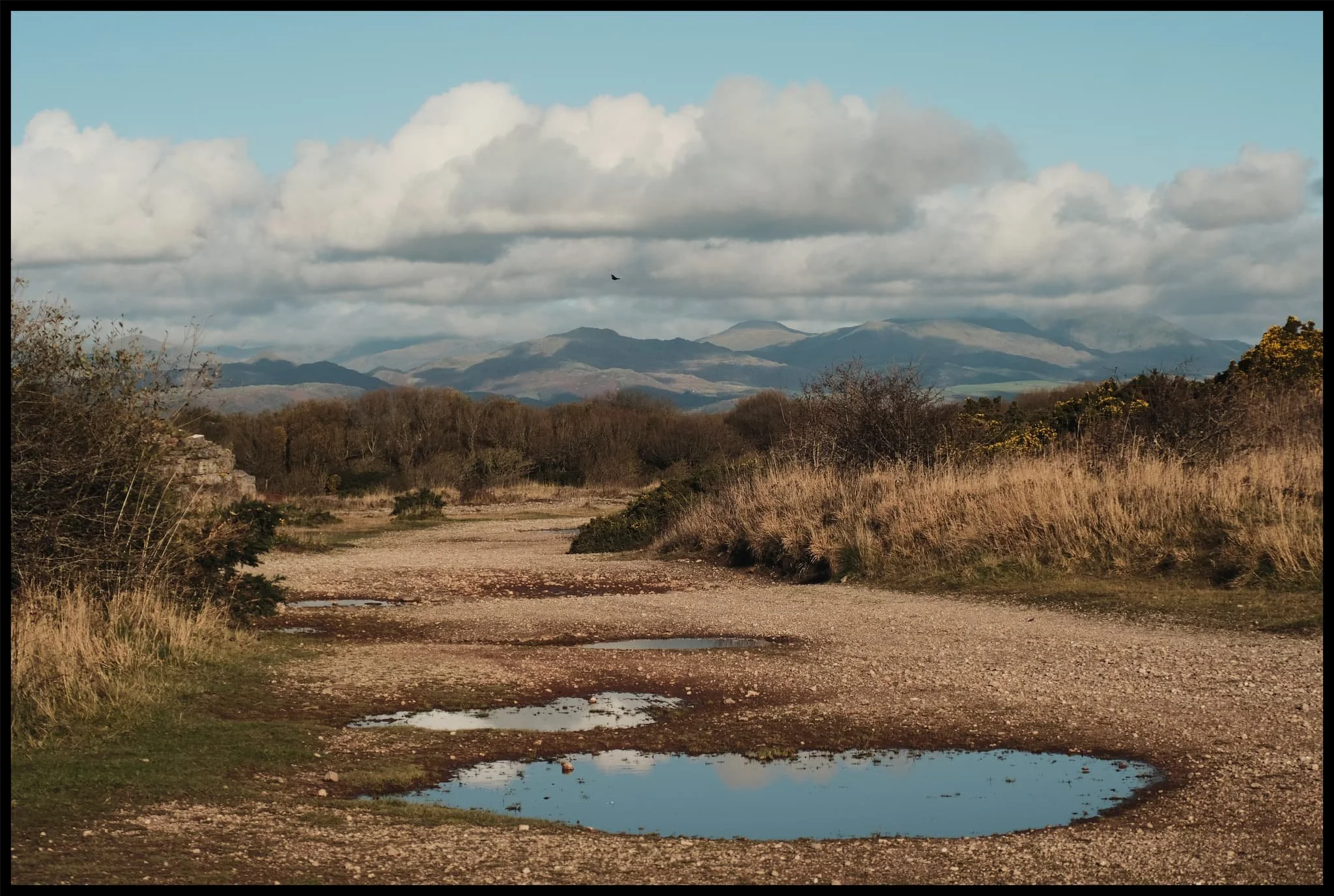
A clearer panorama of the Coniston fells.
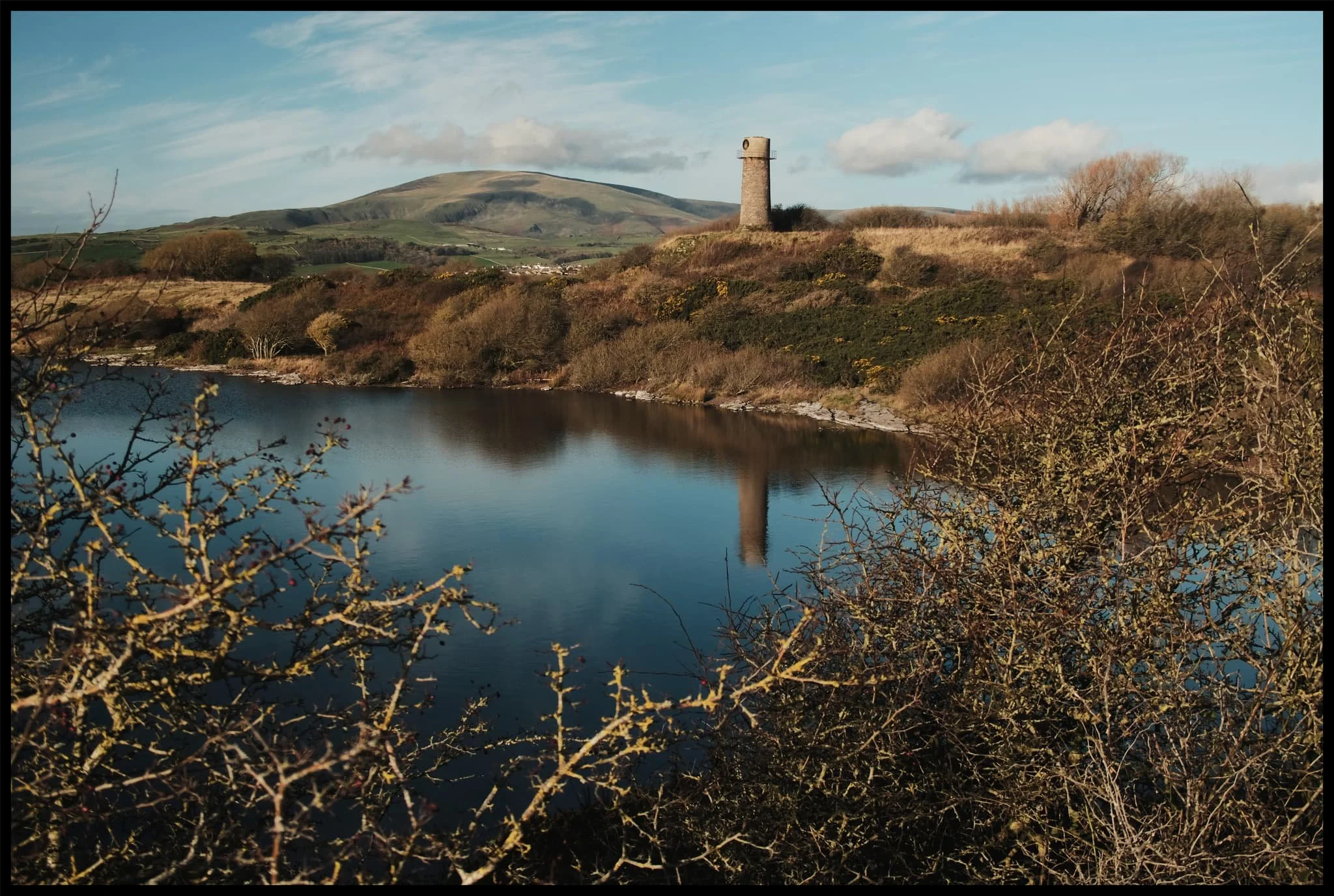
A crackin’ composition I couldn’t resist. The old lighthouse reflected in the lagoon with the hump of Black Combe in the distance.
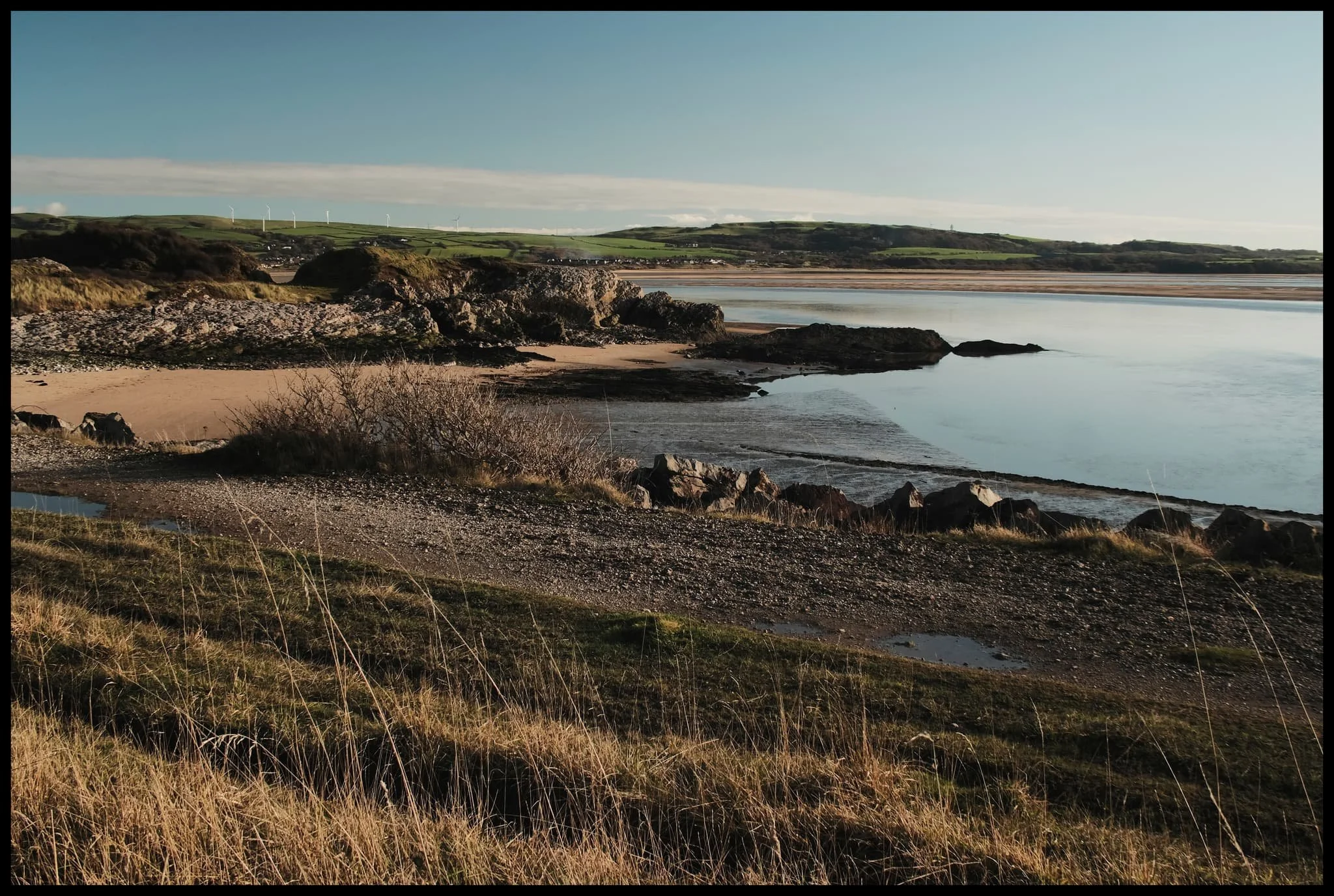
The crags of Hodbarrow Point, subject to constant erosion by the tides of the Duddon Estuary, itself connected to Morecambe Bay.
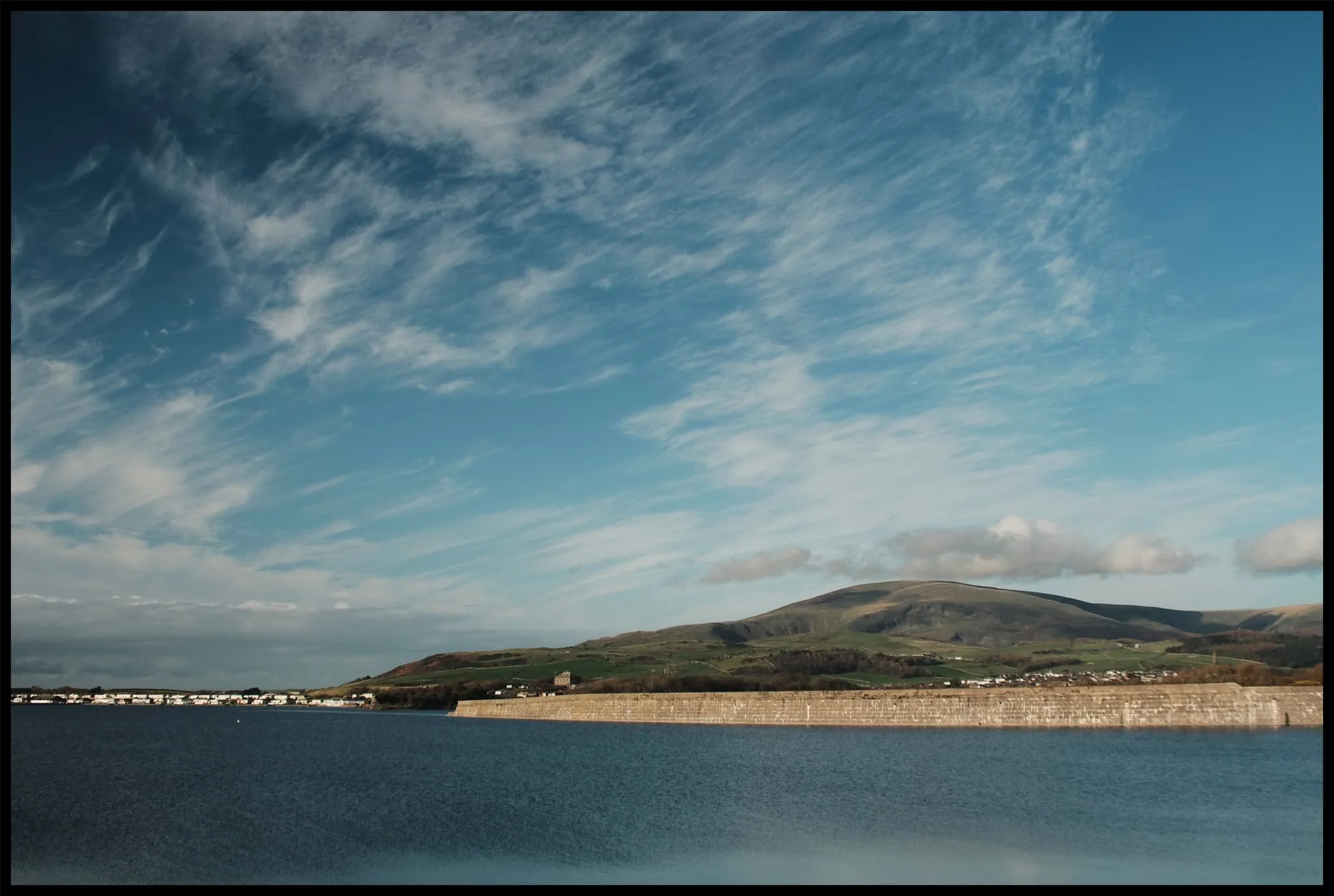
Beautiful strokes of painterly clouds adorn the skies above Black Combe. Attached to the nature reserve’s lagoon is the Hodbarrow Marina.
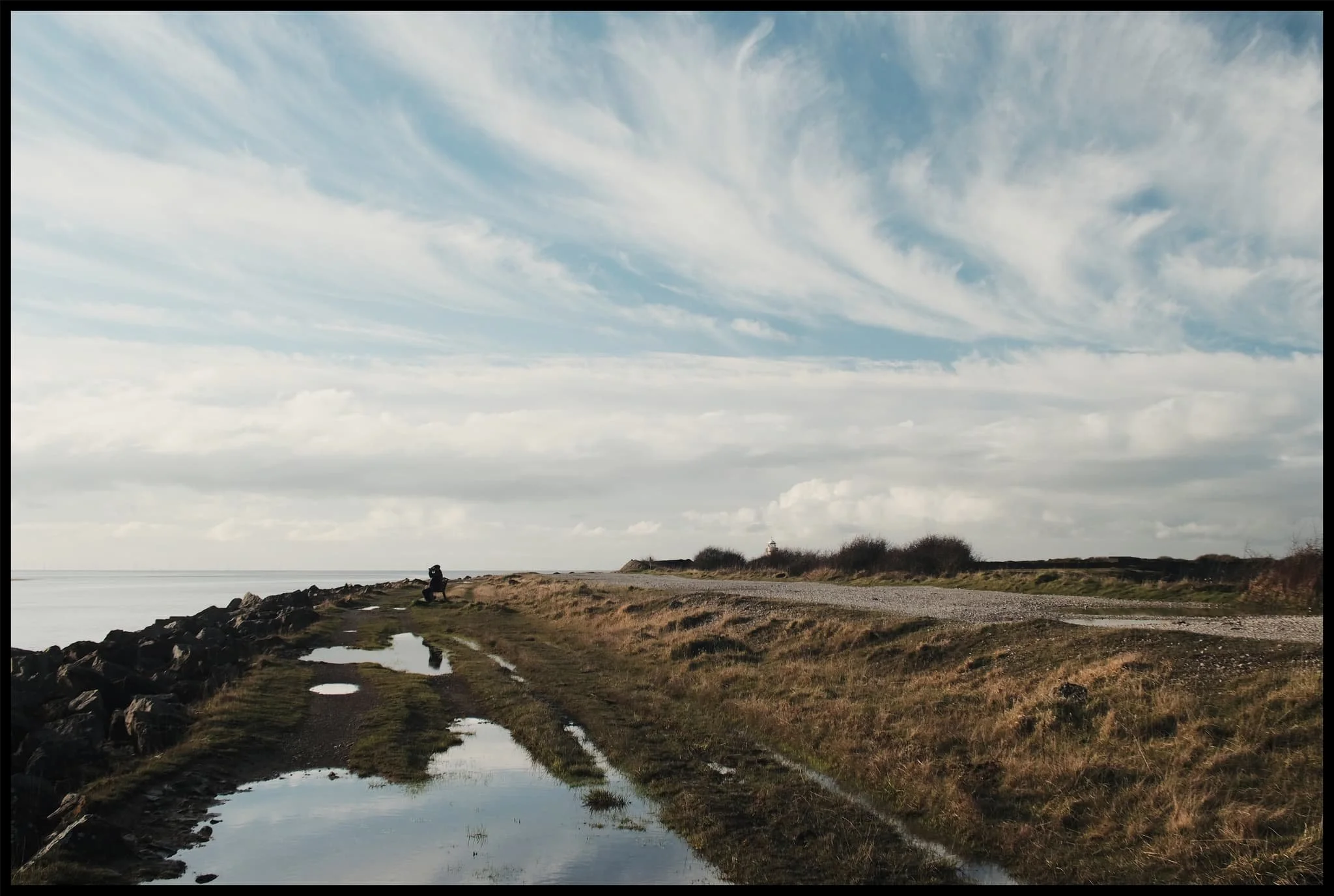
An old couple enjoy the views across the Duddon Estuary as feathery clouds streak across the sky.
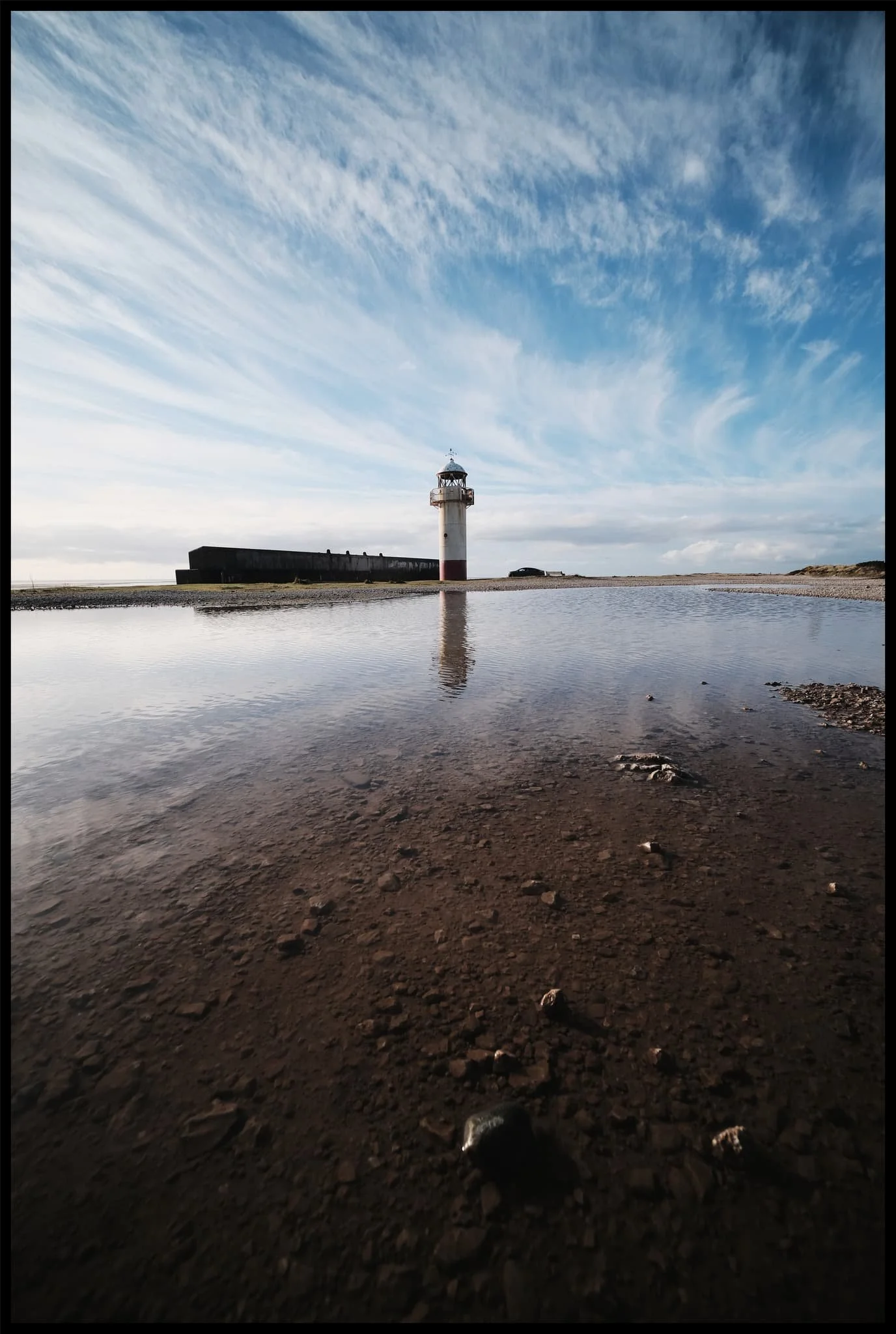
As we approached the newer lighthouse, I noticed lots of large puddles nearby the enticed me to try my hand at a reflection composition. Not bad.
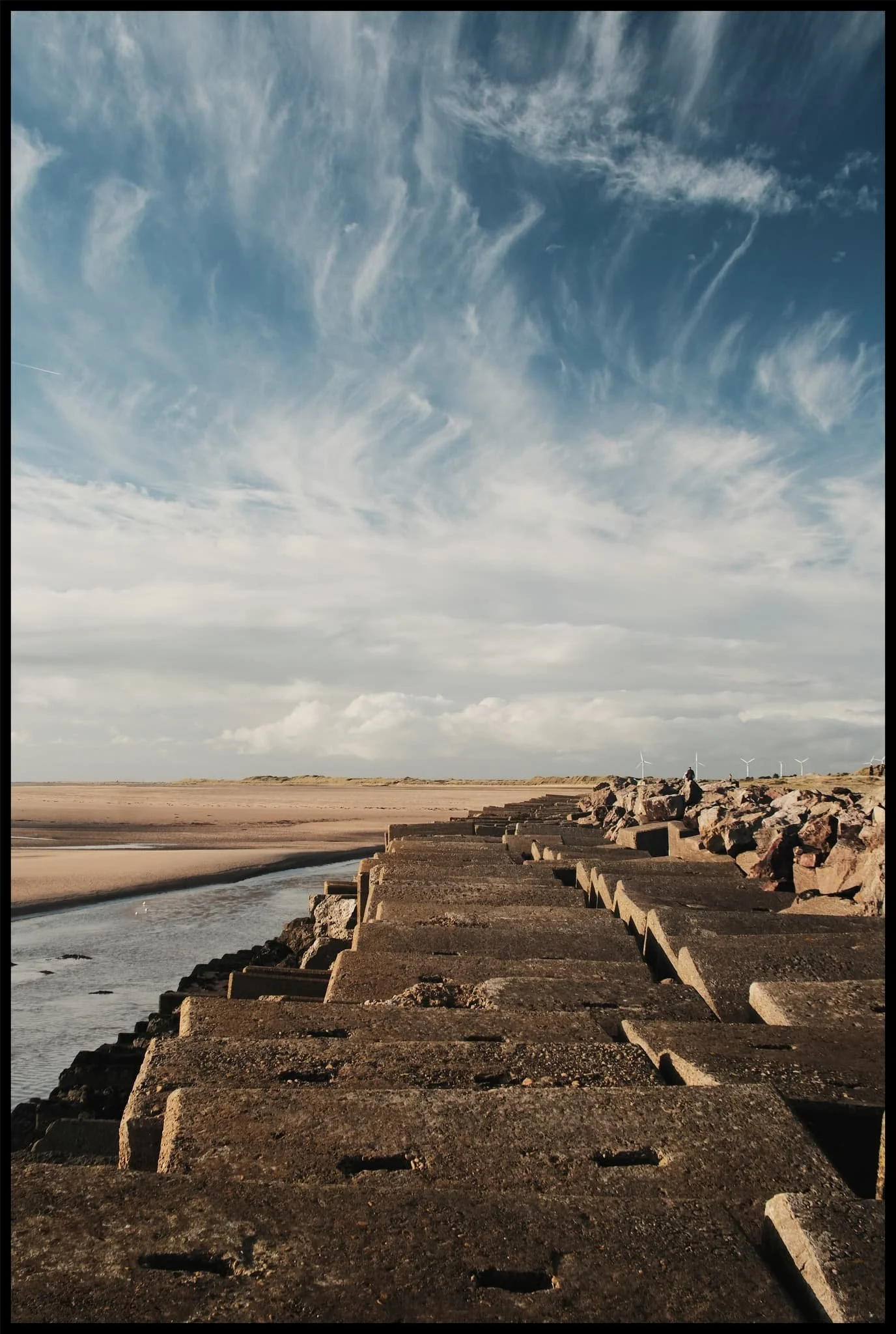
The “lagoon” of the nature reserve is protected from the sea by this beautiful sea wall, built in 1905.
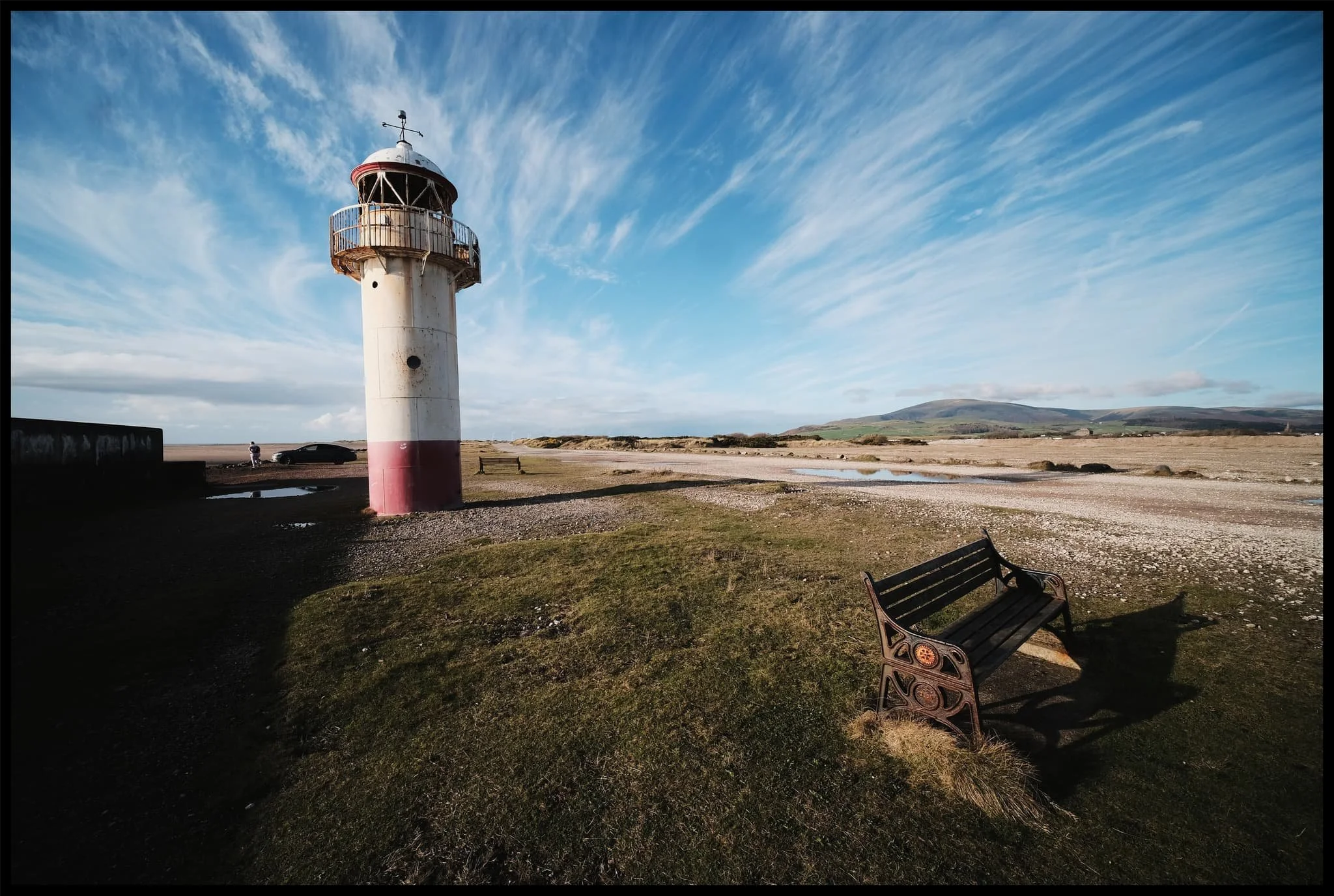
Faded grandeur. Plus the streaky clouds enabled an ultra-wide composition as they “pointed” towards the lighthouse.
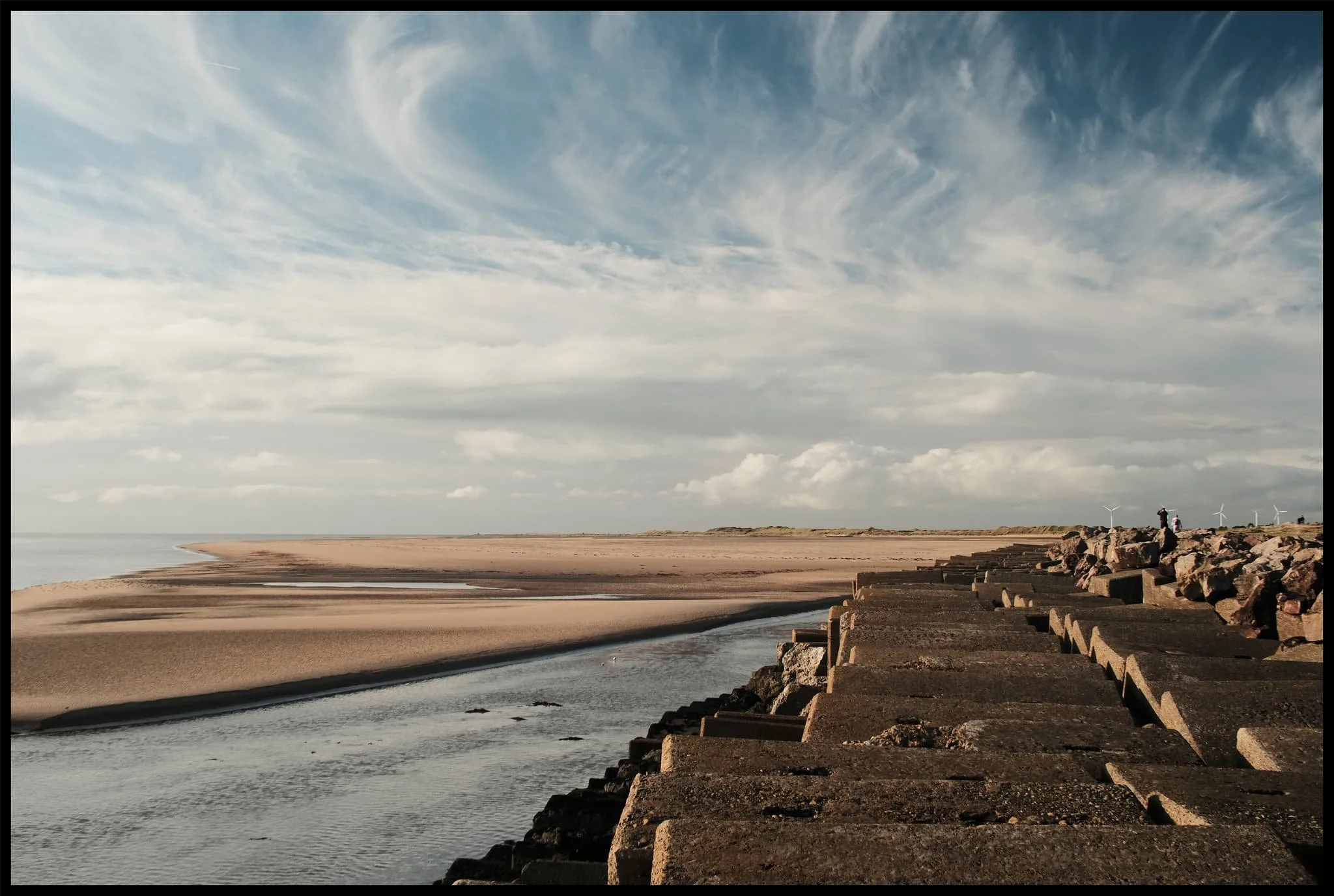
From the top of the sea wall, the ever-stretching expanse of Haverigg beach comes into view.
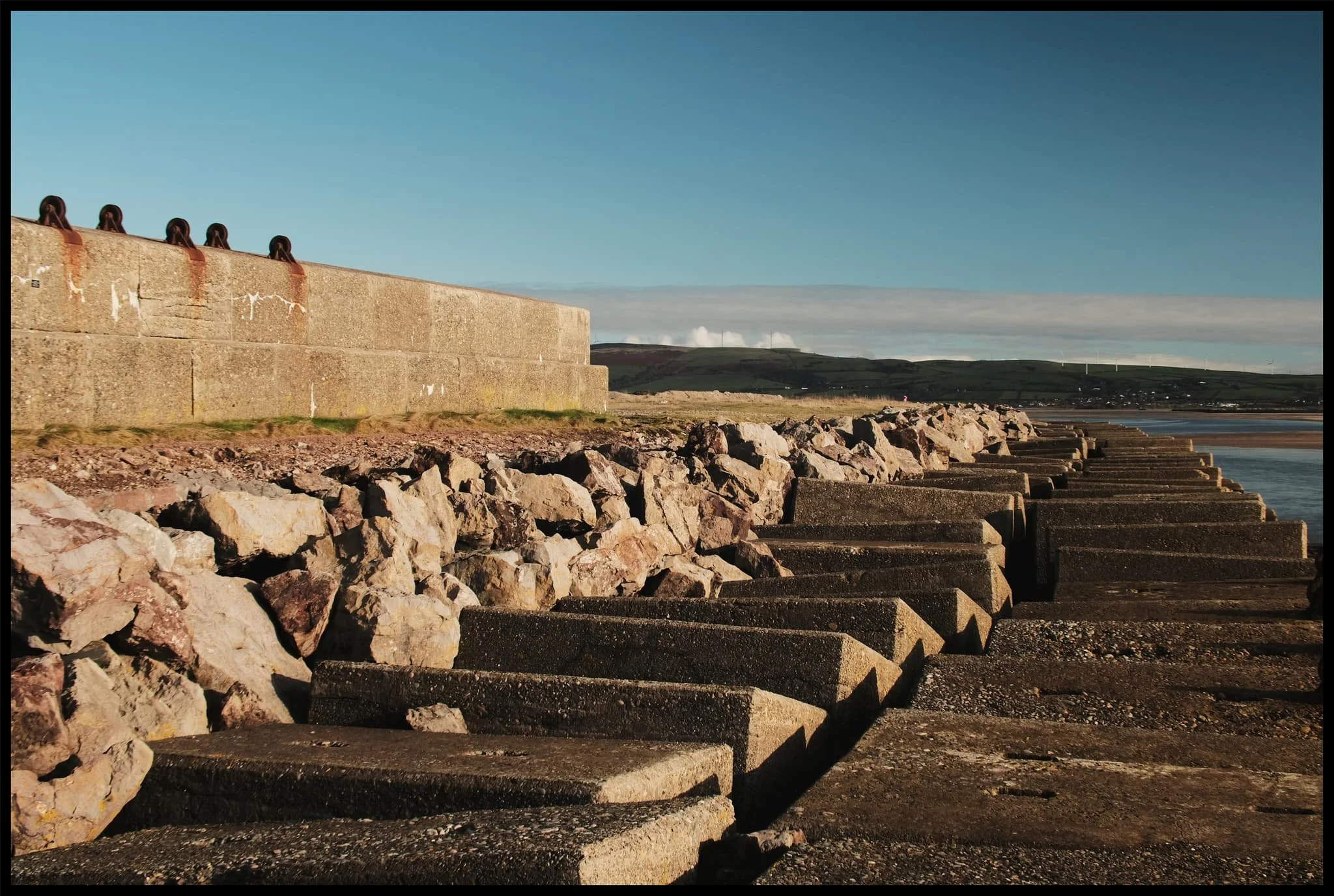
Looking along the sea wall all the way back to the Furness peninsula.
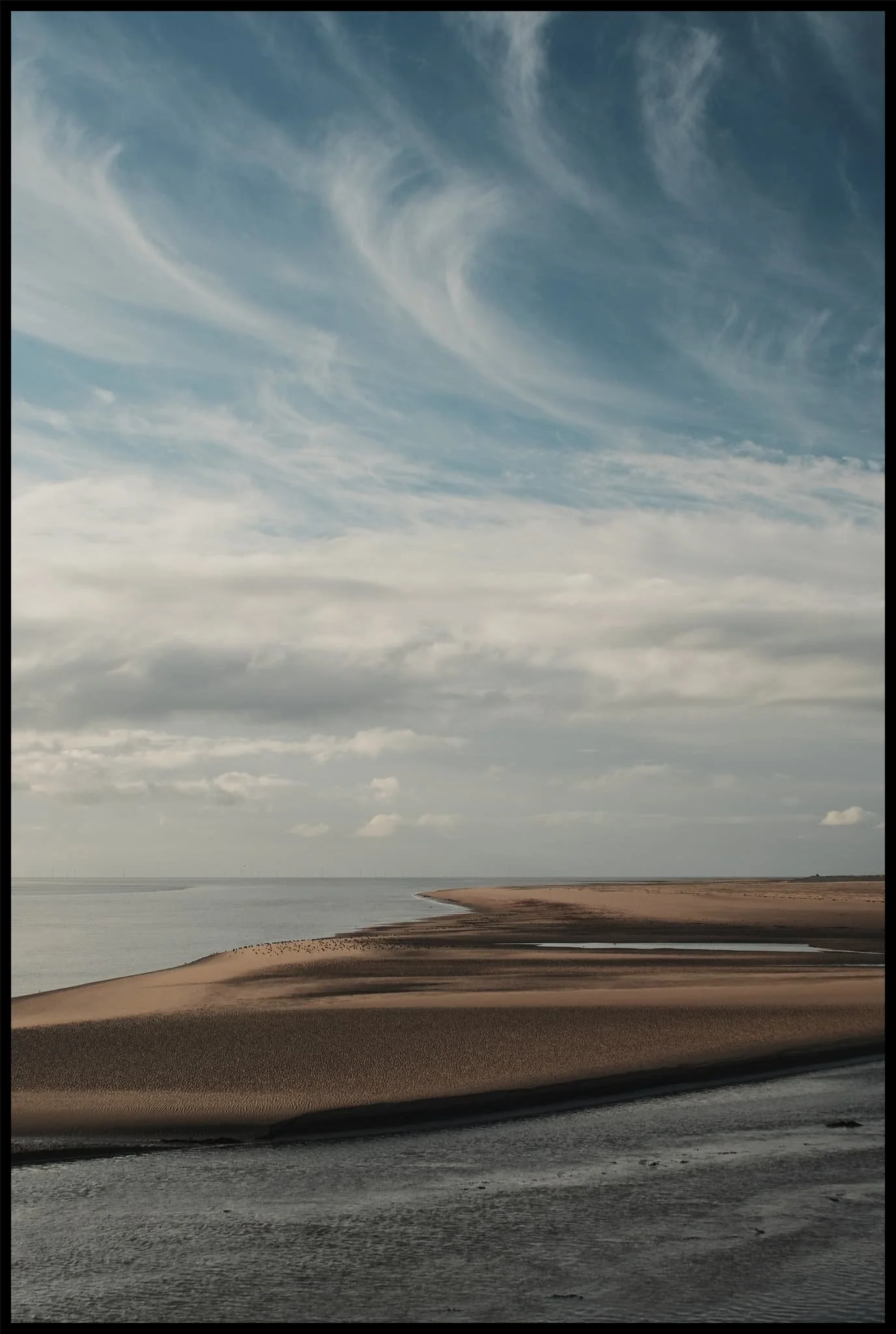
A simple scene, but beautiful nonetheless.
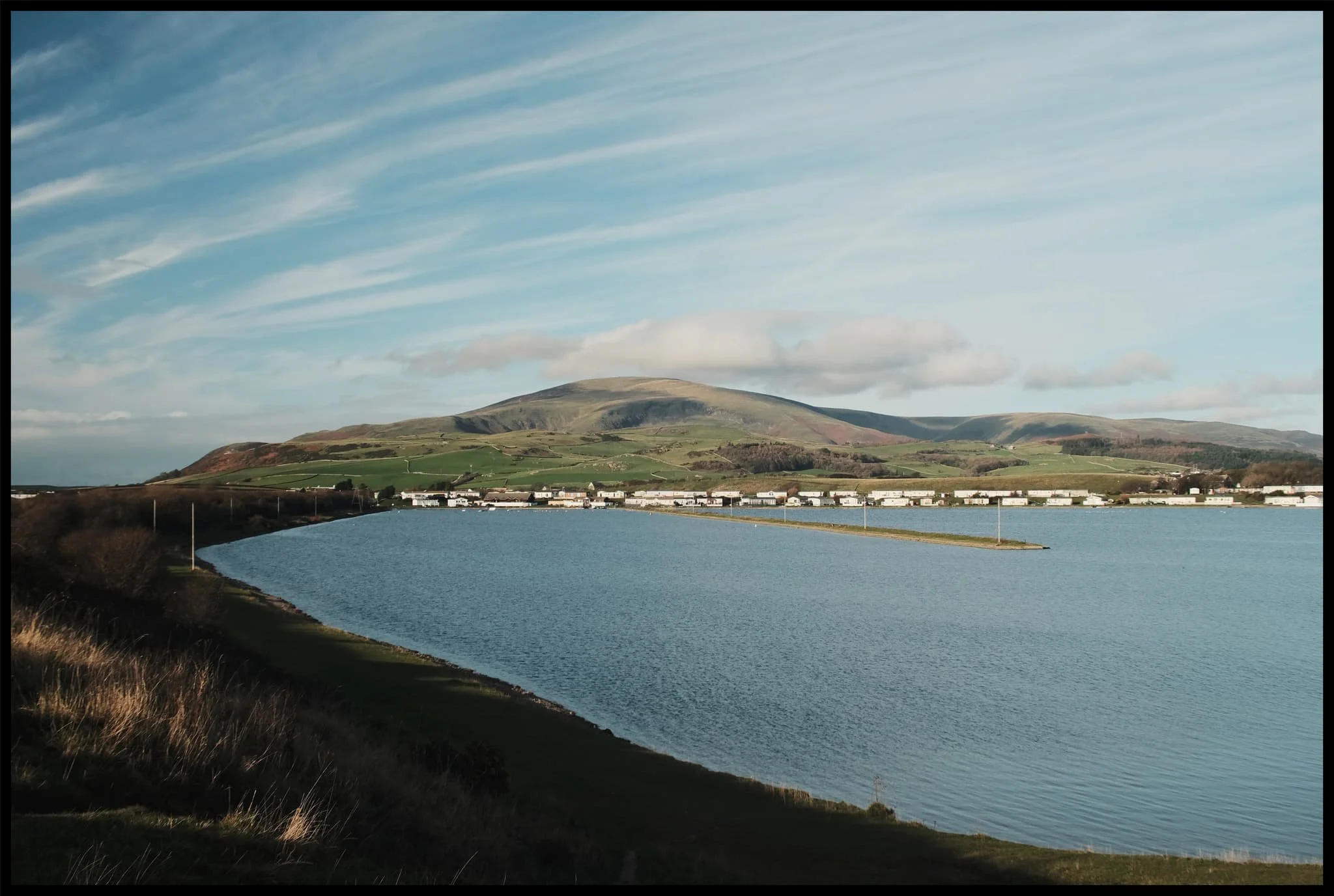
I enjoy the way the curve of the lagoon is mirrored in the curves of the clouds above.
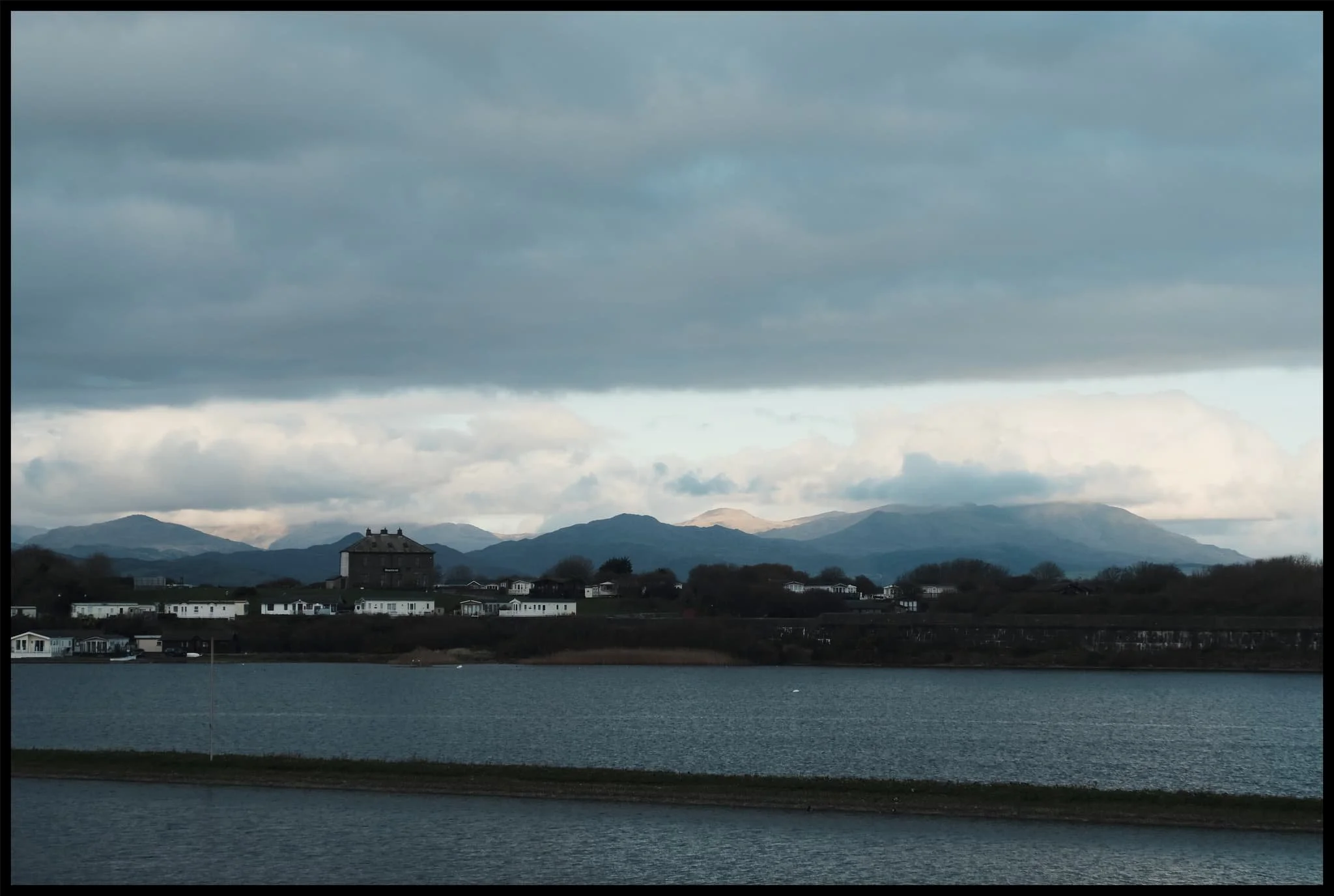
After lunch, we re-emerged into the nature reserve with considerably more cloud cover. The Lakeland fells, however, were still looking magnificent.
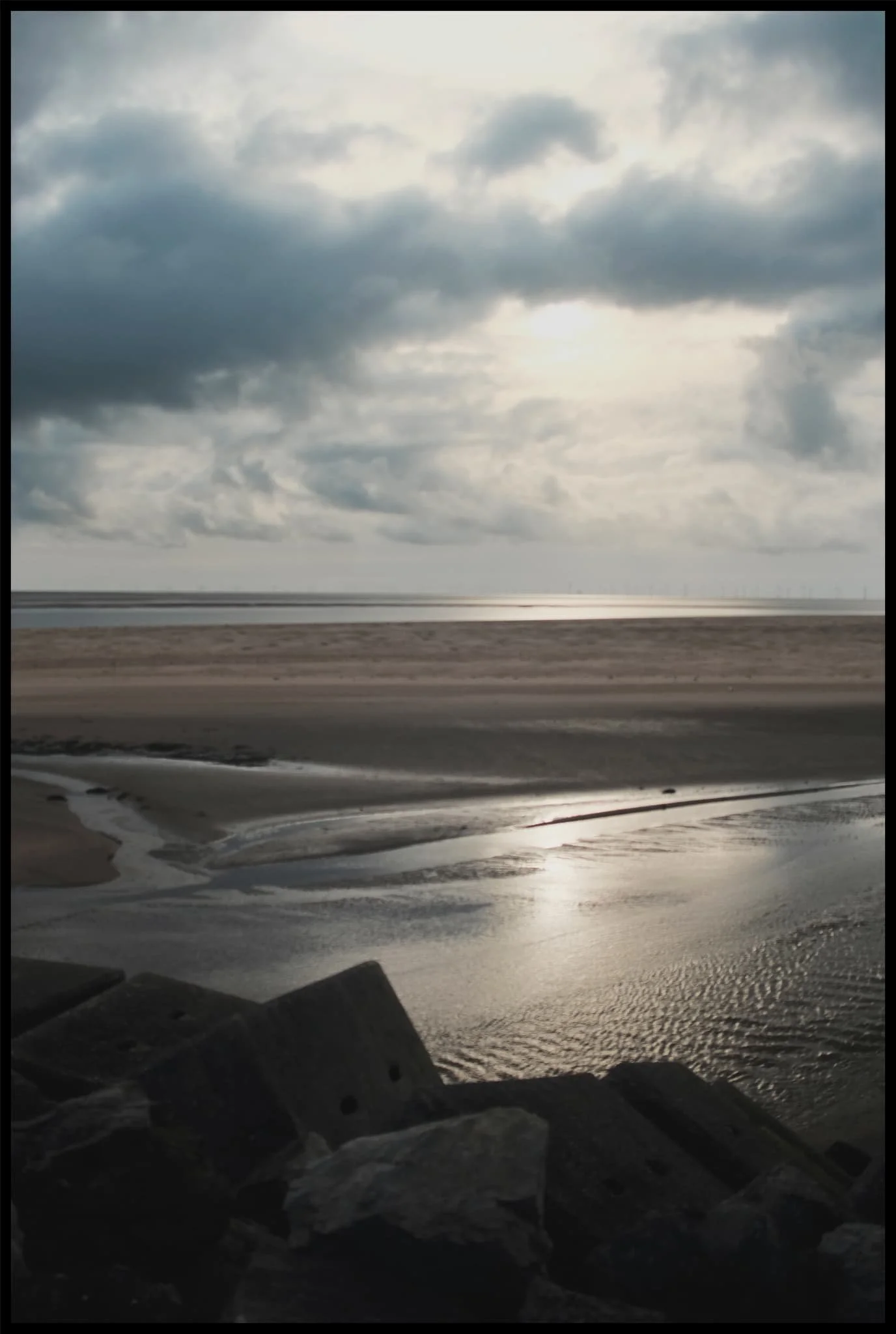
The clouds grew larger and tighter around the sun. That would be it for the day.