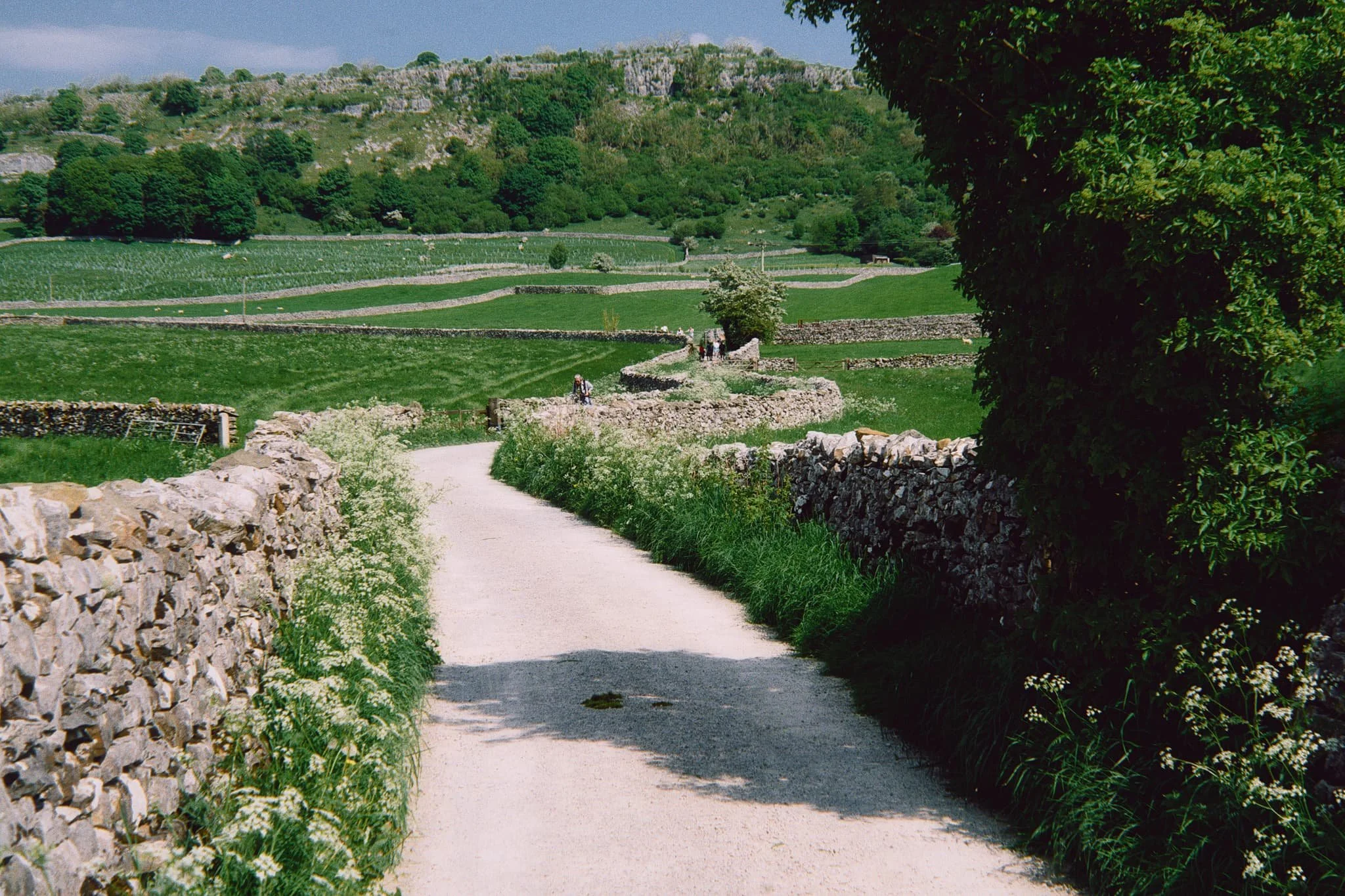
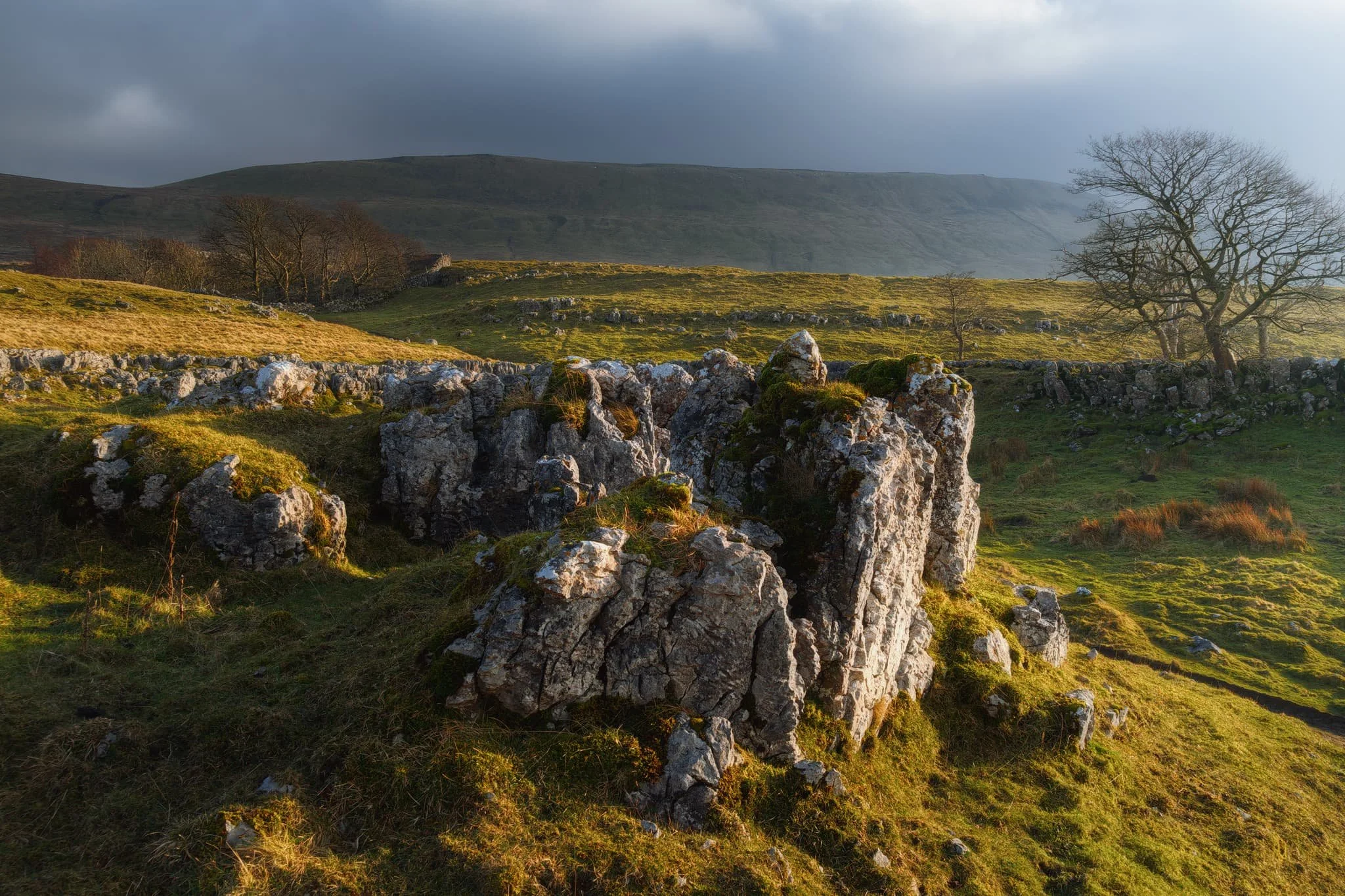
I’ve been meaning to visit here for years.
Right on the eastern fringes of the Yorkshire Dales, just peeking over into the Nidderdale National Landscape, you can find the ruins of Jervaulx Abbey.
The name might seem unusual. It was first recorded in 1145 CE as Jorvalle, a French translation of the old name of the valley this abbey was situated in, Yoredale or Uredale; that is, “valley of the river Ure”. Nowadays the name of the valley is the more famously known Wensleydale.
The abbey was established in 1156 CE as a Cistercian order from Burgundy, before being taken over by Akarius Fitz Bardolph, Lord of Ravensworth and given over to a Savigny monk. In its heyday the abbey owned half the valley and was famous for breeding horses, a tradition that still continues in Middleham today. It was also where Wensleydale cheese was first made, originally using ewe’s milk.
Like with most abbeys in the UK, Jervaulx Abbey was seized by the Crown and left to ruin as a result of King Henry VIII’s Dissolution of the Monasteries. Apparently it was then valued at £455 10s. 5d, which is roughly £316,000 in today’s money. Bargain.
We couldn’t have picked a more glorious day to explore these incredible ruins; the challenge was finding the dark places for more intriguing compositions and light.
All photos taken on my Sony α7ii using my Sony 24-240mm F3.5-6.3 OSS zoom and Rokinon 14mm f2.8 ED AS IF UMC prime lenses. RAWs developed in Lightroom, merged together in Photomatix, then edited and finalised in Photoshop.
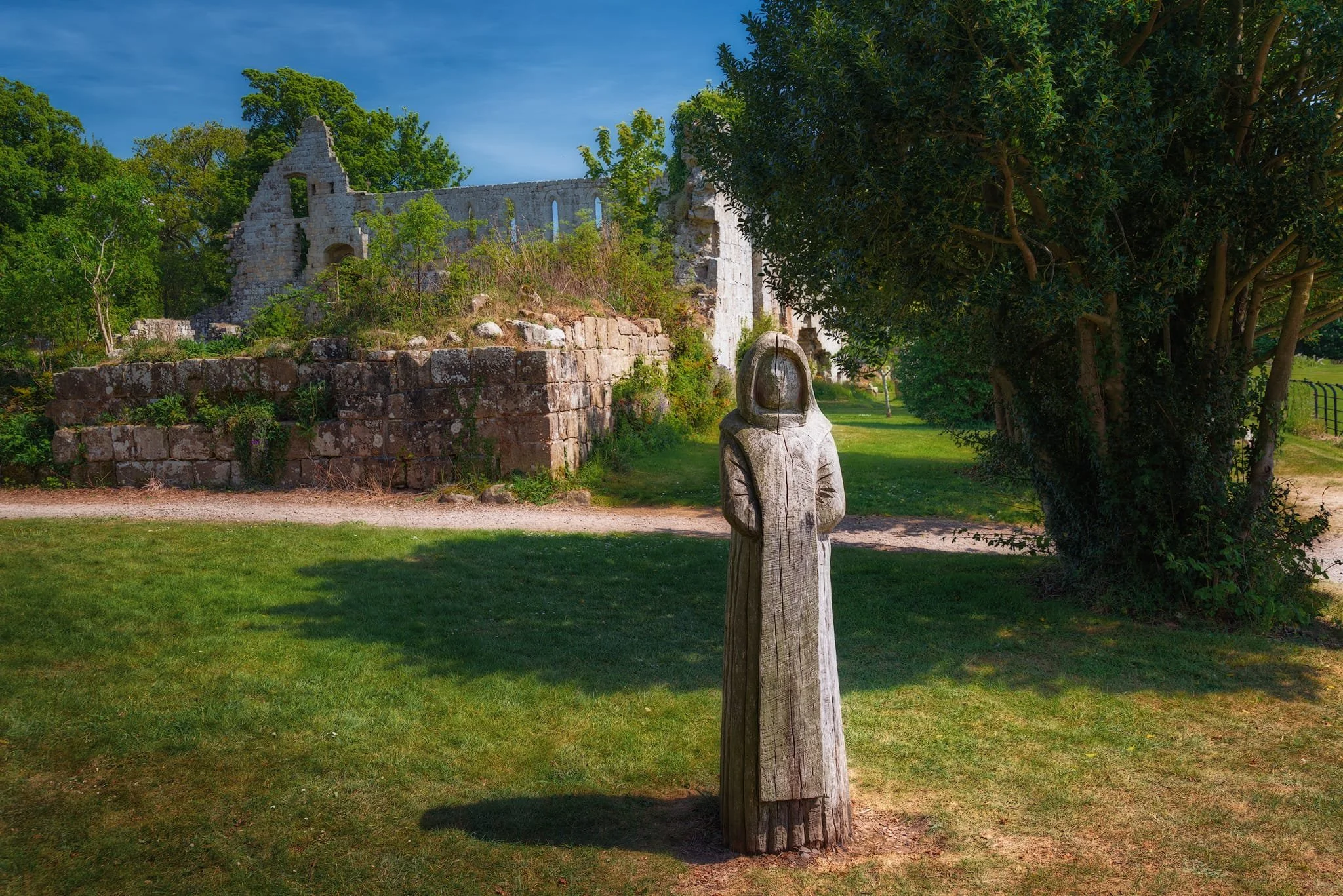
Upon entering the grounds (Donation/Honesty box for both parking and entrance) you are greeted by the ruins and this statue of a Cistercian monk, the founders and inhabitants of the abbey.
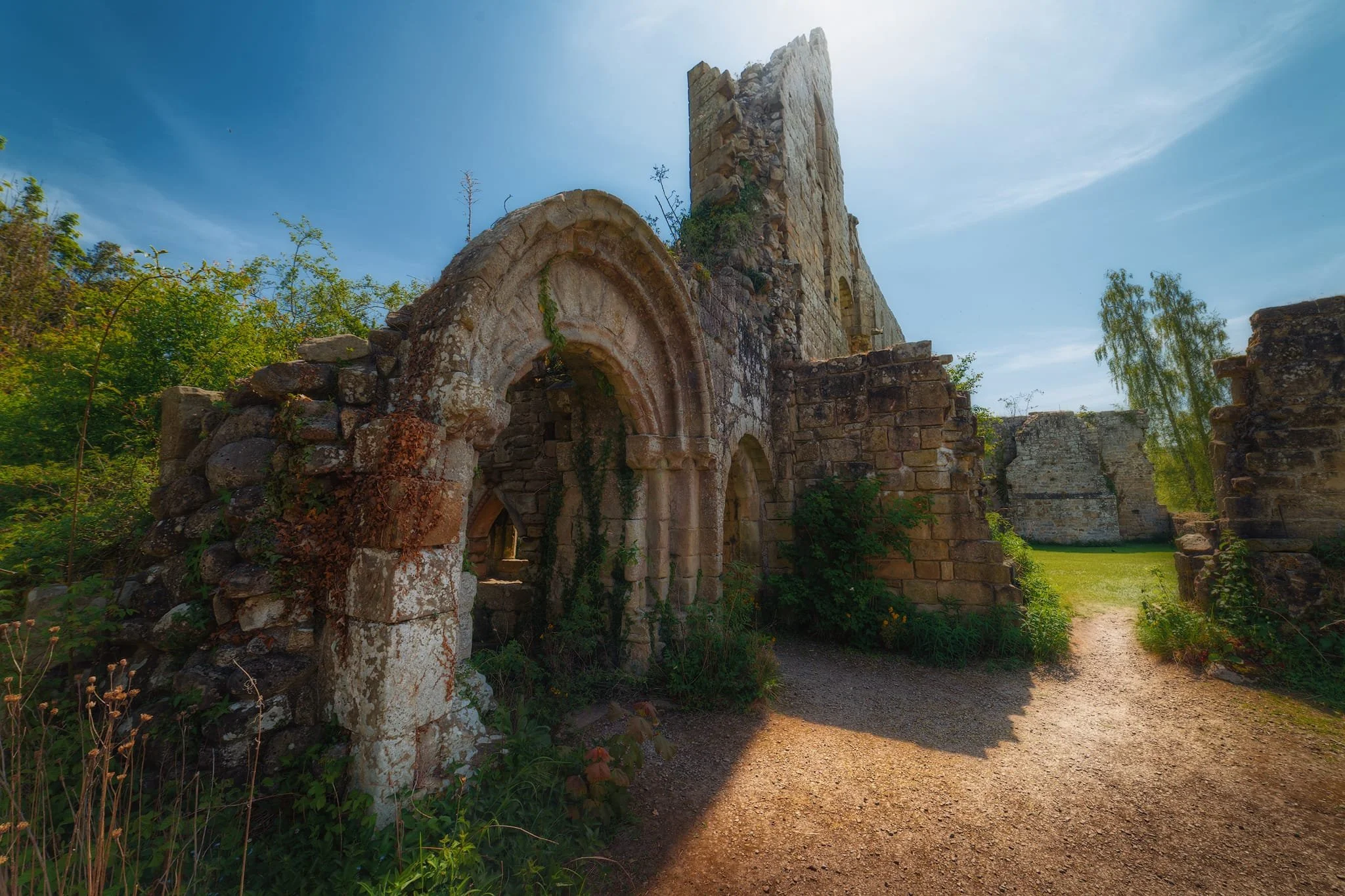
The tallest, most complete part of the ruins is one of the walls of the Cloister. This would’ve been the central element of monastic life. Monks used the cloister for reading, writing, and quiet contemplation. The design allowed natural light to enter, making it an ideal space for manuscript work and study. It also served as a place for communal activities and was integral to the daily routines of monastic life.
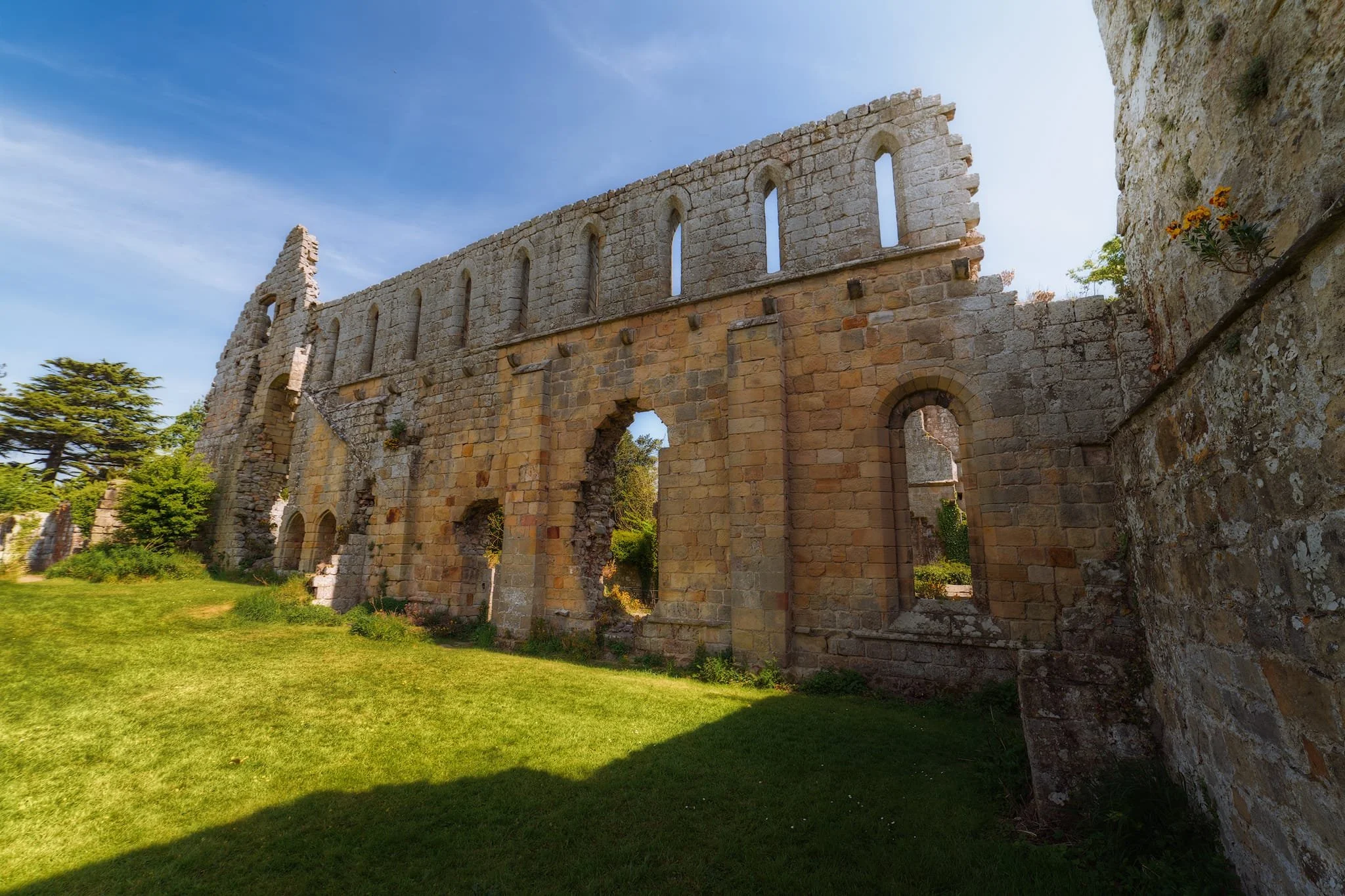
It was such a glorious day, with nary a cloud in the sky, that the challenge for me in photographing this place was finding compositions that were not just interesting but also provided a good balance between shadow and light. This meant hiding under arches and walls so I could be in shadow whilst the light illuminated the subject, such as this alternative view of the Cloister wall.
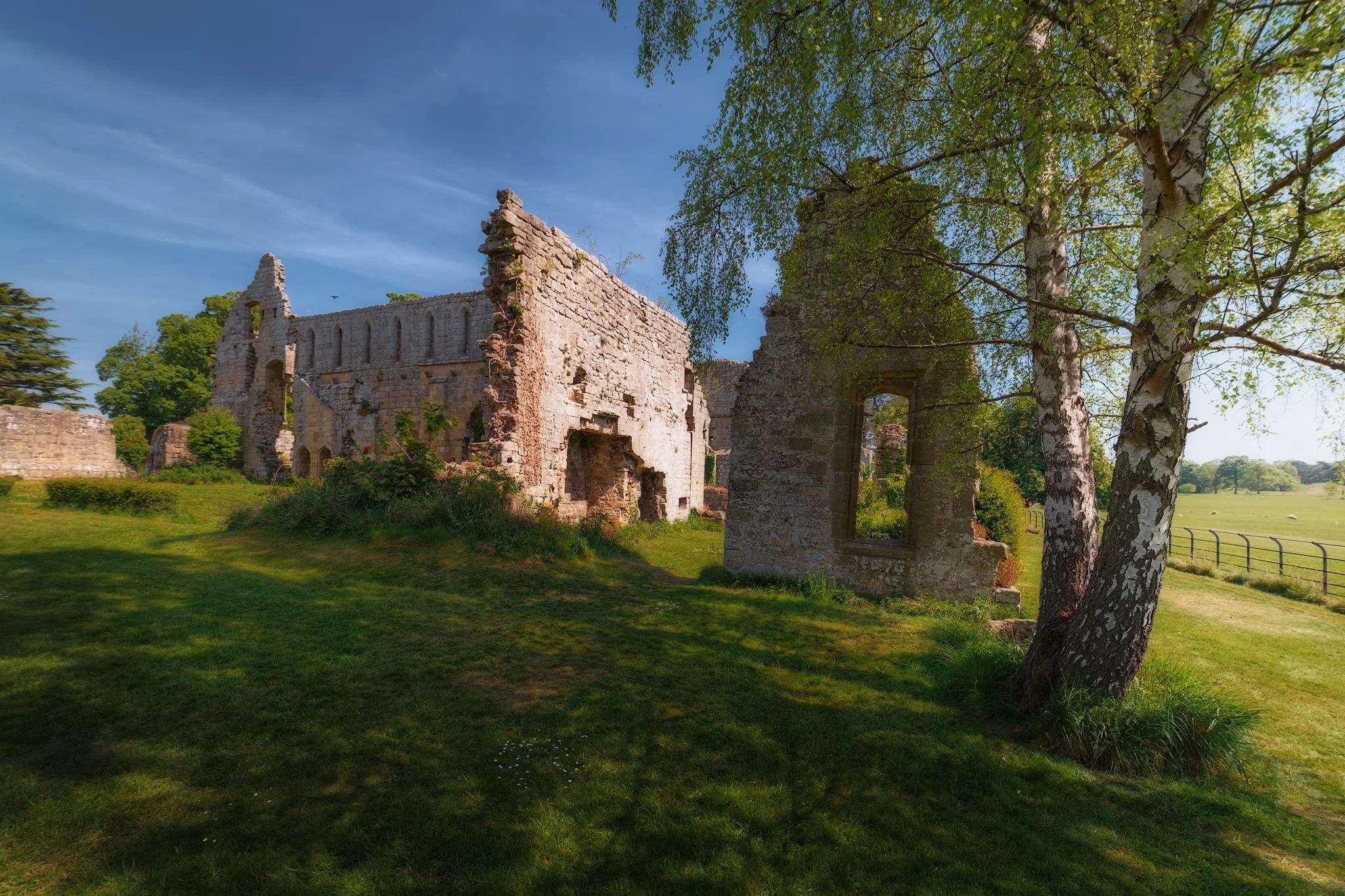
From the western end of the ruins near the entrance, looking east. I was looking for a composition that situated the ruins in context, and found this beautifully bucolic scene from near Jervaulx Park.
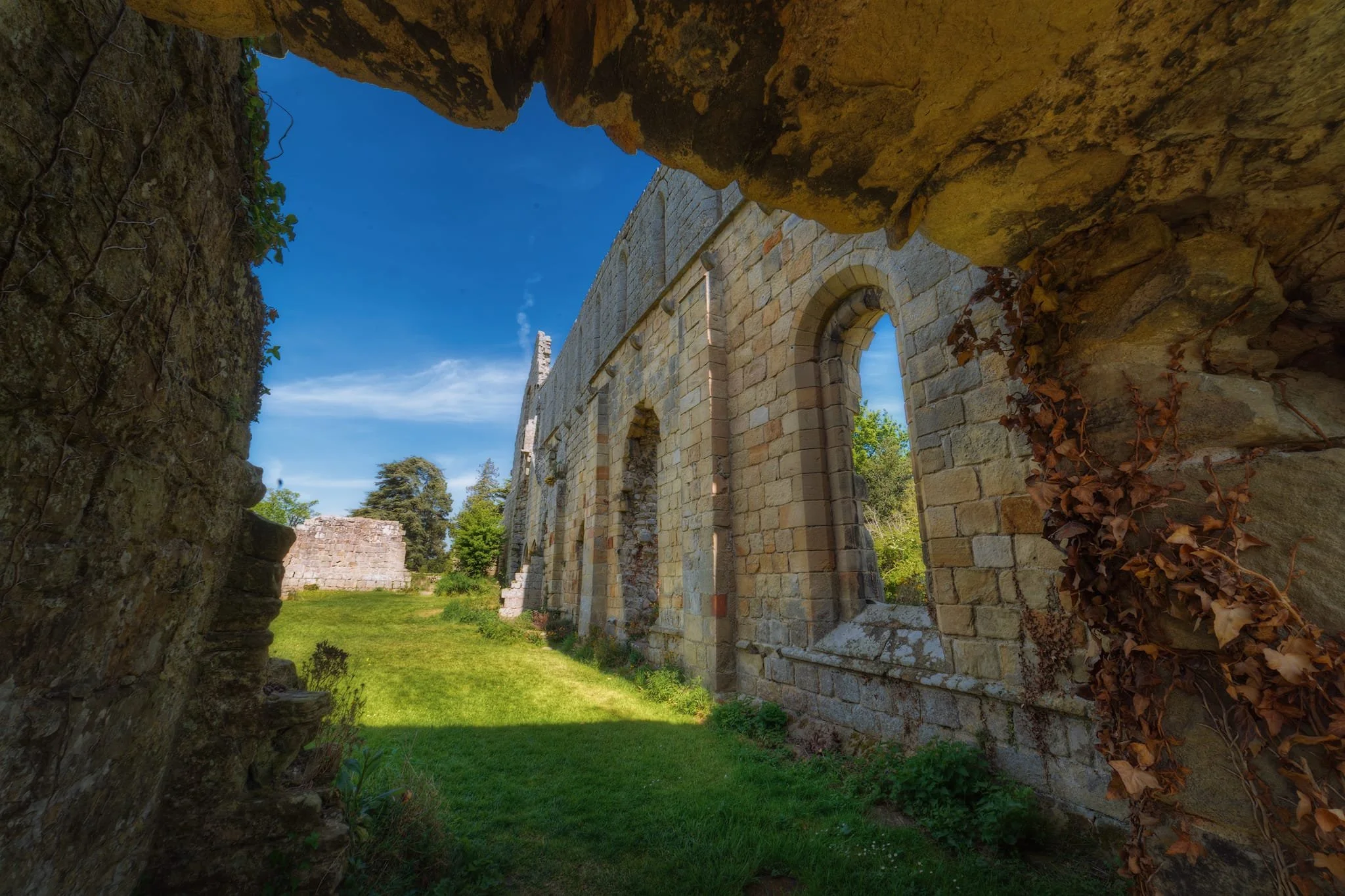
I had lots of using various overgrown arches and corridors as framing elements in my compositions.
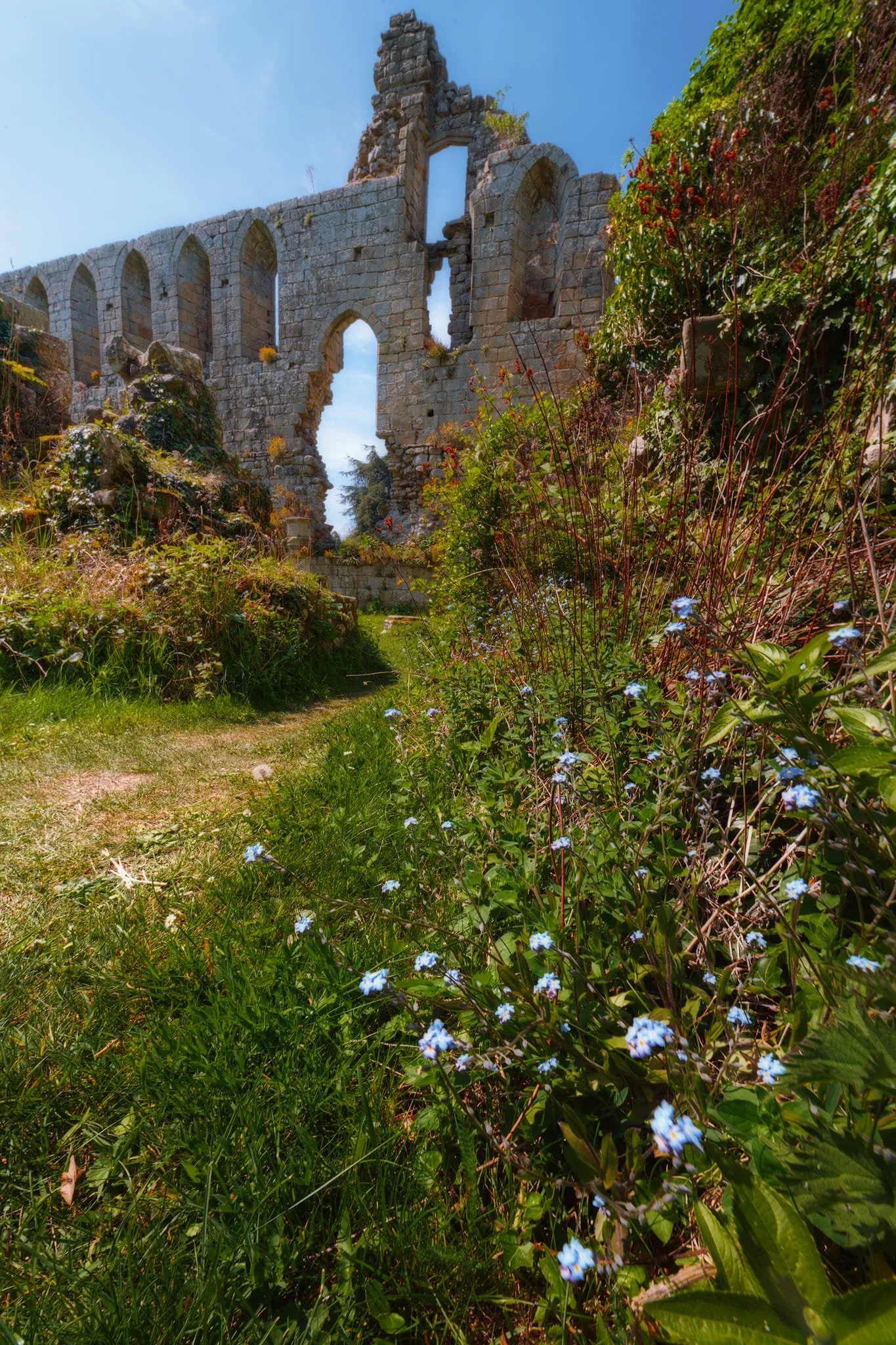
Jervaulx Abbey, unlike a lot of ruined abbeys, is still privately owned. In this instance, they’ve decided to let nature reclaim the ruins, which these Field Forget-me-nots ( Myosotis arvensis ) have taken advantage of.
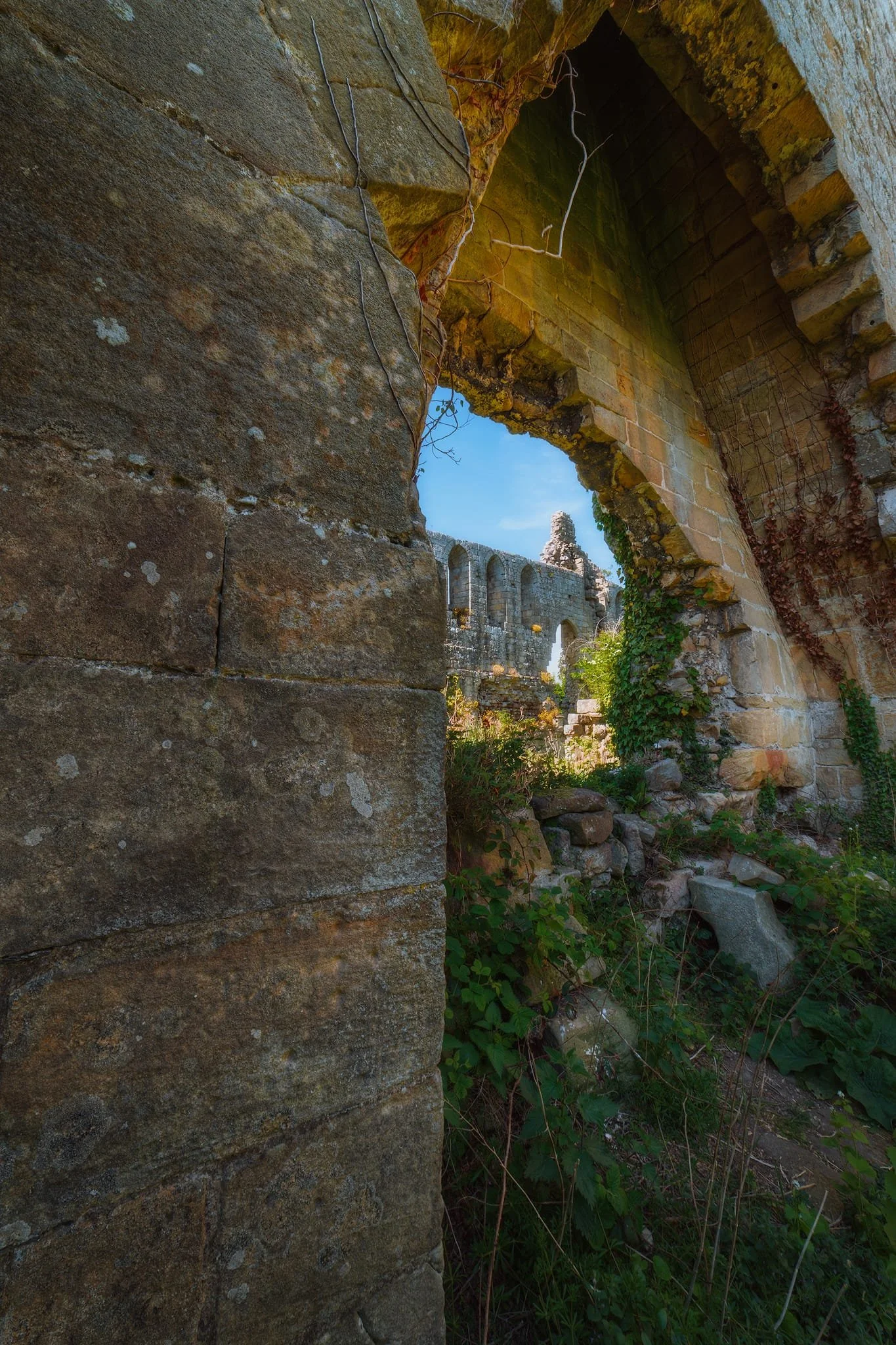
Within the old Monks’ Quarters, another framing composition presents itself.
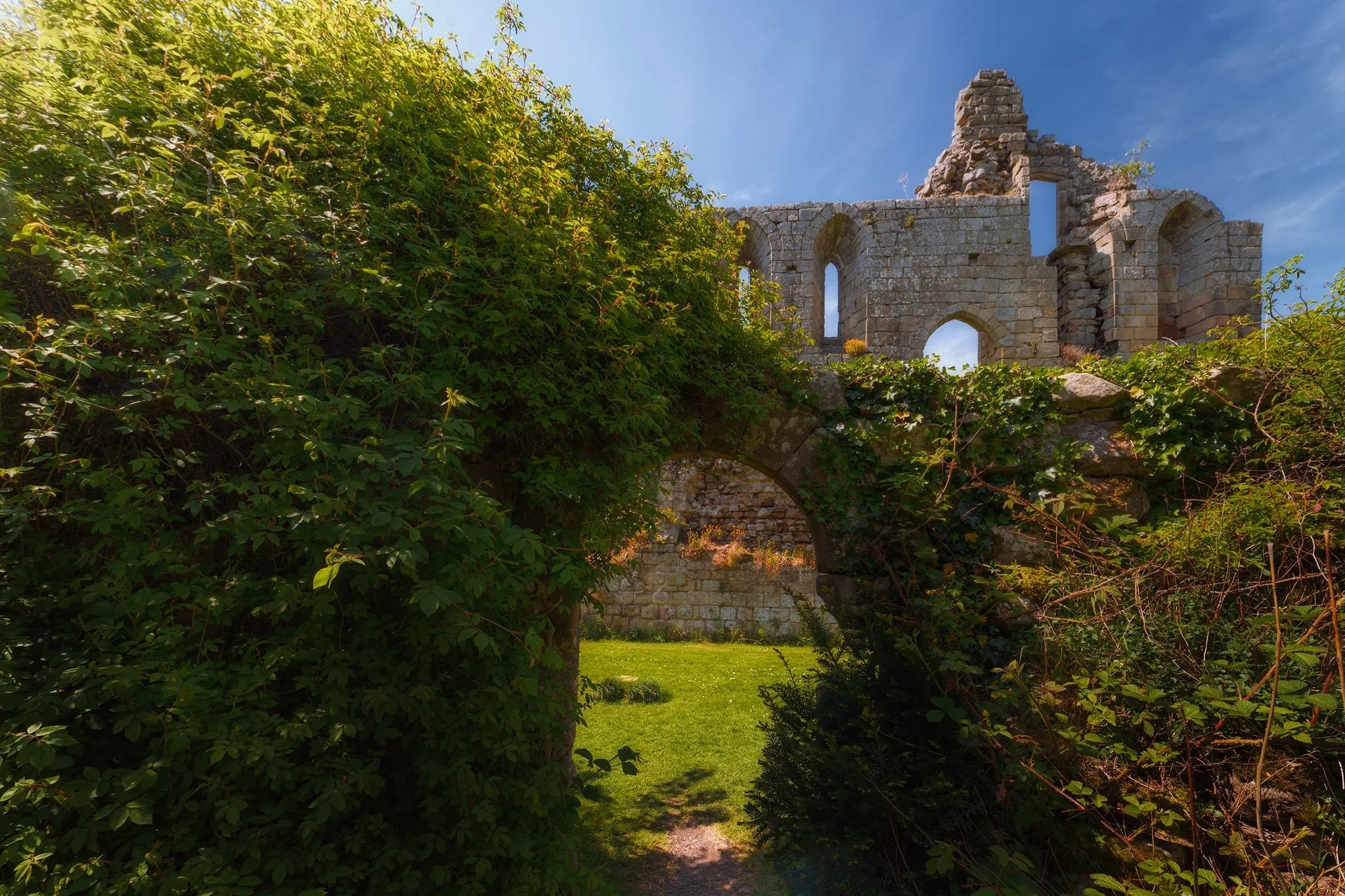
A lot of these archways are really quite short. Just shows how much smaller people were back in the day.
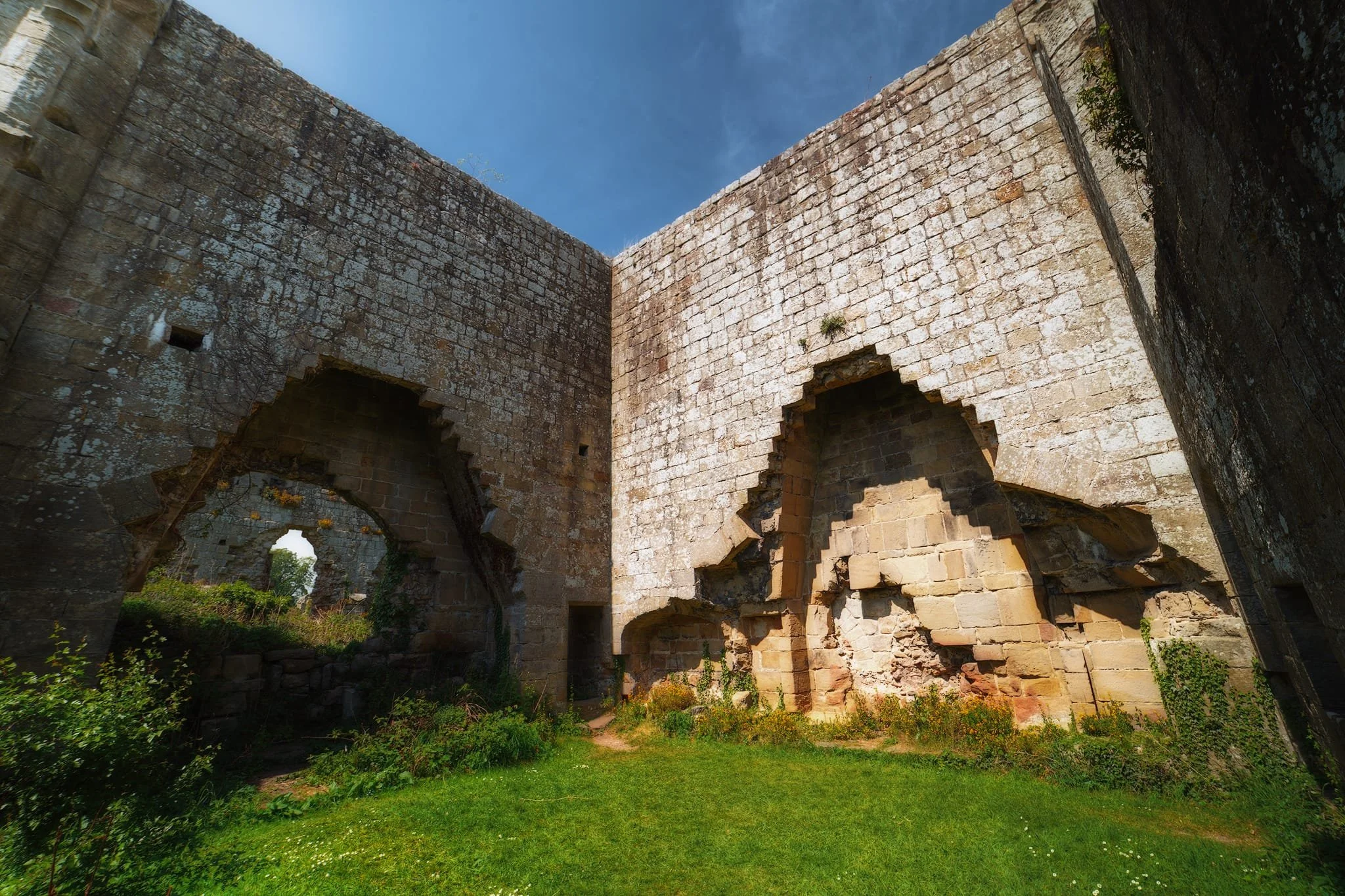
I think this area constitutes what was once the kitchen. You can image large fireplaces here with ovens, monks running around preparing meals.
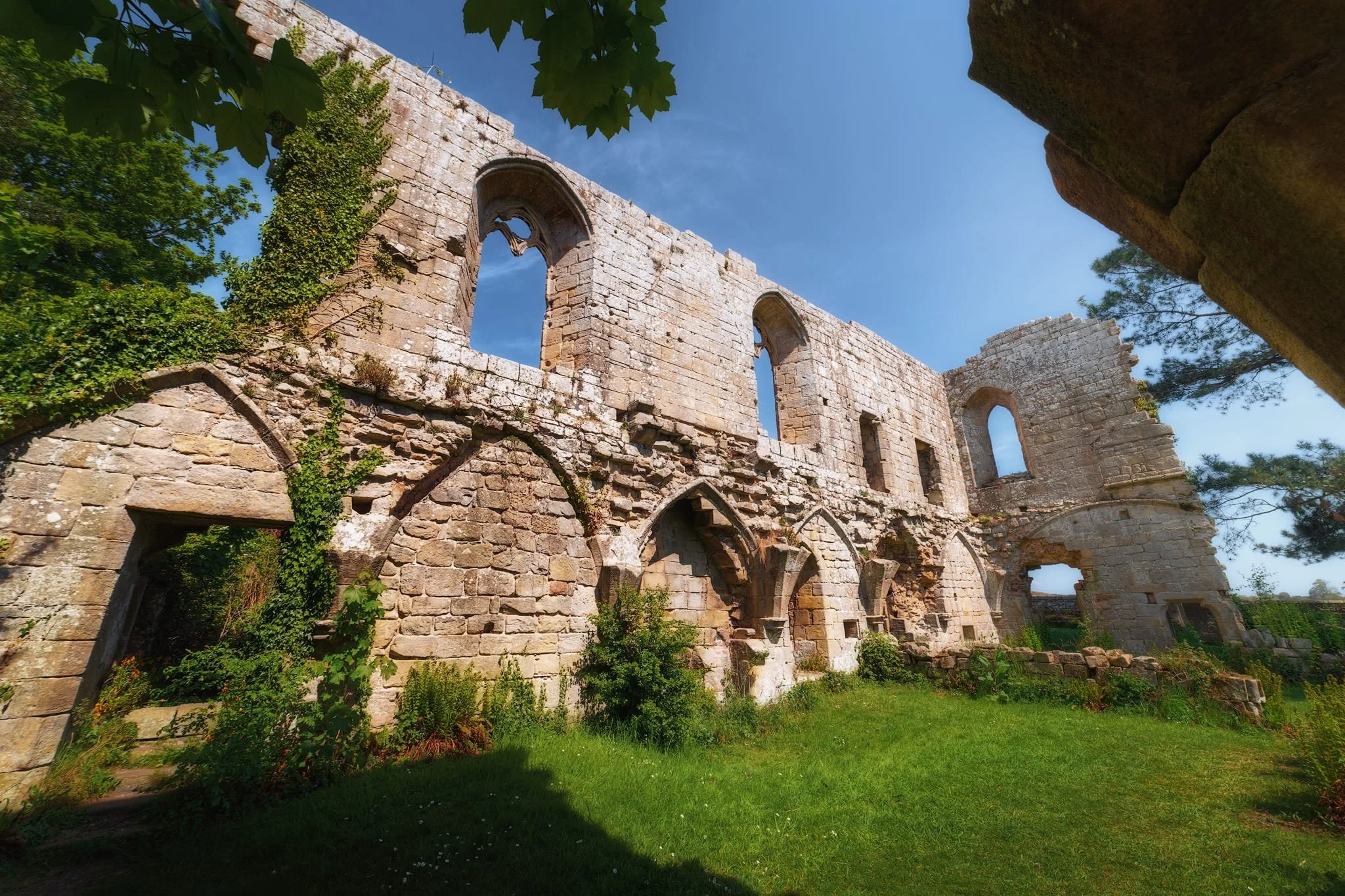
This area might be the old Infirmary, where the sick were treated and healed.
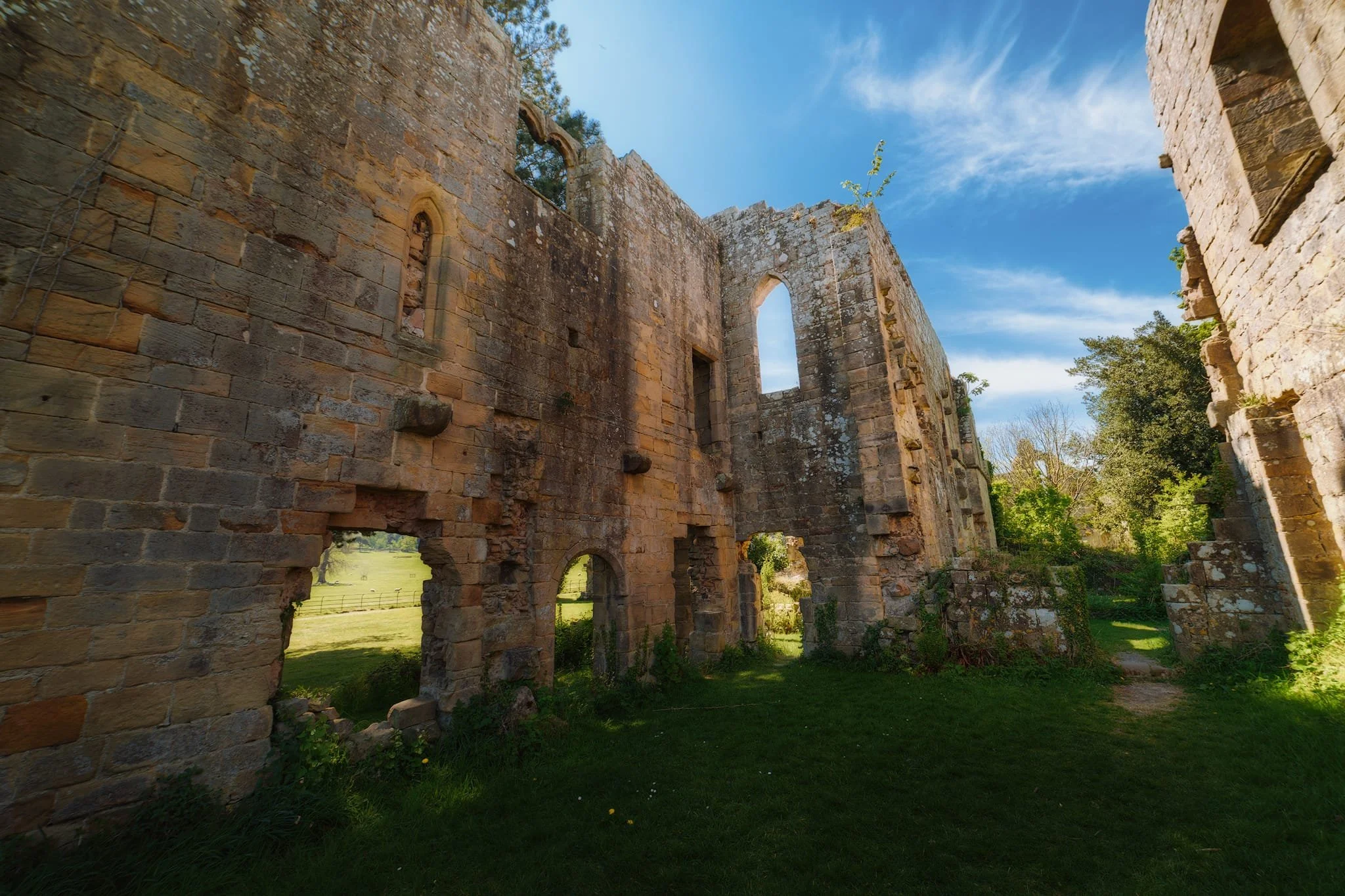
I found shade on the other side of the Infirmary, shooting the towering walls and through the arches towards the park filled with sheep bleating to their lambs.