
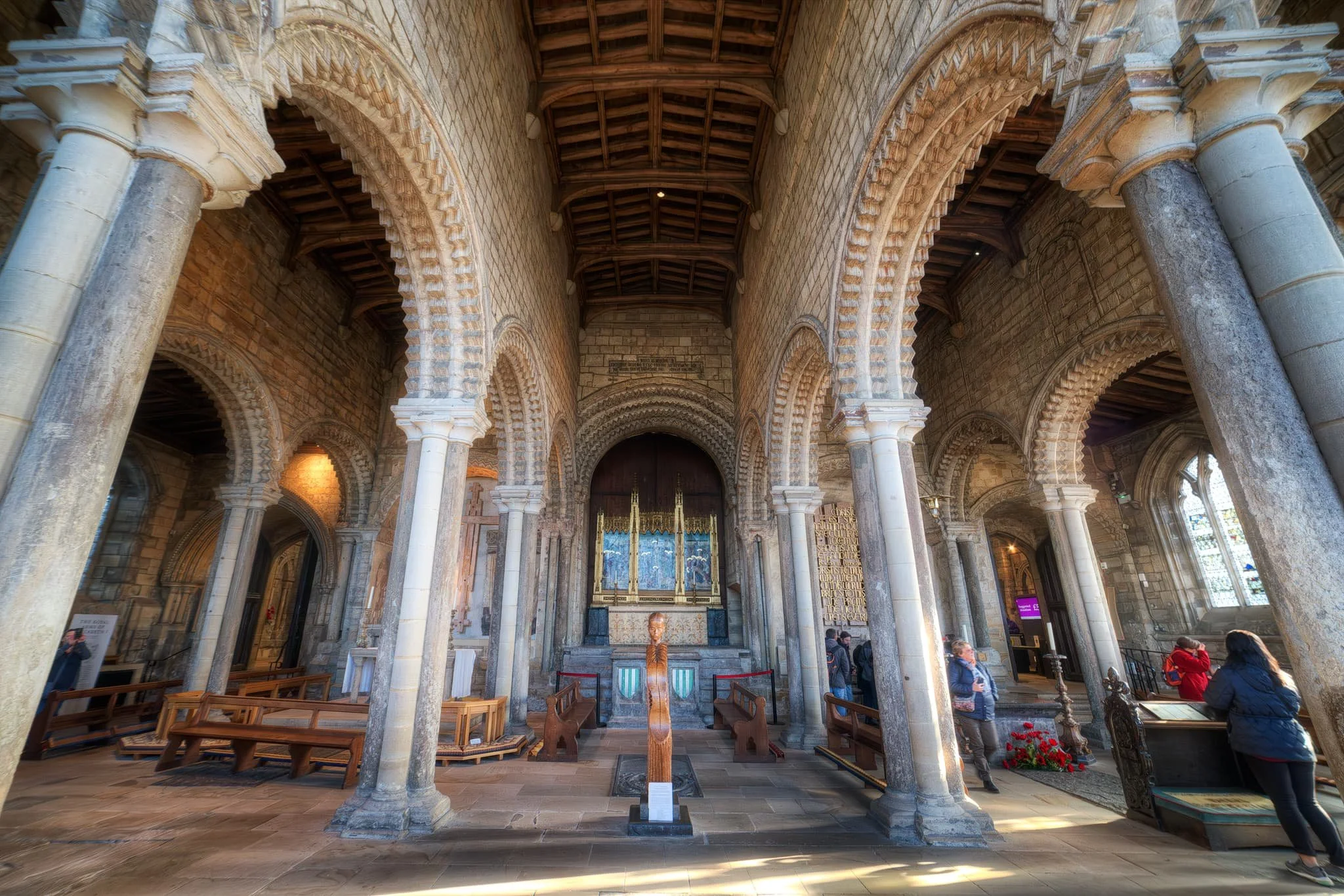
A week around somewhere completely new to us.
Regular readers of this humble blog may know that, around October time, Lisabet and I like to take a couple of weeks off to enjoy the gorgeous autumn colours somewhere beautiful.
Usually, that means somewhere in Scotland. However, on this occasion we tried for an area completely new to us.
The bucolic county of Shropshire.
So, first on the menu from me is the stunning and historical town of Ludlow. Though we would later learn this appeared to be par for course in Shropshire, we were flabbergasted by the number of ancient historical buildings in Ludlow that have survived. According to Wikipedia, Ludlow has “nearly 500 listed buildings”.
Weather conditions could definitely have more cooperative during our time in Shropshire, but that just meant we were more opportunistic about our excursions.
All photos taken on my Google Pixel 9 Pro XL. RAWs developed in Capture One, merged in Photomatix, then edited and finalised in Affinity Photo.
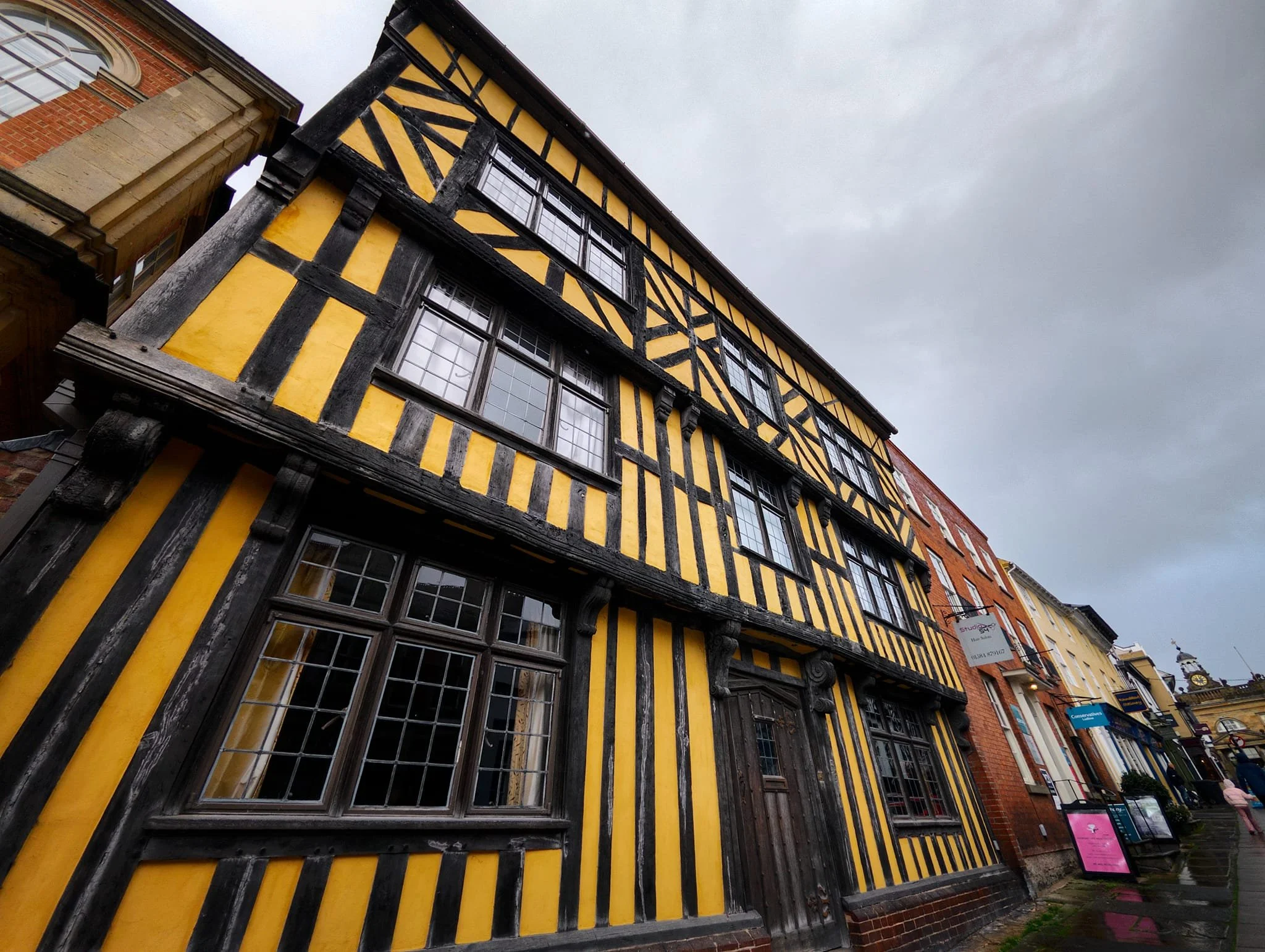
This is 53 Broad Street, a striking building no matter the weather (which at the time of this photograph was rain .) The house is an early 1600s timber-framed building with a rear section surviving from the 1400s. It features distinctive leaded-glass windows set in timber, and framed by decorative wooden beams. Inside apparently the rear range still features a medieval open hall.
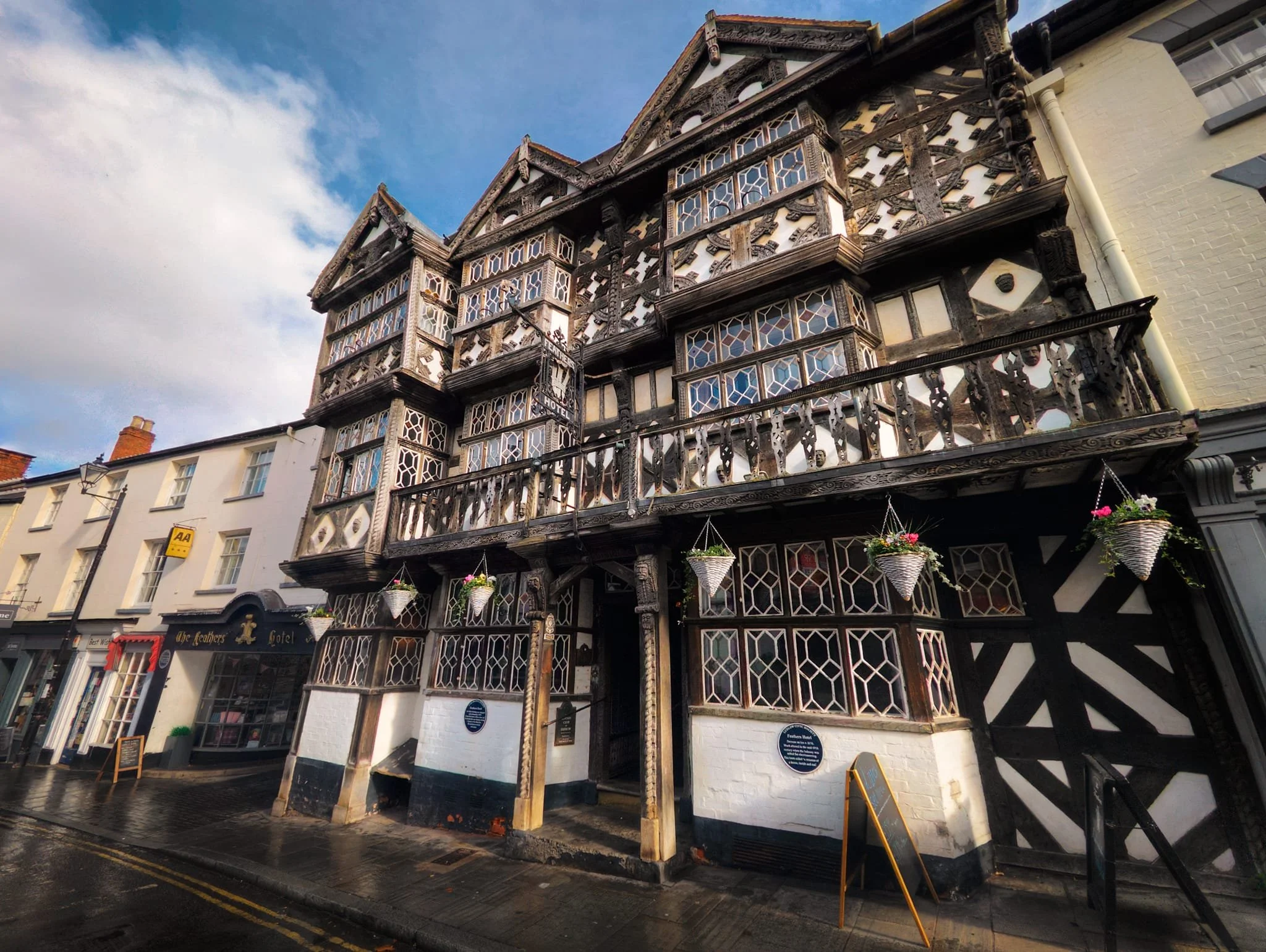
This is one of Ludlow’s more famous buildings, the Feathers Hotel . It was built in 1619 CE for an attorney from Pembrokeshire. Apparently upon conversion to a hotel none of this older features of this building was touched. It is still in use as a hotel; we went inside for lunch and its every bit as cosy as you could imagine.
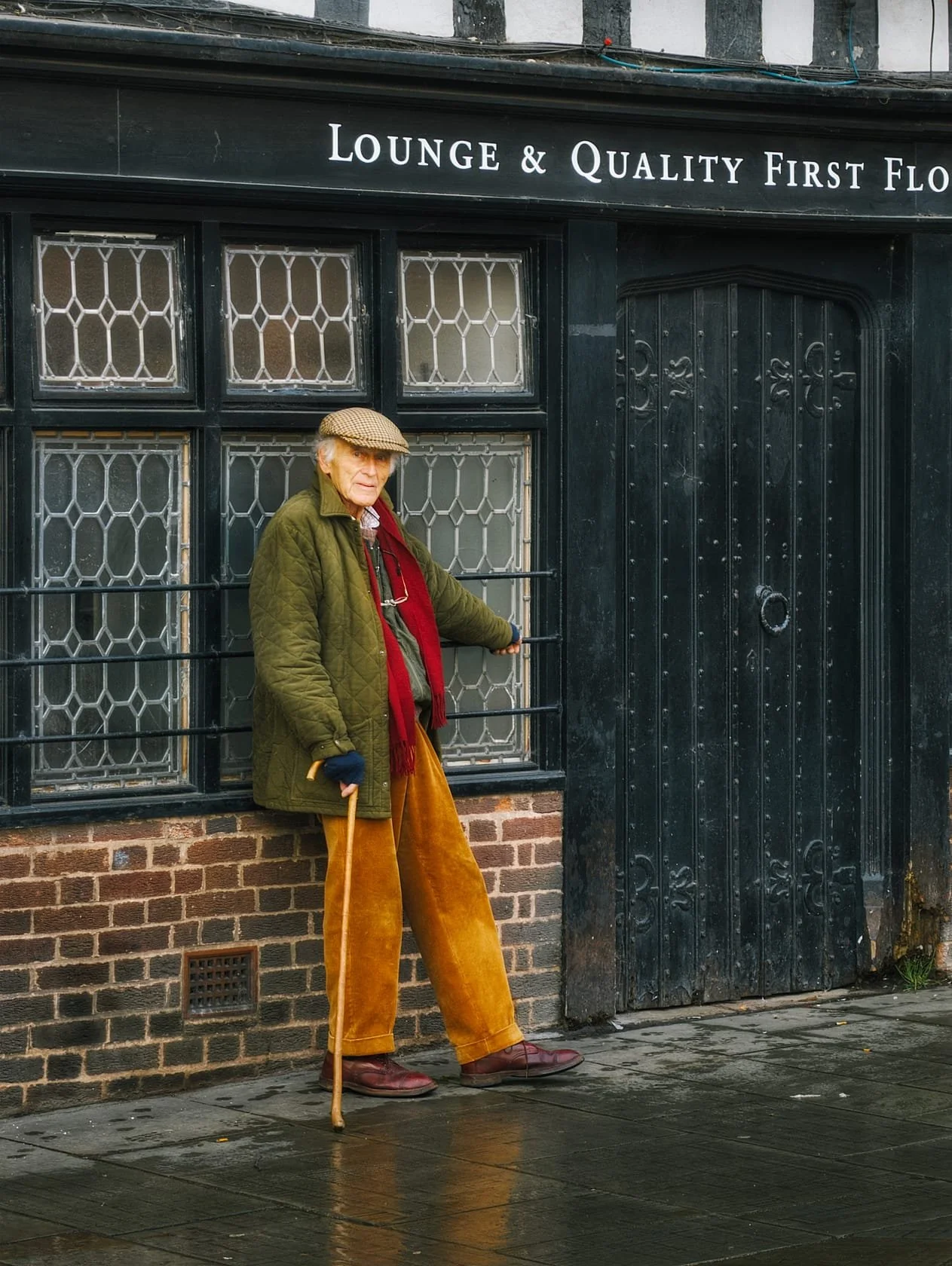
As I approached the Old Bull Ring Tavern for some compositions, this well-dressed old gentleman caught my eye and was happy to pose for a shot.
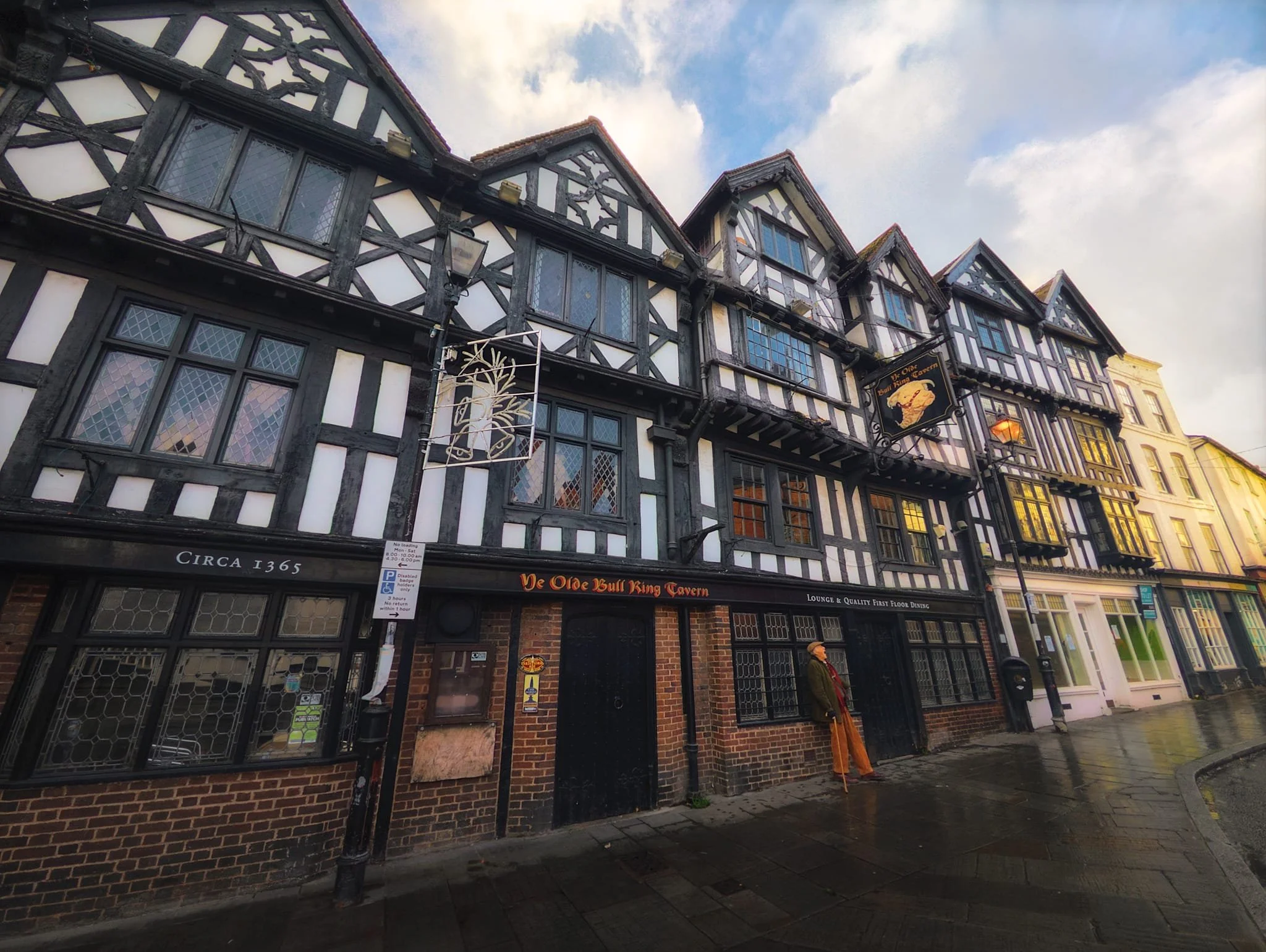
Another one of Ludlow’s famous historical buildings, Ye Olde Bull Ring Tavern , apparently dating back to 1365 CE. What we see now is a 1600s timber-framed building with two sections. It shows leaded lattice windows, and 1700s sashes and jettied dormers. It still features the original exposed framing, decorative beams, and moulded plasterwork throughout. Incredible. According to its website , the interior was renovated in 2012 and still in business as of 2025. However, by the time of our arrival in October 2025, the business appears to be no more.
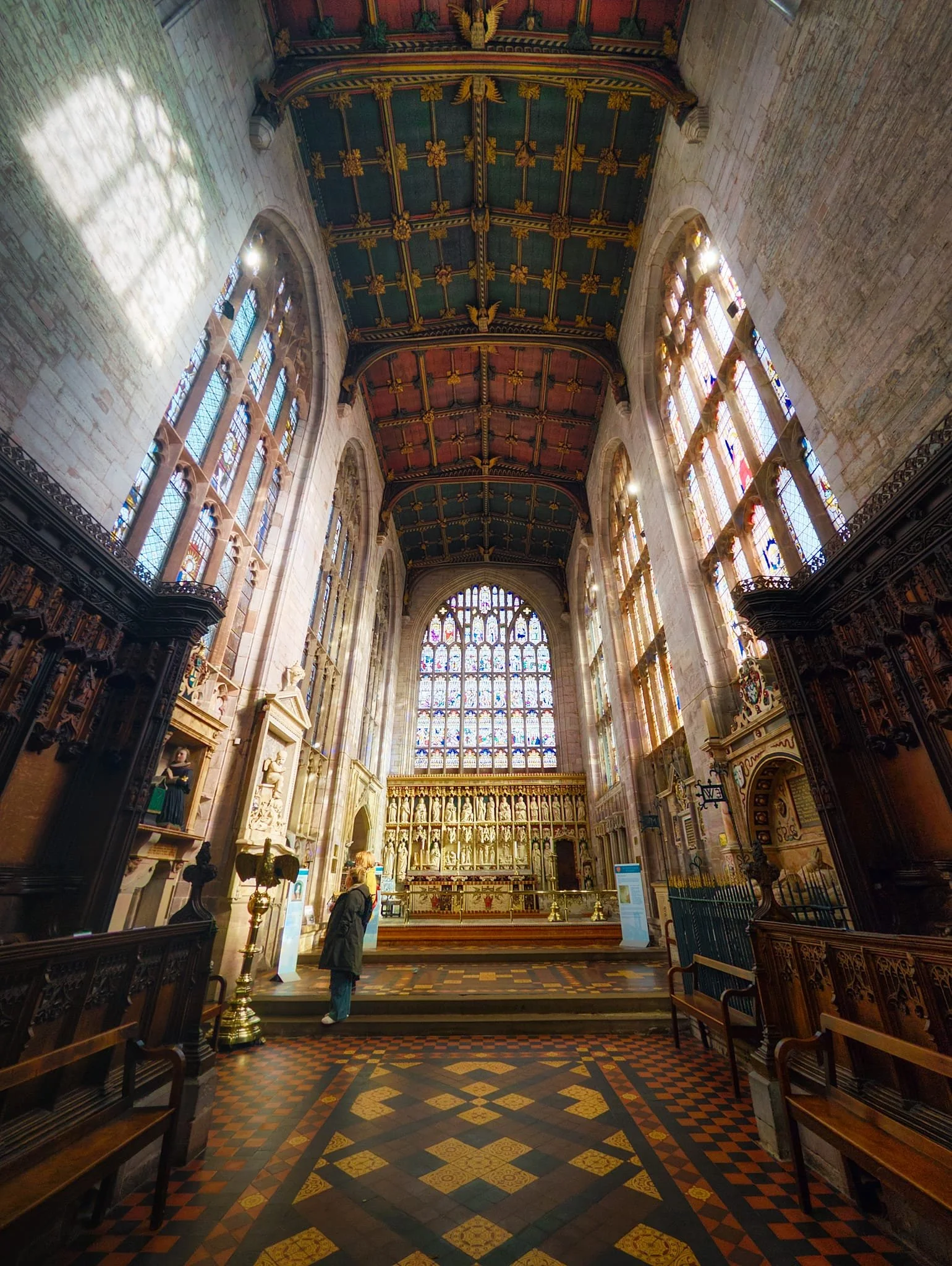
Tucked away in the town centre is St. Laurence’s Church, founded by the Normans in the late 11th century. Major extension work occurred in the 1400s as Ludlow became wealthy through the wool trade. During the mid to late 1800s a lot of the church was extensively repaired and restored.
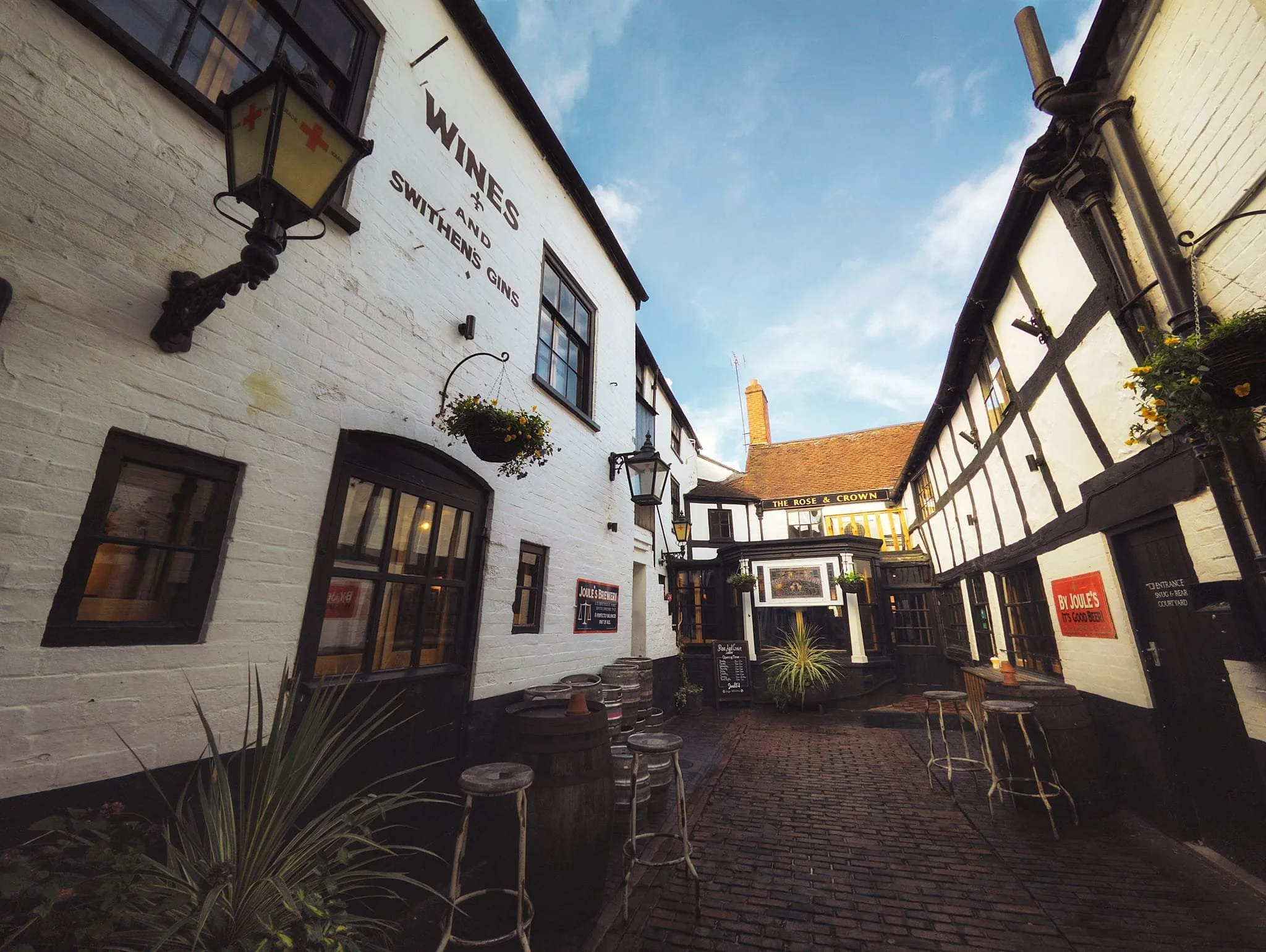
Stashed away down a yard is The Rose & Crown , proclaiming to be one of Ludlow’s oldest pubs, with documents dating back to the 1200s. This courtyard inn as we see it now was built in stages from the 1600s. It still features 1700s brick and timber-frames with sashes and even the rear walls show 1600s timber framing and medieval stone windows. Still in operation as a pub, owned by the Joules Brewery.
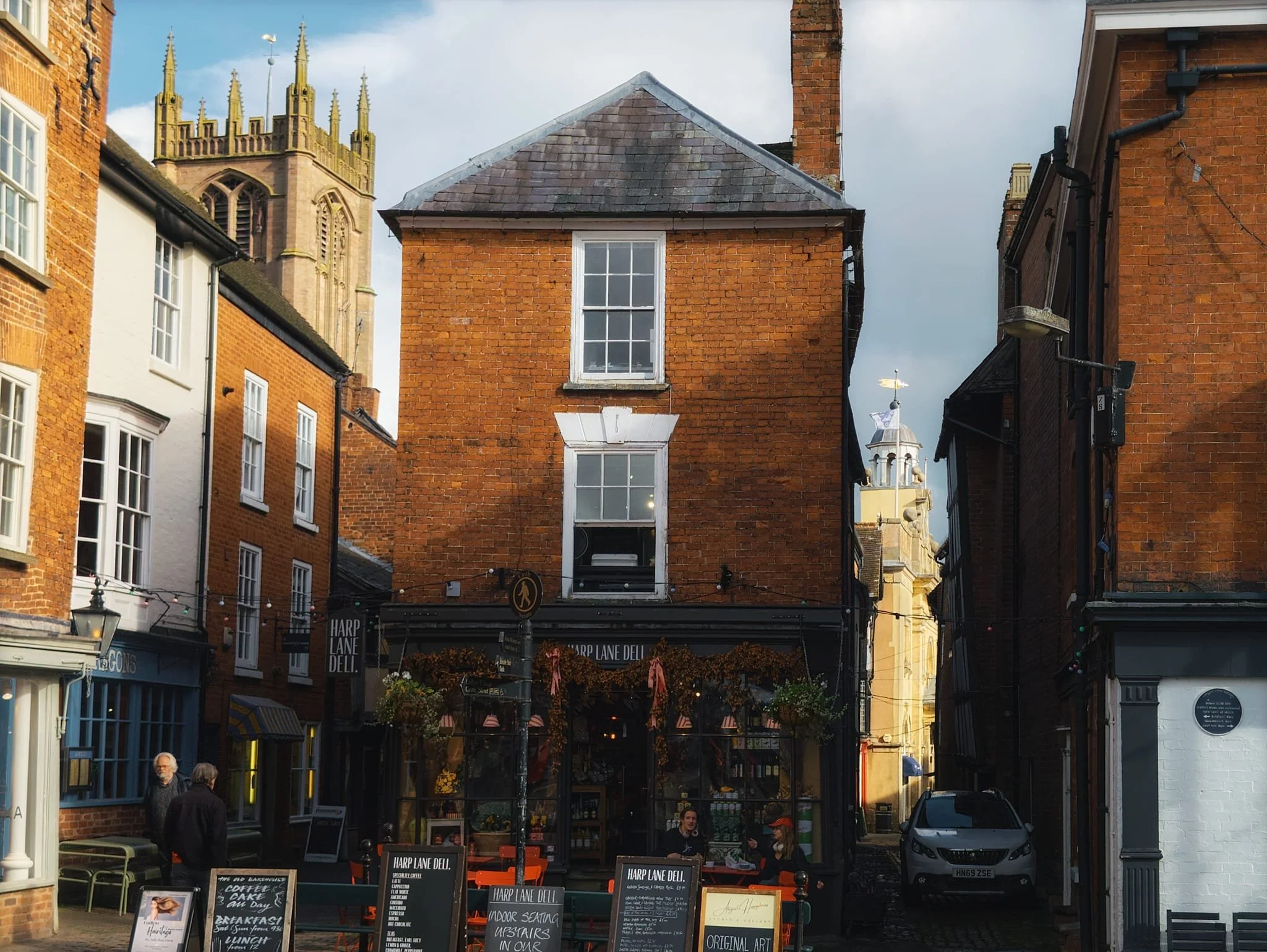
From the Market Square near Ludlow Castle, a view looking back to Ludlow’s wonky buldings, with St. Laurence’s Church and the Butter Cross both draped in golden autumnal light.
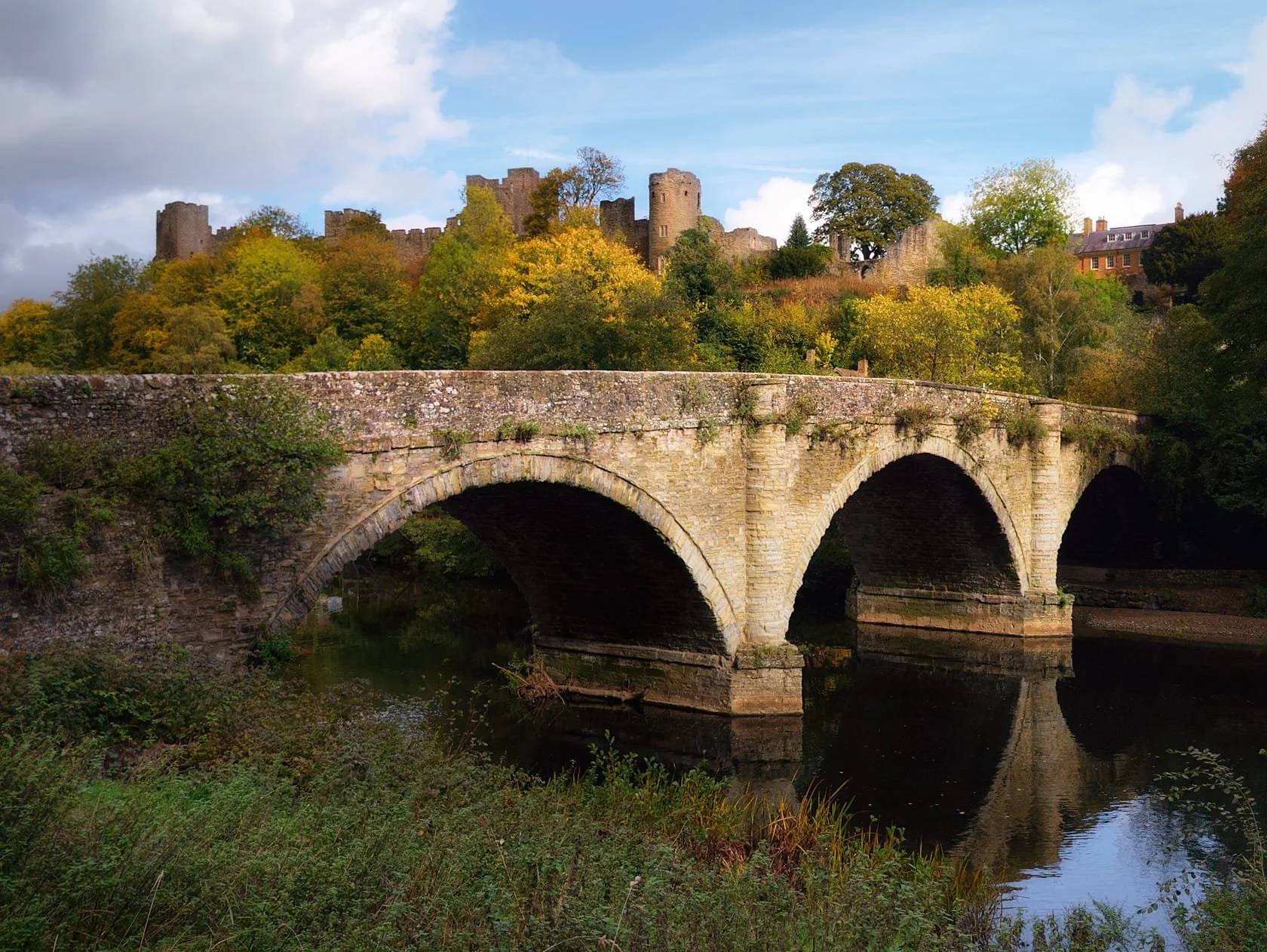
The low sun breaks through the clouds, highlighting Dinham Bridge with the ruins of Ludlow Castle above, adorned in autumnal foliage.
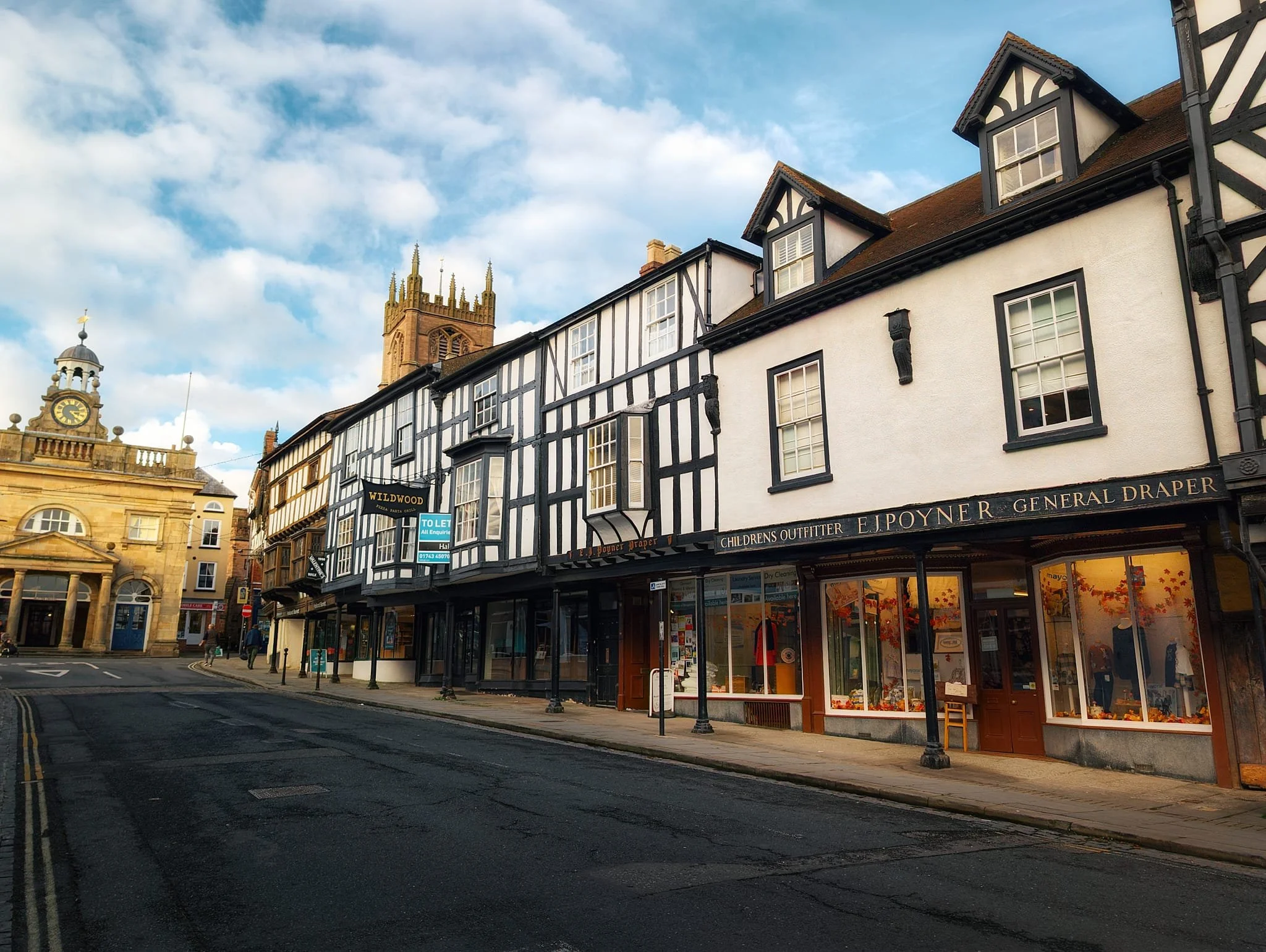
Broad Street is home to a whole queue of historical timber-framed buildings, with the Butter Cross sitting majestically at the top of the road. It showcases a mix of well-preserved medieval, Tudor, and Georgian styles.
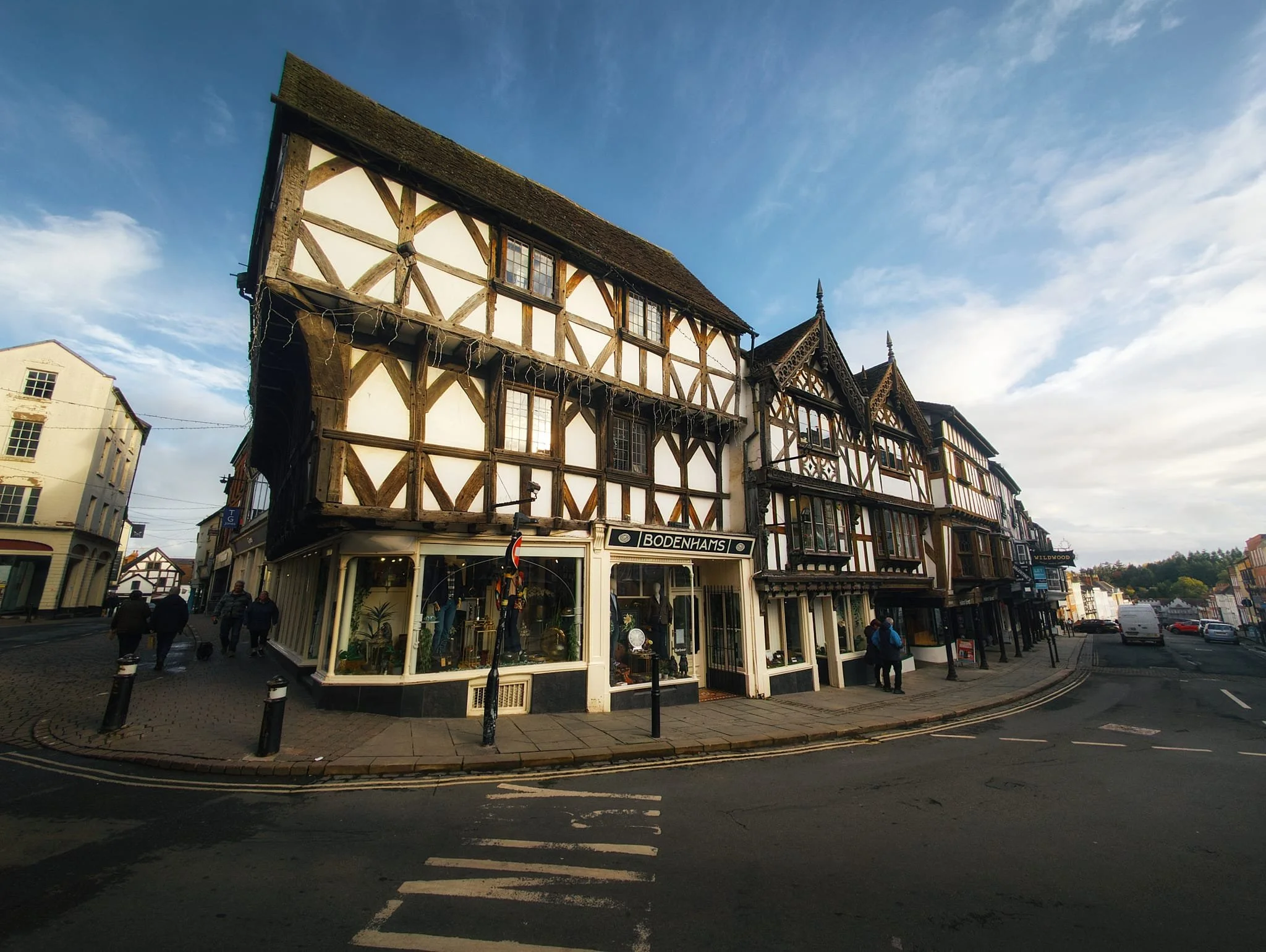
At the junction of Broad Street with High Street and Church Street, an ultra-wide composition reveals the wider context of Broad Street’s beautiful buildings, a lot of which are still in use.
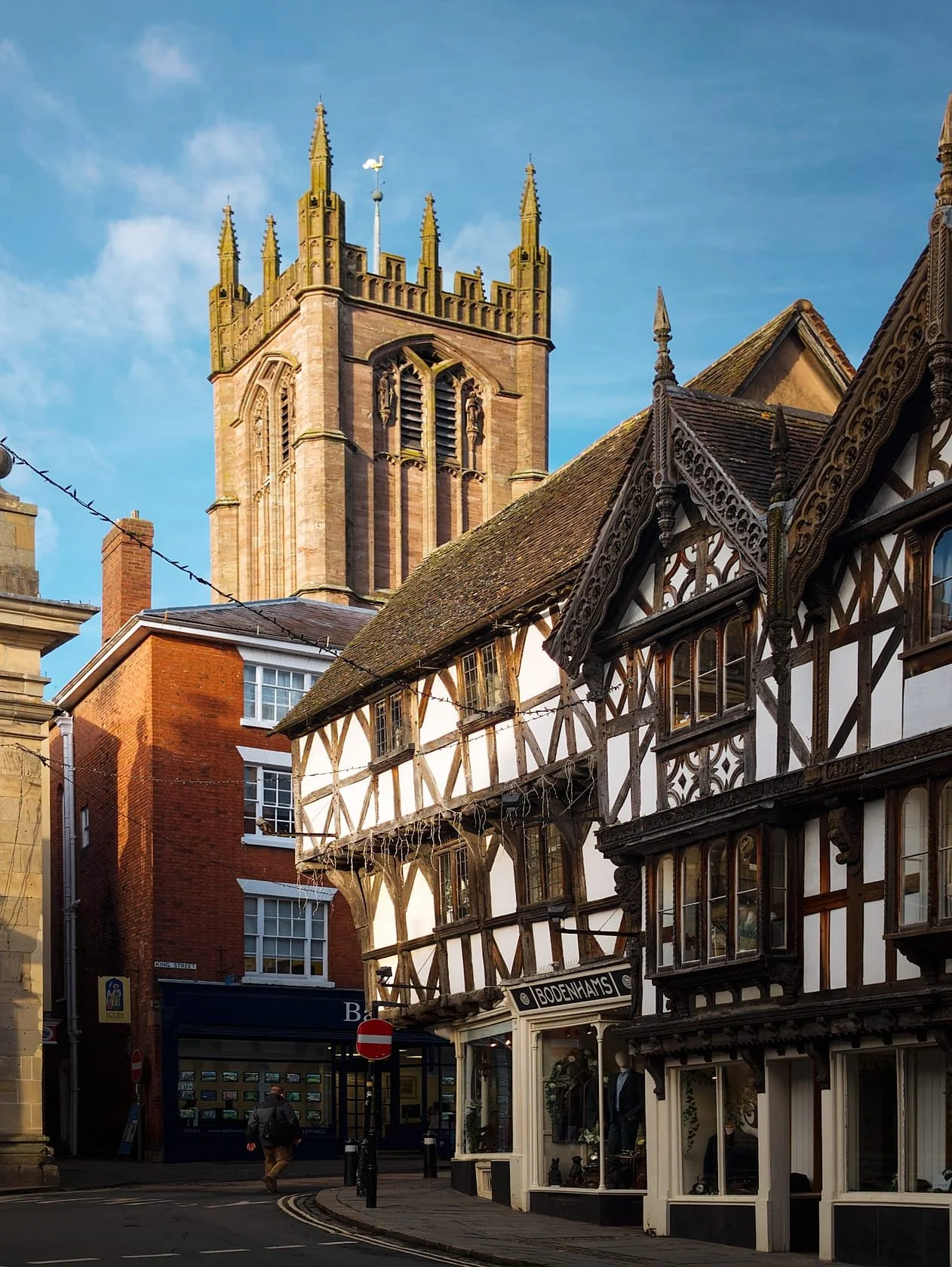
A tighter composition, with low light highlighting the top of Bodenhams , a family run business since 1860 inhabiting a building dating from 1405. Rising peerlessly above, and catching the golden light, is St. Laurence’s Church. Not a bad shot from a phone, right?