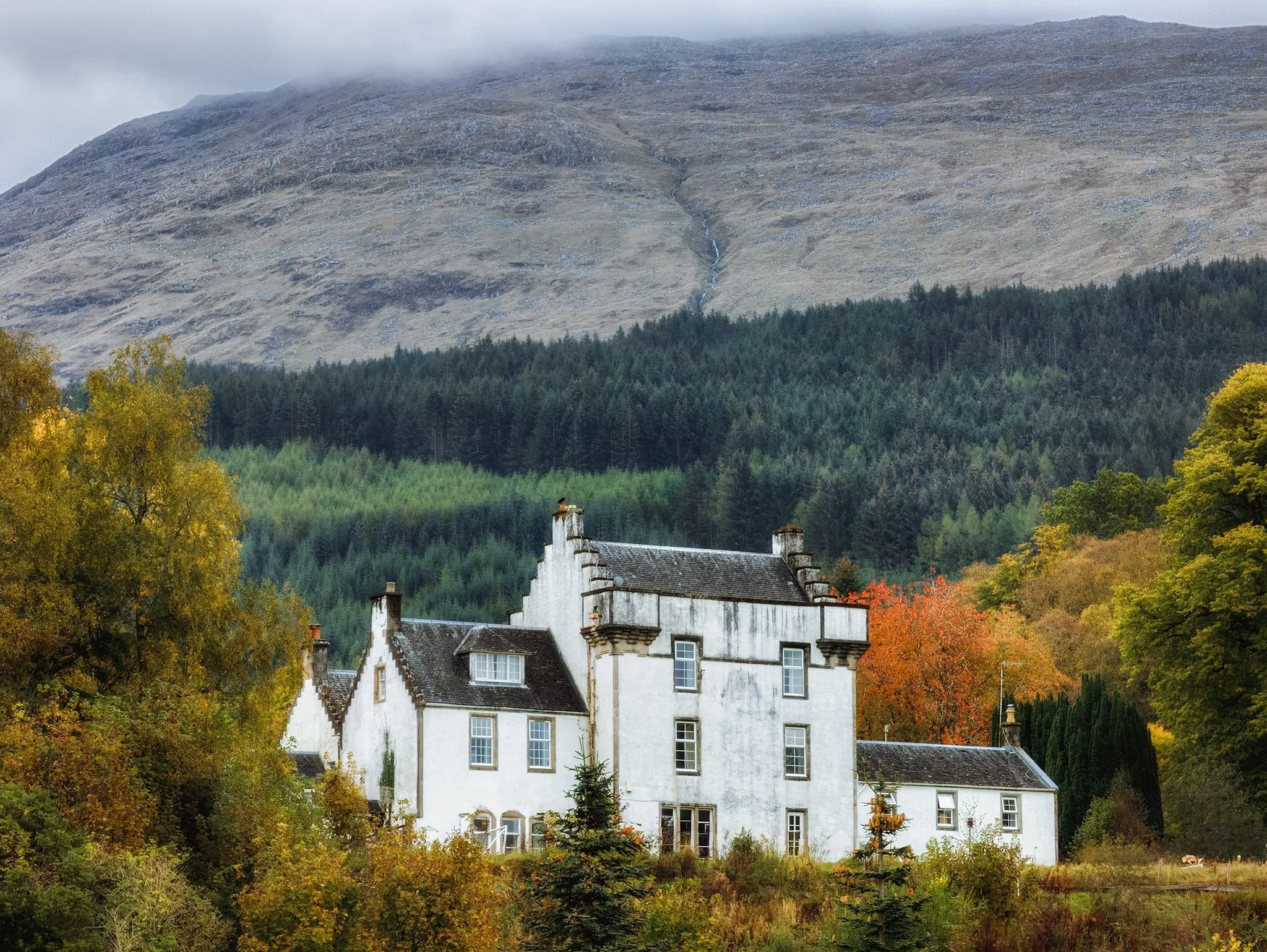
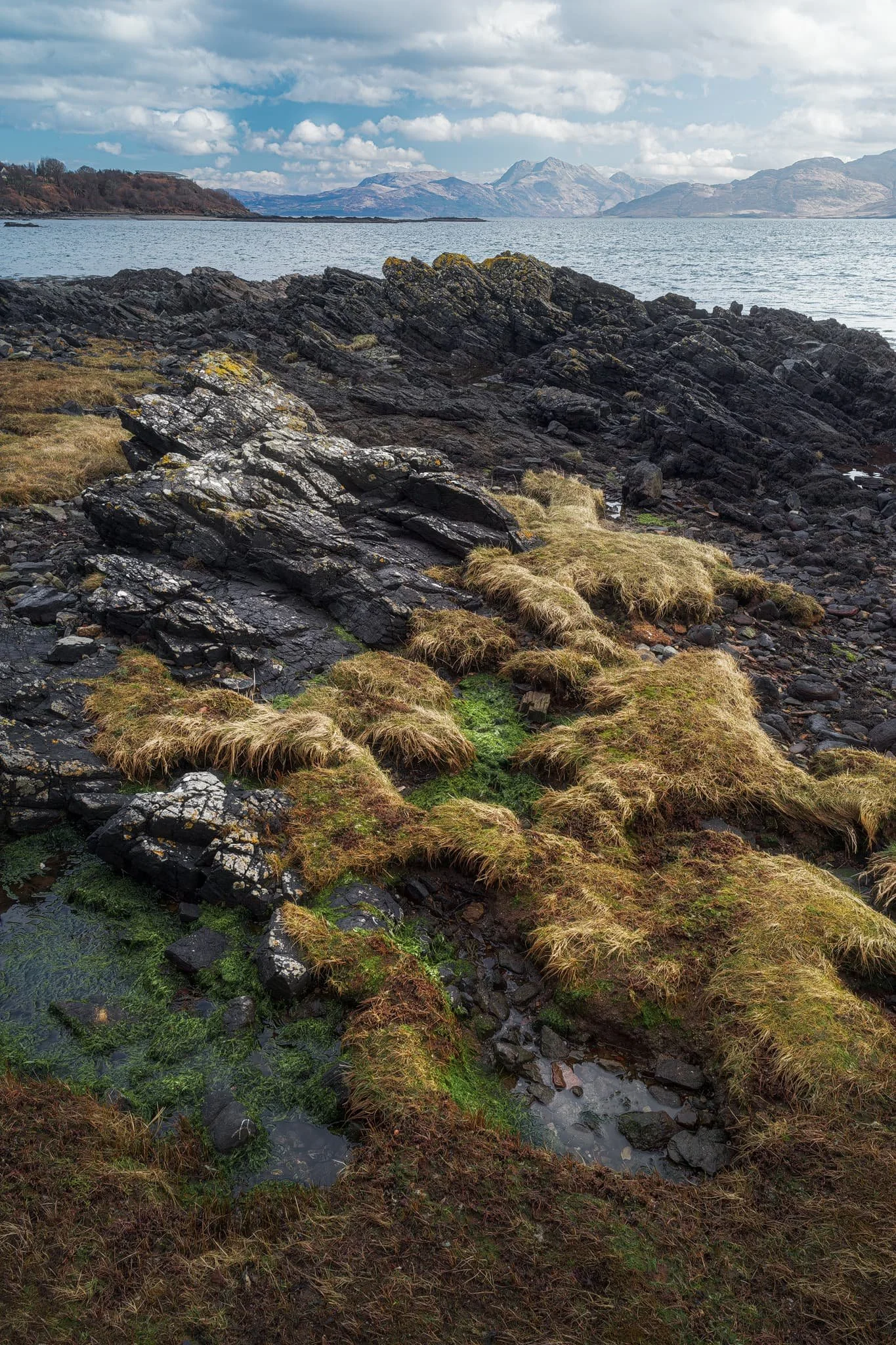
There’s a lot of history in Fife.
Aside from the glorious coastline available along the Fife Coastal Path, there’s an awful lot of history in the area too. In particular Fife is home to the town of St Andrews, home to the third oldest university in the English-speaking world (founded in 1413 CE) and also the “home of golf”.
There’s evidence of people settling the St Andrews area around 4500 BCE—6,500 years ago—but recorded history notes a monastery established by the Pictish king Oengus I in the mid-700s CE. In the 800s, king Causantín mac Cináeda built a new church then was later captured and killed when defending against Viking raiders.
We spent a glorious sunny day meandering around the town, photographing all the gorgeous architecture and historical buildings. This included St Andrews Castle—originally built in the late 1100s/early 1200s, and the University of St Andrews (especially St Salvator’s Quadrangle).
Later, towards sunset, we followed the coast east of St. Andrews to Buddo Ness, where we found another magnificent sandstone formation: Buddo’s Rock.
An all round corker of a day.
All photos taken on my Sony α7ii using my Sony 24-240mm F3.5-6.3 OSS zoom and Rokinon 14mm f2.8 ED AS IF UMC prime lenses. RAWs developed in Lightroom, merged in Photomatix, and edited and finalised in Photoshop.
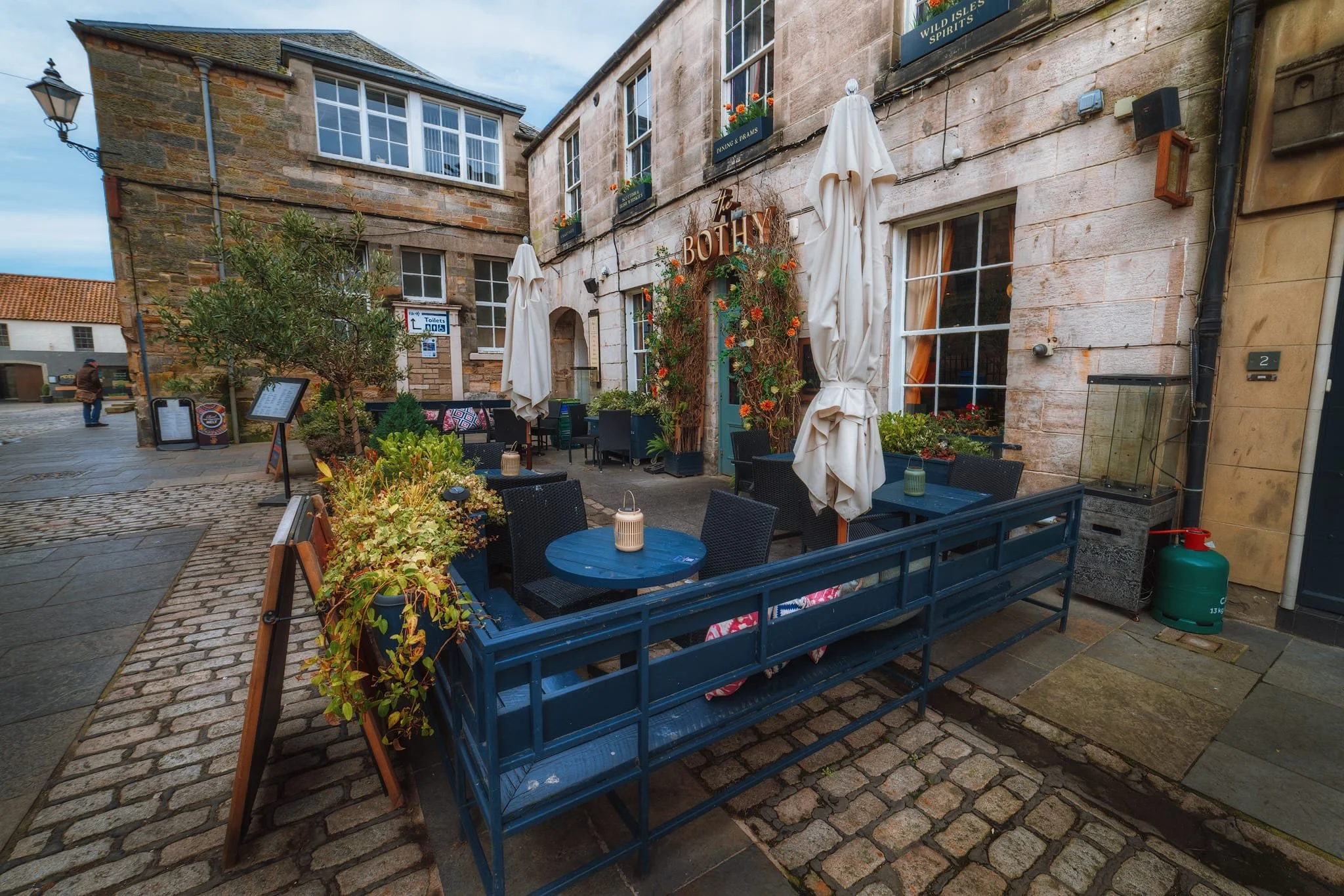
After coffee we meandered around the town centre (otherwise translated as “Lisabet went charity shop hunting”). I found this beautiful little pub, The Bothy , a “quintessential Scottish bolthole” tucked away in a corner of Church Square.
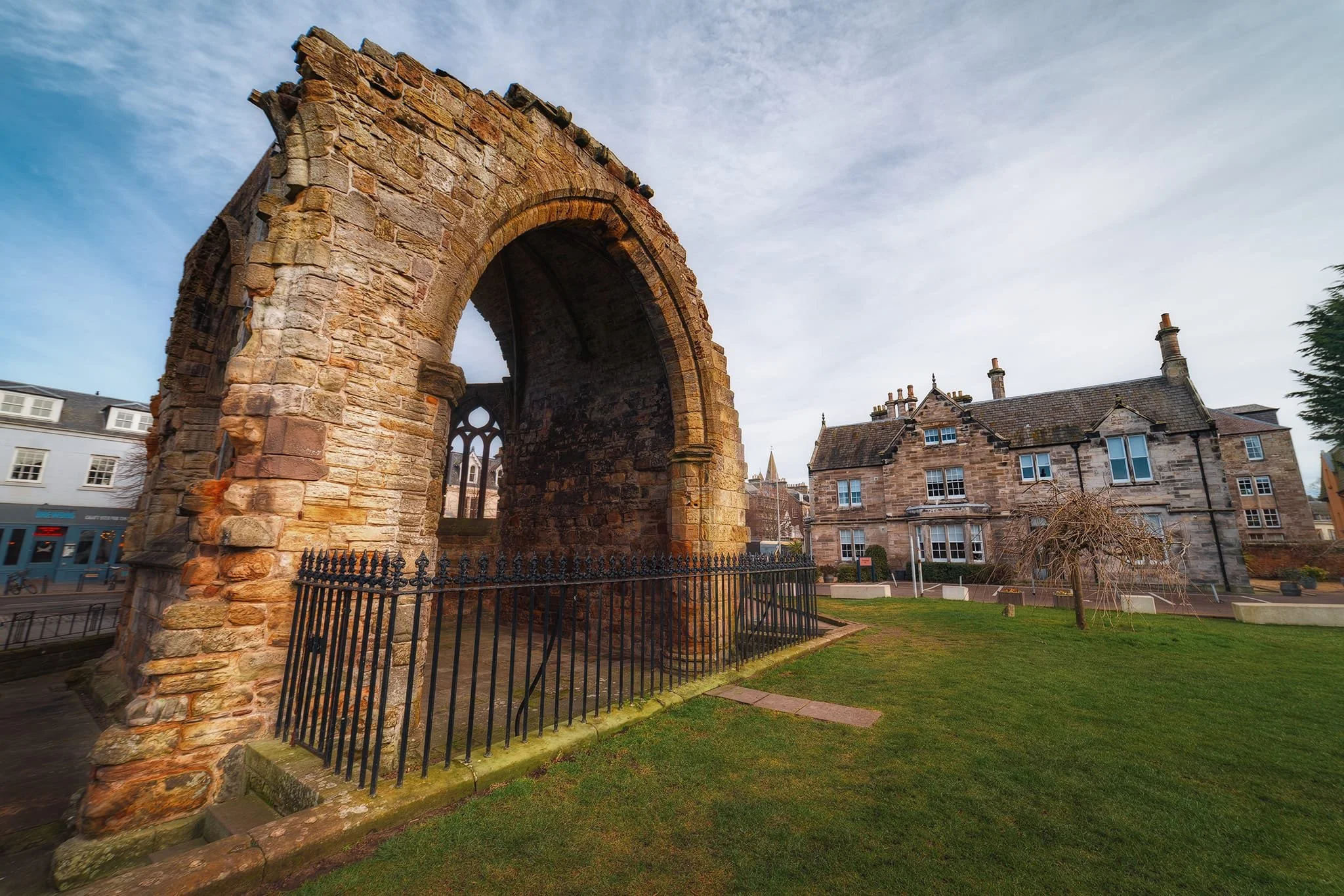
This is the ruined apse of the Dominican friary, Blackfriars, which can be seen on South Street. The friary was founded in the mid-15th century. By the mid 1500s, Protestant reformers expelled the friars. This chapel is all that remains of the friary.
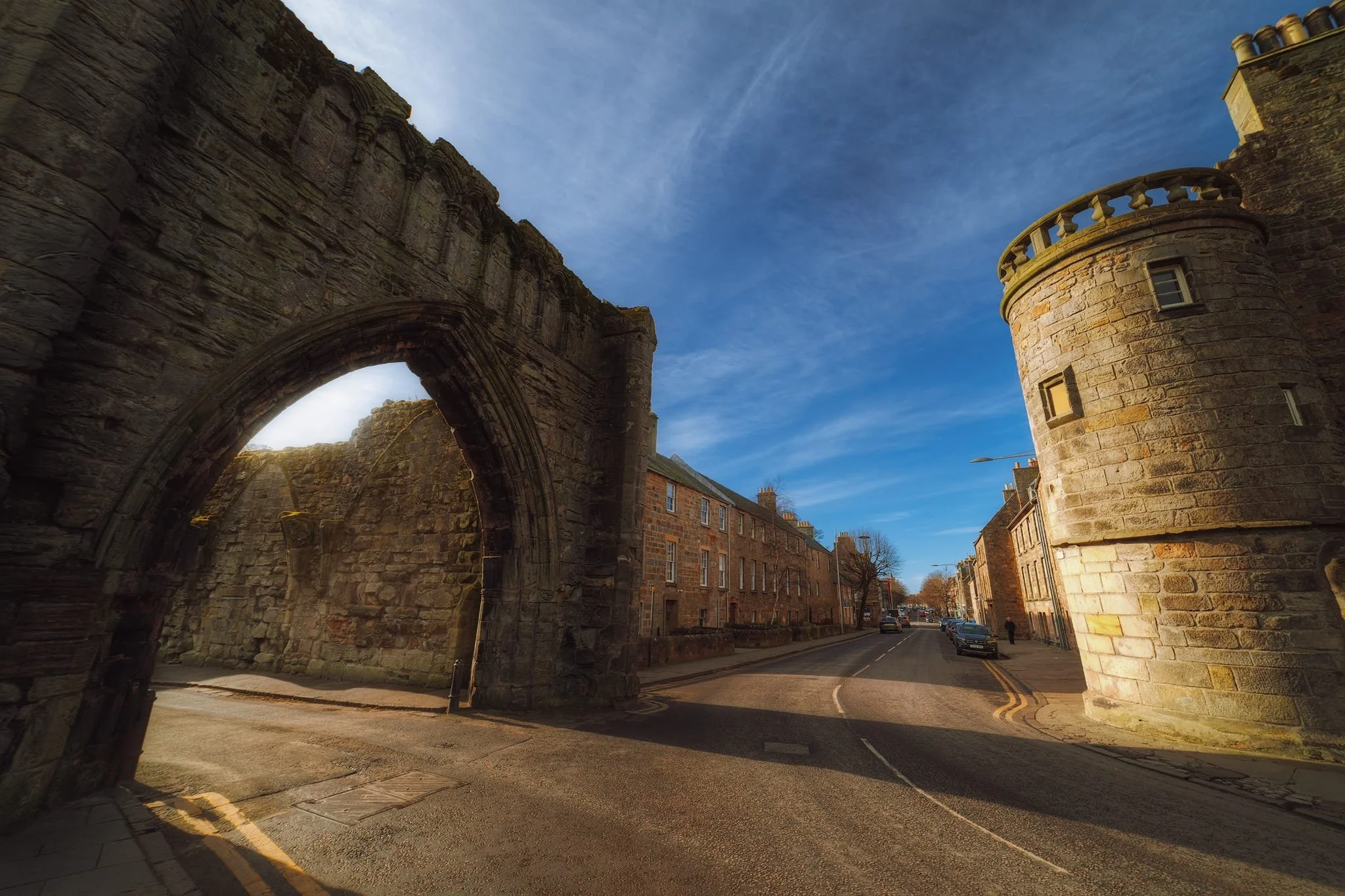
A gatehouse known as “the Pends”, a mid-1300s large stone gatehouse of the Augustinian cathedral-priory of St Andrews. Now a roofless shell with a large entrance. To the right is The Roundel of South Street.
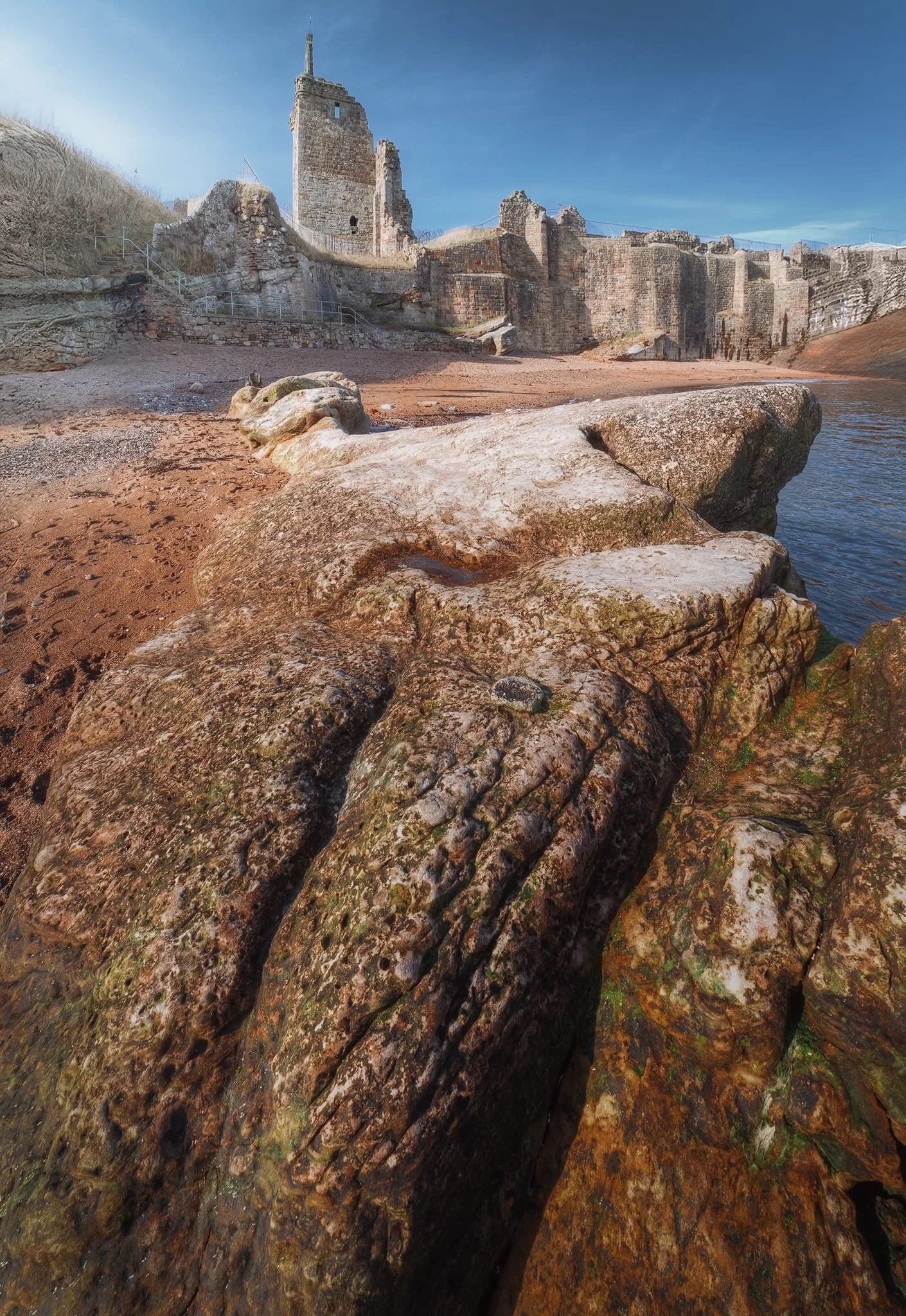
Now, it was time to have a look at the ruins of St Andrews castle. As it sits on a rocky promontory overlooking the sea, we wanted to check it out first from below. This beautiful long rock formation served as the perfect leading line.
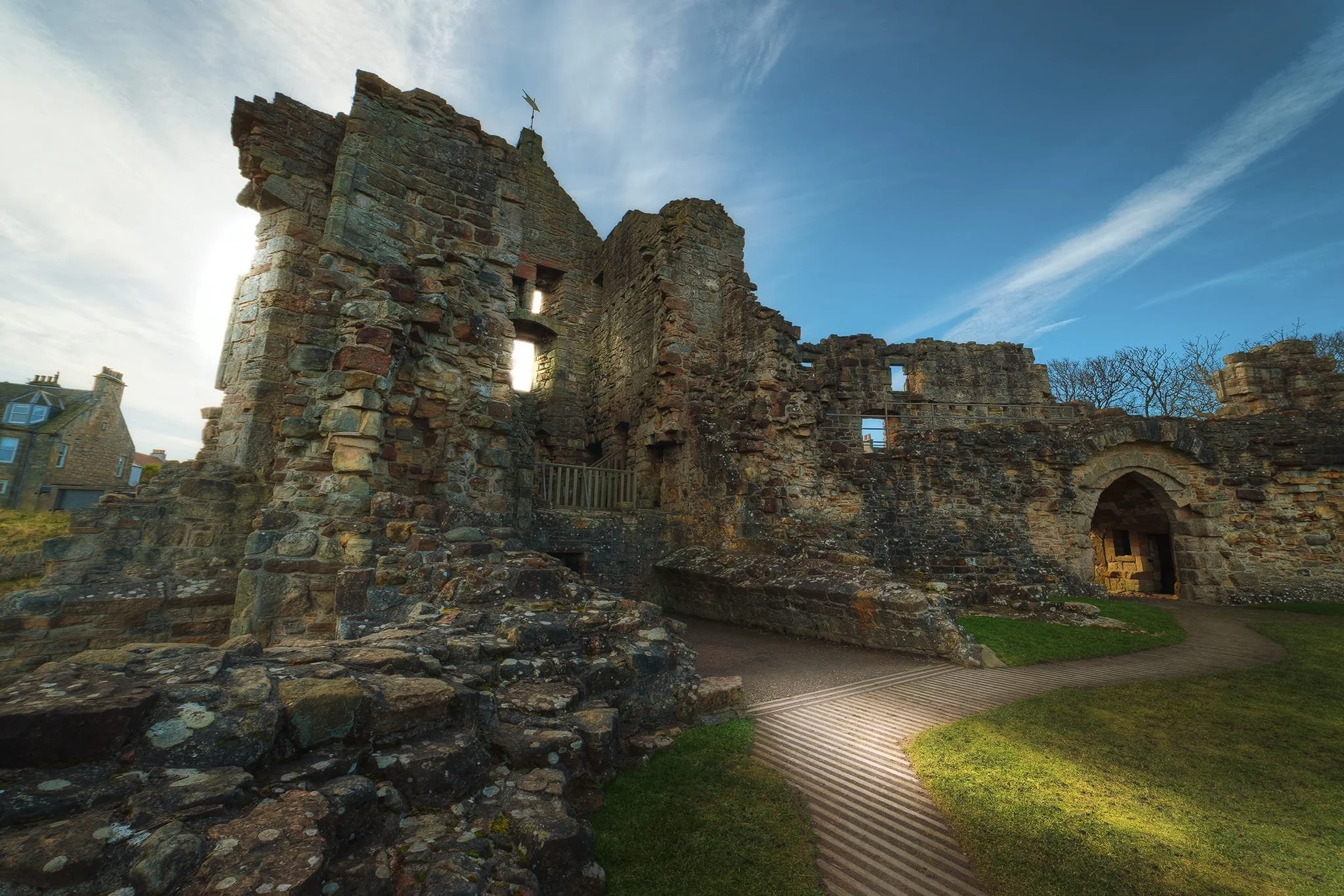
Looking back at the front and entrance of St Andrews castle. There’s been a castle standing at the site since the era of Bishop Roger (1189–1202). This is the largest part of the castle ruins that’s still standing, the rest having largely fallen into the sea.
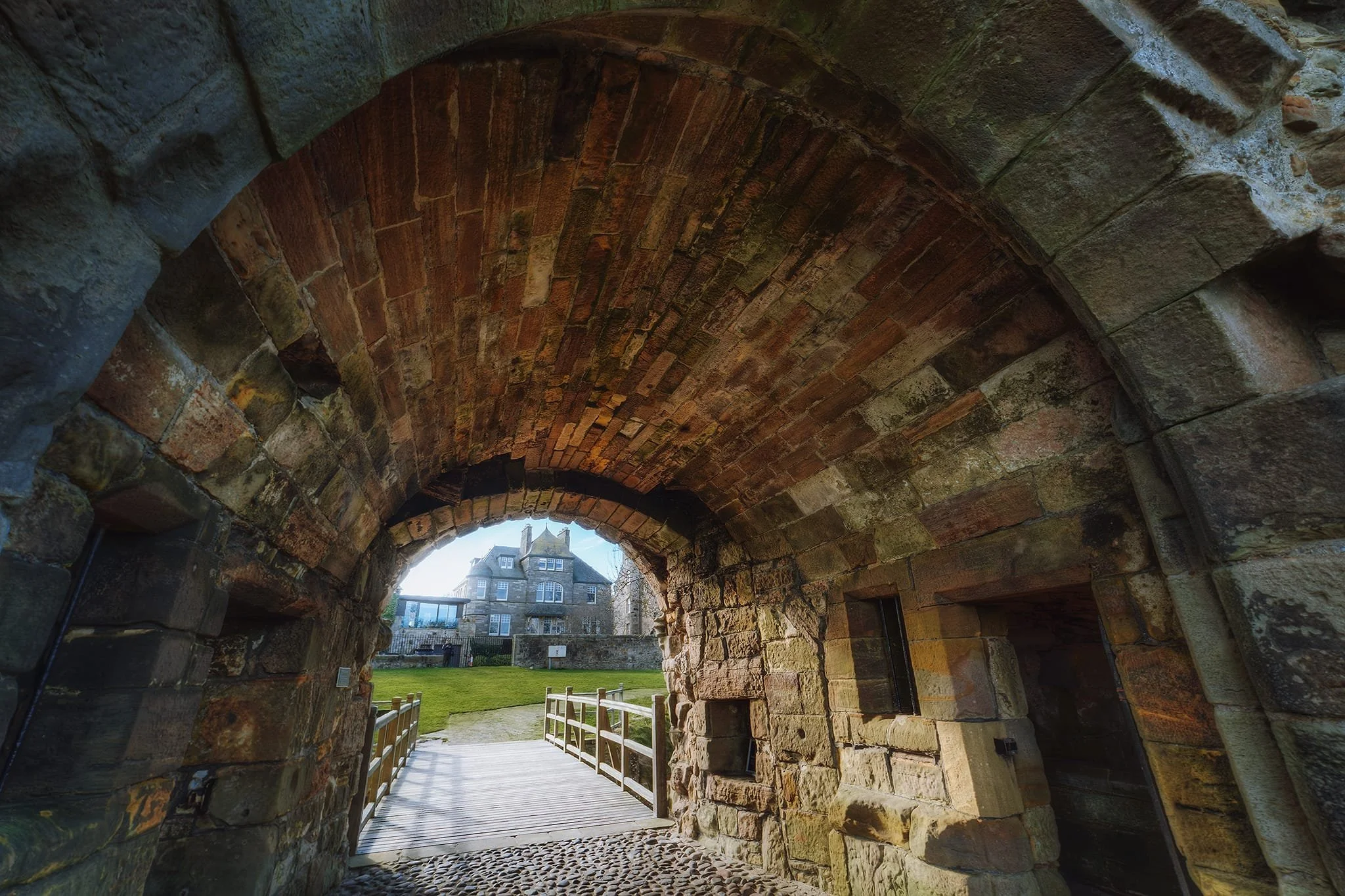
Looking through the entrance to the castle back towards the town. Towards its latter years, the castle was the home of Cardinal David Beaton, Archbishop of St Andrews, the last Scottish cardinal before the Reformation. Cardinal Beaton was not popular, and had no issue using the wealth of the church as his own. Additionally, courtesy of several mistresses, he fathered around 20 illegitimate children, many of whom he later gave well paid positions in the Church. He came to personify everything corrupt and in need of change in the Catholic Church. Eventually he was stabbed to death, mutilated, and hung from a castle window, before being dumped in the castle’s “bottle dungeon” and covered in salt to ‘keip him frome stinking’.
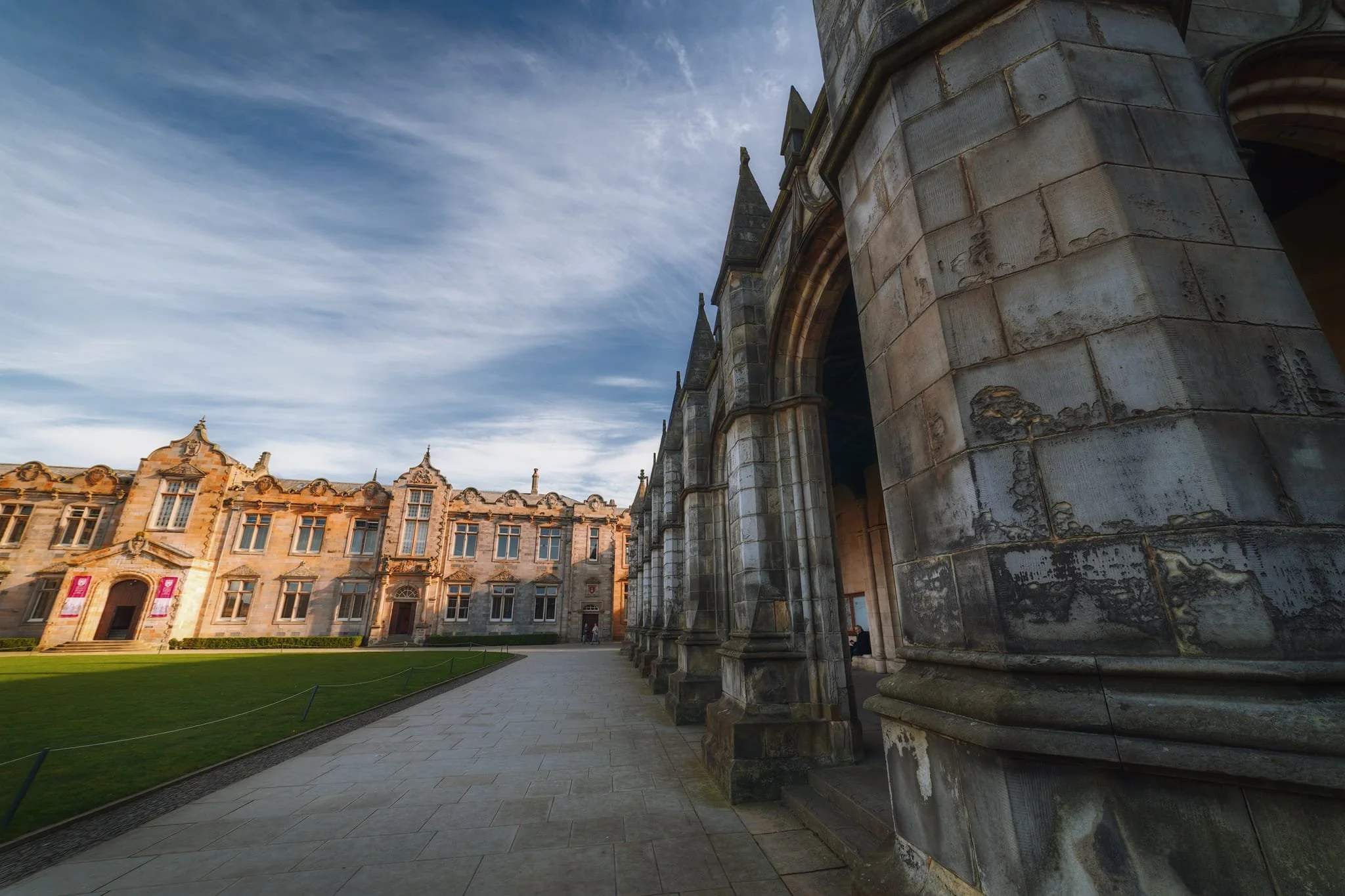
The cloisters of St Salvator’s Chapel around St Salvator’s Quadrangle, looking towards Lower College Hall. The Chapel was founded in 1450 CE built in the Late Gothic architectural style. It’s the chapel of the United college as well as being the major university chapel.
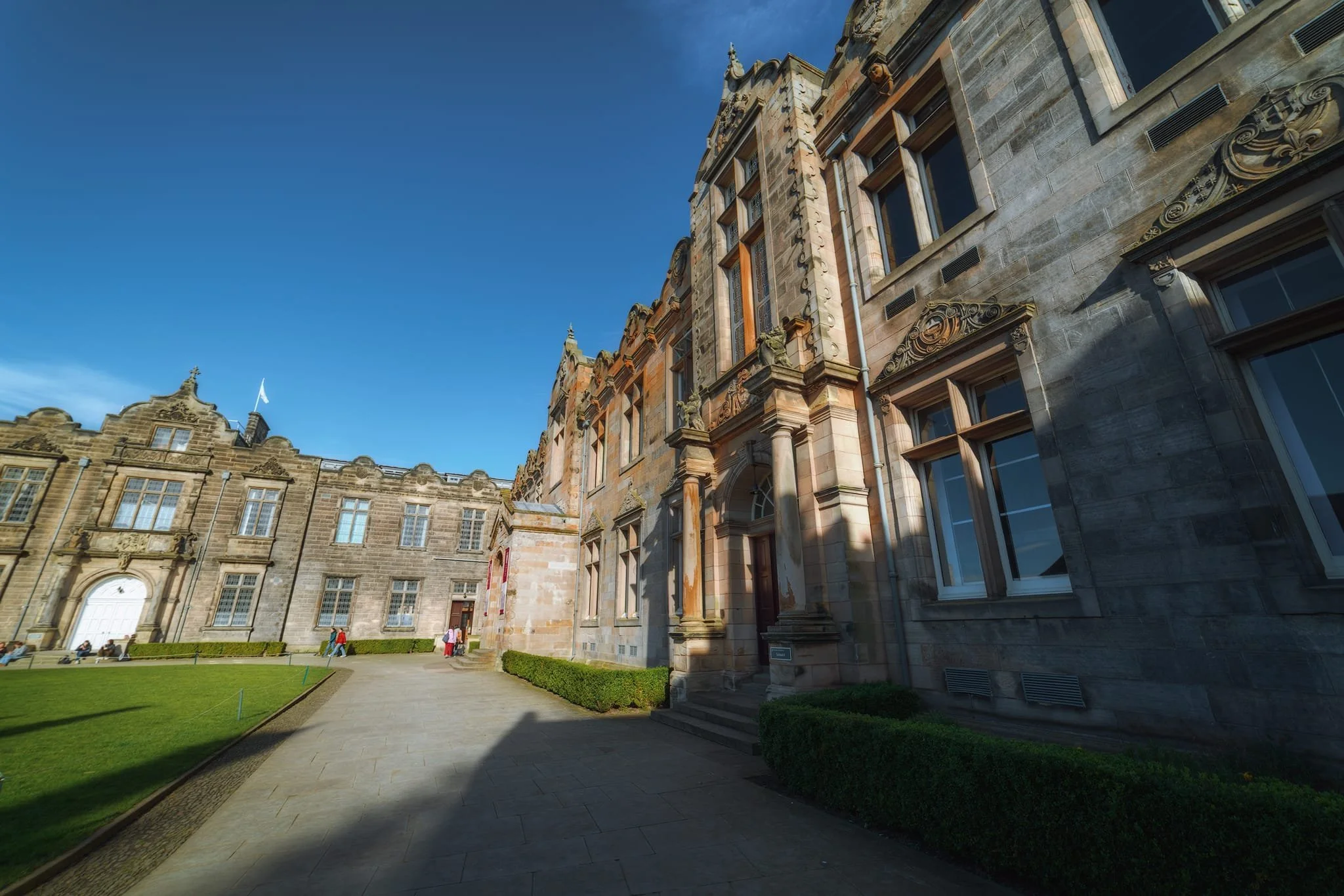
The Lower College Hall, nowadays largely serving as a grand venue for hire. The students around this lawn were wonderfully friendly and accommodating, happy for me to take photos around this Hogwartsian experience.
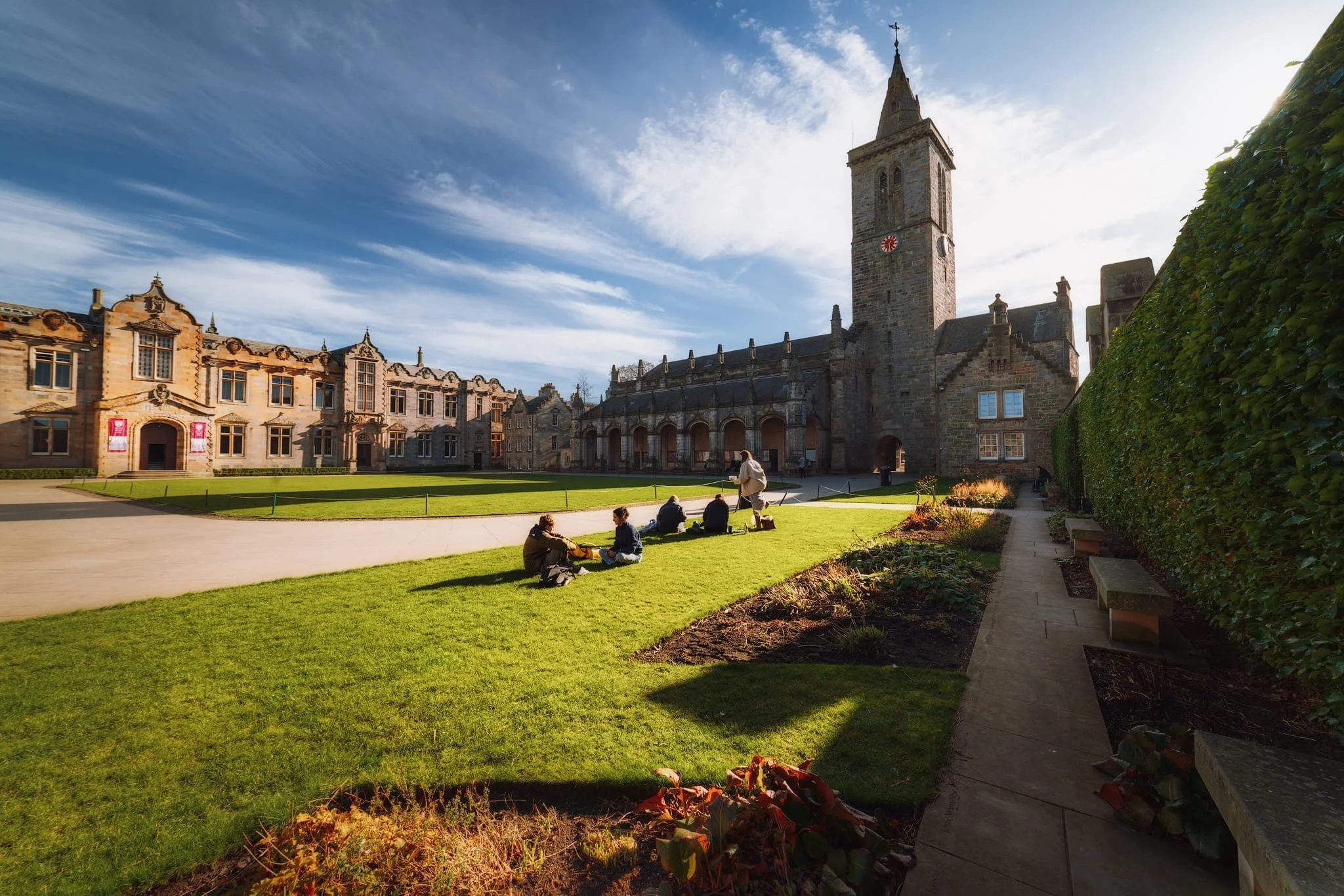
Imagine being educated in a place like this. In fact, a lot of Americans do.
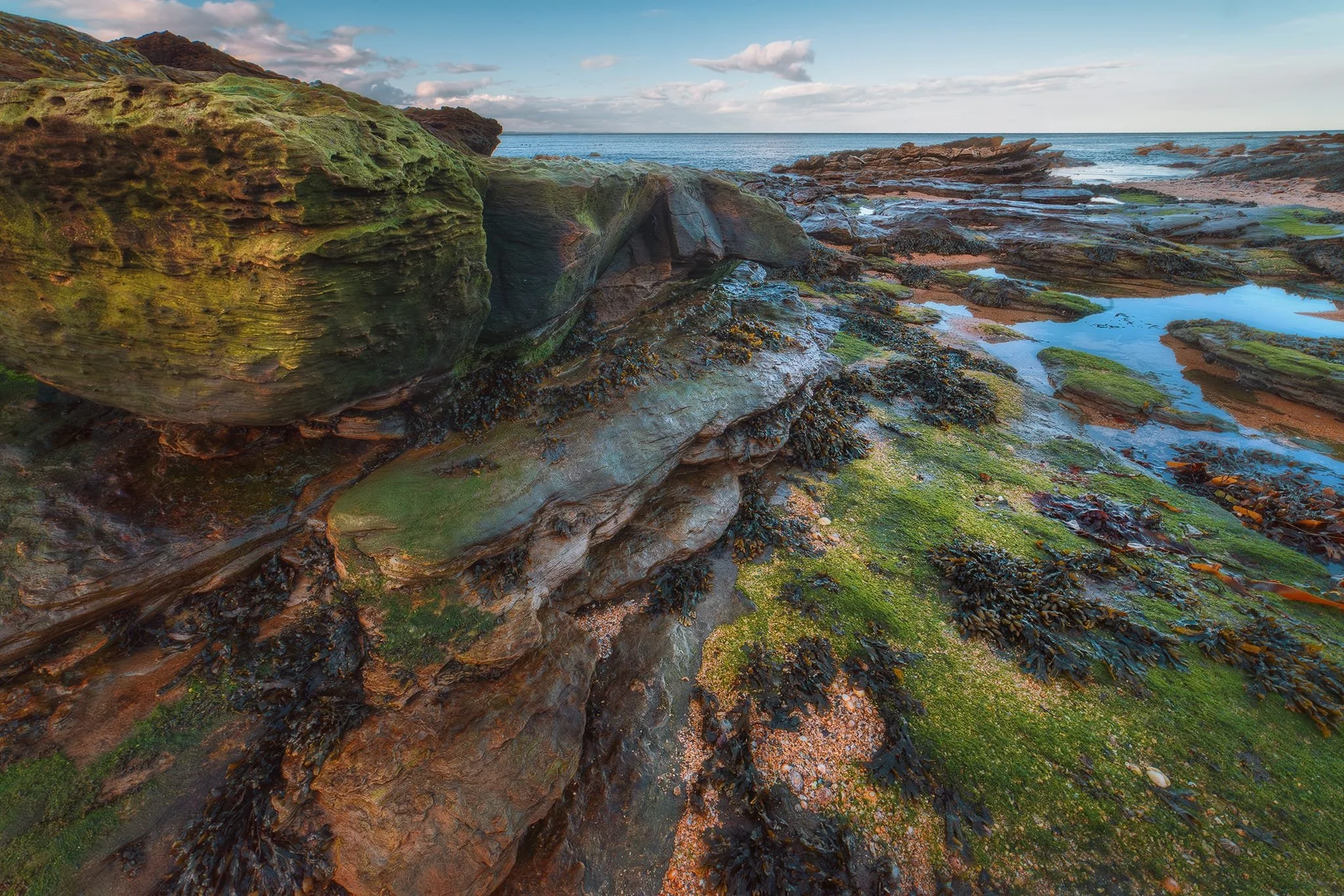
As sunset neared we followed the coast west of St Andrews to Buddo Ness to find another ancient sea cave , called Buddo Rock. With the tide out, various formations covered in algae and seaweed revealed themselves for some compositional fun.
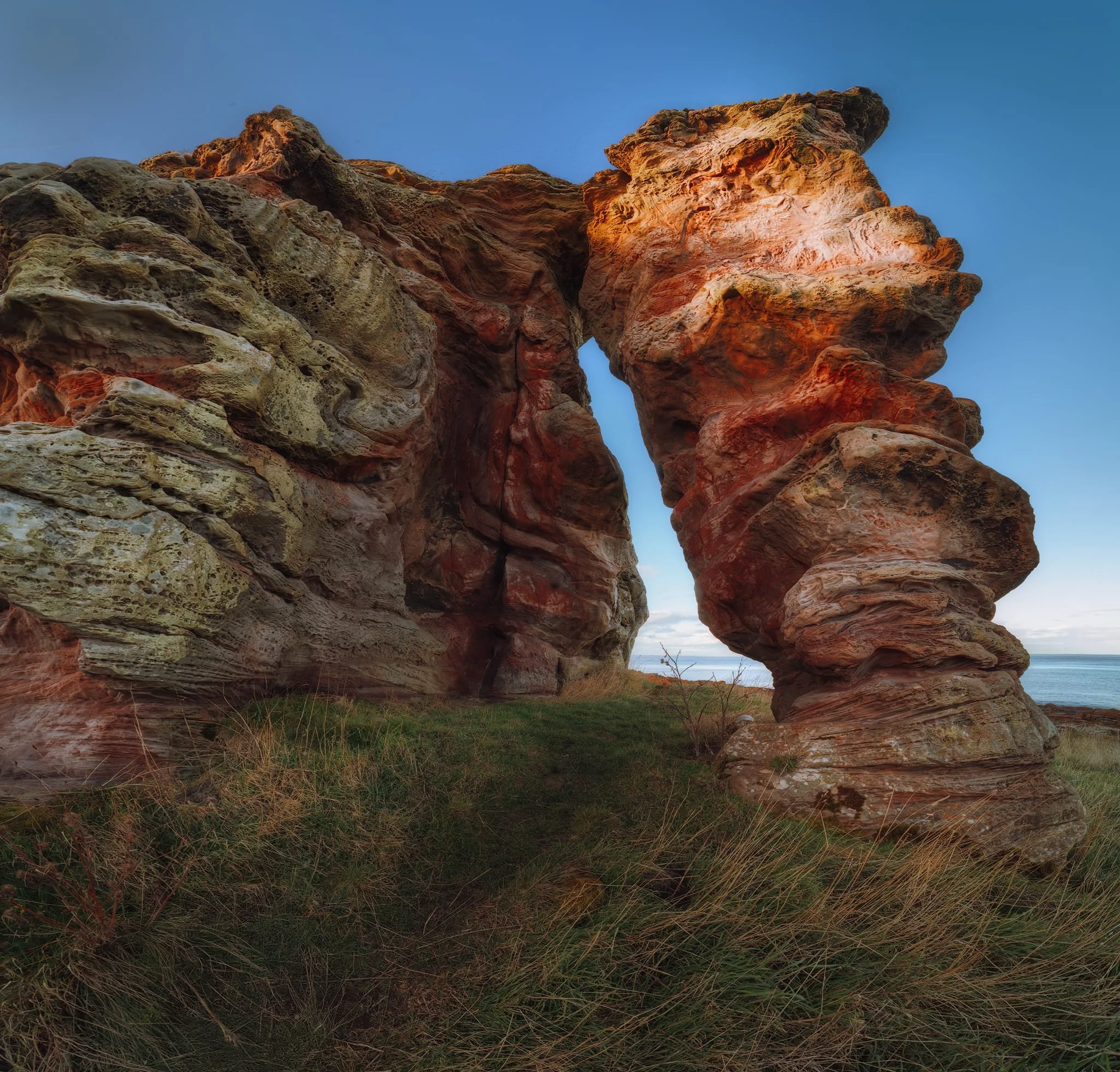
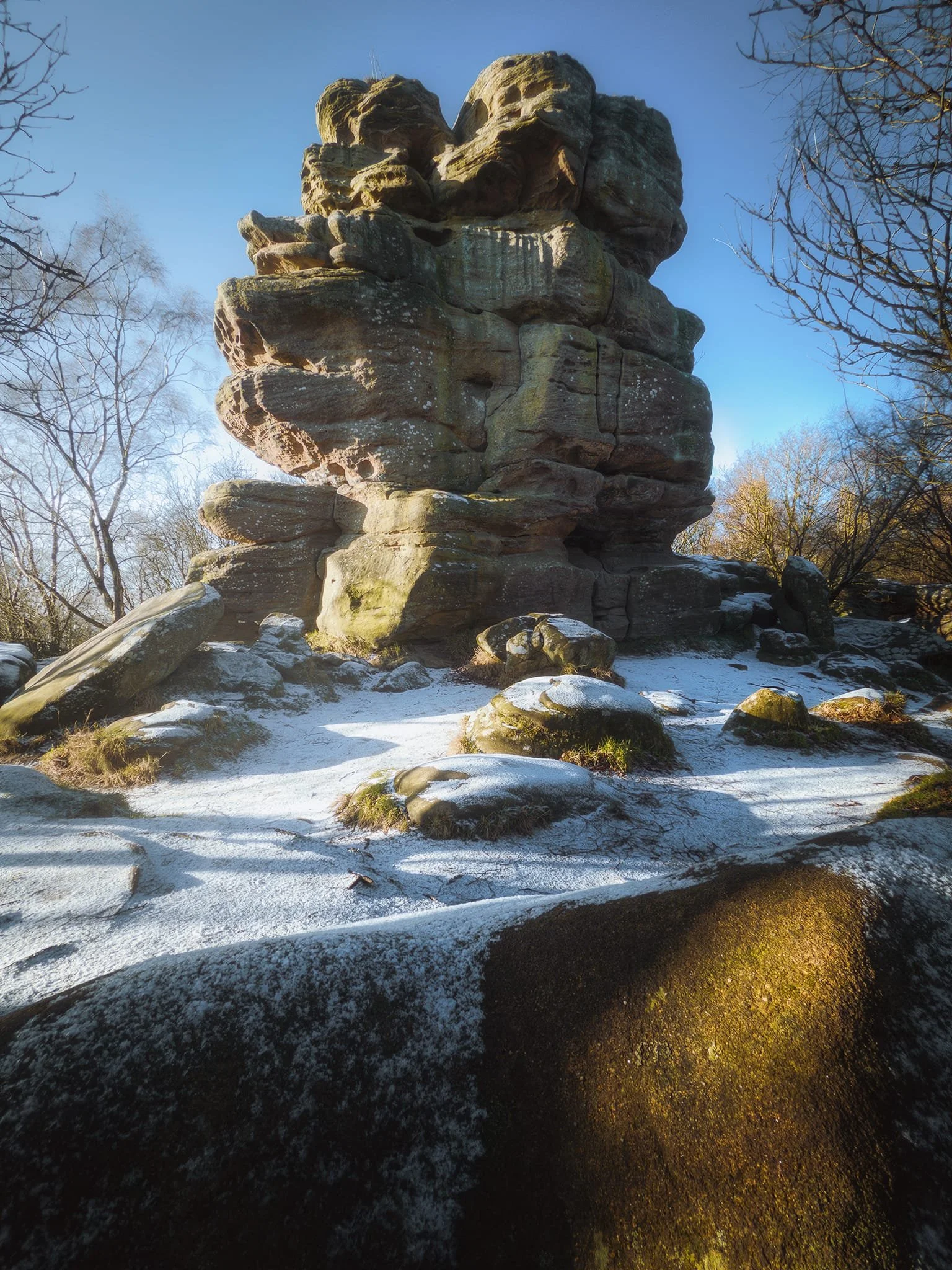
This is Buddo Rock. It’s a stack of pink sandstone that was once part of the cliffs along the coast; a remnant of a former sea cliff that formed around 15,000 years ago. The formation is a good 15 m (50 ft) tall, so even with my 14mm ultra-wide lens attached I still couldn’t get the whole thing in. This was image was achieved by shooting seven landscape shots, stacked top to bottom, for a massive vertorama.
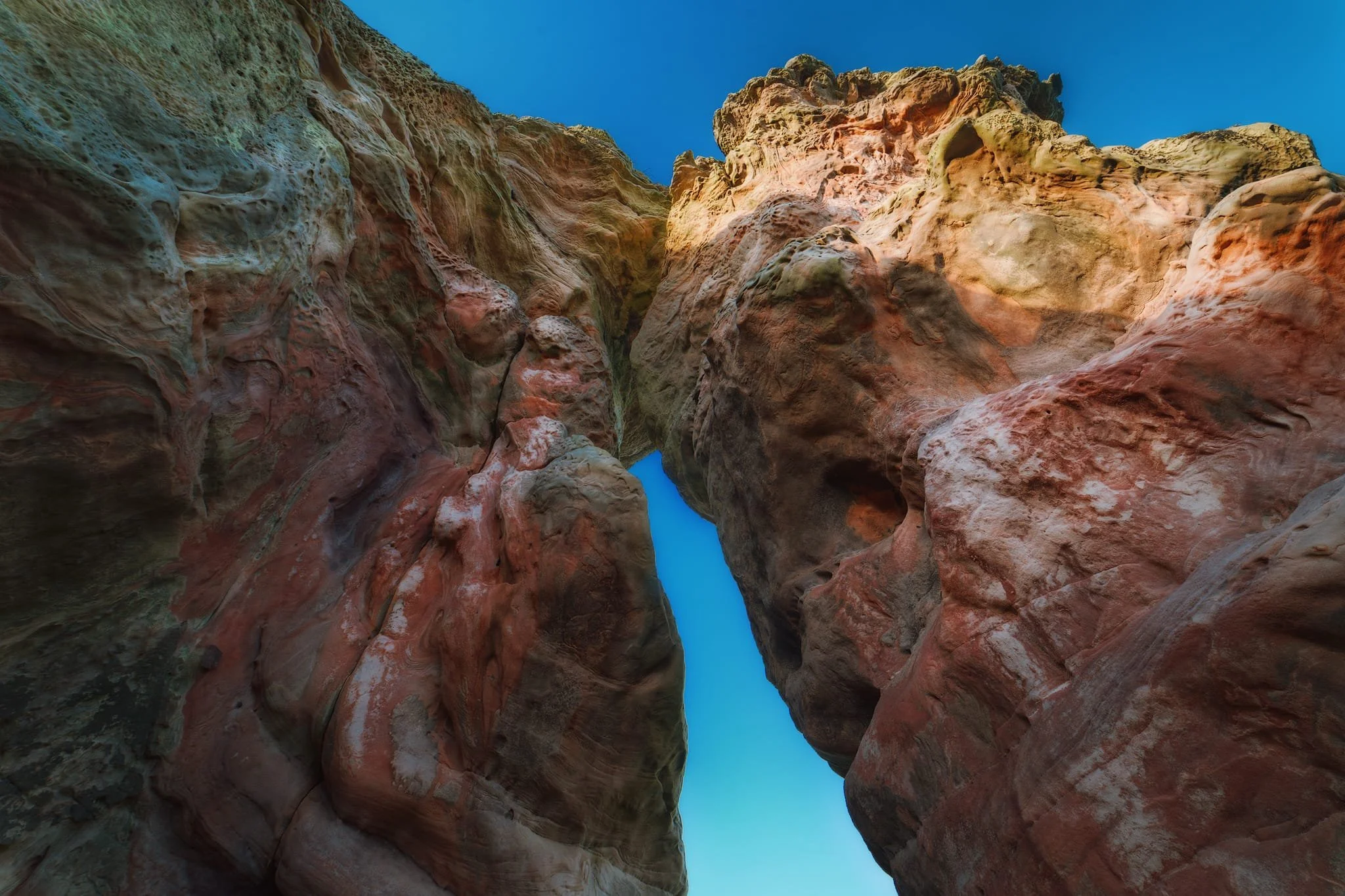
Looking up from underneath the massive arch of Buddo Rock, the setting sun hitting the top of the stack.
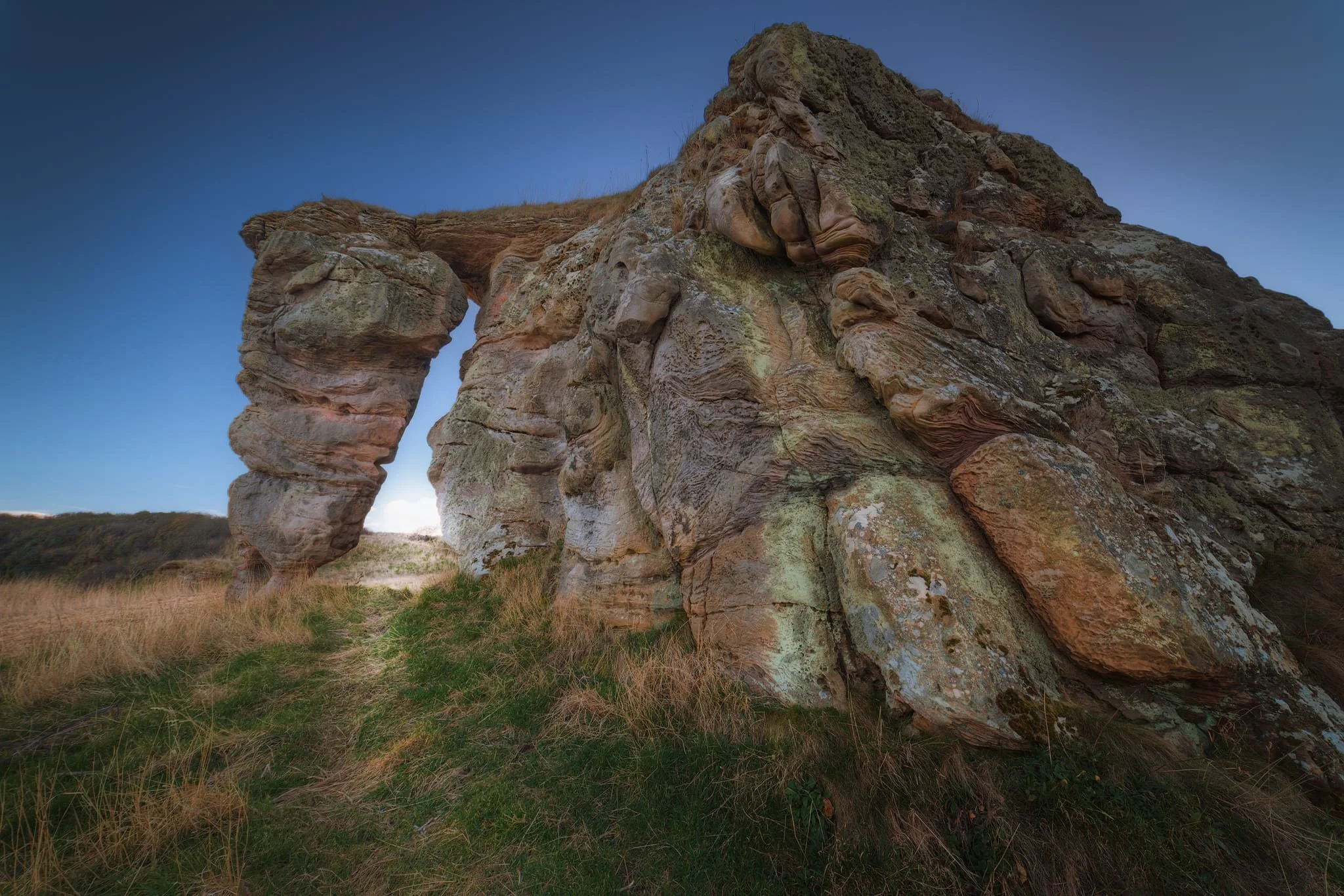
Buddo Rock viewed from the sea. The name may well seem unusual. It seems to be linked to a local surname, first recorded in 1568. A Thomas Buddo is recorded in St Andrews around 1590, and there was an Effam Buddo in nearby Brownhills.
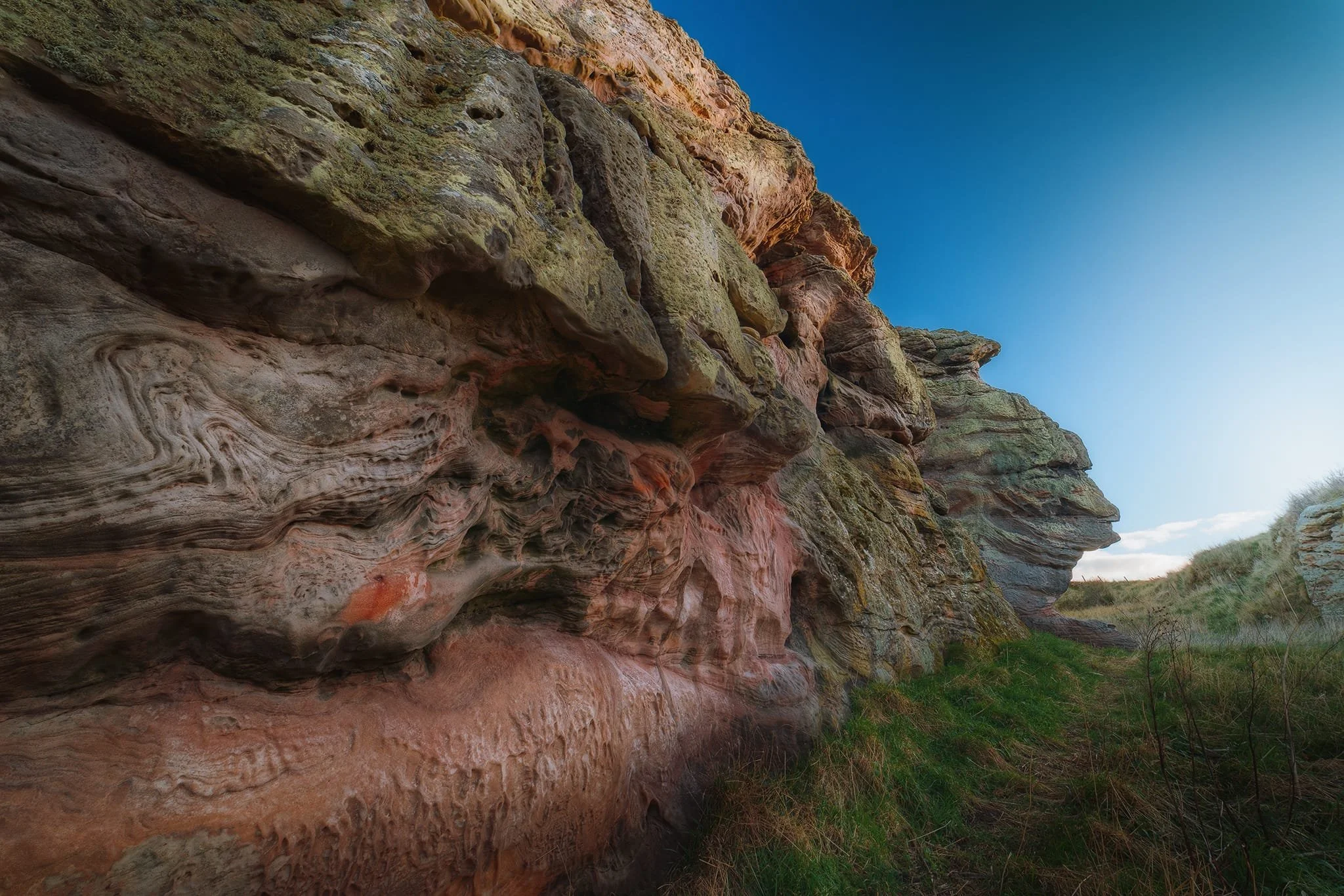
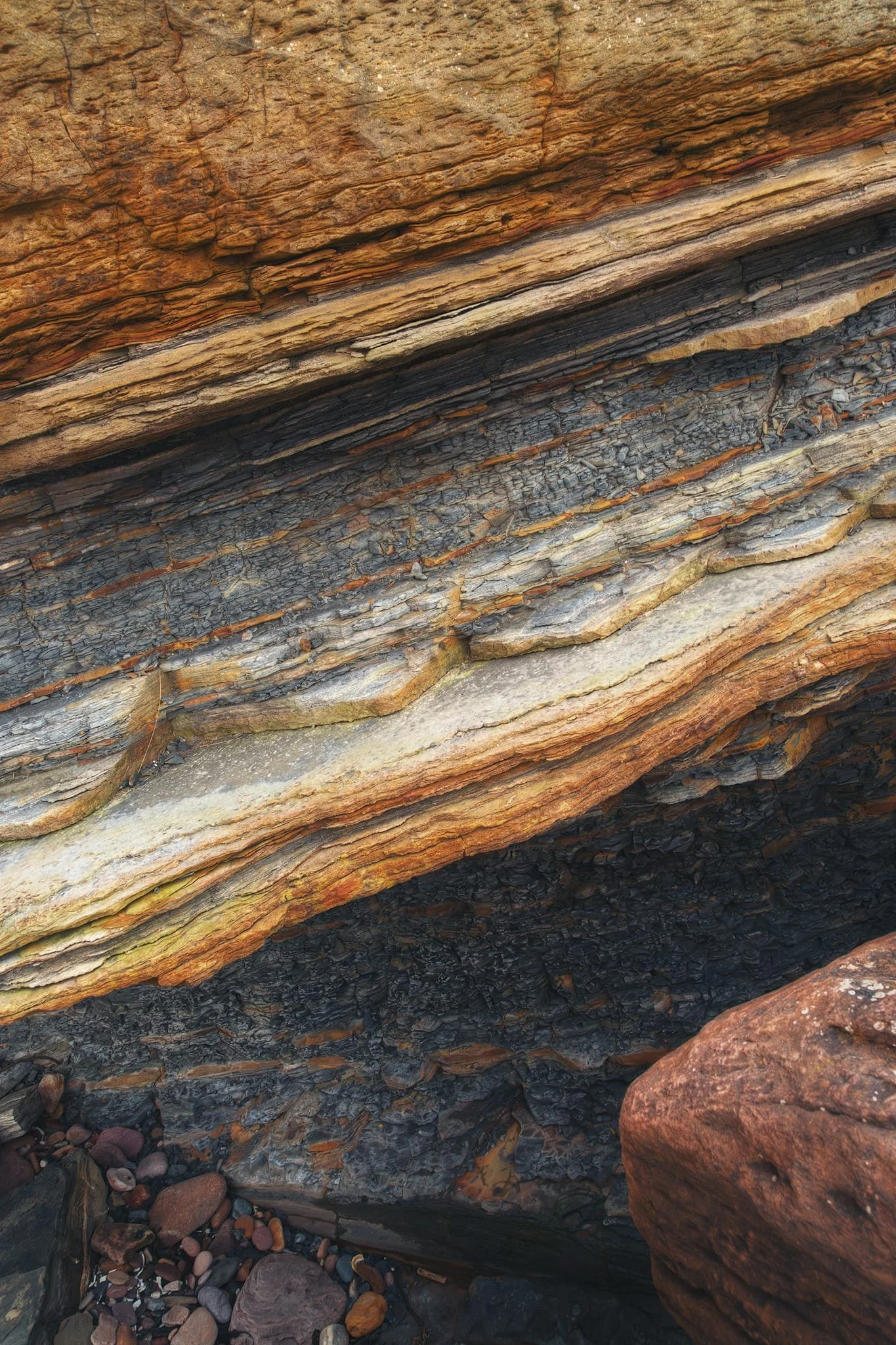
Getting low and close to this fascinating formation, picking out all the enchanting textures and colours.
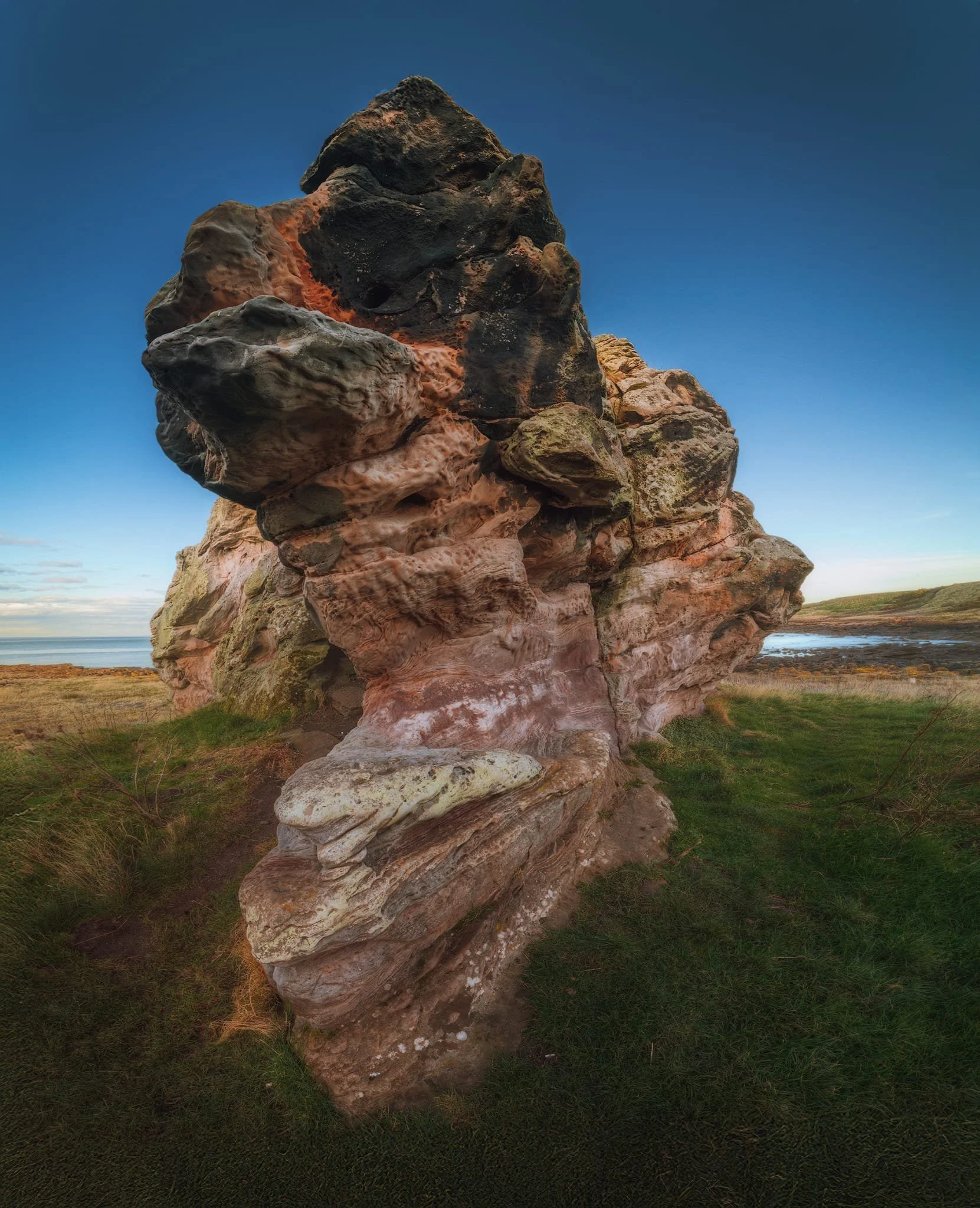
Similarly, this unique view of Buddo Rock is made up of eight landscape photos stacked top to bottom to present a massive ultra-wide view of this incredible natural sculpture.