We’re back from a week in the best place on earth: the Scottish Highlands.
It is all too easy, once in the Highlands, to begin your break by heading straight into the mountains. However, on this occasion, we started our break by checking out a historical and architectural curiosity: St. Conan’s Kirk.
Located above the shore of Loch Awe—Scotland’s longest freshwater loch at 25 miles long—the church is relatively modern by British standards. The original church was built between 1881 and 1886, featuring the nave and the choir. A certain Walter Douglas Campbell, an architect, lived nearby on Innis Chonain, a small island in Loch Awe, with his sister and mother. The story goes that his elderly mother found the journey to the nearest church in Dalmally, about 5 miles, too arduous. As a result, Campbell set his sights on nearby St. Conan’s Kirk, only a mile away, and set about upgrading and expanding it.
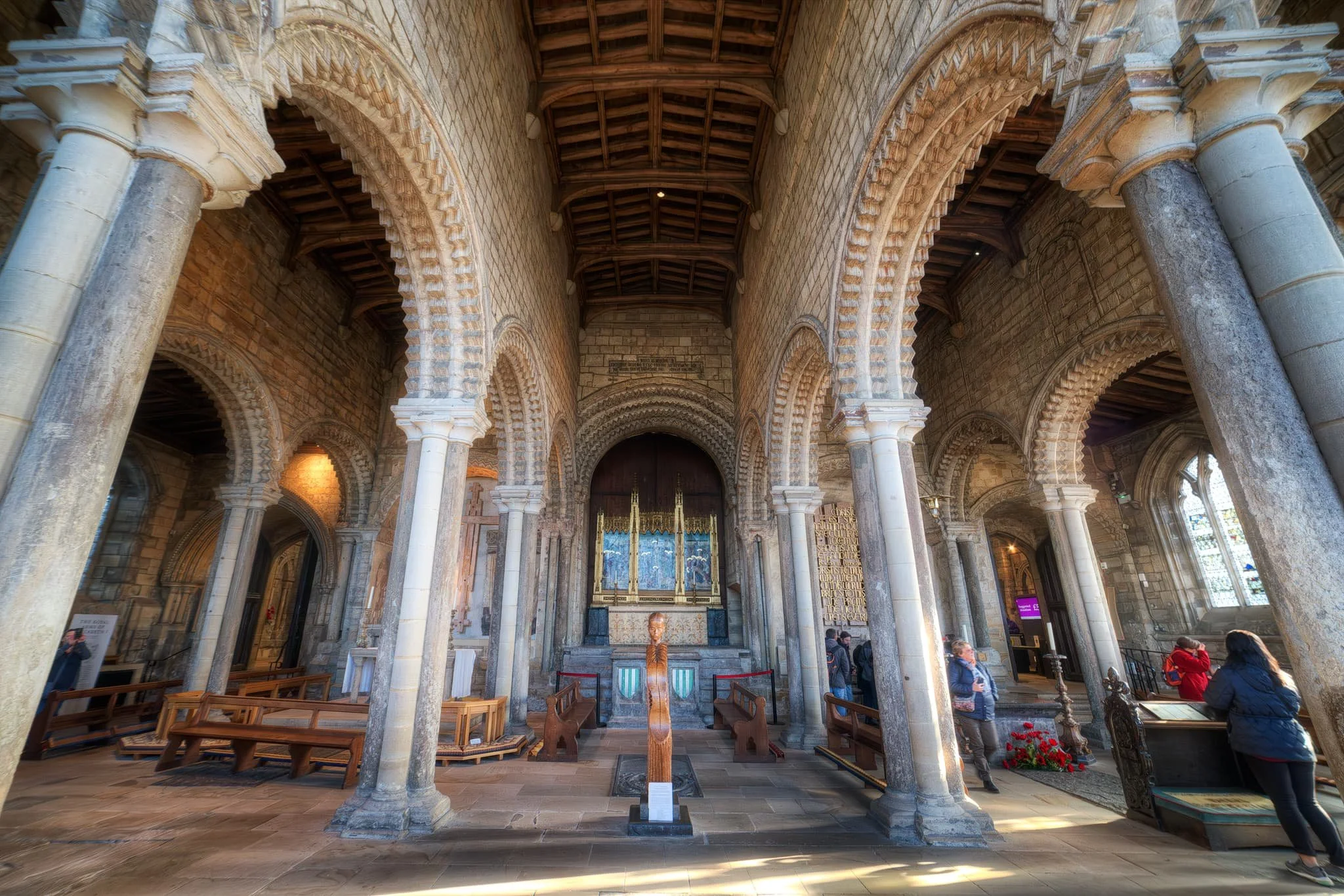
What’s curious about the design of this newer St. Conan’s Kirk is that Campbell went about implementing as many church architectural styles as he could: Norman, Celtic, Saxon, Gothic, you name it. Every direction you look gives you something new to gaze at. It’s really quite incredible.
Not to mention the setting of the church is astounding.
All photos taken on my Google Pixel 9 Pro XL, edited and finalised in Photoshop.
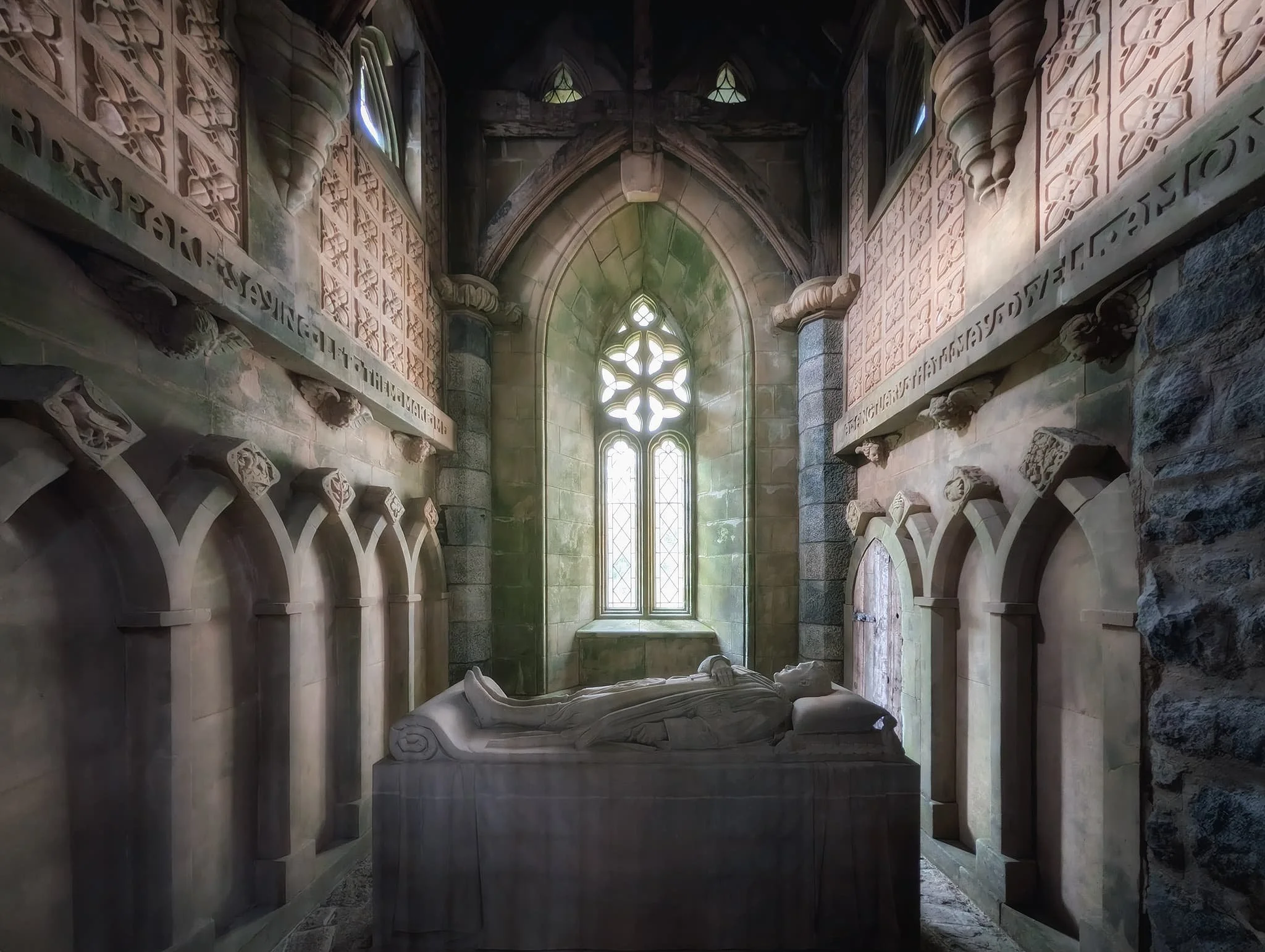
This is the St. Brides Chapel, containing a carved effigy of Walter Douglas Campbell himself. He died in 1914, his work in the kirk unfinished, so his sister continued in his stead until she too died in 1927. The church was finally finished and consecrated, ready for worship, in 1930.
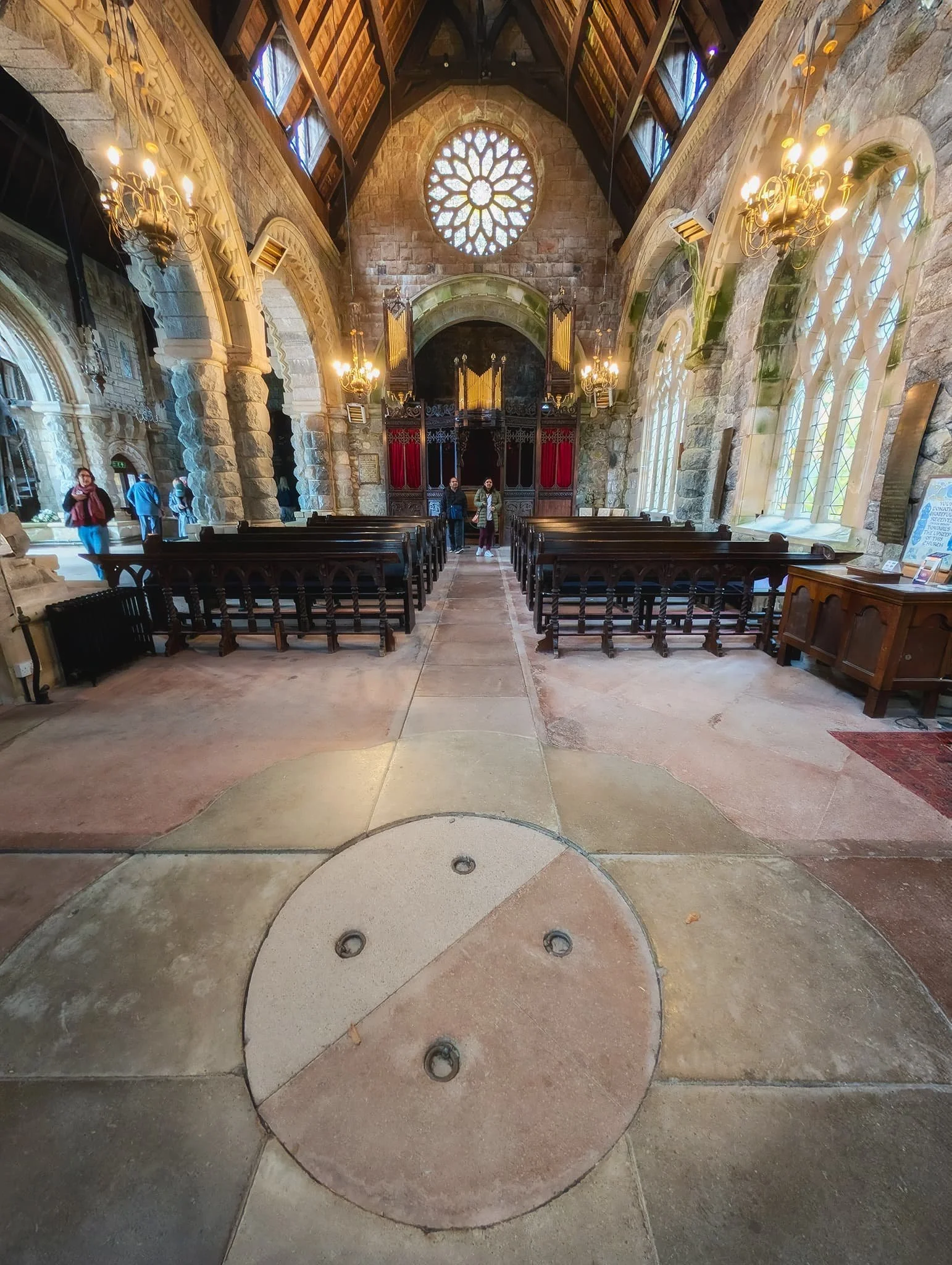
This is the nave of St. Conan’s Kirk, the “original” part of the church. The large organ screen was carved by Walter Campbell himself, including grotesque monsters, four heavenly creatures and ribbonwork symbolising Eternity.
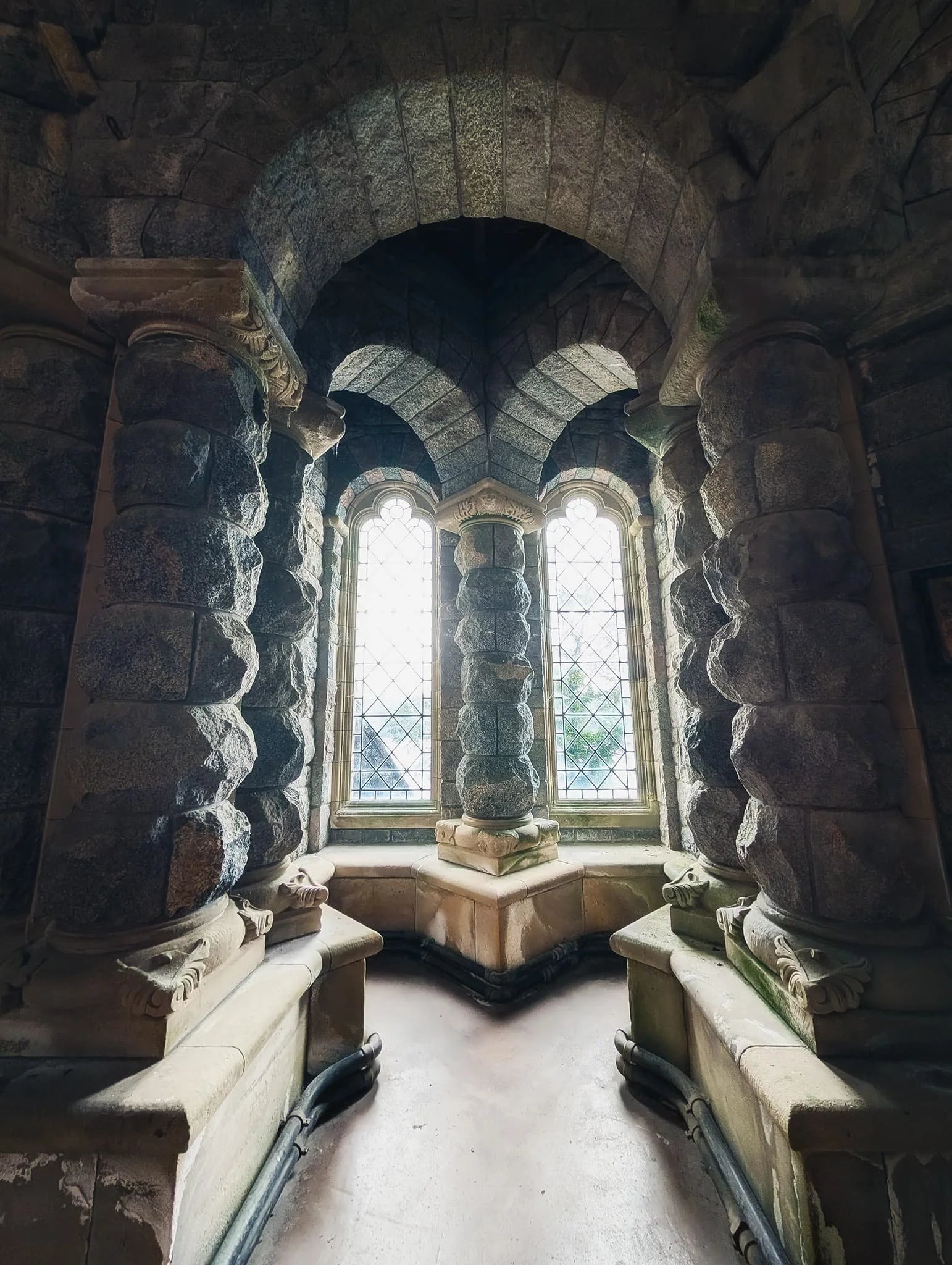
Campbell made use of large unsmoothed granite boulders from the nearby mountain Ben Cruachan in order to create pillars and arches.
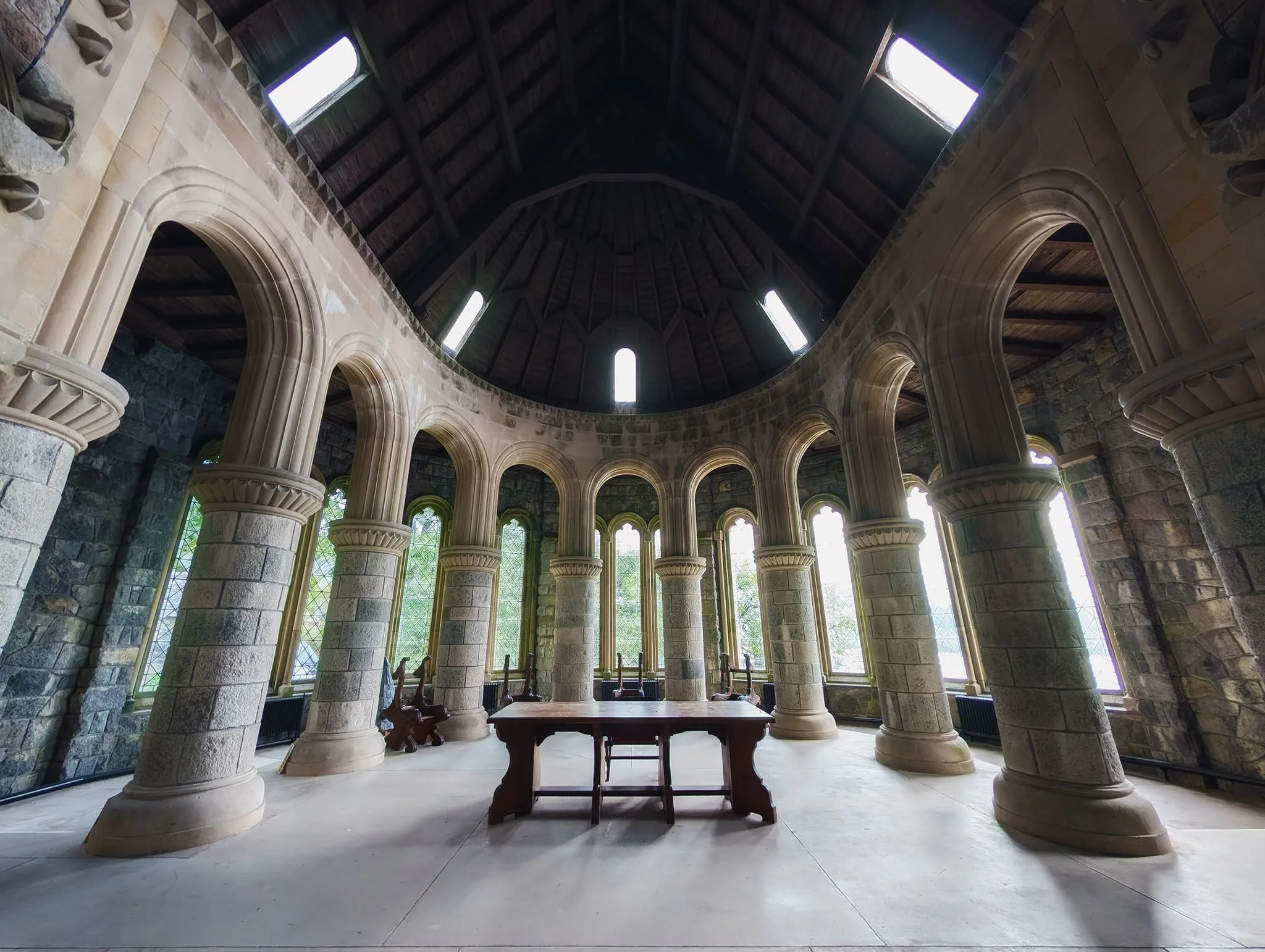
This is the Chancel. Intricately carved Spanish chestnut stalls stand as a testament to history. These ornate fixtures display the complete heraldic symbols—including coats-of-arms, crests, and badges—of the local chieftains who once ruled over nearby lands in bygone eras.
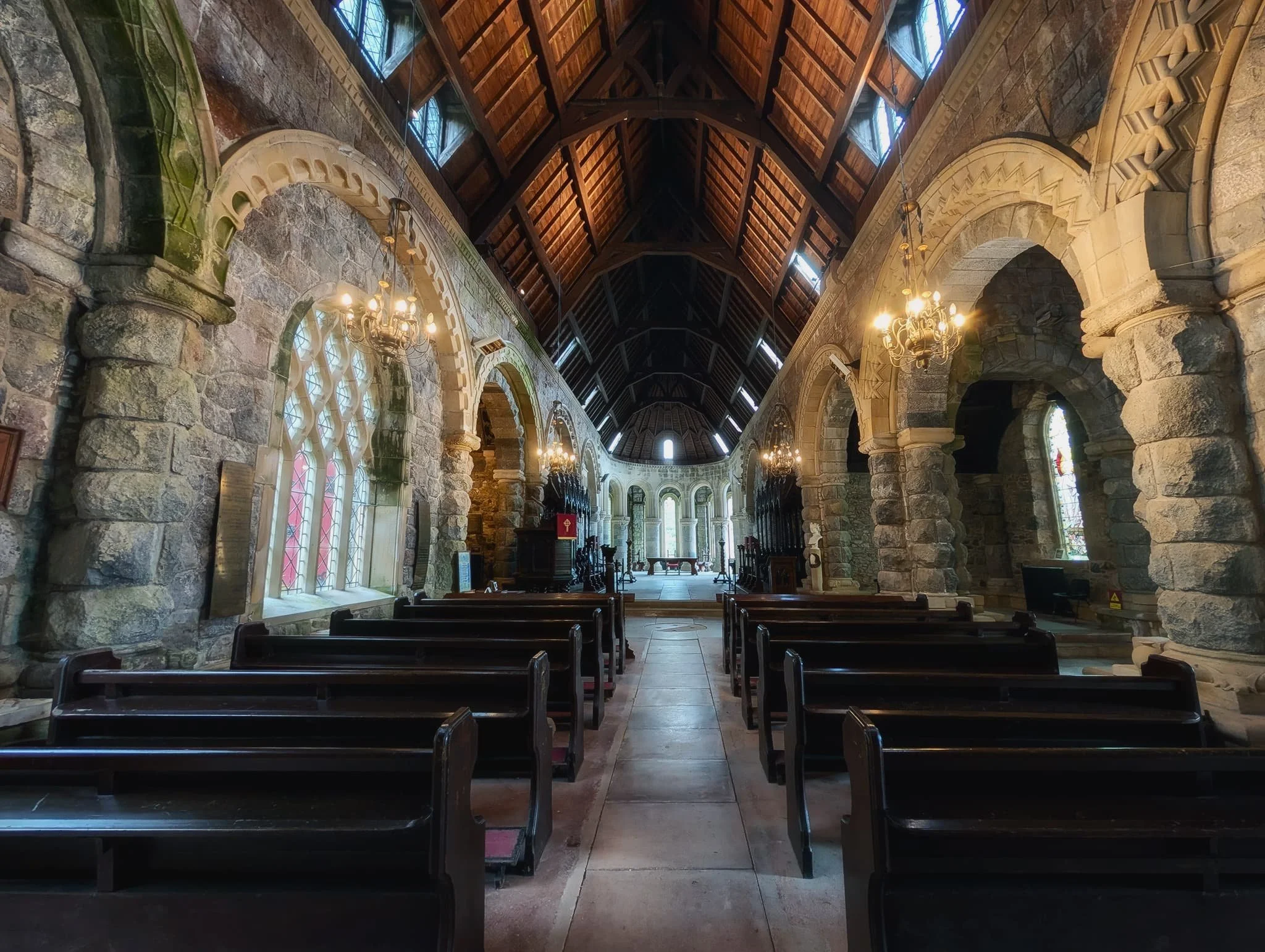
The main view from the Nave looking towards the Apse and Chancel. Services are held here regularly, still. Imagine this is the setting for your worship?
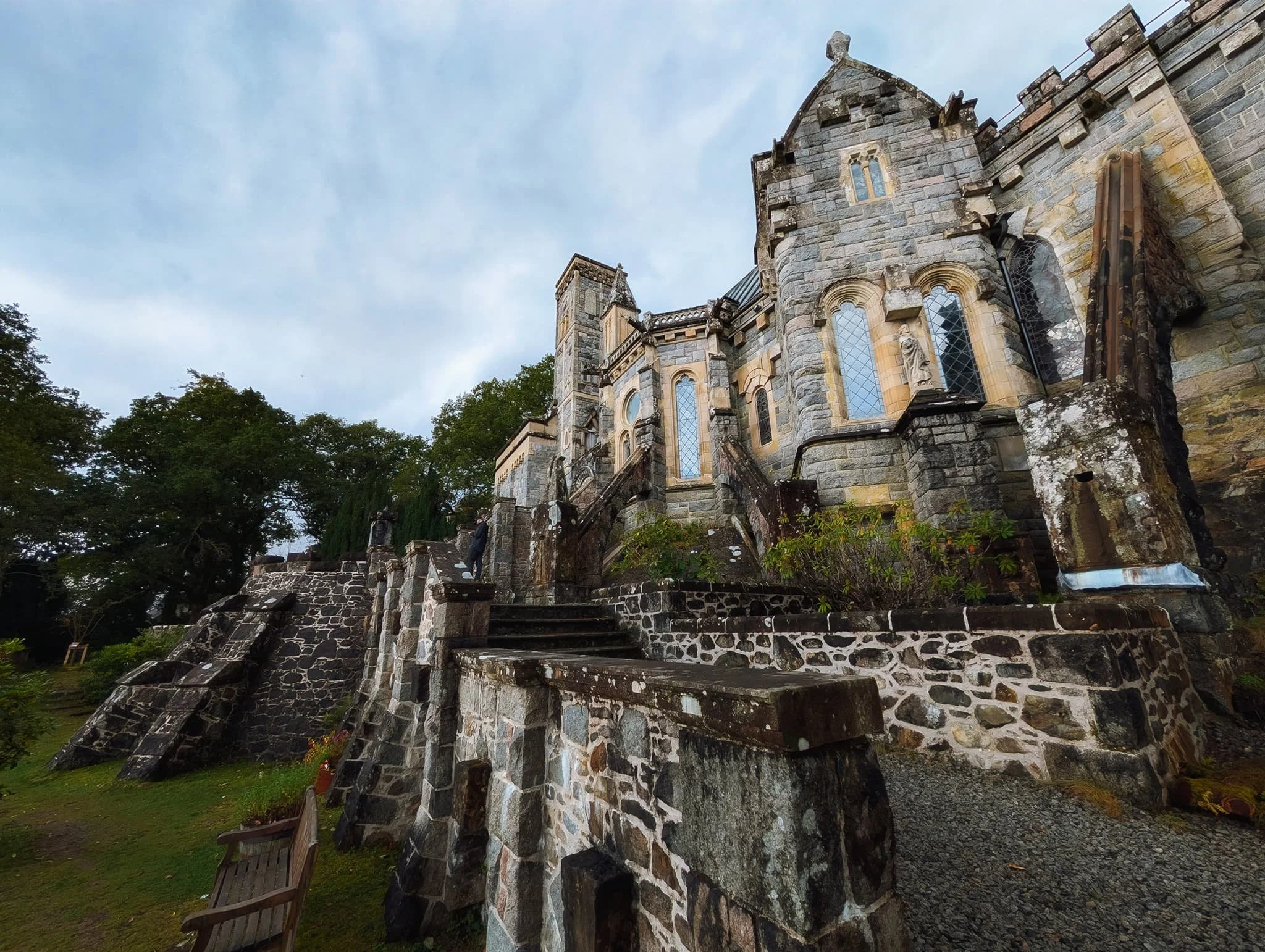
Moving outside, attention has further been made to the exterior of St. Conan’s Kirk. The roof features three remarkable gargoyles crafted from lead. These depict a dog chasing two hares and were created by William Bonnington, the same skilled craftsman who constructed the roofs of the Cloister Garth. Interestingly, his descendants still reside in the village.
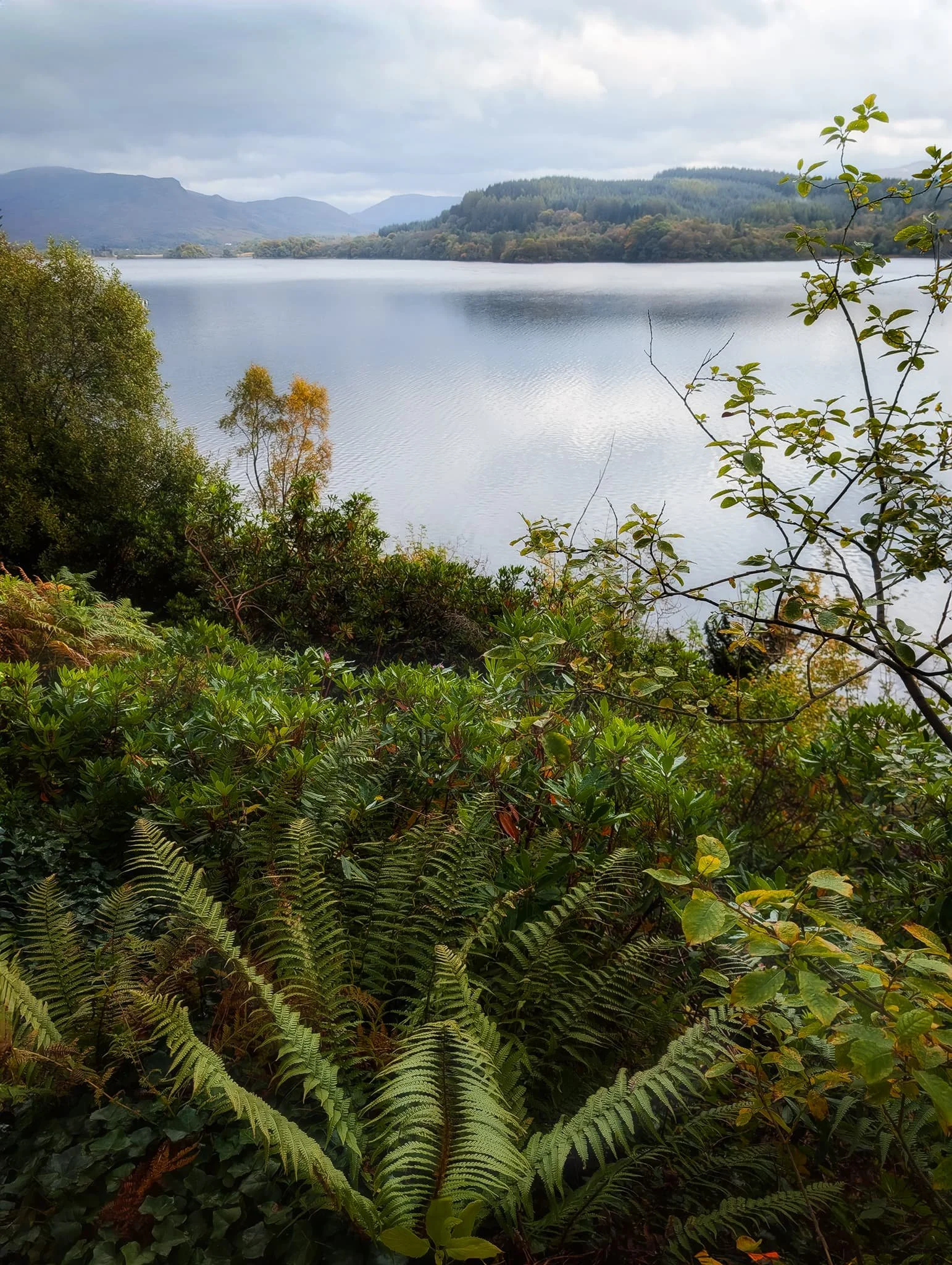
The view from the kirk grounds across Loch Awe are a sight to behold.
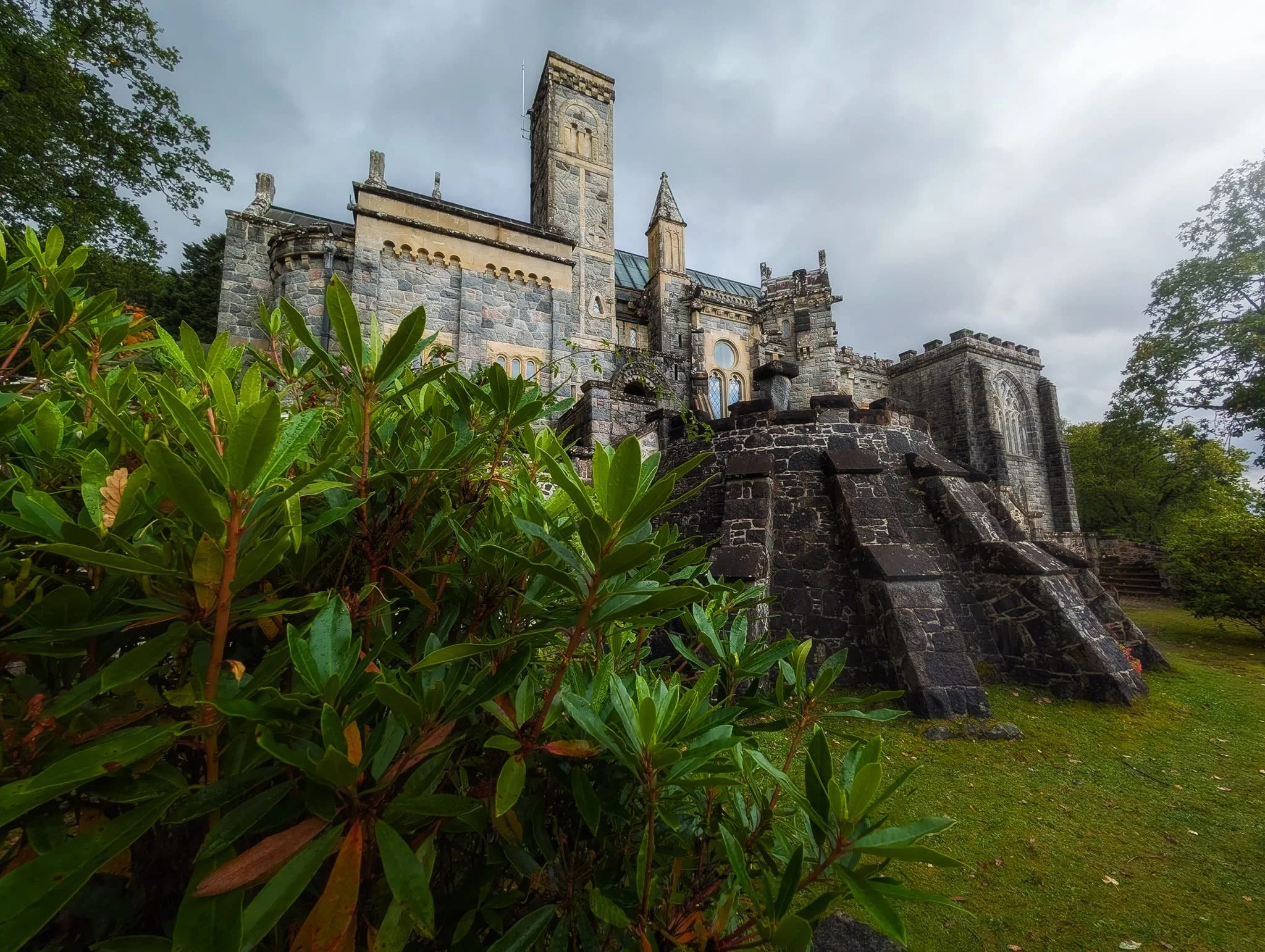
A blast of light escapes from the racing clouds, illuminating the kirk.
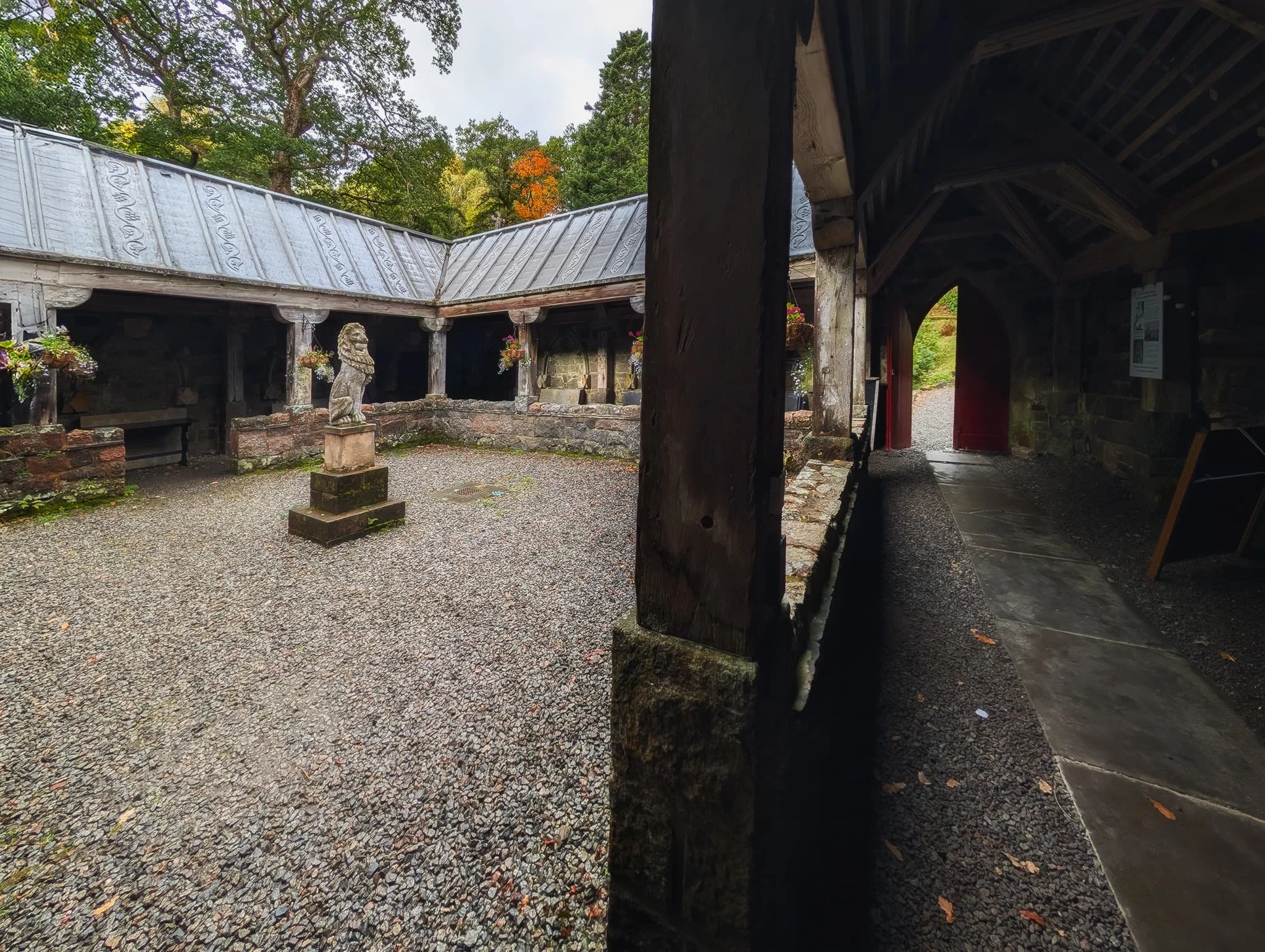
It is believed that the cloister’s heavy oak beams were sourced from two recently, at the time, decommissioned wooden battleships: HMS Caledonia and HMS Duke of Wellington .
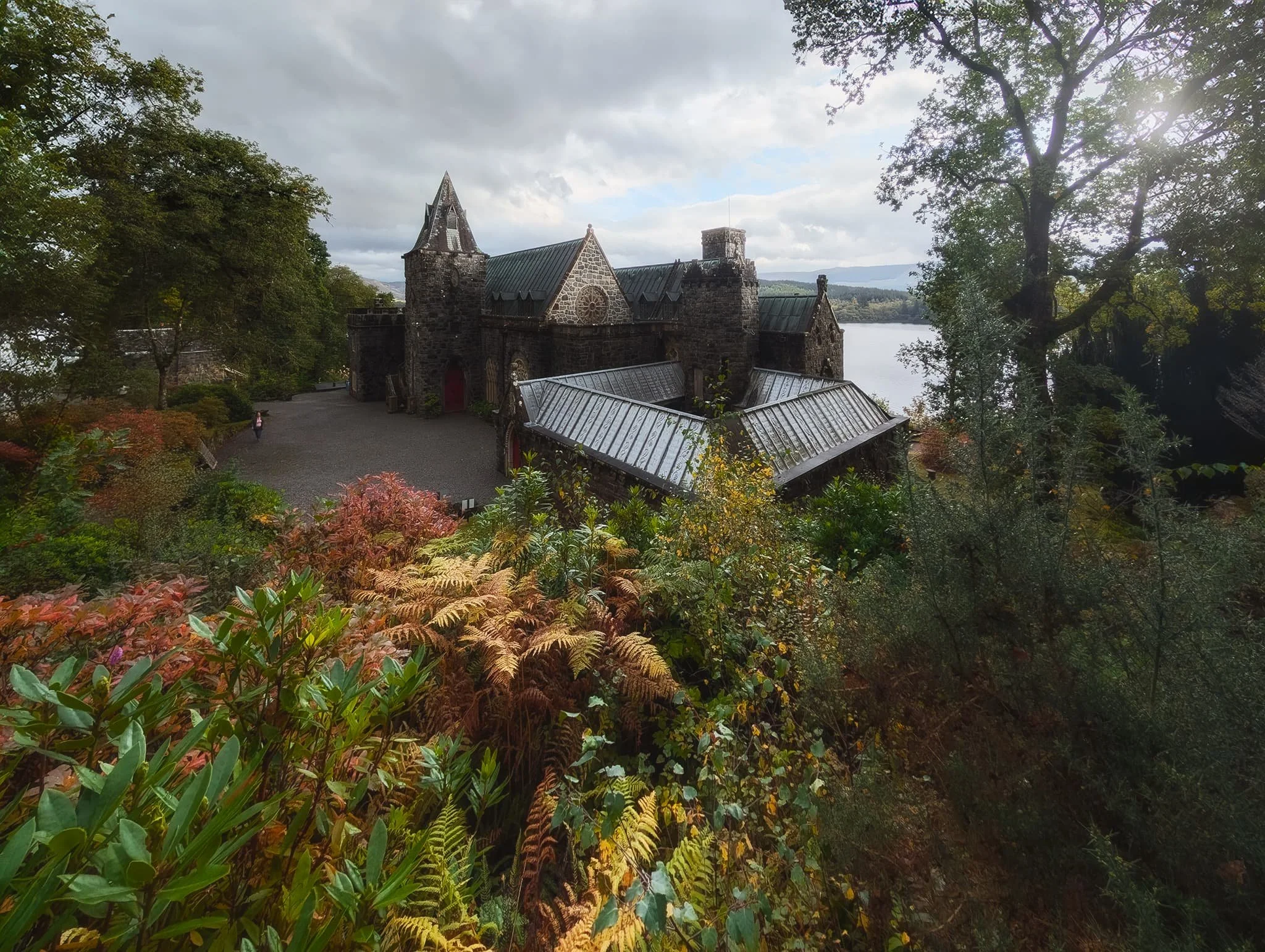
A tremendous summary of St. Conan Kirk and its environs. Truly a jewel of historical and architectural Scotland.