The pinnacle of historical conservation.
To quote Wikipedia, “Stokesay Castle is one of the finest surviving fortified manor houses in England, situated at Stokesay in Shropshire.”
Stokesay Castle was built in the 1280s by wealthy wool merchant Laurence of Ludlow. It’s a ridiculously well-preserved medieval complex featuring a great hall with an exceptional timber roof, two stone towers, and sits within a moated enclosure. In the 1640s, the Craven family added an ornate timber-framed gatehouse and created fashionable ornamental gardens, complete with ponds and water features. The castle surrendered peacefully to Parliamentary forces in 1645 and, after periods of decay and restoration, has been in English Heritage’s care since 1986.
Being able to explore and experience these buildings, where people also once stood 700 years ago, is both a privilege and a joy.
All photos taken on my Google Pixel 9 Pro XL. RAWs developed in Lightroom, merged in Photomatix, then edited and finalised in Photoshop.
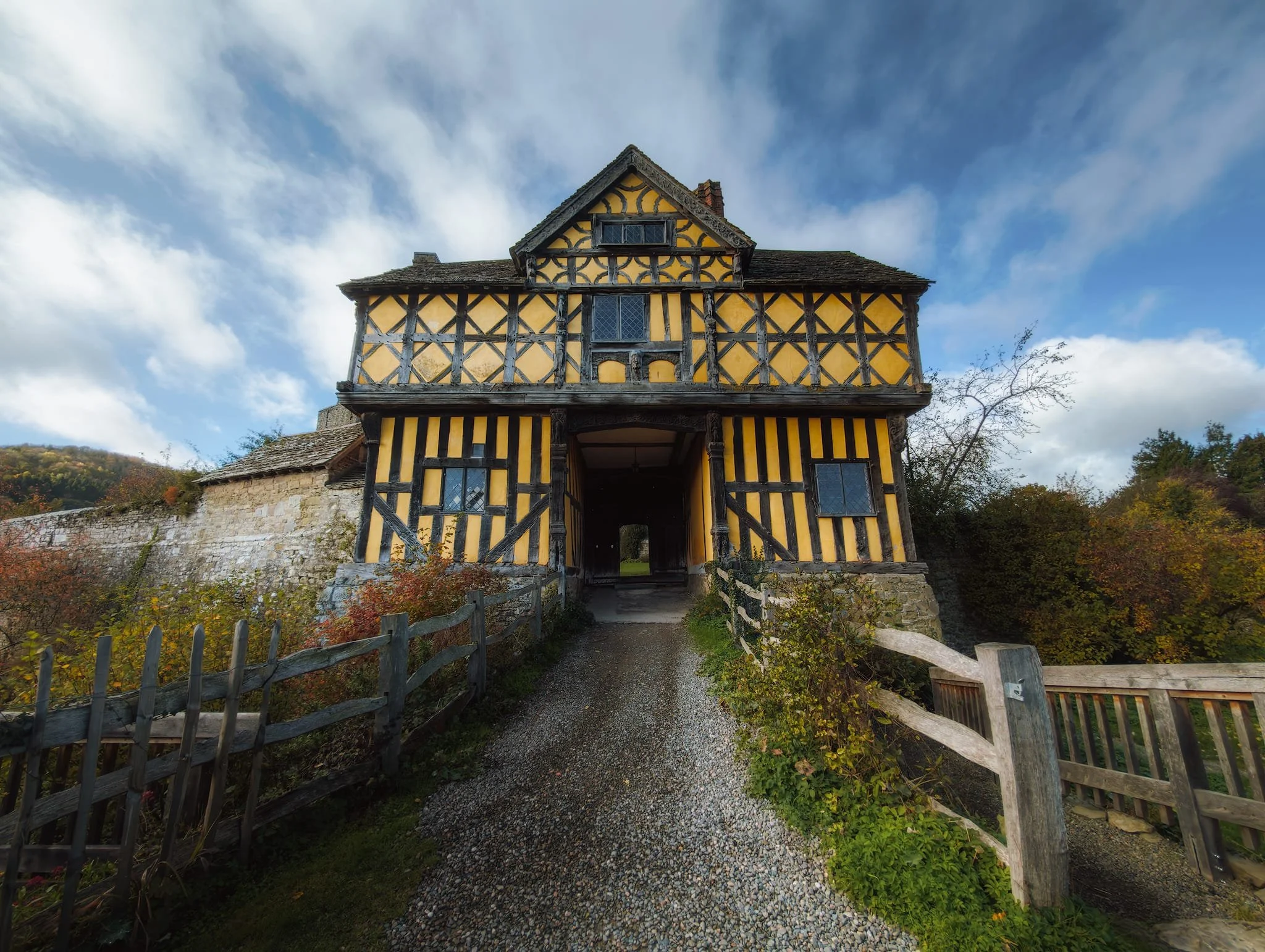
The timber-framed 17th century gatehouse, a striking timber-framed building constructed between 1639–41 for William Craven, who spent over £468 on improvements to the estate (that’s possibly about £91,301.98 in today’s money). It showcases the decorative style typical of 17th-century Ludlow houses, with ornately carved brackets, lozenge patterns in square panels, and jettied upper floors. Above the gate-passage sits a distinctive gable featuring a central window adorned with a row of five stars below and quarter-circle patterns above, making it one of the castle’s most decorative features.
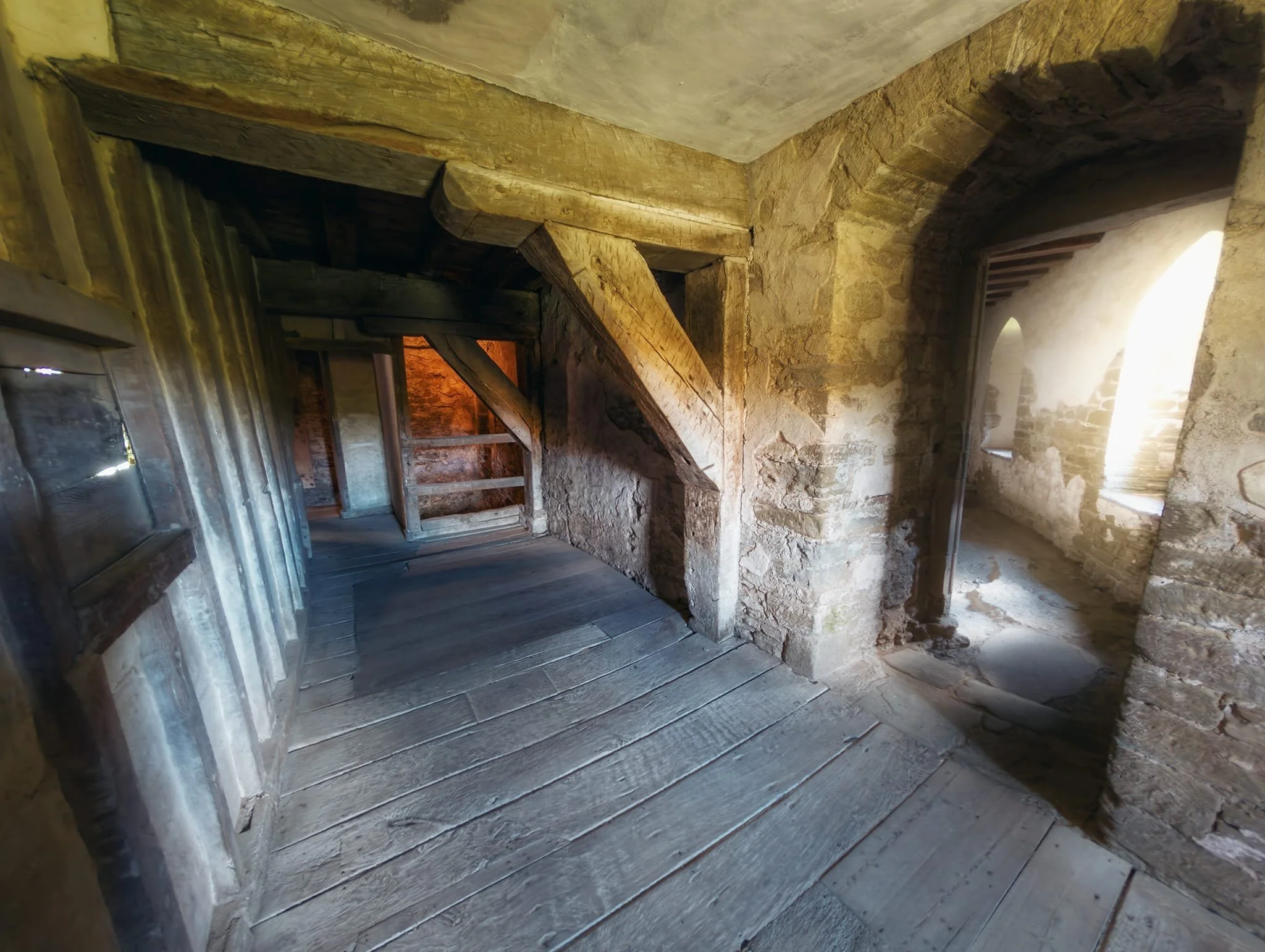
Ducking through the gatehouse (doorways were shorter back then), I head into the castle for a wander around its ancient rooms and hallways. This is the ground floor of the Solar Block, a two-story private apartment wing, originally built in the late 1280s and 1290s.
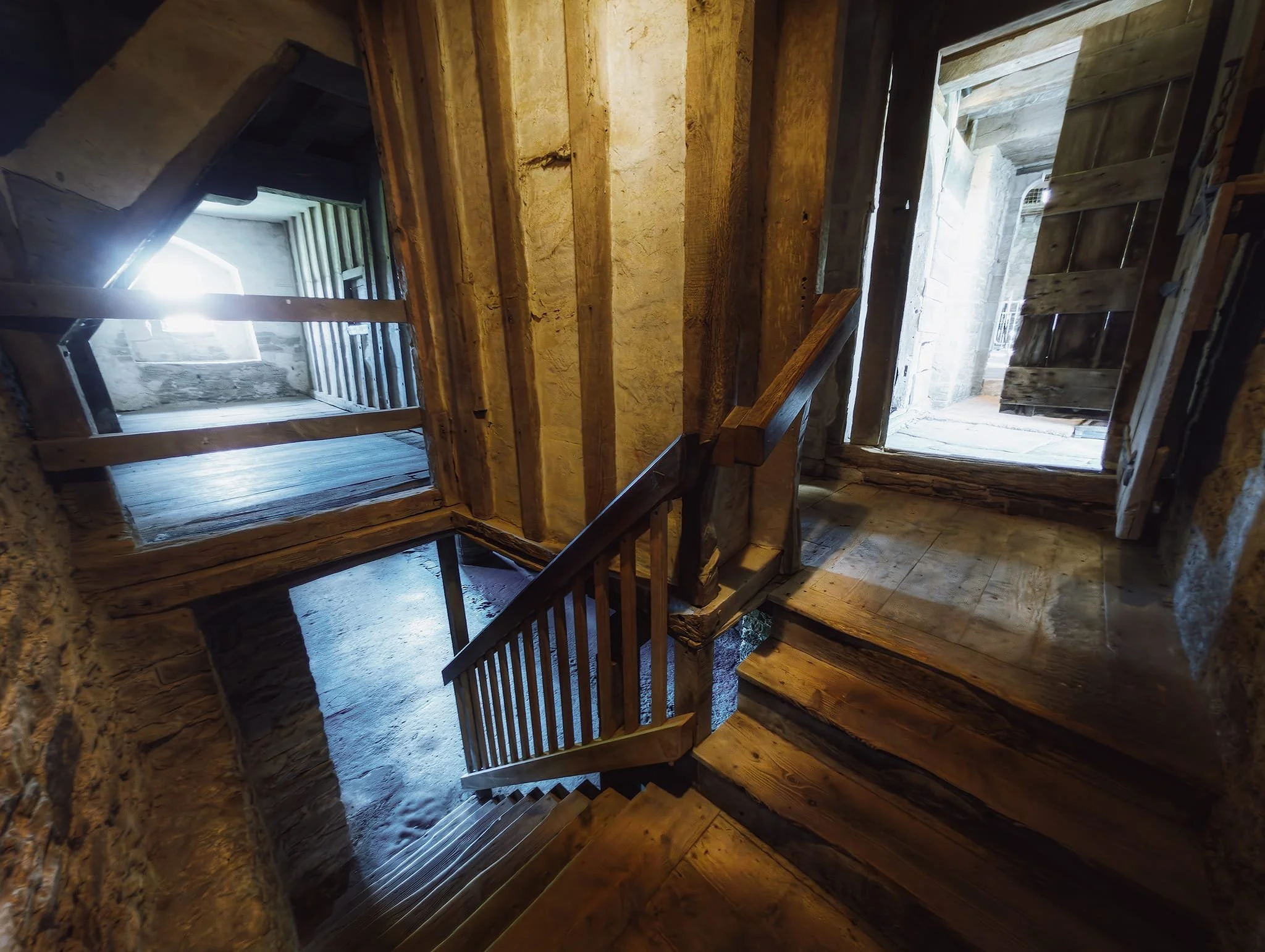
The way down to the cellar of the Solar Block. Crazy to think I was walking around 700-year old rooms and stairs.
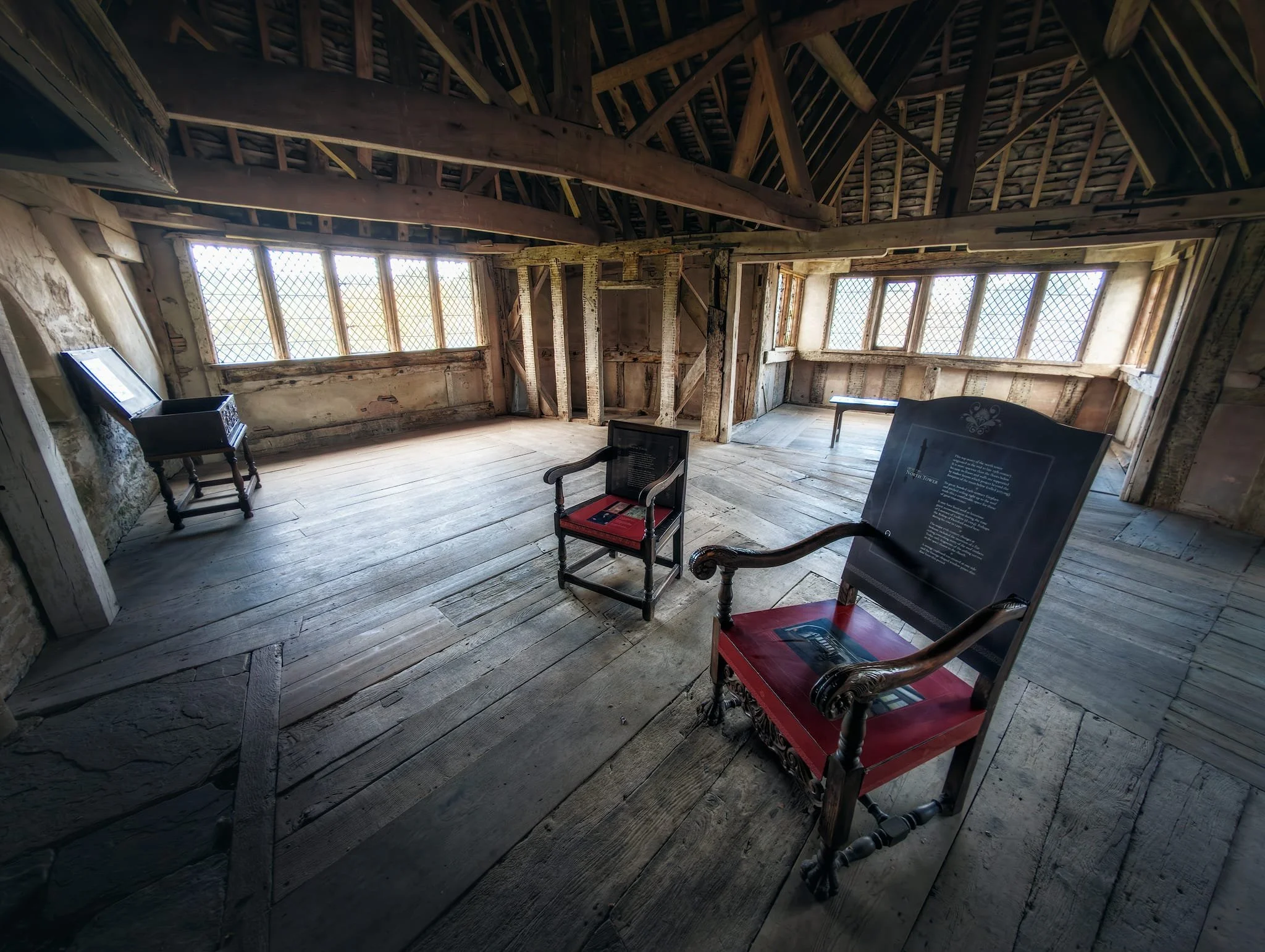
The first floor of the Solar Block, with the timber ceiling remarkably in tact.
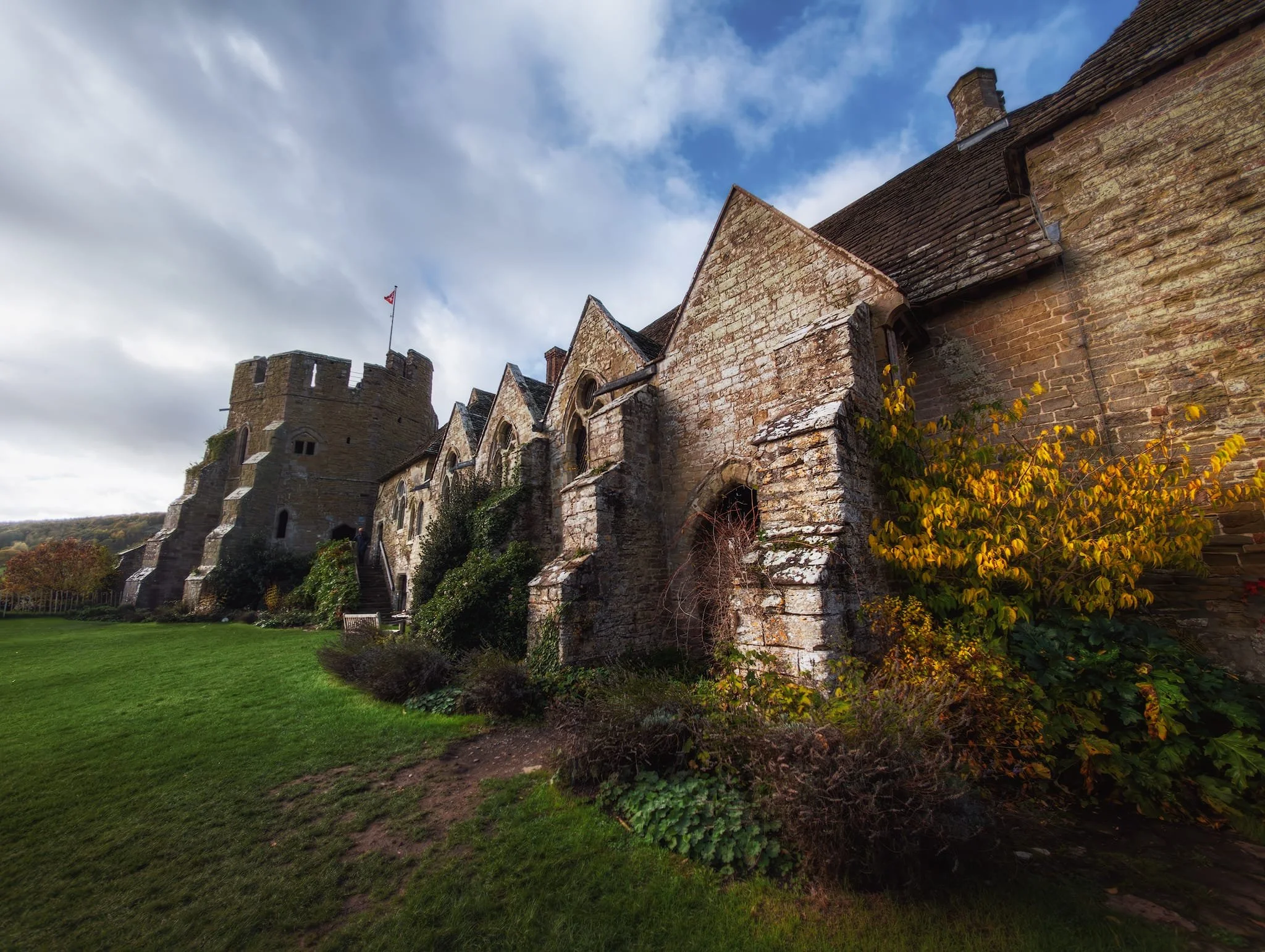
As the light dipped and softened, it pulled out all the gorgeous textures and shapes around the front of the castle. Here you’re just outside the entrance to the Hall, with the South Tower visible in the background.
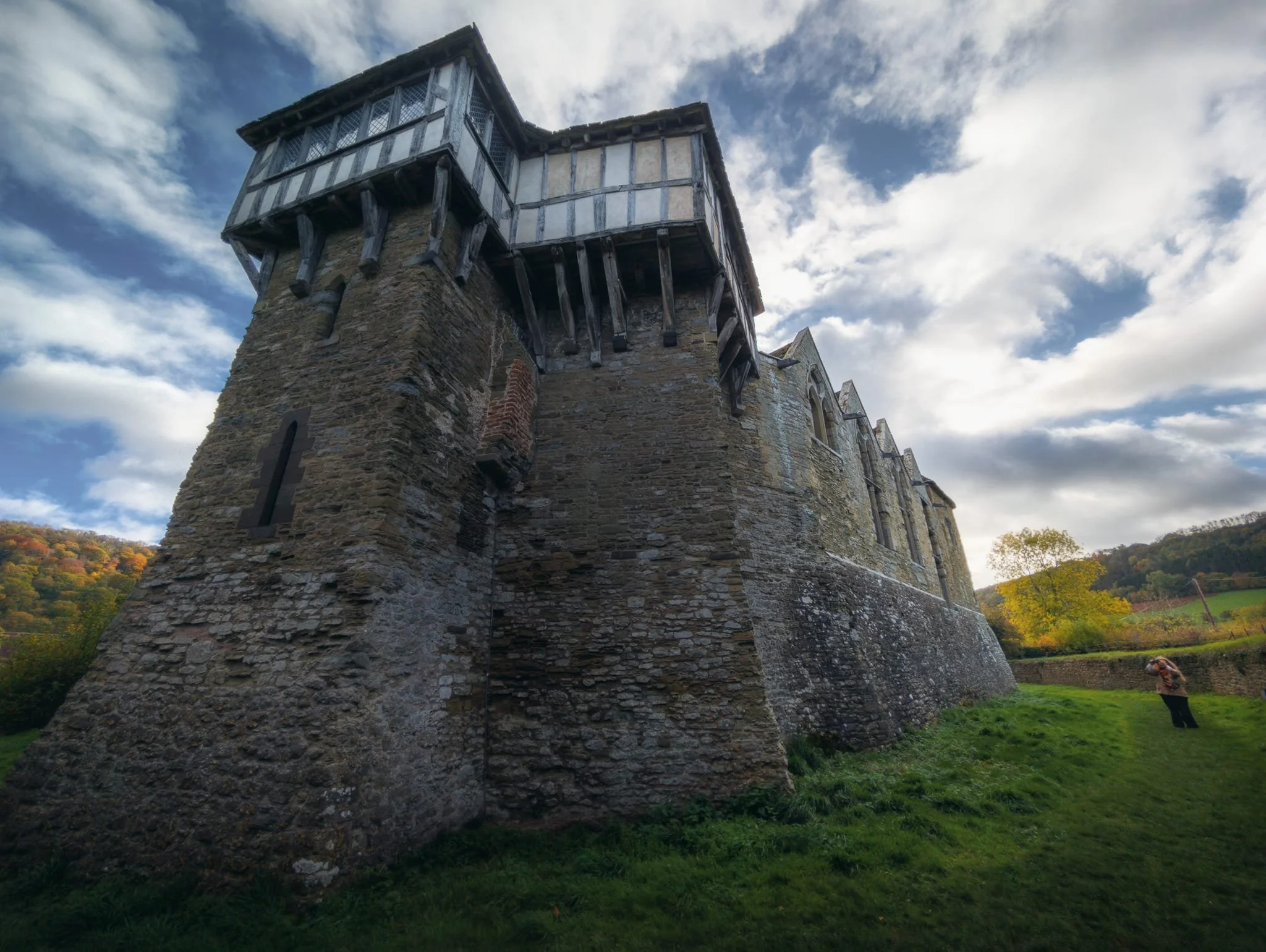
We circled down to the moat around the castle, capturing this imposing aspect of the castle and its northern tower.
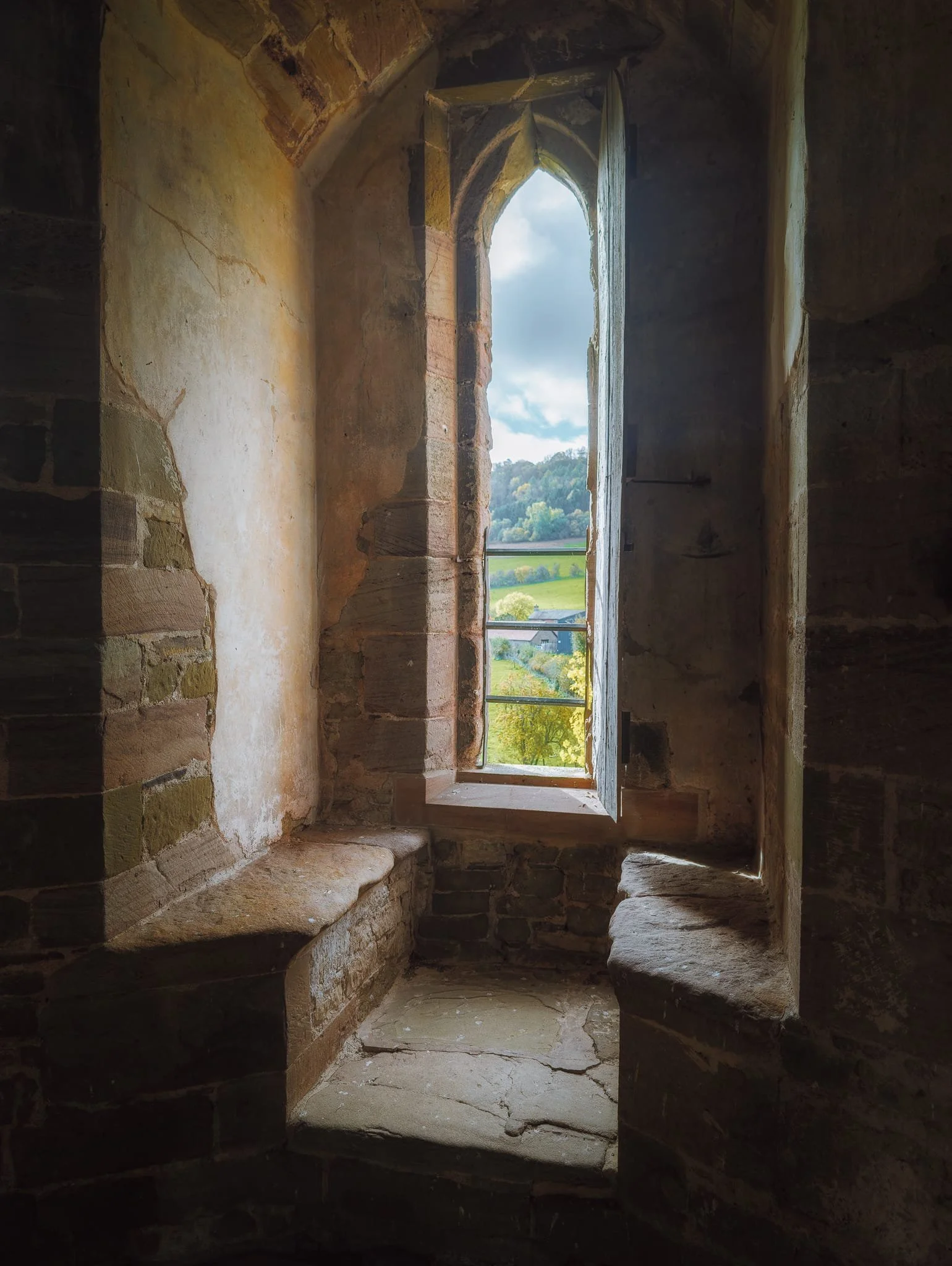
Tiny windows to gaze out across the land without fear of having something dangerous aimed back at you.
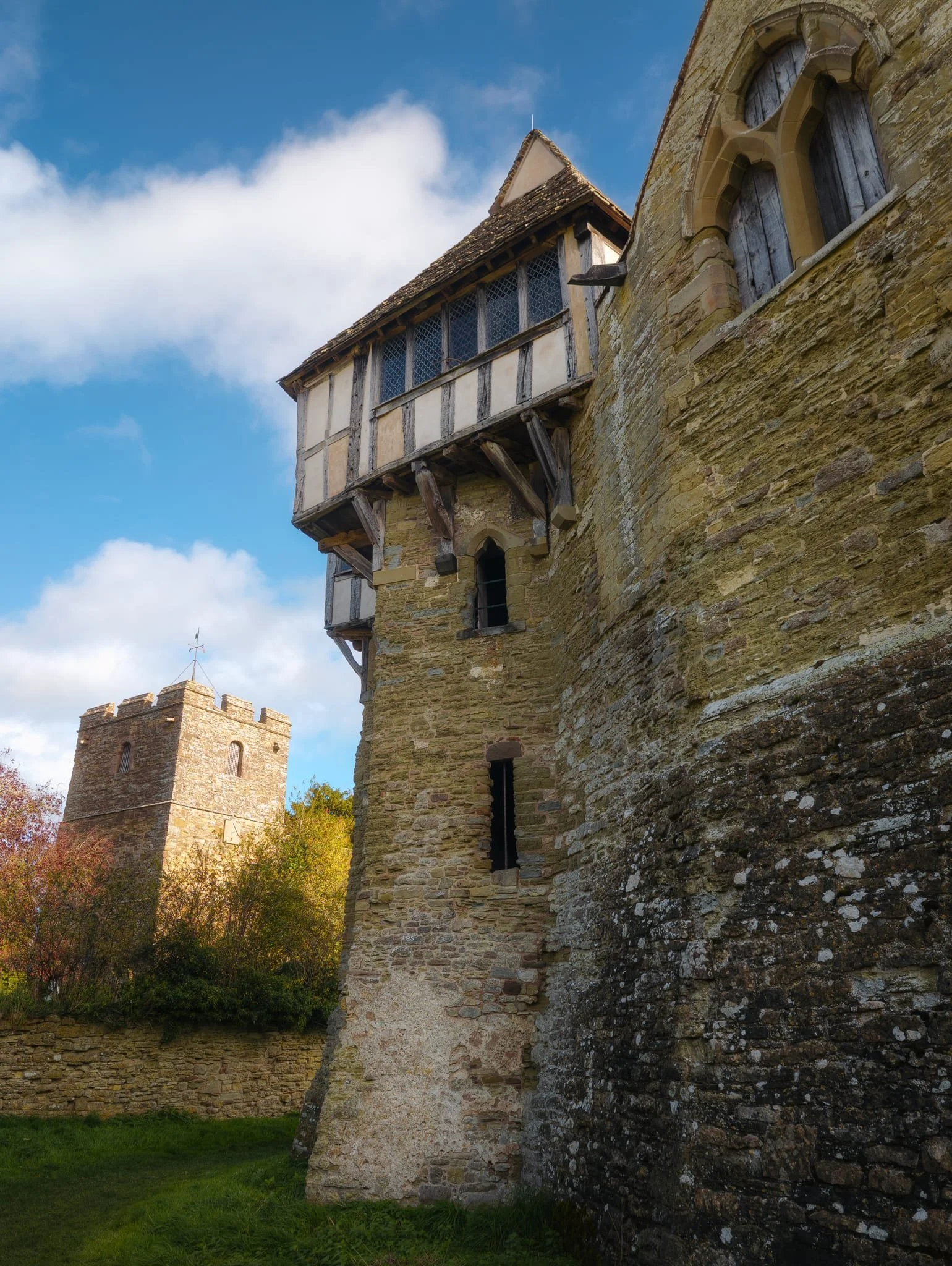
The northern tower of the castle, with the small Church of Saint John the Baptist drenched in autumnal light.
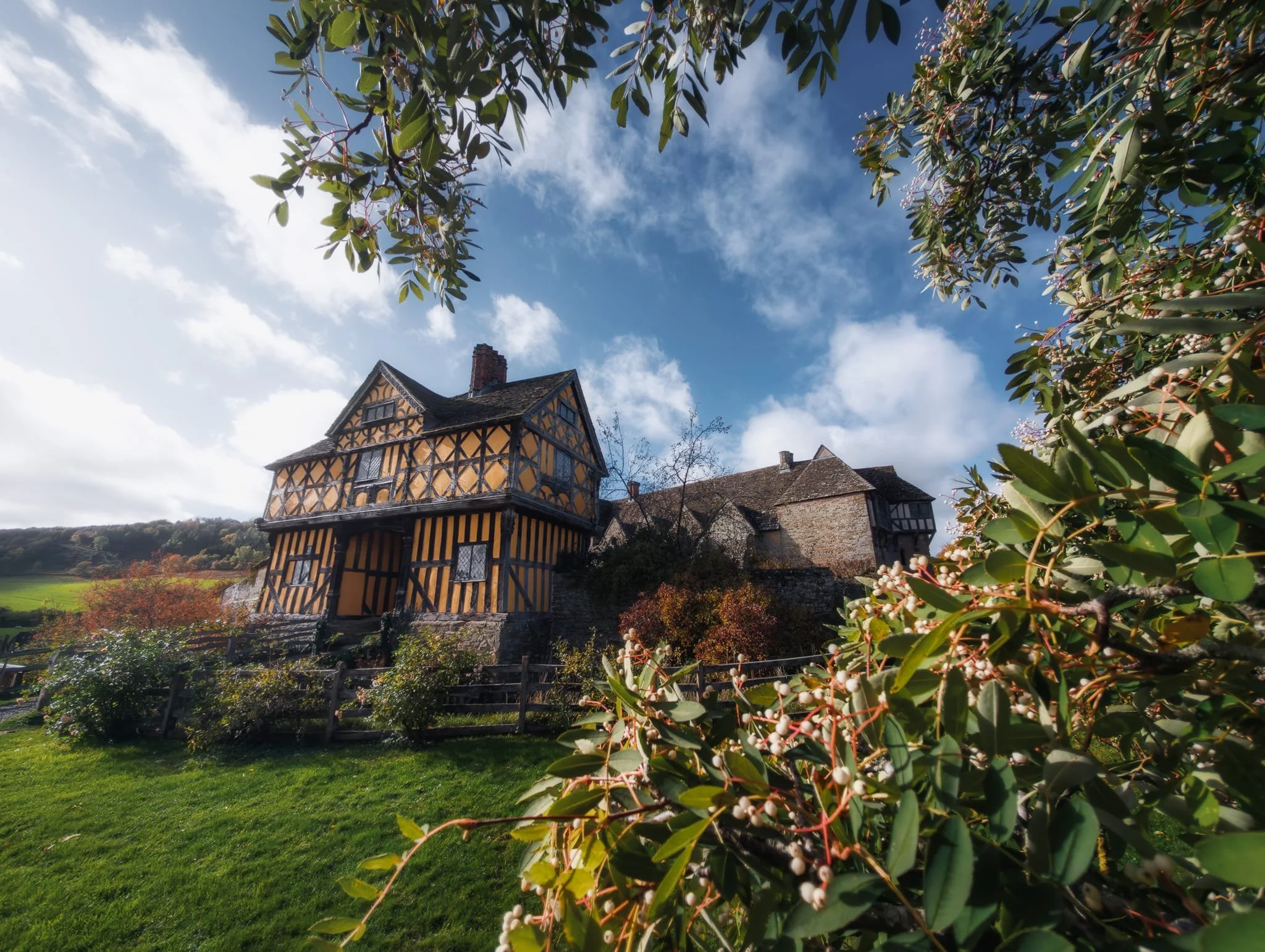
Probably my favourite composition of the day. Using the trees planted in the ornamental gardens as a framing device around the gatehouse and the castle.
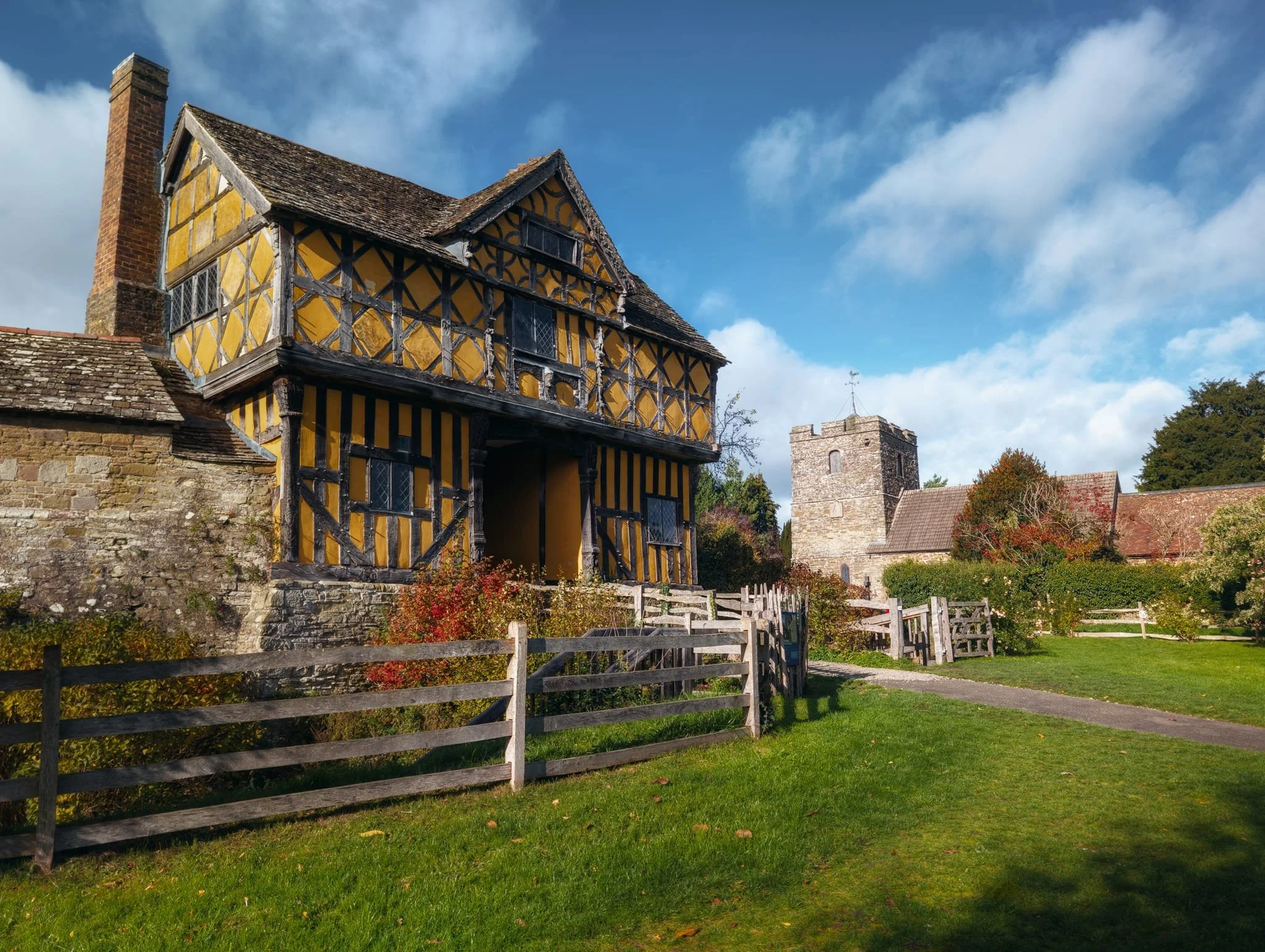
The beautiful gatehouse getting some nice sidelight, with the humble church in the background.
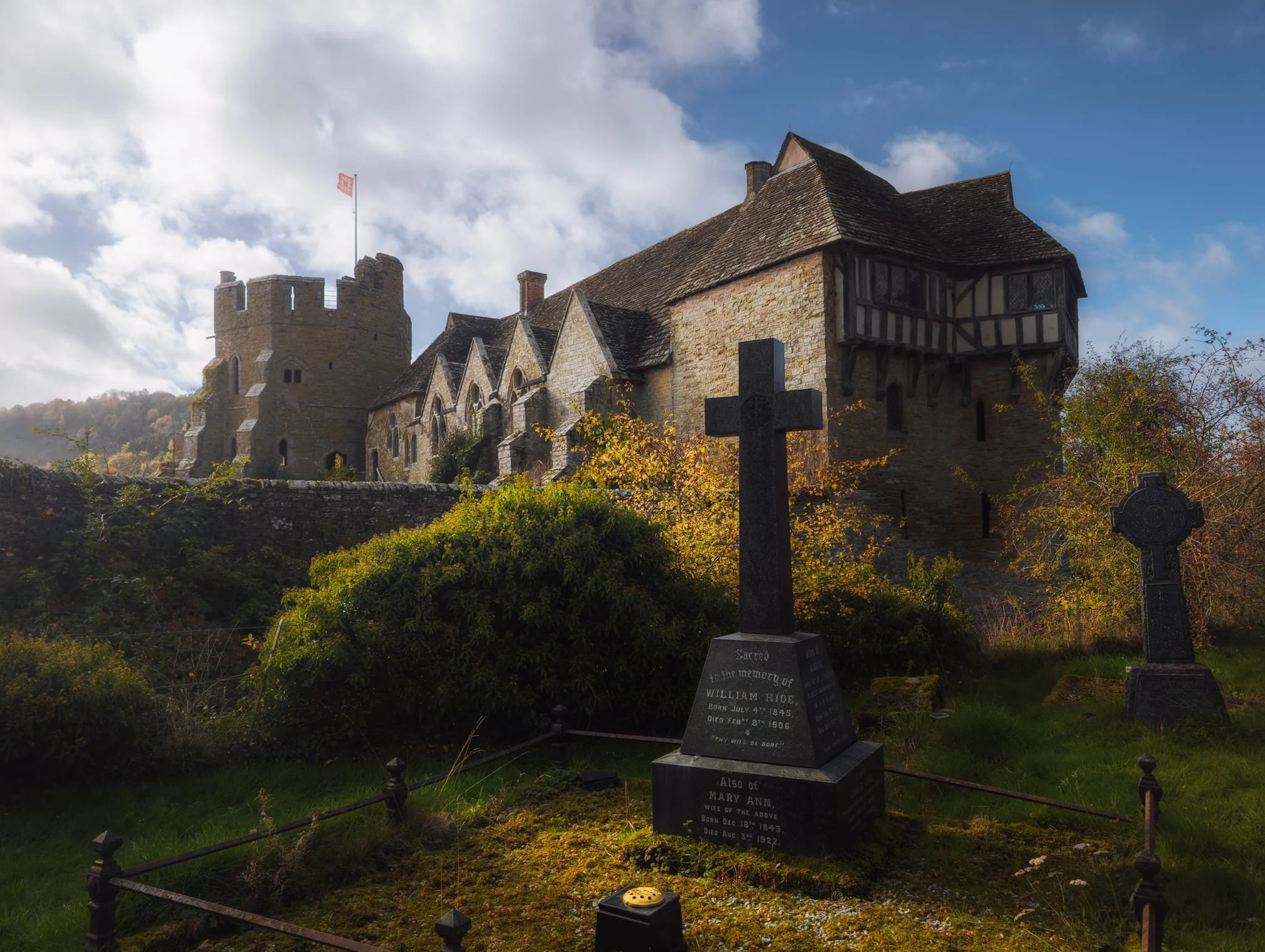
As we headed towards the church, a composition taking in the entire aspect of the castle and its towers revealed itself, especially with the lovely light we were getting.
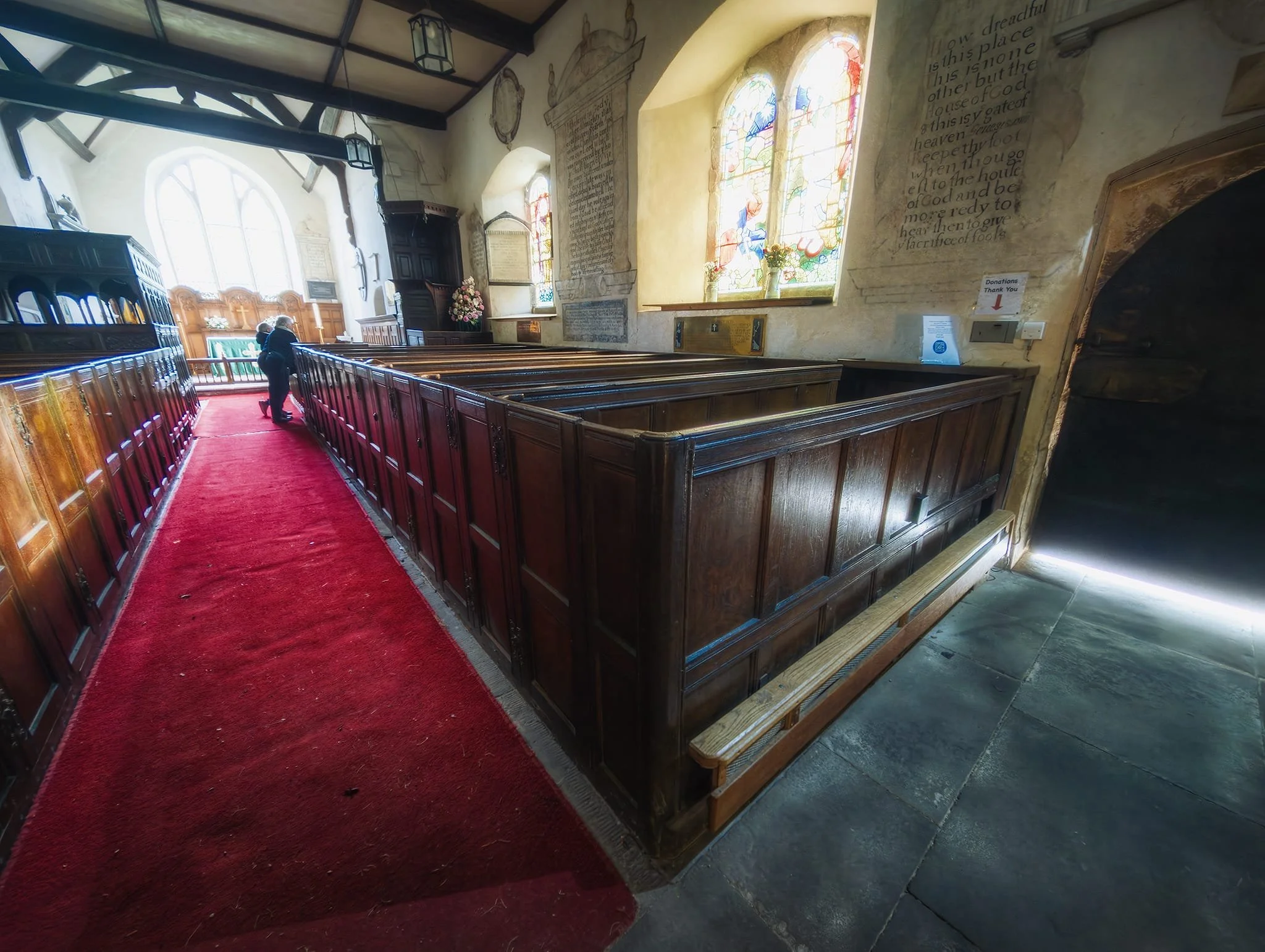
The Church of St John the Baptist is a Grade I listed (buildings that are of exceptional interest) church. It dates from around 1150, but was badly damaged during the English Civil War, and rebuilt in 1654. Biblical texts from the 1600s adorn the walls.